Unveiling Postpartum Anxiety: My Personal Journey to Healing and Holistic Wellness
Before 2013, my understanding of “anxiety” was limited to common, transient experiences: the flutter of nerves before a public speaking engagement in college, the pressure of a difficult exam, or the discomfort of stepping outside my comfort zone. I mistakenly believed it was a minor, easily manageable emotion. How profoundly wrong I was. The birth of my first child plunged me into a harrowing reality, where I experienced firsthand the terrifying and debilitating grip of postpartum anxiety (PPA) and panic attacks. This often-unseen struggle doesn’t discriminate; it can affect anyone, regardless of their background or previous mental health history.
Postpartum depression (PPD) and postpartum anxiety (PPA) remain largely unspoken topics in our society, yet their prevalence demands our urgent attention. The silence surrounding these conditions only exacerbates the isolation felt by countless new mothers. Did you know that between 15-17% of women are affected by some form of a perinatal mood and anxiety disorder? This staggering statistic translates to a vast number of mothers who likely feel helpless, overwhelmed, and fundamentally alone, all while navigating the immense responsibility of caring for a newborn—a tiny human whose survival solely depends on them. I deeply regret not having more accessible resources and a stronger support system during my own difficult period. It is precisely this lack of open dialogue and readily available information that compels me to share my story. My hope is that by doing so, I can help even one person recognize they are not alone, that their feelings are valid, and that they are not “crazy.” Furthermore, this personal journey profoundly shaped my passion for living a healthy lifestyle and embracing approaches like the Whole30, both of which became invaluable tools in navigating this challenging chapter without the need for medication.
A New Chapter Begins: Pregnancy, Marriage, and Motherhood
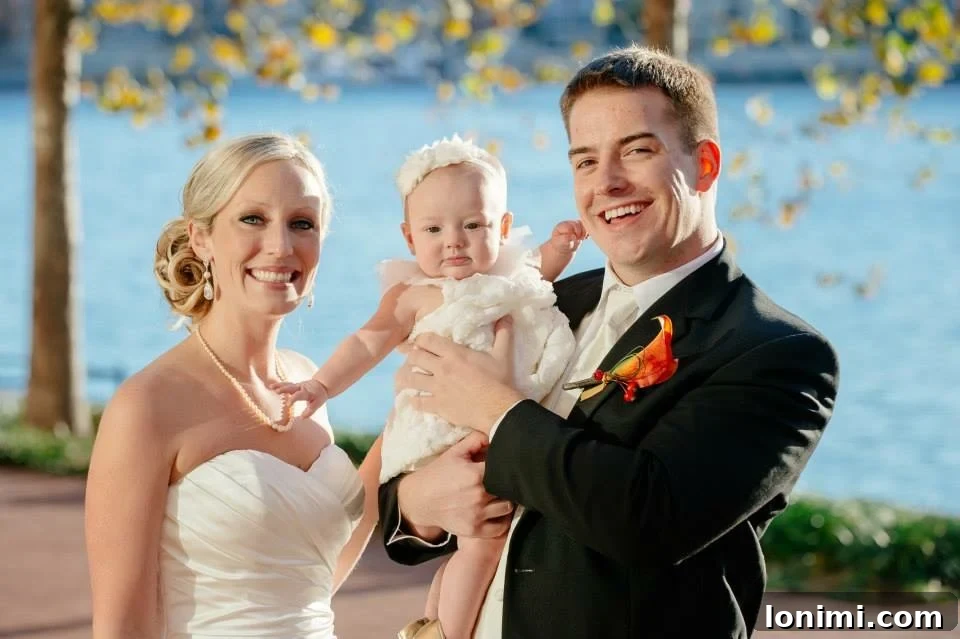
My story began in 2011 when I started dating my now-husband. In 2012, we discovered we were expecting, a surprise that, while initially startling, was welcomed with joy, especially since I knew from the start he was “the one.” Overnight, my life transformed from what might have been described as a “party girl” phase to the impending reality of motherhood – a role for which I felt utterly unprepared. We soon left the city behind, settling into a small apartment in the suburbs, and not long after, we became engaged, embarking on this new adventure together.
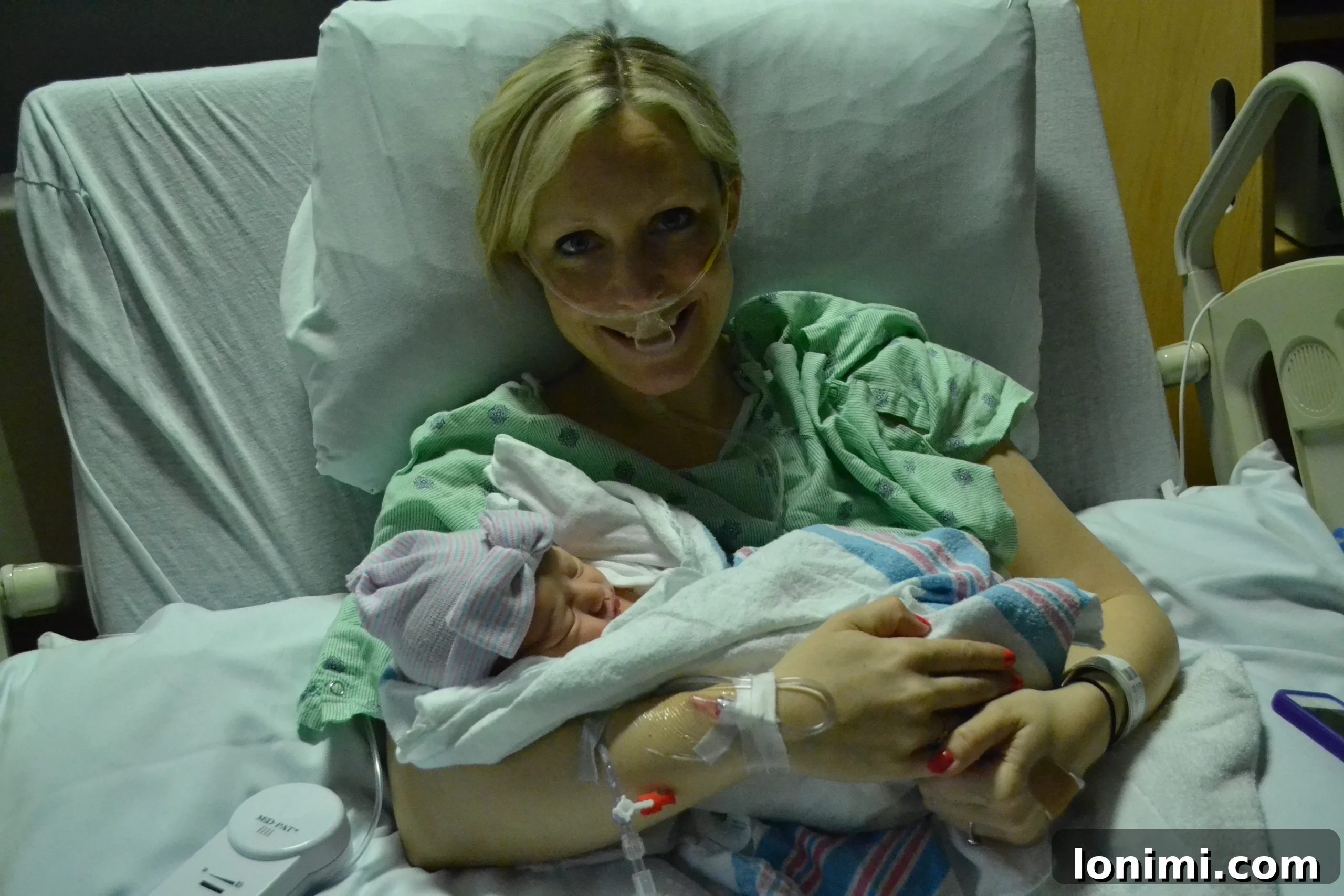
Fast forward to April 2013, the month our beautiful daughter, Annabel, was born. While every birth story is unique, mine was particularly challenging. I was induced at 41+ weeks, only to suffer an allergic reaction to the induction medication. After 24 grueling hours of attempted labor, a C-section became necessary. Despite the less-than-ideal birth experience, our hearts swelled with unimaginable joy at the first sight of our perfect baby girl. After four days in the hospital, we returned home to face a recovery process that was undeniably rough, both physically and emotionally. Adding to the struggle, I found breastfeeding incredibly difficult and ultimately stopped after about six weeks. It wasn’t until Annabel was around two months old—ironically, coinciding with the cessation of breastfeeding and my hormones attempting to re-regulate—that I began to experience the first insidious whispers of what I now unequivocally recognize as postpartum anxiety.
Living with Intrusive Thoughts: A Mother’s Silent Battle
The onset of postpartum anxiety manifested as a relentless barrage of racing, consuming, and utterly terrifying thoughts that plagued me throughout the day. My mind became a battleground, conjuring up vivid, catastrophic scenarios: What if she stops breathing? What if I accidentally drop her while walking down the stairs? What if, despite my love, I somehow inadvertently hurt her? These were not thoughts of intentional harm, but rather a paralyzing fear of accidental tragedy, of losing control. Beyond the immediate fears for Annabel, my anxiety spiraled into broader existential dread: What if Bryan dies in a car crash, leaving us utterly alone without a husband and father? I was literally driving myself to the brink, trapped in a cycle of horrifying hypotheticals. I loathed myself for these thoughts, feeling utterly powerless to stop the incessant stream of morbid possibilities flooding my mind.
From the little I had heard about postpartum depression—which, disappointingly, wasn’t much—I knew my symptoms didn’t align. I didn’t feel persistently sad, hopeless, or “depressed” in the conventional sense. Instead, I felt like I was losing my grip on reality, teetering on the edge of madness. This fear of being perceived as “crazy” became a powerful barrier, preventing me from confiding in others. The terrifying notion that someone might think me unfit and take my precious baby away was an unbearable burden. My husband, Bryan, became my sole confidant and unwavering source of support. Yet, even with his deep love and commitment, I recognized the immense difficulty he faced in truly understanding the terrifying landscape of my internal world. Desperate for answers, I meticulously Googled everything I was experiencing. I quickly ruled out postpartum psychosis, a severe but rare condition affecting less than 1% of new mothers, though it was, of course, the terrifying assumption I feared others would jump to if I ever dared to speak my truth. Eventually, I stumbled upon a few articles detailing postpartum anxiety and postpartum obsessive-compulsive disorder (OCD)—a revelation. I hadn’t realized such specific conditions existed, and as I read, a flicker of recognition ignited: Okay, this must be it. This describes what I’m going through.
The Turning Point: Seeking Professional Help and Finding Hope
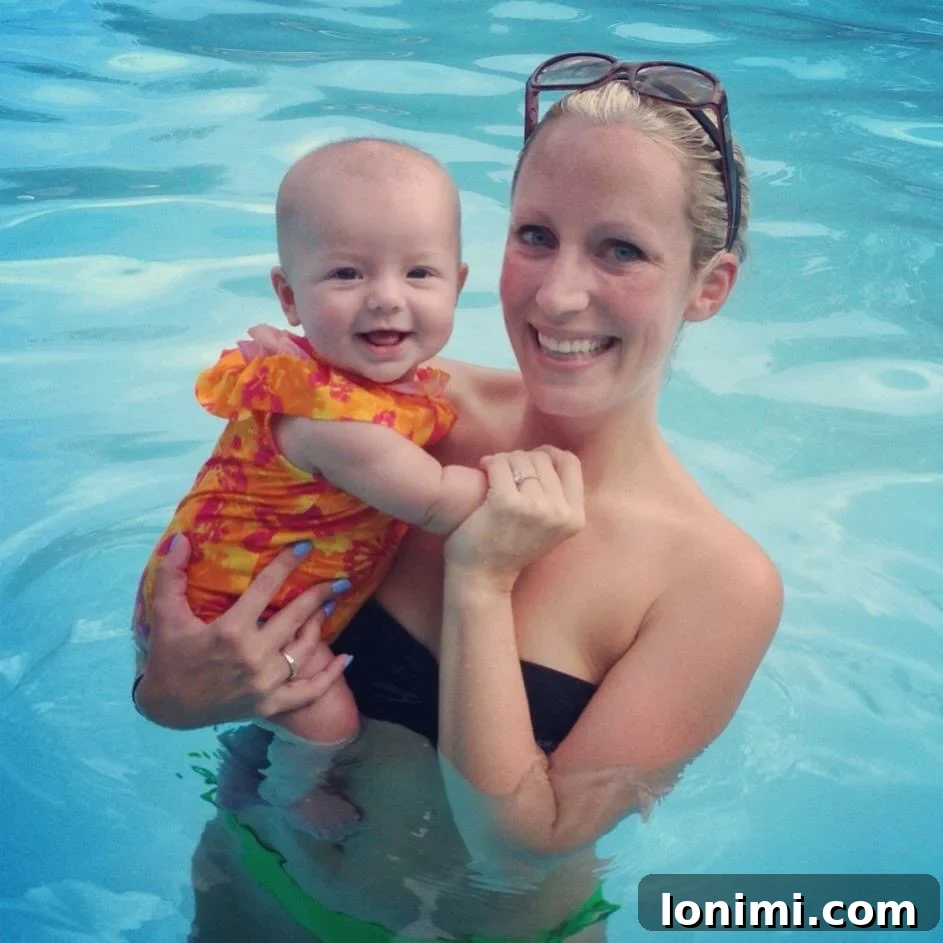
During this period, my heart was overflowing with love for Annabel, yet simultaneously, I was paralyzed by an overwhelming sense of worry and impending doom. I could perform all the essential tasks of motherhood—changing diapers, singing lullabies, feeding her—but it felt as though I was merely going through the motions, a hollow shell constantly scanning the horizon for the next potential catastrophe. My internal world was a vortex of fear, disconnecting me from the present joy of new motherhood. After four months of maternity leave, the time came to return to work. While a part of me was heartbroken to leave my baby, another part felt a desperate glimmer of hope, believing that re-entering the world might be the cure for whatever affliction held me captive. Tragically, the opposite occurred; my anxiety escalated significantly.
As a recruiter, my job involved constant interaction and conversation. It was in this professional setting that panic attacks began to erupt, seemingly out of nowhere. These episodes were terrifying: a sudden loss of breath, the room spinning, an overwhelming urge to escape. The irony was palpable: I was planning our entire wedding, from selecting vendors to coordinating details, all while battling these intense internal struggles. I even attended my bachelorette party, forcing a smile while anxiety gnawed at my insides. It wasn’t until Annabel was approximately seven months old that I finally mustered the courage to disclose the full extent of my suffering to my doctor. This was a monumental step, fraught with fear of judgment, but driven by a desperate need for relief. She listened empathetically and referred me to a social worker, essentially a counselor, whom I saw a handful of times. In those sessions, we unpacked everything I had been enduring. Her confirmation that what I was experiencing was indeed postpartum anxiety, that I was unequivocally “NOT going crazy,” and that there were effective strategies to overcome it without medication (a specific preference I had vocalized) was like a lifeline.
Holistic Recovery: Embracing Mindfulness, CBT, and Lifestyle Shifts
Among the most impactful lessons I gleaned from my counseling sessions, and ones that continue to serve me to this day, are the principles of mindfulness and Cognitive Behavioral Therapy (CBT). In essence, CBT taught me how to reclaim control over my thoughts, operating on the premise that our thoughts shape our emotions, rather than the other way around. It’s about recognizing distorted thinking patterns and actively challenging them. Mindfulness, on the other hand, centered on anchoring myself in the present moment, observing my thoughts and feelings without judgment, and reducing the power of intrusive anxieties. Beyond these therapeutic tools, the simple, yet profound, validation that my experiences were entirely normal and that I was not descending into madness provided instant relief. It felt as though an immense weight had been lifted from my shoulders, allowing me to breathe freely for the first time in months.
Empowered by these insights, I proactively began to prioritize my well-being. Ensuring adequate sleep and nourishing my body with healthy foods became non-negotiable. I consciously chose to stop relying on nightly glasses of wine, which had become a temporary, deceptive balm to numb my feelings, only to find they exacerbated my anxiety in the long run. Instead, I immersed myself in my work, finding purpose and distraction, and actively re-engaged with my family and social life, rebuilding connections that had frayed under the strain of my anxiety. Gradually, almost imperceptibly at first, I started to feel like myself again. This resurgence of hope and self-possession occurred around the time Annabel reached ten months old. Looking back, this challenging postpartum period also marked the onset of symptoms related to my Celiac Disease. My doctor strongly suspects that this major life event, with its profound emotional and physical stressors, served as a trigger for the autoimmune condition, a common pattern for many autoimmune diseases. You can delve deeper into that part of my journey in my article, My Health Journey.
Breaking the Cycle: Proactive Steps in Subsequent Pregnancies
When we discovered we were expecting another baby in 2015, a wave of conflicting emotions washed over me: immense excitement coupled with profound terror. The daunting prospect of reliving the suffocating grip of postpartum anxiety was almost unbearable. However, I was absolutely determined not to allow it to commandeer my life as it had after Annabel’s birth. This time, I resolved to be proactive and equipped with the tools I had gained. With my son, Finn, I ended up exclusively pumping for about four to five months. While this was far from enjoyable, it was a necessity due to his tongue-tie, leaving me with no other option. I was committed to providing breast milk, knowing its potential benefits in warding off immediate PPD symptoms and supporting the postpartum hormonal transition.
Around March 2016, shortly after I stopped pumping, I decided to embark on my first Whole30 program. I reasoned that this timing would be ideal, as the hormonal shifts post-breastfeeding seemed to be a primary trigger for my previous anxiety. I braced myself, anticipating the familiar onslaught of symptoms, but to my immense surprise, they barely materialized. And when the faintest whisper of anxiety did attempt to creep in, I immediately deployed the mindfulness and CBT techniques I had diligently learned in therapy. I was able to nip those unwelcome feelings in the bud, preventing them from escalating into full-blown anxiety. This newfound ability to manage and control my internal landscape was incredibly empowering, a testament to the effectiveness of my integrated approach. I genuinely believe that the significant changes I made to my diet and lifestyle, particularly through the Whole30, played a crucial role during this delicate transitional phase, working synergistically with the invaluable coping mechanisms I had acquired in counseling.
Embracing the Future: Preparing for Baby #3 and Advocating for Support
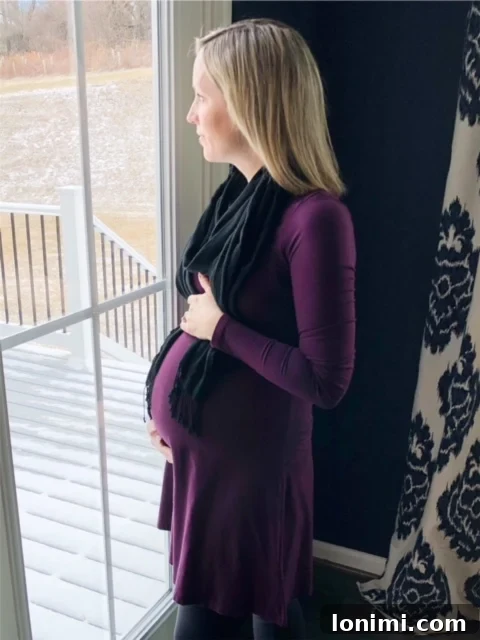
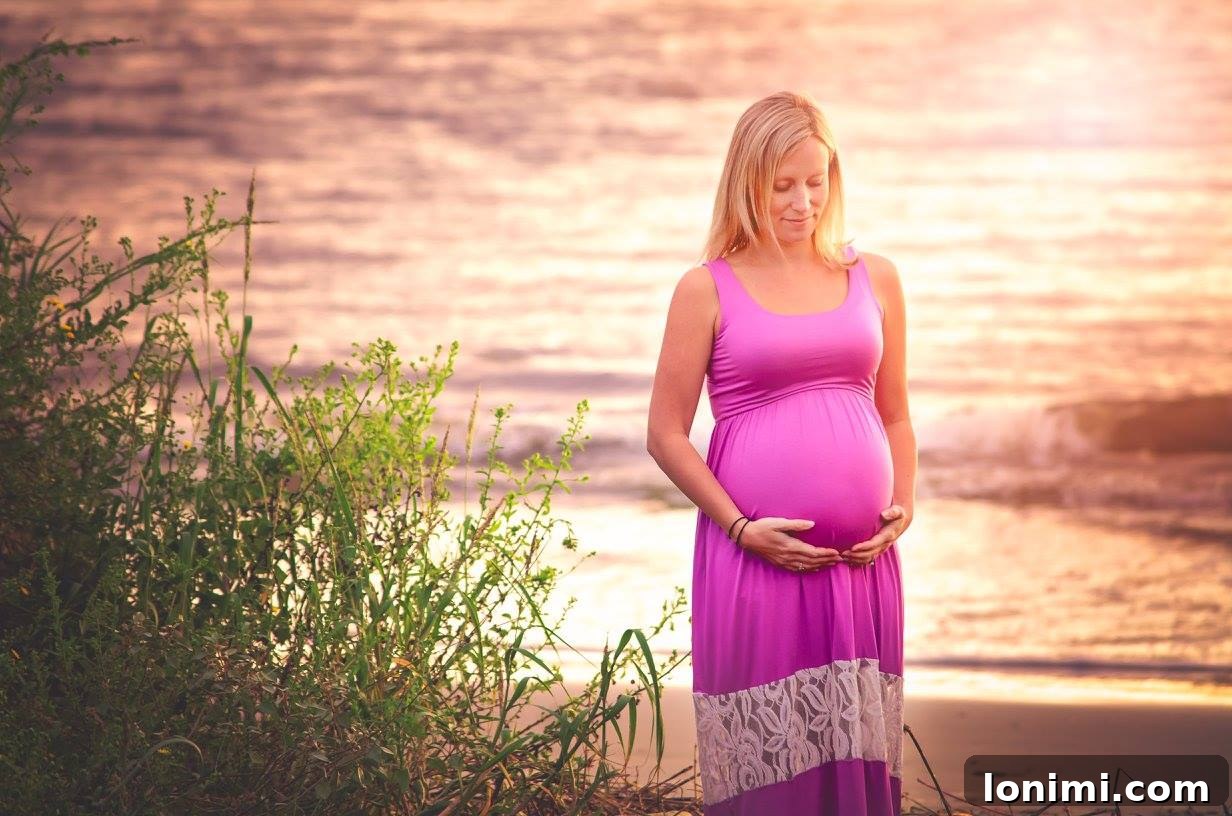
Now, as we eagerly await the arrival of baby number three (with just nine weeks to go!), I can’t help but ponder whether the shadow of anxiety will attempt to creep back into my life. However, this time, I face the future with a sense of preparedness and determination. I plan to employ every strategy within my power to proactively mitigate its return. This includes an unwavering commitment to self-care, consciously carving out dedicated time for myself amidst the demands of motherhood, maintaining a nourishing diet, and consistently practicing mindfulness. These practices are no longer luxuries but essential components of my mental and emotional well-being.
To anyone who may be experiencing similar struggles with postpartum anxiety or depression, my most fervent and crucial piece of advice is this: DON’T WAIT to reach out for help. Speak to a doctor, a therapist, a trusted friend, or a family member. You will be immeasurably glad you did. Our babies are only little for such a fleeting period, and it genuinely pains me to reflect on how much I essentially “missed out” on truly enjoying Annabel’s precious first year of life, clouded by the fog of my own internal battle. That time, once gone, can never be regained.
Finally, I want to emphasize a vital point: if medication becomes a necessary part of your journey to recovery, that is absolutely OKAY. There should be no stigma or shame associated with seeking pharmacological support if it is what you need to get better and regain your sense of self. Your well-being, and by extension, the well-being of your family, is paramount. Do whatever you need to do to heal. And above all, please remember this profound truth: You are not alone in this. There is support, there is understanding, and there is hope for healing.
Essential Resources for Postpartum Anxiety and Maternal Mental Health
Navigating postpartum anxiety can feel isolating, but a wealth of information and support is available. Here are some invaluable resources and articles to help you on your journey:
- Whole30 Mamas – Asking for Help Postpartum: A supportive article from the Whole30 community discussing the importance of seeking assistance during the postpartum period, especially for those considering dietary interventions.
- Seleni.org – Living on the Edge: Understanding and Managing Postpartum Anxiety: The Seleni Institute provides expert advice and compassionate support for maternal mental health, with this article focusing on the often-overlooked symptoms and coping strategies for PPA.
- Parents.com – The Other Postpartum Problem: Anxiety: A comprehensive article from Parents.com shedding light on postpartum anxiety, its distinct characteristics from PPD, and why it’s crucial for new mothers to be aware of its symptoms.
- TheBump.com – Postpartum Anxiety: Symptoms, Causes, and Treatments: TheBump.com offers a detailed guide for expectant and new parents, covering everything from identifying PPA symptoms to exploring various treatment options and support networks.
- MindBodyGreen – How to Treat Postpartum Depression Holistically: While the link isn’t provided, articles on MindBodyGreen often explore holistic approaches to mental health, including nutrition, mindfulness, and lifestyle changes, which can be highly beneficial for managing postpartum mood and anxiety disorders.
- Local Support Groups and Professional Therapists: Beyond online resources, seeking out local postpartum support groups or consulting with a licensed therapist specializing in perinatal mood and anxiety disorders can provide personalized guidance and a vital community connection.