
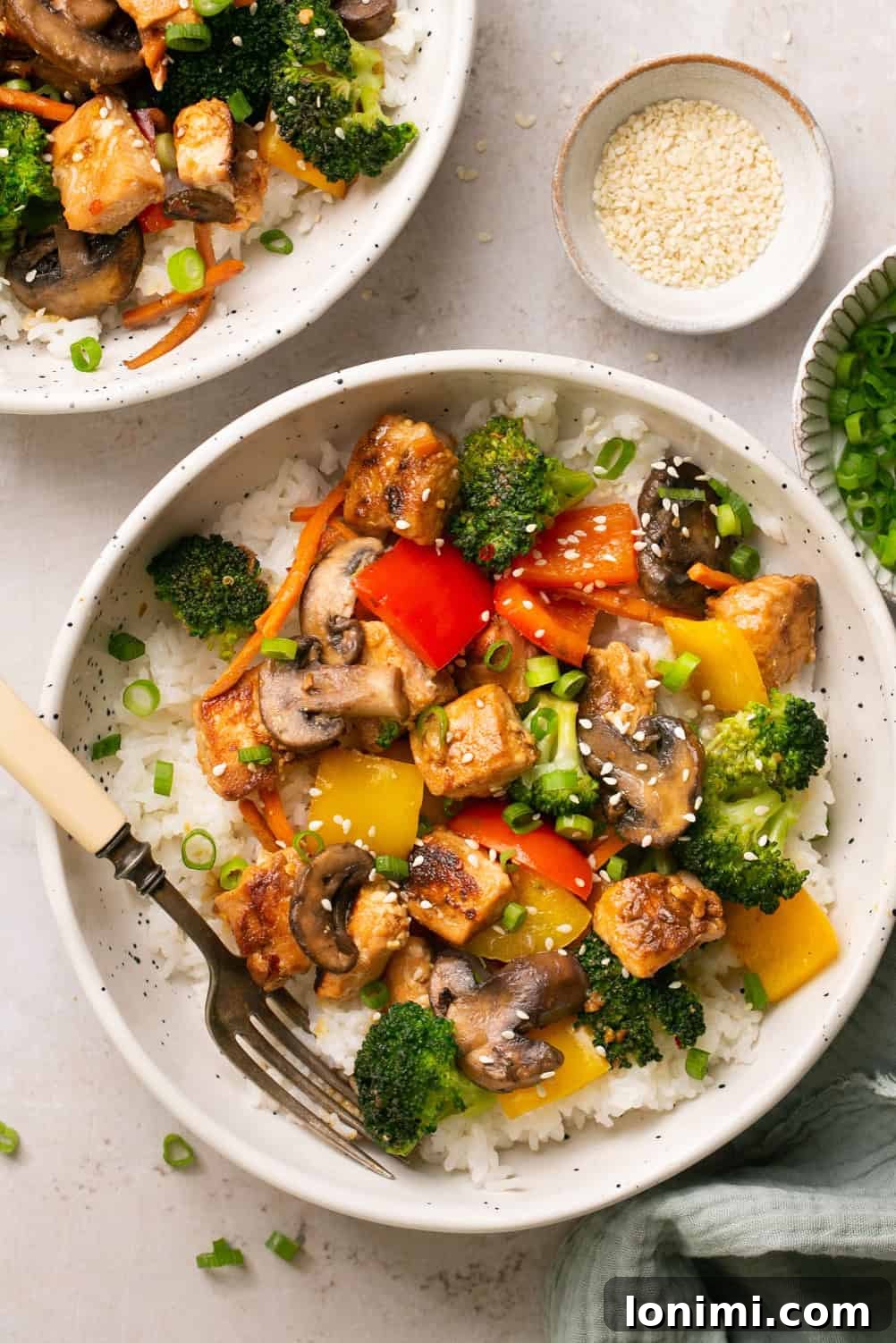
Embark on a culinary journey with this incredible **salmon stir fry**, a perfect solution for a healthy, satisfying weeknight meal. This dish comes together effortlessly, from prep to plate, in under 30 minutes, making it an ideal choice for busy evenings. Imagine succulent, flaky salmon pieces harmoniously combined with crisp, tender vegetables, all coated in a vibrant, homemade gluten-free teriyaki sauce. The result is an ultimate stir-fry experience that is both nourishing and bursting with flavor. Whether you prefer it served over fluffy white rice, light and low-carb cauliflower rice, or your favorite Asian-inspired gluten-free noodles, this recipe promises a delightful and adaptable dinner that the whole family will love.
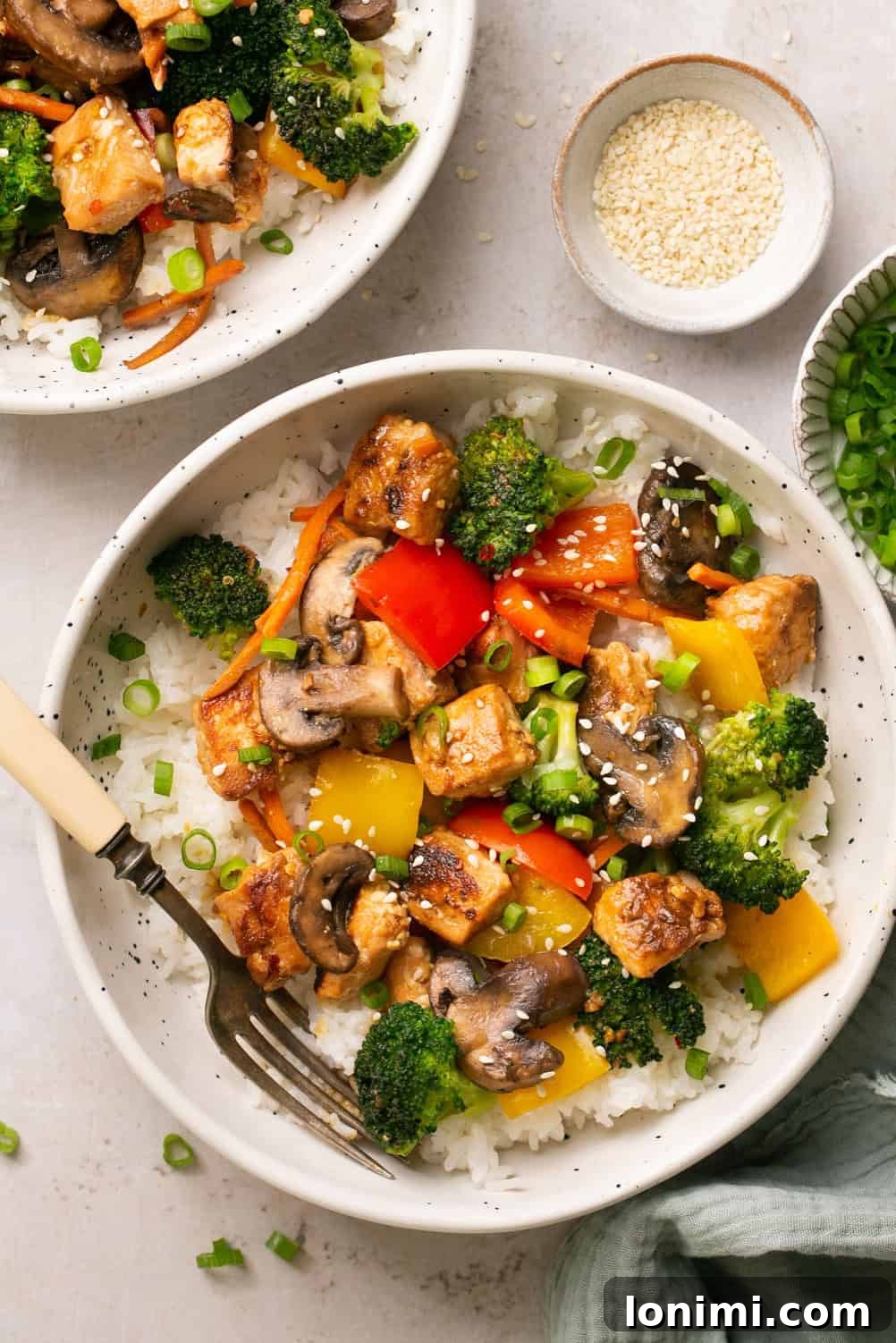
Why This Salmon Stir Fry is a Weeknight Winner
Incorporating salmon into your diet is a fantastic way to boost your health, and this stir fry recipe makes it effortlessly delicious. Salmon is a powerhouse of nutrition, packed with essential omega-3 fatty acids, high-quality protein, and various vitamins and minerals. It cooks remarkably quickly and is incredibly versatile, adapting beautifully to a range of flavors and cooking methods. This particular salmon stir fry stands out as an exceptionally quick and easy weeknight meal, delivering a generous dose of lean protein and a colorful array of vegetables. It’s a meal that not only meets your nutritional needs but also satisfies your taste buds, all within a tight schedule, much like a hearty chicken broccoli stir fry.
In just under 30 minutes, you can create a magnificent stir fry featuring perfectly cooked salmon and a medley of fresh vegetables, all brought to life by an incredible, homemade gluten-free teriyaki sauce. This recipe is a game-changer for families, offering a healthy and appealing way to serve fish that even the pickiest eaters tend to enjoy. Its quick preparation time doesn’t compromise on flavor or nutritional value, making it a staple for busy households seeking wholesome meal solutions.
The adaptability of this salmon stir fry is another key highlight. Customize your meal by serving it over classic white rice for a fulfilling experience, gluten-free noodles for a delightful texture, or embrace a low-carb lifestyle by pairing it with cauliflower rice for a delicious keto-friendly stir fry. While leftovers are rare because it’s so tasty, any portions that do remain are often even more flavorful the next day, making it perfect for meal prepping.
Recipe Highlights: Quick, Healthy & Delicious
- Effortless & Fast: A complete meal ready in under 30 minutes, ideal for busy weeknights.
- Authentic Homemade Sauce: Features a savory, sweet, and tangy gluten-free teriyaki sauce made from scratch.
- Nutrient-Dense: Abundant in lean protein from salmon and a vibrant spectrum of fresh vegetables.
- Family-Friendly: An appealing and delicious way to introduce fish into children’s diets.
- Wholesome & Dietary Compliant: Naturally healthy, delicious, and entirely gluten-free.
- Versatile Serving Options: Easily adapted for various dietary needs, including keto, by swapping starches.
Ingredient Notes: Crafting Your Salmon Stir Fry
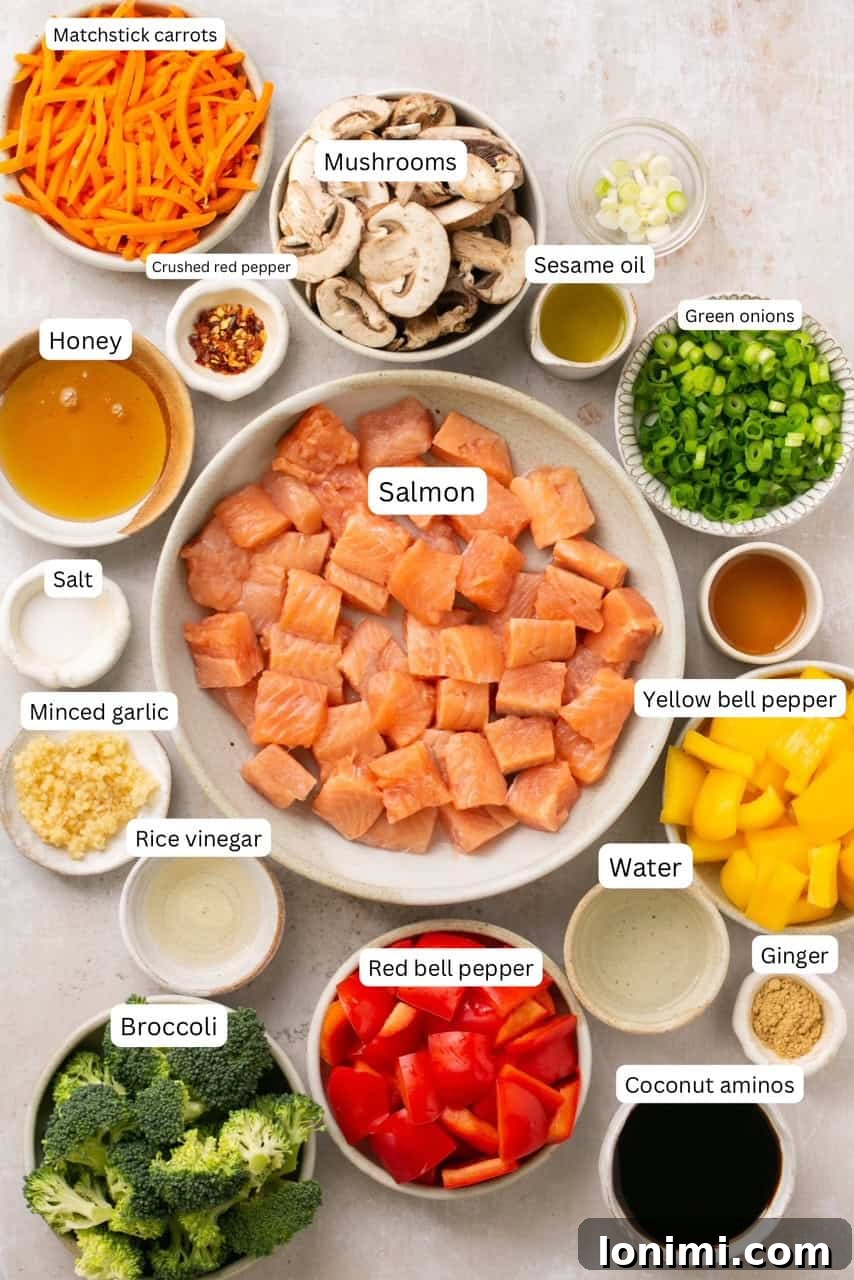
The success of any great stir fry lies in the quality and freshness of its ingredients. Here’s a closer look at what you’ll need to create this fantastic salmon dish, along with some helpful tips and substitutions:
For the Salmon Stir Fry
- Avocado Oil: This oil is fantastic for stir-frying due to its high smoke point, which means it can withstand high heat without breaking down or burning. Its neutral flavor also ensures it won’t overpower the delicate taste of salmon and the teriyaki sauce. If avocado oil isn’t readily available, quality olive oil can be used as a substitute, though be mindful of its slightly lower smoke point.
- Salmon Filets: The star of our dish! Opt for fresh, skinless, boneless salmon fillets for the best results. For ease of cooking and even distribution in the stir fry, cut your fillets into uniform, bite-sized cubes, approximately 1 inch in size. This ensures quick and even cooking, yielding tender, flaky pieces every time. Wild-caught salmon is often preferred for its flavor and nutritional profile, but farmed organic options are also excellent.
- Assorted Vegetables: Our chosen medley includes vibrant bell peppers (red and yellow for color and sweetness), earthy mushrooms, crunchy broccoli florets, and sweet, crisp julienned carrots. Fresh green onions are added for a mild onion flavor and a fresh garnish. This combination offers a delightful texture contrast and a wide range of nutrients. Feel free to customize this selection based on your preferences or what’s in season. Other fantastic additions include snow peas, snap peas, bok choy, water chestnuts, or baby corn for an even richer vegetable profile.
For the Homemade Gluten-Free Teriyaki Sauce
The homemade teriyaki sauce is the heart of this stir fry, providing that irresistible balance of sweet, savory, and tangy notes, all while being completely gluten-free.
- Coconut Aminos: This is a wonderful gluten-free and soy-free alternative to traditional soy sauce. It offers a similar umami depth with a slightly sweeter, milder flavor profile. Another excellent gluten-free soy sauce option is Tamari, which has a richer, more robust flavor closer to conventional soy sauce. I often prefer coconut aminos in this recipe as its subtle sweetness complements the salmon and vegetables beautifully, creating a well-rounded sauce.
- Honey: Adds a natural sweetness that is characteristic of classic teriyaki sauce. If you prefer an alternative sweetener, pure maple syrup works perfectly, offering a similar liquid consistency and natural flavor. Brown sugar can also be used for a more traditional sweetness, though you may need to adjust the quantity based on your desired sweetness level.
- Garlic: Freshly minced garlic is key for a pungent, aromatic base. Aim for three cloves, finely minced, to infuse the sauce with its distinctive flavor. For convenience, pre-minced garlic from a jar can be used, but fresh often provides a more intense aroma.
- Ginger: A crucial component of Asian-inspired sauces, ginger adds a warm, spicy, and fragrant note. While I’ve used powdered ginger for simplicity in this recipe, fresh ginger, finely grated, would elevate the flavor even further. If using fresh, a tablespoon or two should suffice, adjusted to your preference.
- Sesame Oil & Rice Vinegar: These two ingredients are non-negotiable for achieving the authentic flavor profile of a teriyaki sauce. Sesame oil provides a deep, nutty aroma that ties all the flavors together, while rice vinegar adds a bright, essential tanginess that balances the sweetness and richness. If these aren’t already staples in your pantry, you can easily find them in the Asian foods section of most grocery stores. Their distinct flavors are indispensable for this recipe.
- Dijon Mustard: A secret ingredient that adds a subtle tang and emulsifying quality to the sauce, helping to bind the flavors and give it a slight creaminess without being overpowering.
- Crushed Red Pepper: For those who enjoy a hint of heat, crushed red pepper flakes provide a gentle warmth that complements the sweet and savory notes. Adjust the amount to suit your spice preference, or omit entirely for a milder sauce.
- Sea Salt: Essential for enhancing all the other flavors in the sauce. Start with the recommended amount and adjust to taste.
How to Make Salmon Stir Fry: A Step-by-Step Guide
Creating this flavorful salmon stir fry is a straightforward process that yields impressive results. Follow these simple steps for a delicious meal in no time:
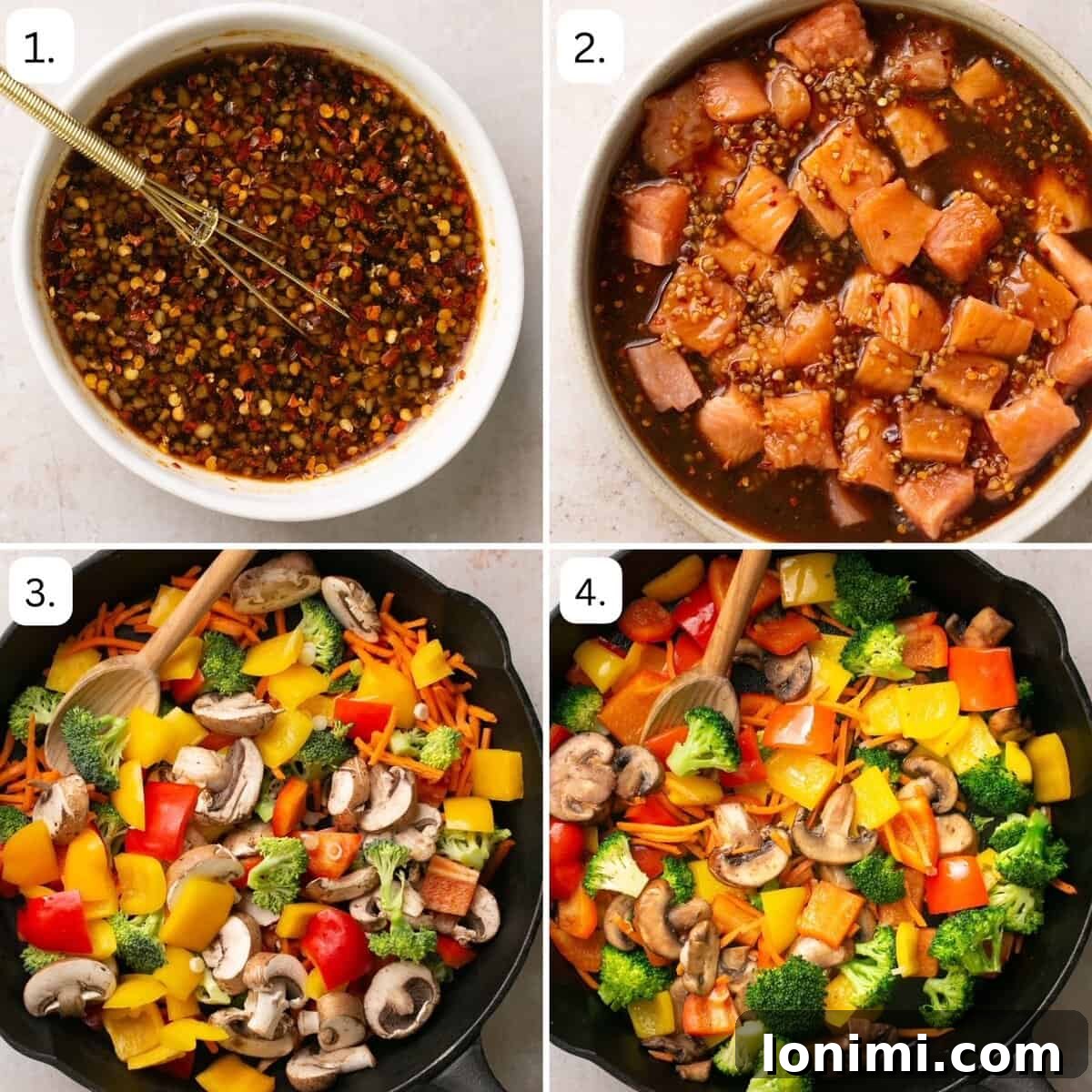
- Prepare Ingredients: Begin by meticulously chopping all your chosen vegetables into uniform, bite-sized pieces to ensure even cooking. Then, cut your salmon fillets into approximately 1-inch cubes. Uniformity in size is key for both the vegetables and salmon.
- Whisk the Teriyaki Sauce: In a medium bowl, combine all the ingredients for the gluten-free teriyaki sauce: coconut aminos, honey (or maple syrup), rice vinegar, sesame oil, minced garlic, powdered ginger, Dijon mustard, crushed red pepper flakes (if using), water, and sea salt. Whisk vigorously until all ingredients are well combined and the sauce is smooth.
- Marinate the Salmon: Place the cubed salmon chunks into a separate bowl. Pour about half of the prepared teriyaki sauce over the salmon, ensuring each piece is lightly coated. Gently toss to combine. Cover the bowl and set it aside in the refrigerator for at least 10-15 minutes, or while you prepare your vegetables. Reserve the remaining sauce for later use.
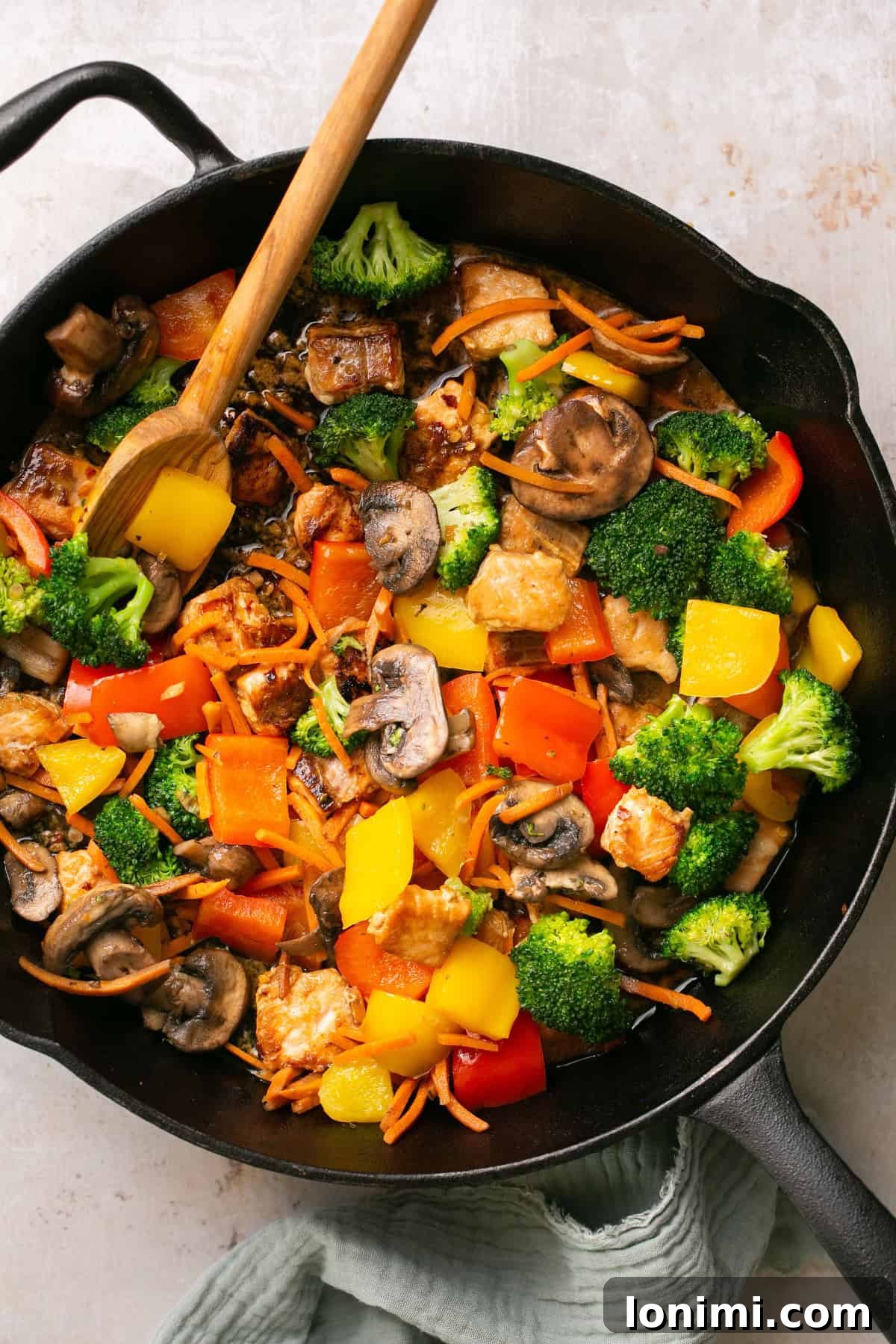
- Sauté the Vegetables: Heat 1 tablespoon of avocado oil (or olive oil) in a large cast iron skillet or a high-quality non-stick pan over medium-high heat. Once the oil is shimmering, add the harder vegetables first, such as bell peppers, carrots, broccoli florets, and the white parts of the green onions. Sauté for 5-7 minutes, stirring frequently, until the vegetables are tender-crisp (al dente) and vibrant. Avoid overcooking them, as you want them to retain a slight bite. Remove the cooked vegetables from the skillet and set them aside on a plate.
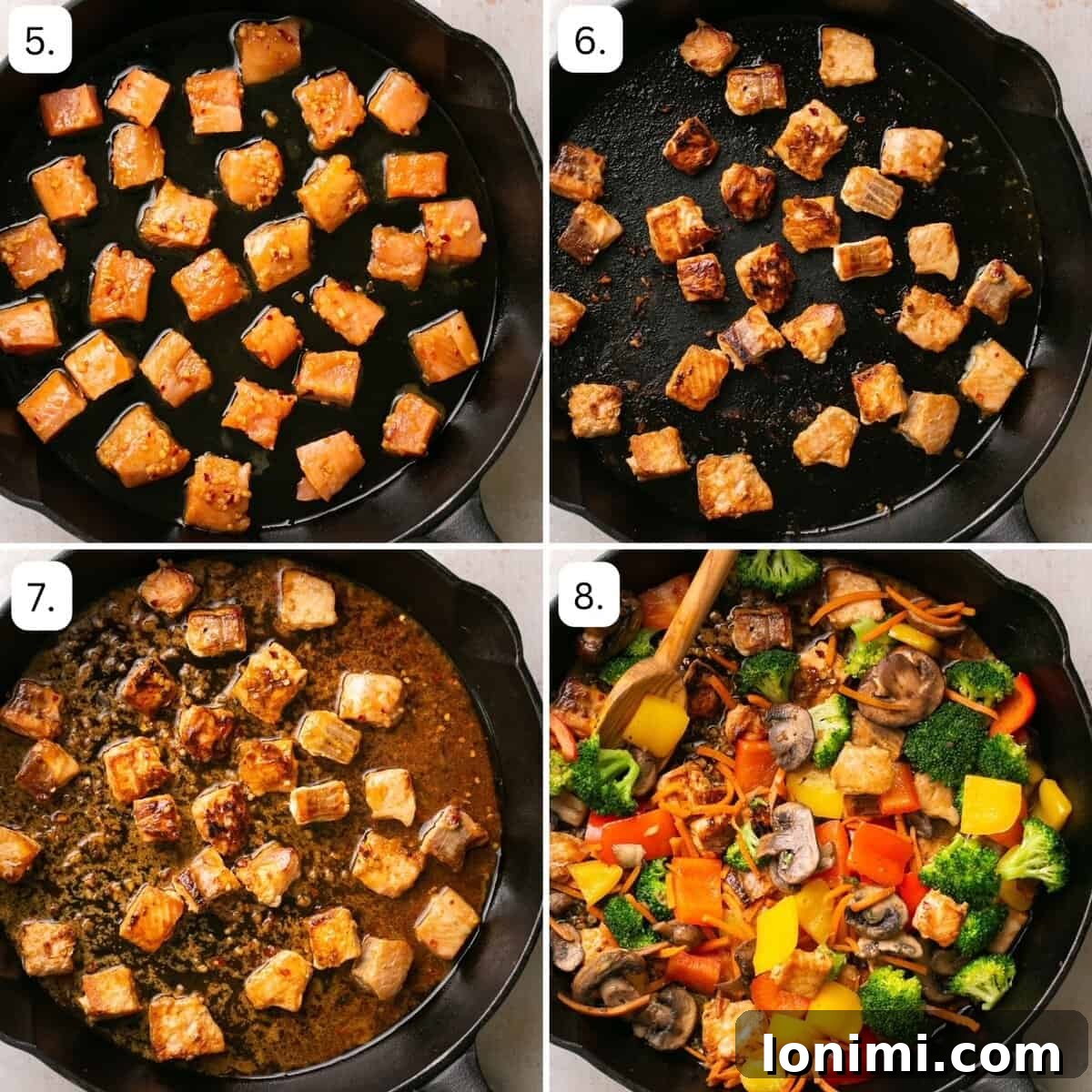
- Cook the Salmon: Add the remaining 1 tablespoon of oil to the same pan and increase the heat slightly if needed. Carefully add the marinated salmon chunks to the hot pan, placing them one by one using tongs to ensure they are not crowded. Keep the remaining sauce that the salmon was marinating in. Cook the salmon for 2-3 minutes on one side without disturbing it. This allows a nice sear to form.
- Flip and Finish Salmon: Using tongs or a very thin metal spatula, carefully flip each salmon piece to the other side. Be gentle to prevent the delicate salmon from flaking apart. Cook for another 2-3 minutes, until the salmon is opaque throughout and flakes easily with a fork. Avoid overcooking, as salmon can become dry.
- Combine & Glaze: Once the salmon is cooked, pour the reserved teriyaki sauce (from the marinating bowl and the extra sauce you saved) into the pan. Immediately add the sautéed vegetables back into the skillet. Gently stir everything together, ensuring the salmon and vegetables are evenly coated with the rich sauce. Cook over medium heat for an additional 2-3 minutes, allowing the sauce to thicken slightly and the flavors to meld beautifully.
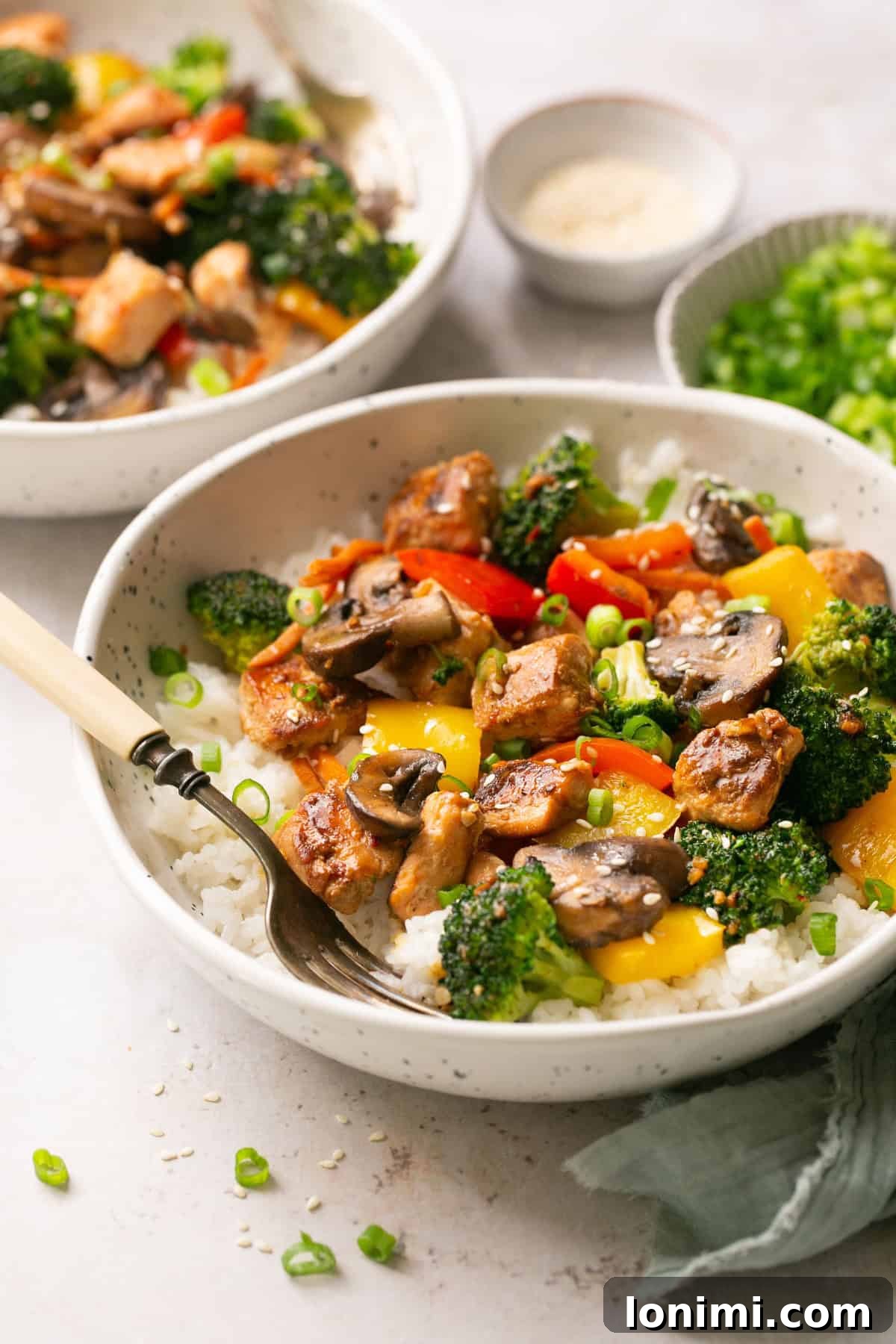
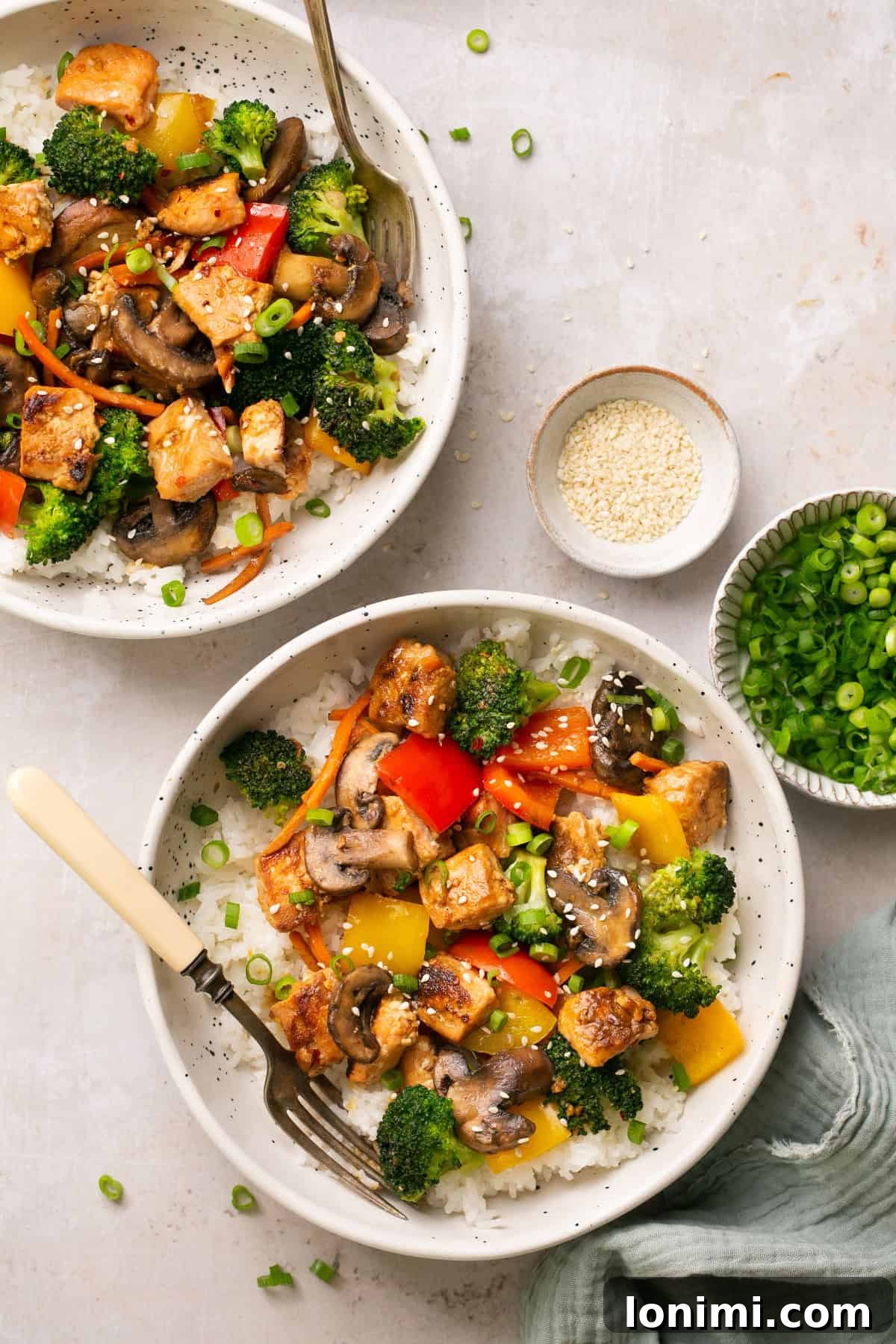
- Serve & Garnish: Transfer the salmon stir fry to serving bowls. Serve immediately over a bed of fluffy white rice, cauliflower rice, or gluten-free noodles. Garnish generously with the diced green parts of the green onions and a sprinkle of sesame seeds for added flavor and visual appeal. Enjoy your freshly made, delicious salmon stir fry!
Expert Tips & Tricks for the Perfect Salmon Stir Fry
Achieving a consistently excellent salmon stir fry involves a few key techniques and considerations. Here are some expert tips to help you master this dish and make it your own:
- Optimal Storage: If you happen to have leftovers (which is rare!), store them properly to maintain freshness and flavor. Place cooled salmon stir fry in an airtight container and refrigerate for up to 3 days. When ready to serve again, making a fresh batch of rice is recommended for the best texture and taste.
- Gentle Reheating: Salmon can easily dry out when reheated. To preserve its delicate texture, reheat leftover stir fry on the stovetop over low to medium heat. Add a splash of water or a tiny bit more coconut aminos to create some steam and prevent sticking. Heat just until warmed through, being careful not to overcook the salmon. The microwave can also be used, but in short bursts to prevent dryness.
- Customizing Spice Level: The beauty of homemade stir fry is the ability to adjust flavors to your liking. If you enjoy a fiery kick, increase the amount of crushed red pepper flakes in the gluten-free teriyaki sauce. For an even more intense heat, consider adding a dash of sriracha or a few slices of fresh chili during the cooking process. If you prefer a completely mild stir fry, simply omit the red pepper flakes entirely.
- Versatile Serving Options: While white rice is a classic pairing, don’t limit yourself! For a heartier meal, serve your stir fry over gluten-free stir fry noodles. To keep it low-carb and keto-friendly, cauliflower rice is an excellent, light alternative. Other creative options include quinoa for added protein, or even lettuce wraps for a fresh, crunchy meal. Garnish with fresh cilantro, a squeeze of lime juice, or additional toasted sesame seeds for an extra layer of flavor and texture.
- Efficient Meal Prep: To make this meal even quicker on busy weeknights, consider some advance preparation. Chop all your vegetables and make the teriyaki sauce a day or two ahead of time. Store them separately in airtight containers in the refrigerator. When it’s time to cook, all you’ll need to do is cut the salmon and follow the cooking steps, significantly reducing your active cooking time.
- Perfectly Cooked Salmon: The key to tender, moist salmon is to avoid overcooking. Salmon is done when it easily flakes with a fork and reaches an internal temperature of 145°F (63°C). The quick cooking time in a stir fry means it can go from perfectly cooked to dry very quickly, so keep a close eye on it.
- Don’t Overcrowd the Pan: When cooking the salmon and vegetables, it’s crucial not to overcrowd your skillet. Cooking in batches, if necessary, allows ingredients to sear and brown properly instead of steaming. This ensures better texture and flavor development.
Recipe FAQs: All Your Salmon Stir Fry Questions Answered
Here are answers to some commonly asked questions about making this delicious salmon stir fry:
Is this salmon stir fry recipe healthy?
Absolutely! This salmon stir fry is incredibly healthy. It’s packed with high-quality protein from the salmon, which is rich in beneficial omega-3 fatty acids, and a generous serving of essential vitamins and minerals from the colorful array of fresh vegetables. You can easily adjust its carb content by serving it over white rice to add complex carbohydrates, or choose cauliflower rice to maintain a keto-friendly and low-carb profile. It’s a balanced meal designed for wellness.
What is the best salmon to use for stir fry?
For the best flavor and nutritional benefits, I always recommend using wild-caught salmon. Wild salmon typically has a richer flavor and is often leaner. If wild-caught salmon isn’t available, or if you prefer farmed options, always choose organic, sustainably farmed varieties to ensure the highest quality and responsible sourcing.
How can I tell when my salmon is cooked through?
Salmon cooks quite quickly, especially when cut into cubes for stir fry. The easiest way to tell if it’s perfectly cooked is when it turns opaque throughout and begins to flake easily with a fork. Be careful not to overcook it, as salmon can quickly become dry if left on the heat for too long. A good internal temperature to aim for is 145°F (63°C).
Do I need to use corn starch or another thickener for this sauce?
No, there is no need for a thickener like corn starch for this particular gluten-free teriyaki sauce recipe. The combination of ingredients, including honey and coconut aminos, naturally creates a glaze-like consistency that perfectly coats the salmon and vegetables without needing additional starch. It provides a lovely sheen and rich flavor.
Can I use frozen salmon for this recipe?
Yes, you can certainly use frozen salmon for this stir fry. It’s a convenient option, especially if fresh salmon isn’t readily available. Ensure you thaw the salmon completely before cutting it into cubes and cooking. Pat it dry thoroughly with paper towels to remove any excess moisture, which will help achieve a better sear and prevent the stir fry from becoming watery.
How do I prevent my stir fry from becoming soggy?
To avoid a soggy stir fry, there are a few key tips: First, ensure your pan is very hot before adding ingredients. Second, don’t overcrowd the pan; cook vegetables and salmon in batches if necessary, allowing them to sear rather than steam. Third, pat your salmon dry before cooking to remove surface moisture. Finally, add the sauce only at the very end of cooking, just enough to coat, and cook for only a few minutes until it thickens slightly.
Can I make this stir fry vegetarian or vegan?
Absolutely! This recipe can easily be adapted for vegetarian or vegan diets. Simply substitute the salmon with firm tofu or tempeh, cut into cubes and pressed to remove excess water. Marinate the tofu/tempeh in the teriyaki sauce as you would the salmon. You can also add more vegetables or plant-based protein alternatives like edamame. Ensure your honey is swapped for maple syrup if following a strict vegan diet.
You’ll Love These Other Salmon Recipes…
If you’re a fan of delicious salmon, explore these other fantastic recipes:
Thai Curry Salmon
Easy Garlic Herb Baked Salmon
Southwest Keto Salmon Patties
Blackened Salmon Tacos
Love this recipe? Please leave a 5-star 🌟🌟🌟🌟🌟 rating in the recipe card below & a review in the comment section. Or, follow me on Facebook, Pinterest or Instagram today!
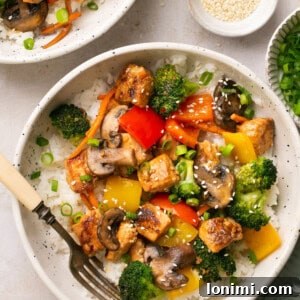
30 Minute Salmon Stir Fry with Gluten-Free Teriyaki Sauce
Mary Smith
10 mins
18 mins
28 mins
4 people
This salmon stir fry is an easy, healthy weeknight meal that is prepped and ready in under 30 minutes. Tender veggies, flaky salmon, and a flavorful homemade gluten-free teriyaki sauce come together to make the ultimate stir fry dinner. Serve over white rice, cauliflower rice, or your favorite Asian-inspired noodles.
Equipment
- 1 large cast iron pan or non-stick skillet
Ingredients
- 2 tbsp olive oil or avocado oil
- 16 oz skinless, boneless salmon fillets, cut into 1-inch cubes
- 1 red bell pepper, cut into 1-inch pieces
- 1 yellow bell pepper, cut into 1-inch pieces
- 1 cup sliced mushrooms
- 1 cup broccoli florets
- 1 cup julienned carrot slices
- 3 green onions, diced, whites and greens separated
Teriyaki Sauce
- ⅓ cup coconut aminos
- 2 tsp rice vinegar
- 1 tsp sesame oil
- 2 tbsp water
- 2 tbsp honey, or maple syrup
- 3 cloves garlic, minced
- ½ tsp powdered ginger
- 1 tsp dijon mustard
- ½ tsp crushed red pepper (optional, for spice)
- ½ tsp sea salt, more to taste
- Sesame seeds, for optional topping
Instructions
- Chop all of your veggies and salmon into uniform, bite-sized pieces.
- In a bowl, mix all teriyaki sauce ingredients together until well combined.
- Add the salmon chunks to a separate bowl and pour about half of the sauce over top. Toss gently to coat. Set in the fridge until ready to use. Reserve the remaining sauce.
- Heat 1 tbsp oil in a large cast iron or non-stick skillet over medium-high heat. Add the bell peppers, carrots, broccoli, mushrooms, and the white parts of the green onions. Sauté for 5-7 minutes, stirring frequently, until tender-crisp. Remove veggies and set aside.
- Add the remaining 1 tbsp oil to the pan. Add the marinated salmon chunks one by one, ensuring they are not crowded. Save any remaining marinade in the bowl.
- Cook the salmon cubes for 2-3 minutes without touching them to allow a sear to form. Carefully flip the pieces using tongs or a metal spatula and cook for another 2-3 minutes, until opaque and flaky.
- Pour the reserved teriyaki sauce (including any remaining marinade) into the pan, followed by the sautéed veggies. Gently stir everything together to coat and cook over medium heat for 2-3 additional minutes, allowing the sauce to thicken slightly.
- Serve immediately with white rice, cauliflower rice, or noodles, and top with diced green onions and sesame seeds. Enjoy!
Notes
Storage: Store leftover salmon stir fry in an airtight container in the refrigerator for up to 3 days. Prepare fresh rice when serving for optimal taste and texture.
Reheating: Reheat on the stovetop over low to medium heat, adding a splash of water if needed, to prevent the salmon from drying out. Be careful not to overcook the salmon during reheating.
Spice Level: Adjust the heat by modifying the amount of crushed red pepper flakes in the teriyaki sauce. Increase for a spicier kick, or omit for a milder flavor profile.
Serving: This stir fry is wonderfully versatile. Serve it over plain white rice, gluten-free stir fry noodles, or for a low-carb and keto option, serve it over cauliflower rice.
Nutrition Information
All nutrition facts are an estimate and automatically calculated. While I fact check them using My Fitness Pal, please note that they may not always be 100% accurate and depend on ingredients used. Weigh your total and divide by the number of servings for the most accurate grams per serving size.
Did you make this?
Rate & comment below, and tag me on Instagram @maryswholelife