
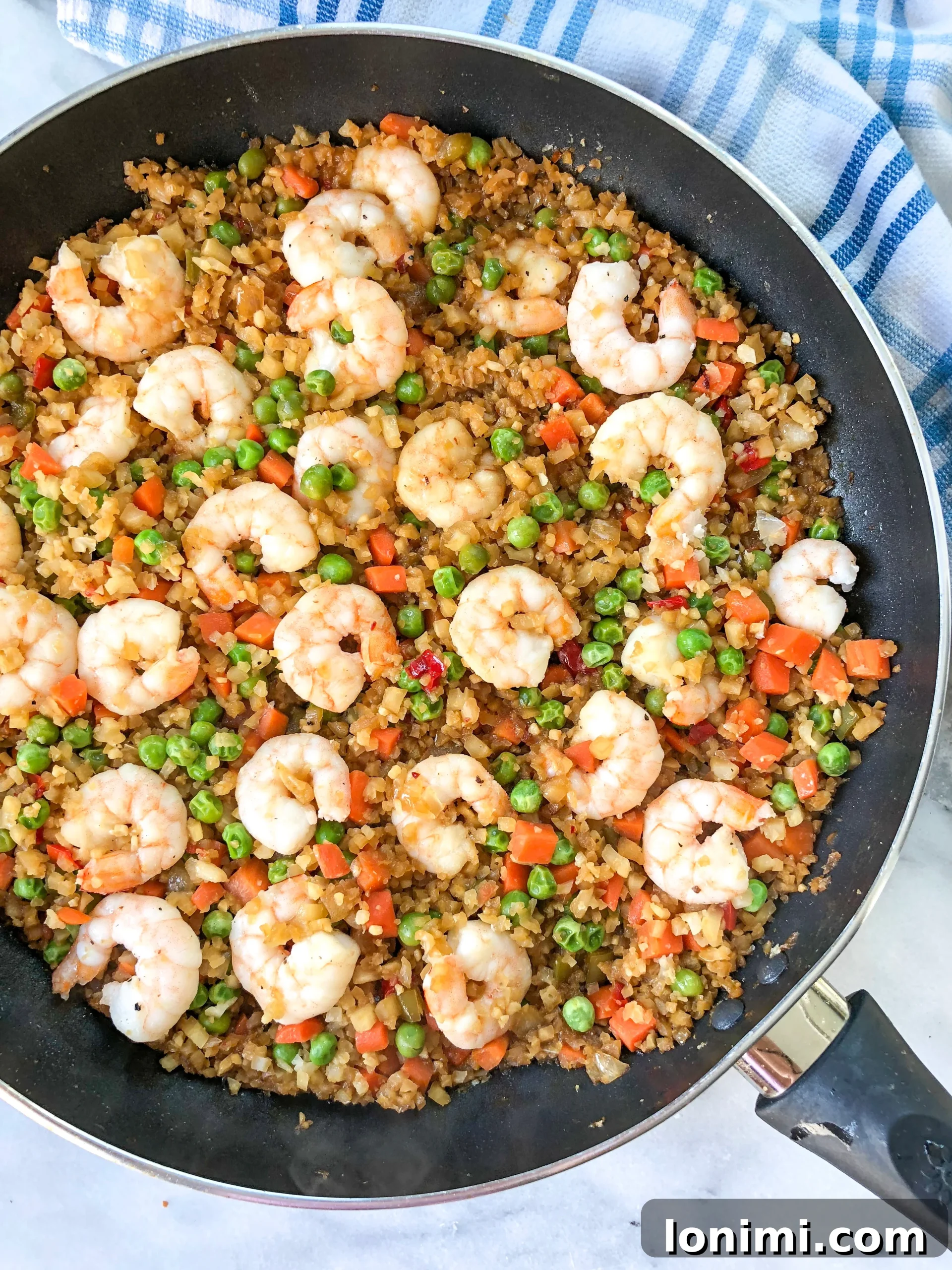
This Paleo Shrimp Fried Rice is a delicious, healthier version of your favorite takeout food and comes together in just 15 minutes! Gluten free, dairy free, grain free.
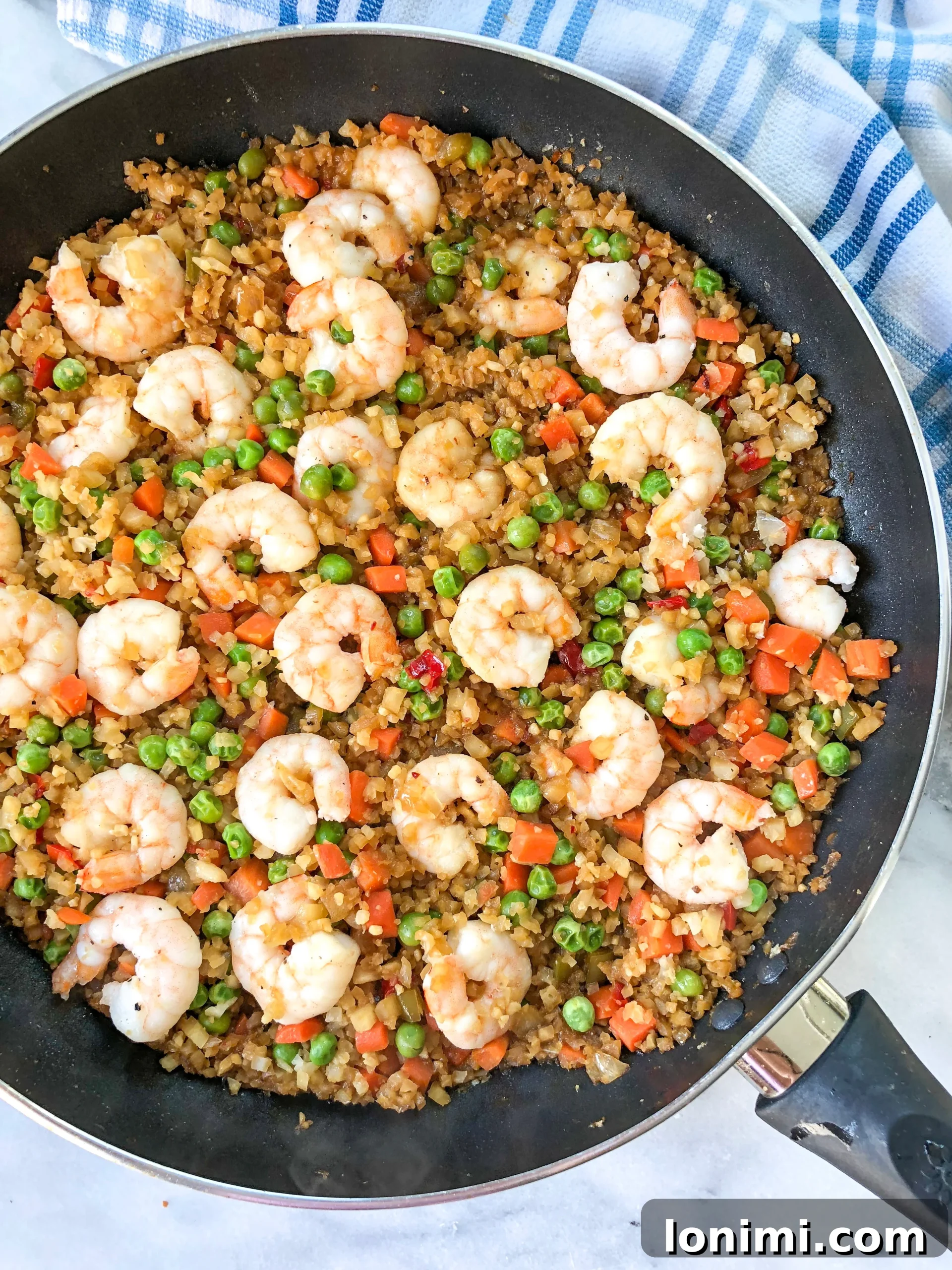
Paleo Shrimp Fried Rice: Your Ultimate Healthy Takeout Fix!
Do you ever find yourself yearning for the savory, comforting flavors of classic fried rice, but hesitate because of dietary restrictions or concerns about unhealthy ingredients? You’re not alone! Many traditional Chinese takeout dishes, while incredibly delicious, often contain gluten, soy, dairy, or other ingredients that don’t align with a paleo or Whole30 lifestyle. The good news is, you don’t have to miss out on your favorite flavors anymore! This Paleo Shrimp Fried Rice recipe is here to save your weeknights, offering a gluten-free, dairy-free, and grain-free alternative that’s packed with flavor and incredibly easy to make.
Imagine whipping up a full, satisfying meal in just 15 minutes. Yes, you read that right! This recipe is designed for busy individuals and families who crave quick, nutritious, and incredibly tasty food without compromising on their health goals. Using readily available ingredients, you can transform your kitchen into a healthy takeout haven, enjoying a meal that rivals your favorite restaurant dish – but with a wholesome twist. This dish is not just a meal; it’s a convenient, flavorful solution for those seeking to maintain a clean eating lifestyle without sacrificing taste or time.
Why Choose Paleo Shrimp Fried Rice?
Beyond being a fantastic quick meal, this healthy fried rice offers numerous benefits for those following specific dietary paths or simply looking for a cleaner eating option:
- Gluten-Free & Grain-Free: Say goodbye to traditional rice and hello to nutrient-dense cauliflower rice. This makes the dish perfect for anyone with gluten sensitivities, celiac disease, or those following a paleo diet to reduce grain intake. Cauliflower rice is an excellent low-carb alternative that mimics the texture of regular rice beautifully, without the inflammatory properties often associated with grains.
- Dairy-Free: Many Asian dishes are naturally dairy-free, and this recipe is no exception, ensuring it fits seamlessly into a dairy-free eating plan without any special substitutions or concerns.
- Whole30 Compliant: If you’re on a Whole30 reset, this recipe is a fantastic go-to. It strictly adheres to Whole30 guidelines, avoiding sugar, grains, legumes, and dairy, making it a delicious and compliant meal that supports your health goals.
- Soy-Free & MSG-Free: Instead of soy sauce, we utilize coconut aminos, a fantastic, naturally sweet, and savory alternative that is completely soy-free. This thoughtful substitution also ensures you steer clear of any added MSG, commonly found in commercial fried rice, offering a cleaner, more natural flavor profile.
- Quick & Easy: With an estimated prep time of just 5 minutes and a cook time of 15 minutes, this recipe is genuinely faster than ordering takeout and waiting for delivery. It’s the ultimate solution for busy weeknights when you need a wholesome, satisfying dinner on the table without a fuss.
- Packed with Vegetables: Loaded with fresh or frozen cauliflower, carrots, peas, onion, and garlic, this dish is a delicious and effortless way to significantly boost your daily vegetable intake, contributing to overall health and well-being.
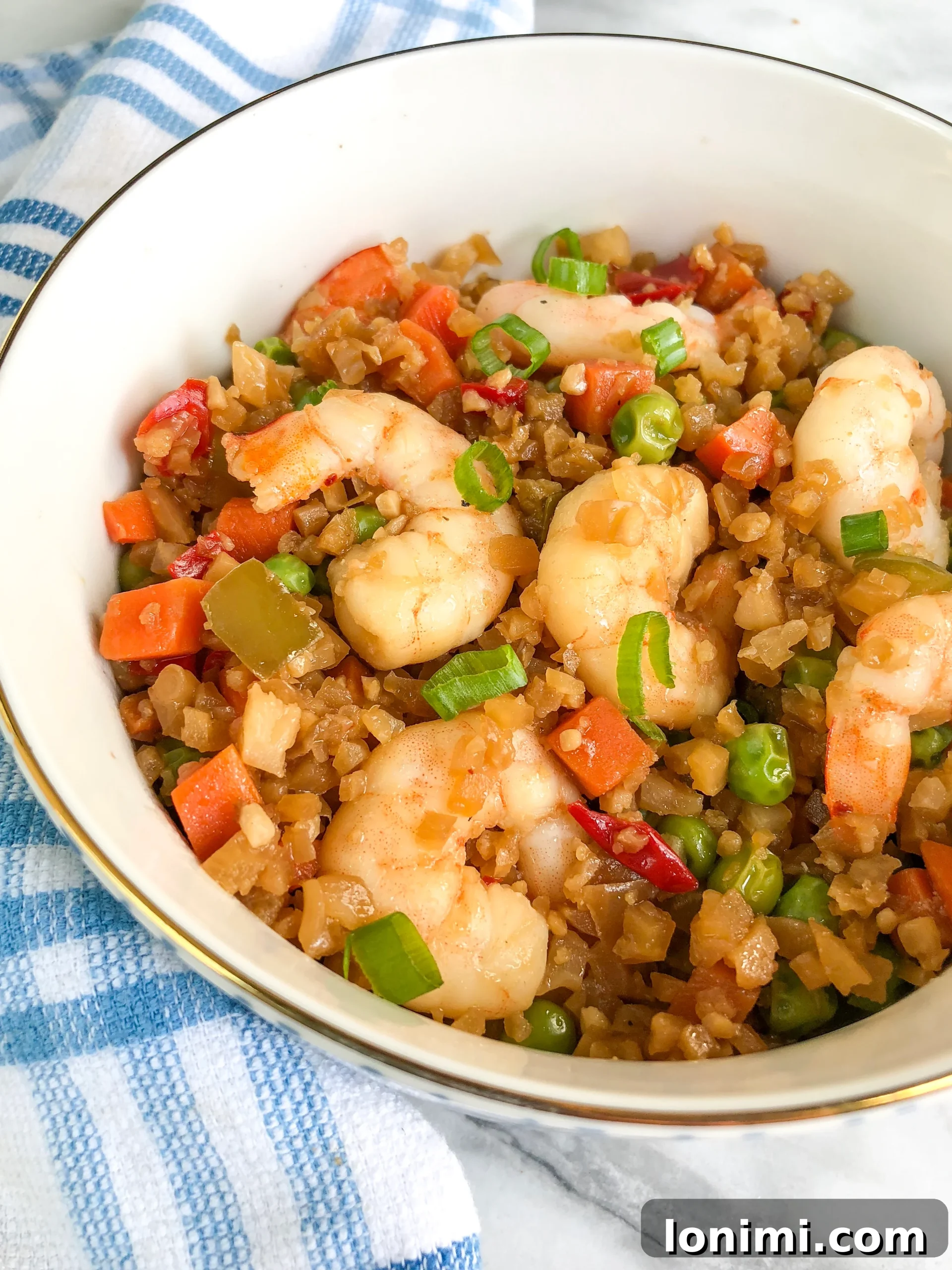
Essential Ingredients for Your Paleo Shrimp Fried Rice
One of the best aspects of this Paleo Shrimp Fried Rice recipe is its simplicity and flexibility. You’ll find most of these ingredients readily available at your local grocery store, making it an accessible option for any home cook. Here’s a closer look at what you’ll need to create this culinary delight:
- Frozen Cauliflower Rice: This is the star ingredient replacing traditional rice. We highly recommend using frozen cauliflower rice over fresh, as it tends to hold its texture better and doesn’t get as mushy when sautéed. This results in a perfectly “fried” rice consistency, adding a light, fluffy base to your dish. You’ll need two 12 oz bags for a hearty, family-sized serving.
- Frozen Carrot and Pea Mix: A classic fried rice staple, this mix adds both vibrant color and a touch of natural sweetness to the dish. A 12 oz bag is ideal for this recipe. You have the flexibility to add more or substitute with fresh chopped carrots and peas if you prefer a different texture or have them on hand.
- Onion and Garlic: These form the aromatic foundation of any good fried rice. Half a diced onion and two minced cloves of garlic provide essential depth and pungency, creating a base of flavor that’s both robust and inviting.
- Shrimp: One pound of frozen or fresh shrimp is recommended. If opting for frozen, ensure it’s raw and tail-on for optimal flavor and a more appealing presentation. A quick and easy method for thawing is to place the shrimp in a colander under cold running water for a few minutes. Many enjoy the quality of raw, tail-on frozen shrimp from stores like Trader Joe’s, which works wonderfully for this recipe.
- Egg: A single egg adds a lovely richness and boosts the protein content of the dish. While I personally adore the texture and flavor the egg brings, I sometimes prepare the children’s portions without it, as some younger palates can be a bit selective. Rest assured, the dish remains incredibly flavorful and satisfying with or without this optional addition.
- Sesame Oil: This ingredient is absolutely essential for imparting that authentic fried rice aroma and savory depth. You’ll use 2 tablespoons, divided: one for cooking the shrimp and the other for sautéing the vegetables, ensuring even distribution of its distinctive nutty flavor.
The Flavor-Packed Paleo Sauce
The sauce is what truly elevates this gluten-free fried rice, delivering a savory, slightly sweet, and tangy profile without any soy or unhealthy additives. Each component plays a crucial role in creating a well-rounded and delicious flavor:
- Coconut Aminos: This is your indispensable soy sauce alternative. It’s naturally gluten-free, soy-free, and boasts a wonderful umami flavor with a hint of sweetness, making it perfect for paleo Asian recipes. If you’re a Costco member, keep an eye out for their large bottles – it’s a fantastic value for an ingredient you’ll find yourself using frequently in healthy cooking. You’ll need ¼ cup to achieve the desired balance.
- Rice Vinegar: A touch of acidity is crucial to brighten and balance the rich flavors of the dish. Just 1 teaspoon of rice vinegar is enough to provide that subtle tang without overpowering the other ingredients.
- Ground Ginger: This spice provides a warm, slightly zesty kick that is characteristic of Asian-inspired cuisine. 1 teaspoon of ground ginger works perfectly, or for a more potent and fresh flavor, consider using 1 tablespoon of freshly grated ginger.
- Red Pepper Flakes: For those who appreciate a hint of heat, ½ teaspoon of red pepper flakes is suggested. This can be easily adjusted to match your personal preferred spice level – add more for an extra fiery kick, or less for a milder experience.
- Fish Sauce: This ingredient is a secret weapon for authentic flavor and should not be skipped! ½ teaspoon of fish sauce adds an incredible depth of umami, truly mimicking that savory takeout flavor without being overpowering. It’s a key component in many Whole30 compliant Asian dishes that require that complex, savory note.
Finally, a generous sprinkle of chopped green onions for garnish adds a fresh, crisp finish, a pleasant textural contrast, and a vibrant pop of color just before serving, making the dish as appealing to the eye as it is to the palate.
Crafting Your Quick & Easy Paleo Shrimp Fried Rice: Step-by-Step
Making this 15-minute healthy meal is incredibly straightforward and designed to be efficient for even the busiest schedules. Follow these detailed steps to achieve a perfectly cooked, flavorful dish that will quickly become a family favorite:
- Prepare the Shrimp: Begin by thawing your frozen shrimp. Place them in a colander under cold running water; they should thaw in just a few minutes. Once thawed, carefully remove the tails if they are still attached. It’s crucial to then pat the shrimp thoroughly dry with paper towels. This step helps ensure they sear properly and develop a nice golden crust rather than steaming in the pan. Season the shrimp lightly with salt and freshly ground black pepper on both sides.
- Sear the Shrimp to Perfection: Heat a large skillet or a wok over medium-high heat. Add 1 tablespoon of sesame oil to the hot pan. Once the oil is shimmering and visibly hot, add the seasoned shrimp in a single layer. Avoid overcrowding the pan; if necessary, cook the shrimp in two batches. Cook for approximately 2 minutes per side, just until they turn a vibrant pink and become opaque. Be vigilant and careful not to overcook the shrimp, as they can quickly become rubbery and lose their tender texture. Once cooked, remove the shrimp from the pan and set them aside on a clean plate.
- Sauté the Aromatic Vegetables: Add the remaining 1 tablespoon of sesame oil to the same skillet. Introduce the frozen cauliflower rice, frozen carrot and pea mix, finely diced onion, and minced garlic to the pan. Sauté the vegetables for 5-7 minutes, stirring occasionally. Your goal is for the vegetables to be heated through and tender-crisp, retaining a slight bite. Overcooking can lead to soggy vegetables, which can detract from the overall texture of your fried rice.
- Scramble the Egg with Ease: Create an open space in the pan by pushing the sautéed vegetables to one side. Crack the large egg directly into this cleared area. Using your spatula, quickly scramble and cook the egg until it is just set and forms small curds. Once cooked, gently mix the scrambled egg into the rest of the vibrant vegetable mixture, distributing it evenly throughout the dish.
- Combine and Introduce the Flavorful Sauce: Return the perfectly seared shrimp to the pan, nestling them among the vegetable and egg mixture. Now, pour in all of your pre-prepared sauce ingredients: the ¼ cup of coconut aminos, 1 teaspoon of rice vinegar, 1 teaspoon of ground ginger, ½ teaspoon of red pepper flakes, and ½ teaspoon of fish sauce. Stir everything together thoroughly, ensuring that all the shrimp and vegetables are well coated with the savory sauce.
- Finish Cooking and Reduce Liquid: Continue to stir and cook the entire mixture over medium-high heat for an additional 2-3 minutes. This crucial step allows any excess liquid from the sauce or the frozen vegetables to cook off, which concentrates the flavors and helps to achieve that desirable, slightly dry, and authentic fried rice texture. This ensures your Paleo Shrimp Fried Rice isn’t watery.
- Serve and Garnish for Enjoyment: Once the liquid has cooked off and the dish is wonderfully fragrant and perfectly textured, remove it from the heat. Divide the Paleo Shrimp Fried Rice among your serving bowls. Garnish generously with freshly chopped green onions, which add a final burst of freshness and a touch of color. Serve immediately and savor every delicious, healthy bite of your homemade creation!
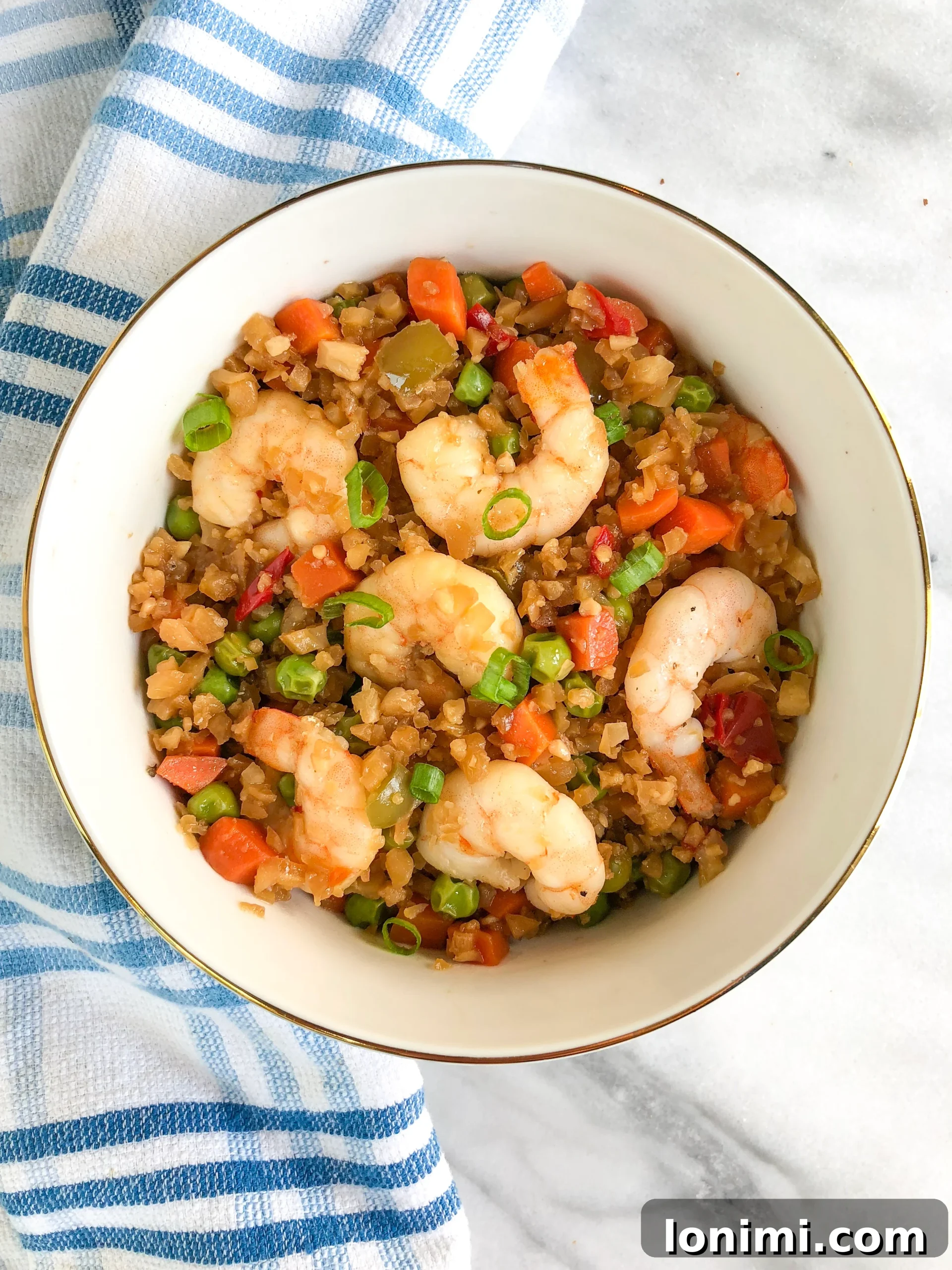
Tips for the Perfect Paleo Shrimp Fried Rice
To ensure your homemade fried rice turns out perfectly every single time, achieving that ideal balance of flavor and texture, keep these expert tips in mind:
- Don’t Overcrowd the Pan: This is a golden rule for stir-fries and fried rice. If you add too many ingredients to the pan at once, they will steam instead of stir-fry, leading to a soggy result. Cook the shrimp in batches if necessary, and ensure there’s enough space for the vegetables to sauté properly. This technique helps achieve that desirable, slightly charred, stir-fried texture.
- High Heat is Key: Authentic fried rice truly benefits from high heat. A hot skillet quickly cooks the ingredients, developing rich flavors and creating a slight caramelization or “wok hei” effect. Always ensure your skillet or wok is hot and shimmering before you add any ingredients to it.
- Pat Shrimp Dry: Excess moisture on the shrimp can prevent them from searing properly, resulting in a less desirable texture and potentially making your dish watery. After thawing, always pat the shrimp thoroughly dry with paper towels to remove any surface moisture.
- Frozen Cauliflower Rice Advantage: As highlighted earlier, using frozen cauliflower rice often yields a superior texture compared to fresh. Frozen varieties tend to be less watery and hold their structure better during cooking, preventing the mushiness that can sometimes occur with fresh cauliflower rice.
- Taste and Adjust Seasoning: Before you serve your fried rice, always take a moment to taste it and adjust the seasonings as needed. You might find it benefits from a pinch more salt, an extra dash of coconut aminos for umami, or an additional sprinkle of red pepper flakes if you prefer more heat. Personalize it to your palate!
- Fresh Ginger & Garlic Enhancement: While ground ginger and minced garlic are perfectly acceptable and convenient, using fresh ginger (finely grated or minced) and fresh garlic (finely minced) will undeniably elevate the flavor profile of your dish even further, adding a brighter, more pungent aroma.
Variations & Customizations
This healthy takeout alternative is incredibly versatile, making it easy to adapt to your preferences or whatever ingredients you have on hand. Feel free to experiment with these creative ideas to make it your own:
- Protein Power-Up: While succulent shrimp is fantastic, you can easily substitute or add other paleo-friendly proteins. Diced and cooked chicken breast, thinly sliced beef (like flank steak or sirloin), or even pan-fried tofu (if you incorporate soy into your diet) would all work wonderfully, offering different textures and flavors.
- Veggie Boost: Don’t limit yourself to just carrots and peas! This dish is a perfect canvas for a wider array of vegetables. Consider adding colorful sliced bell peppers, crisp broccoli florets, earthy mushrooms, tender snap peas, or chopped bok choy for extra nutrition, varying textures, and enhanced flavor.
- Spice it Up: For those who truly love heat, there are several ways to turn up the spice. Increase the amount of red pepper flakes, or for a different kind of kick, add a dash of sriracha (always check for paleo compliance if you’re on Whole30, as some brands contain sugar) or a pinch of cayenne pepper directly to the sauce.
- Herbaceous Twist: Fresh herbs can add a wonderful aromatic touch. A sprinkle of fresh cilantro, chopped basil, or even a few mint leaves as a final garnish can brighten the dish and add an unexpected layer of flavor.
- Nutty Crunch: For a delightful textural contrast, consider adding a sprinkle of toasted sesame seeds or chopped cashews (note: while cashews are paleo, they are not Whole30 compliant due to being a legume). These additions bring a pleasant crunch and nutty flavor.
Serving Suggestions for Your Paleo Shrimp Fried Rice
This quick paleo dinner is a complete and satisfying meal on its own, offering a perfect balance of protein, vegetables, and healthy fats. However, if you wish to round out your plate or serve it for a larger gathering, here are a few delightful pairing ideas:
- Fresh Green Salad: A simple side salad, tossed with a light ginger-sesame vinaigrette, offers a refreshing contrast and complements the savory flavors of the fried rice beautifully.
- Steamed Vegetables: For an extra boost of greens and nutrients, serve alongside a portion of steamed broccoli, tender asparagus, or crisp green beans. These add lightness without overwhelming the main dish.
- Creamy Avocado Slices: A few slices of creamy avocado, either on the side or gently folded into the fried rice at the very end, add healthy monounsaturated fats and a lovely, smooth texture that contrasts with the stir-fried elements.
- Paleo Egg Rolls: If you’re feeling ambitious and truly want to recreate a full healthy takeout experience, pair your fried rice with homemade paleo egg rolls. There are many fantastic recipes available that use compliant wrappers and fillings.
Storage and Meal Prep
This gluten-free shrimp recipe is not only quick to make but also excellent for meal prepping, ensuring you have healthy, delicious meals ready to go throughout the week! You can store any leftovers in an airtight container in the refrigerator for up to 3-4 days. To reheat, the best methods are:
- Skillet: Reheat in a non-stick skillet over medium heat, stirring occasionally, until thoroughly warmed. This method helps retain some of the “fried” texture.
- Microwave: For a quicker option, reheat in the microwave in 1-2 minute intervals, stirring in between, until hot.
If the fried rice seems a little dry after being refrigerated, simply add a tiny splash of water, chicken broth, or extra coconut aminos during reheating to restore moisture and flavor.
Paleo Shrimp Fried Rice Recipe Card
A Whole30 & grain free version of your favorite Chinese takeout dish – gluten free, soy free, and MSG free! This recipe serves 4 people.
By: Mary Smith
- Prep Time: 5 mins
- Cook Time: 15 mins
- Total Time: 20 mins
- Yield: 4 people
Print Recipe
Ingredients
- 2 (12 oz bags) frozen cauliflower rice (preferred over fresh for texture!)
- 12 oz frozen carrot/peas mix
- ½ onion, diced
- 2 cloves garlic, minced
- 1 large egg
- 1 lb frozen (or fresh) shrimp, raw & tail-on (Trader Joe’s has great options)
- 2 tbsp sesame oil, divided
- 1 tsp rice vinegar
- 1 tsp ground ginger
- ½ tsp red pepper flakes (adjust to taste)
- ½ tsp fish sauce (for authentic umami!)
- ¼ cup coconut aminos (soy-free alternative)
- Chopped green onions, for garnish
Instructions
- Prepare Shrimp: Thaw shrimp under cold running water and remove tails. Pat dry. Heat a large skillet over medium-high heat. Add 1 tbsp sesame oil. When hot, add shrimp and cook for approximately 2 minutes per side, seasoning with a bit of salt & pepper. Remove shrimp from the pan and set aside.
- Sauté Vegetables: Add the remaining 1 tbsp sesame oil to the same pan. Add the frozen cauliflower rice, carrots, peas, diced onion, and minced garlic. Sauté for 5-7 minutes, stirring occasionally, until vegetables are heated through and tender-crisp.
- Scramble Egg & Combine: Push the vegetables to one side of the pan to create an open space. Crack the egg into this space and quickly scramble it with a spatula until cooked through. Mix the scrambled egg into the vegetables. Add the cooked shrimp back into the pan.
- Add Sauce: Pour in the sauce ingredients: coconut aminos, rice vinegar, ground ginger, red pepper flakes, and fish sauce. Stir everything together until thoroughly combined and all ingredients are coated.
- Finish Cooking: Continue to stir and cook over medium-high heat for an additional 2-3 minutes, allowing any excess liquid to cook off.
- Serve: Remove from heat, garnish with fresh chopped green onions, and serve immediately. Enjoy your healthy, homemade Paleo Shrimp Fried Rice!
Nutrition Information (Estimated Per Serving)
Please note that these nutrition facts are estimates and may vary based on specific ingredients and brands used. For the most accurate values, it is recommended to calculate them with your chosen ingredients.
- Calories: 263 kcal
- Carbohydrates: 18g
- Protein: 29g
- Fat: 9g
- Saturated Fat: 2g
- Polyunsaturated Fat: 3g
- Monounsaturated Fat: 3g
- Trans Fat: 1g
- Cholesterol: 223mg
- Sodium: 632mg
- Potassium: 1081mg
- Fiber: 5g
- Sugar: 6g
- Vitamin A: 2682 IU
- Vitamin C: 112mg
- Calcium: 141mg
- Iron: 2mg
All nutrition facts are an estimate and automatically calculated. While I fact check them using My Fitness Pal, please note that they may not always be 100% accurate and depend on ingredients used. Weigh your total and divide by the number of servings for the most accurate grams per serving size.
Explore More Paleo Shrimp Recipes
If you loved this Paleo Shrimp Fried Rice and are looking for more delicious, Whole30 compliant shrimp dishes, you’re in luck! Shrimp is a fantastic protein that cooks quickly and adapts well to a variety of flavors, making it a versatile ingredient for healthy meals. Here are some other favorites from Mary’s Whole Life that you might enjoy, all designed to fit your paleo or Whole30 lifestyle:
- Shrimp & “Grits”: A comforting, Southern-inspired dish cleverly made paleo-friendly using a cauliflower “grits” base for a satisfying and healthy twist on a classic.
- Paleo Shrimp Lo Mein: Another beloved takeout classic reimagined for a healthier lifestyle, this recipe is perfect for those on a paleo or keto journey, offering all the slurp-worthy noodles without the grains.
- Cajun Shrimp and Veggie Sheet Pan: An incredibly easy one-pan meal bursting with bold Cajun flavors. It’s perfect for minimal cleanup and maximum flavor, ideal for a busy weeknight.
We hope these recipes inspire you to get creative in the kitchen and discover just how simple and satisfying healthy eating can be. From quick weeknight dinners to comforting classics, these paleo shrimp recipes offer a range of options to keep your meals exciting and delicious. Happy cooking!
This page may contain affiliate links – Thank you for supporting Mary’s Whole Life!
Did you make this? Rate & comment below, and tag me on Instagram @maryswholelife