
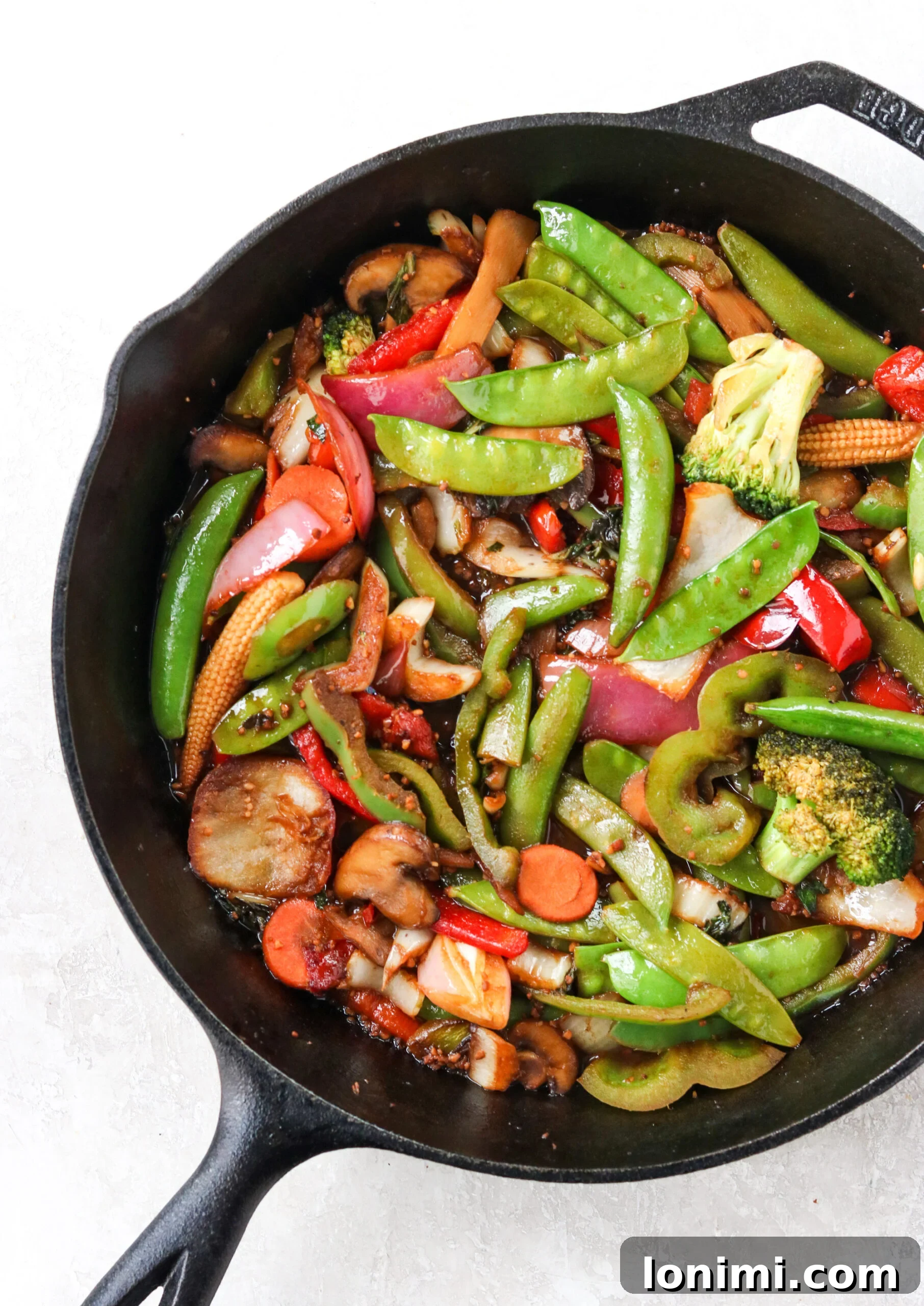
This comprehensive guide will show you how to prepare a delicious and healthy Pad Pak, a traditional Thai vegetable stir fry, in just 15 minutes. Perfect for busy weeknights, this recipe is naturally gluten-free, easily adaptable for vegans, and a surefire family favorite. Get ready to transform simple vegetables into an incredibly flavorful and satisfying meal that rivals your favorite Thai restaurant!
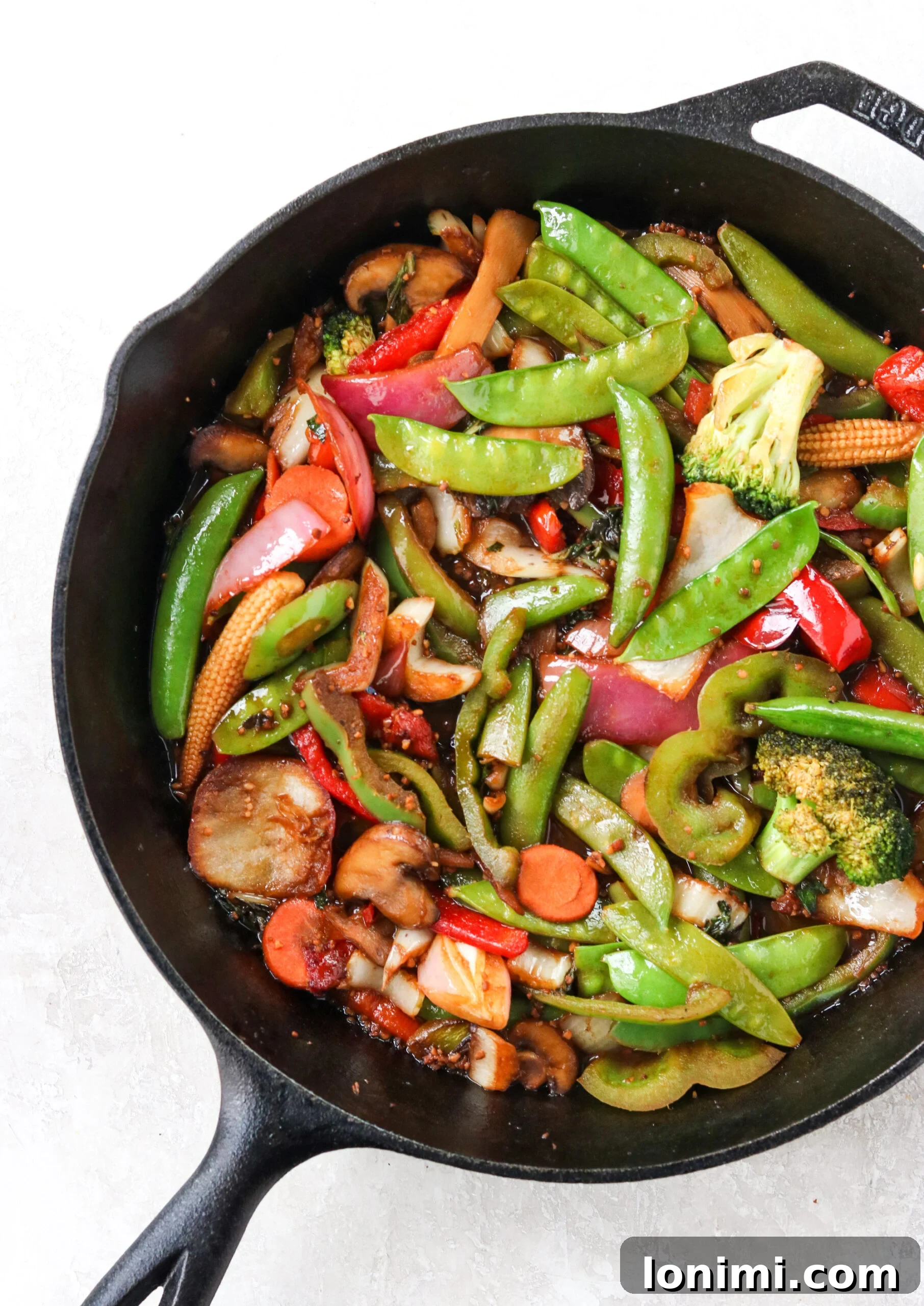
Discover the Joy of Homemade Thai Vegetable Stir Fry: Pad Pak Perfection
In today’s fast-paced world, finding time to prepare wholesome, delicious meals can be a real challenge. That’s where this incredible Pad Pak recipe comes to the rescue! Pad Pak, which literally translates to “stir-fried vegetables” in Thai, is more than just a dish; it’s a vibrant celebration of fresh produce, combined with a perfectly balanced, savory-sweet-tangy sauce that will tantalize your taste buds. This recipe is specifically designed for those hectic weeknights when you crave something nutritious and flavorful without spending hours in the kitchen.
What makes this Thai vegetable stir fry truly exceptional? First, its incredible speed. From chopping to serving, you can have a piping hot, restaurant-quality meal on your table in under 15 minutes. This makes it an ideal choice for busy parents, students, or anyone looking to maximize their time without sacrificing meal quality. Second, it’s a powerhouse of nutrition. Loaded with an array of colorful vegetables, Pad Pak delivers essential vitamins, minerals, and fiber, making it a genuinely healthy stir fry option for the entire family. Children and adults alike will enjoy the crisp textures and rich flavors, often without realizing just how many vegetables they’re consuming!
Furthermore, this homemade Pad Pak recipe offers unparalleled flexibility. It’s naturally gluten-free, thanks to our use of coconut aminos instead of traditional soy sauce, making it safe and delicious for those with gluten sensitivities. For our vegan friends, a simple modification of the sauce transforms this into a delightful vegan stir fry. Whether you serve it as a hearty vegetarian main course or as a versatile side dish alongside your favorite protein like grilled chicken or tofu, Pad Pak is guaranteed to become a quick stir fry staple in your weekly rotation. Forget expensive takeout; with this recipe, you can bring the authentic flavors of Thailand right to your dining table, making every meal a mini culinary adventure.
Essential Ingredients for Your Perfect Pad Pak Stir Fry
Crafting an authentic and flavorful Pad Pak starts with selecting the right ingredients. Below, we’ll delve into the key components that bring this Thai vegetable stir fry to life, along with helpful tips for sourcing and substitution.
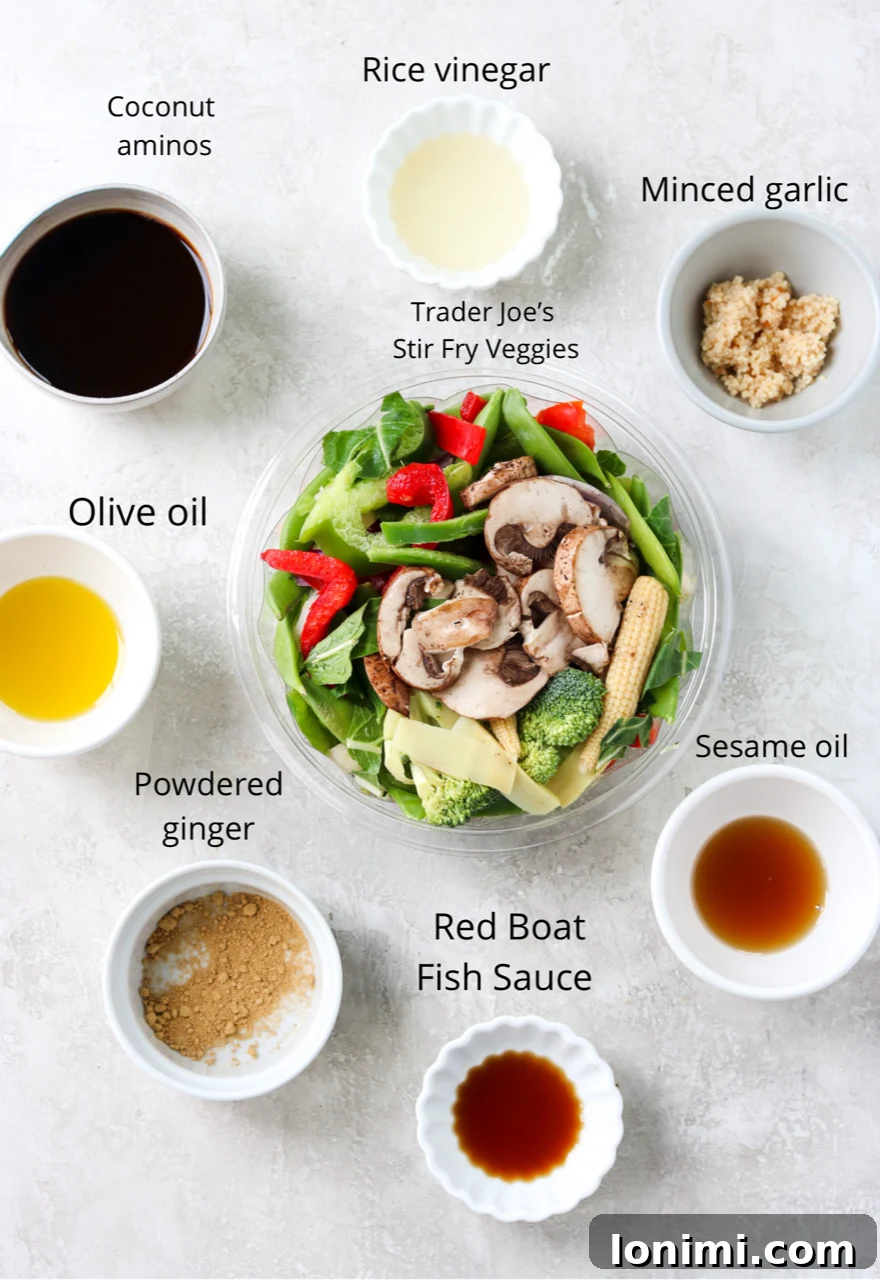
Fresh or Frozen Vegetables: The heart of any good vegetable stir fry lies in its produce. While a pre-cut Asian-style vegetable mix (often found at stores like Trader Joe’s) is a fantastic time-saver, don’t hesitate to use a bag of frozen stir fry vegetables for ultimate convenience. When using frozen, remember to check labels to ensure no additives or pre-made sauces are included; we only want the pure vegetables. For those who prefer to chop their own, the possibilities are endless! Think of this dish as a delicious way to use up whatever fresh produce you have on hand or seasonal vegetables on sale. Ideal fresh choices include: broccoli florets, sliced bell peppers (red, green, or yellow), snow peas or snap peas, thinly sliced carrots, mushrooms, baby corn, water chestnuts, green beans, and even bok choy. Aim for a variety of colors and textures for a truly appealing dish.
Coconut Aminos: This is a crucial gluten-free alternative to soy sauce, offering a similar umami-rich, savory flavor with a hint of sweetness. You can typically find coconut aminos in the health food aisle of major grocery stores, Whole Foods, Sprouts, or Trader Joe’s. It’s essential for maintaining the gluten-free status of this Pad Pak recipe, and many people find its flavor to be milder and slightly sweeter than soy sauce.
Rice Vinegar: Providing the essential tangy component to our stir fry sauce, rice vinegar (preferably unseasoned) is readily available in the Asian foods section of any local grocery store. It brightens the overall flavor profile of the dish.
Minced Garlic: Freshly minced garlic offers the most pungent and aromatic flavor, but for speed, a jar of pre-minced garlic works perfectly fine. It’s a fundamental aromatic in Thai cooking, laying the foundation for the sauce’s depth.
Olive Oil: A good quality cooking oil is vital for stir-frying. Olive oil is a versatile choice, but you can also opt for coconut oil, avocado oil, or any other high-smoke-point cooking oil you prefer. The key is to get your skillet hot enough to achieve that perfect crisp-tender texture on your vegetables.
Powdered or Fresh Ginger: Ginger adds a warm, slightly spicy, and incredibly fragrant element to the stir fry. While powdered ginger is convenient, fresh grated ginger will provide a more vibrant and potent flavor. Feel free to use whichever you have on hand.
Fish Sauce: This ingredient is a cornerstone of authentic Thai stir fry sauce, lending a deep, savory umami flavor that is hard to replicate. If you are preparing a vegan stir fry, simply omit the fish sauce and compensate with an additional ½ teaspoon of sea salt and a bit more coconut aminos to balance the flavors. This adjustment will ensure your vegan Pad Pak still tastes fantastic!
Sesame Oil: Toasted sesame oil is a finishing oil that adds a distinctive nutty aroma and flavor. It’s best added towards the end of cooking or just before serving to preserve its delicate flavor. You’ll find it in the Asian foods aisle or the specialty oils section of your supermarket.
Optional Additions: For those who enjoy a hint of sweetness, a teaspoon of maple syrup or a dash of brown sugar can be added to the sauce. A squeeze of fresh lime juice at the end can also brighten the flavors. For a spicy kick, add a pinch of red pepper flakes or a dash of Sriracha to the sauce.
Mastering Your Thai Vegetable Stir Fry: A Step-by-Step Guide to Pad Pak
Creating this flavorful Pad Pak is remarkably simple, even for novice cooks. Follow these straightforward steps to achieve a perfectly cooked, healthy stir fry every time.
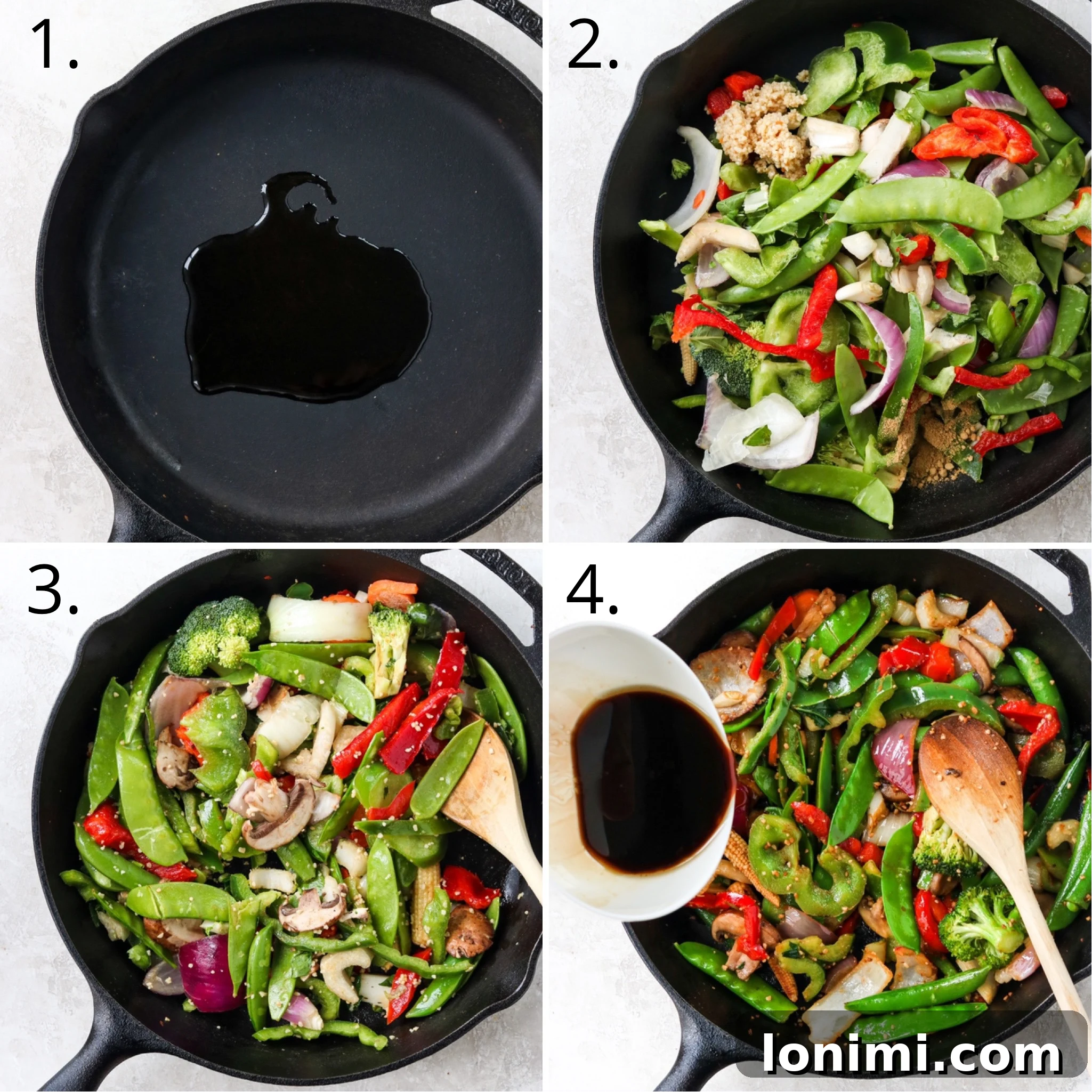
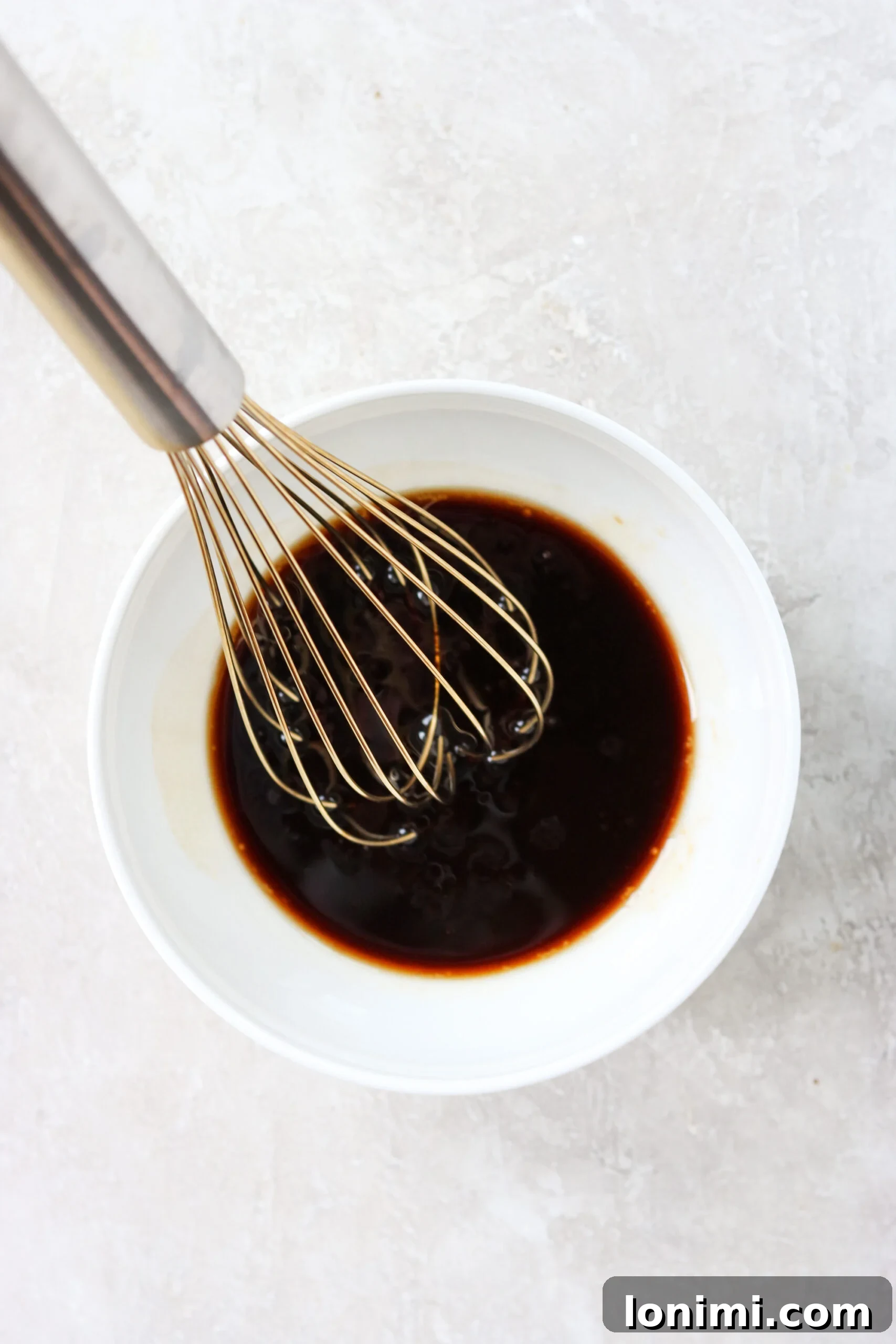
- Prepare Your Signature Stir Fry Sauce: In a small bowl, whisk together the coconut aminos, fish sauce (or vegan alternative), sesame oil, and rice vinegar until thoroughly combined. This forms the backbone of your delicious Pad Pak. If you desire a sweeter sauce, now is the time to stir in a touch of maple syrup or a pinch of brown sugar. Set this flavorful mixture aside; it will be added at the perfect moment to coat all your vibrant vegetables.
- Heat Your Skillet for Optimal Stir-Frying: Place a large cast-iron skillet or wok over medium-high heat. Add your chosen cooking oil (olive oil, coconut oil, or avocado oil) and allow it to get quite hot, almost shimmering, before adding any vegetables. This high heat is essential for achieving that characteristic crisp-tender texture in stir-fries, preventing your vegetables from becoming soggy.
- Sauté Aromatics and Vegetables: Once your pan is hot, add your prepped vegetables (fresh or frozen) to the skillet. Allow them to cook for 2-3 minutes, stirring occasionally, until they begin to soften slightly and develop a vibrant color. Then, add the minced garlic and ginger. Continue to sauté for an additional 2-3 minutes, stirring constantly, until the aromatics are fragrant and the vegetables have reached a crisp-tender consistency. Be careful not to overcrowd the pan, as this can lower the temperature and steam the vegetables instead of stir-frying them. If necessary, cook the vegetables in batches.
- Introduce the Sauce and Finish Cooking: Pour your prepared stir fry sauce evenly over the sautéed vegetables. Stir continuously to ensure every piece of vegetable is coated in the rich, aromatic sauce. Continue to cook for another 3-5 minutes, allowing the sauce to simmer and reduce slightly, thickening to a glossy consistency that clings beautifully to the vegetables. The natural starches in the vegetables will help thicken the sauce.
- Garnish and Serve Immediately: Once the sauce has thickened and coated your vegetables, remove the skillet from the heat. For an extra pop of color and fresh flavor, top your Pad Pak with thinly sliced green onions or chopped fresh cilantro. Serve this healthy stir fry immediately to enjoy its peak freshness and texture.
Versatile Serving Suggestions for Your Delicious Pad Pak
Pad Pak is incredibly versatile and can be enjoyed in various ways, making it suitable for any meal or dietary preference. Here are some of our favorite serving suggestions to complete your healthy stir fry experience:
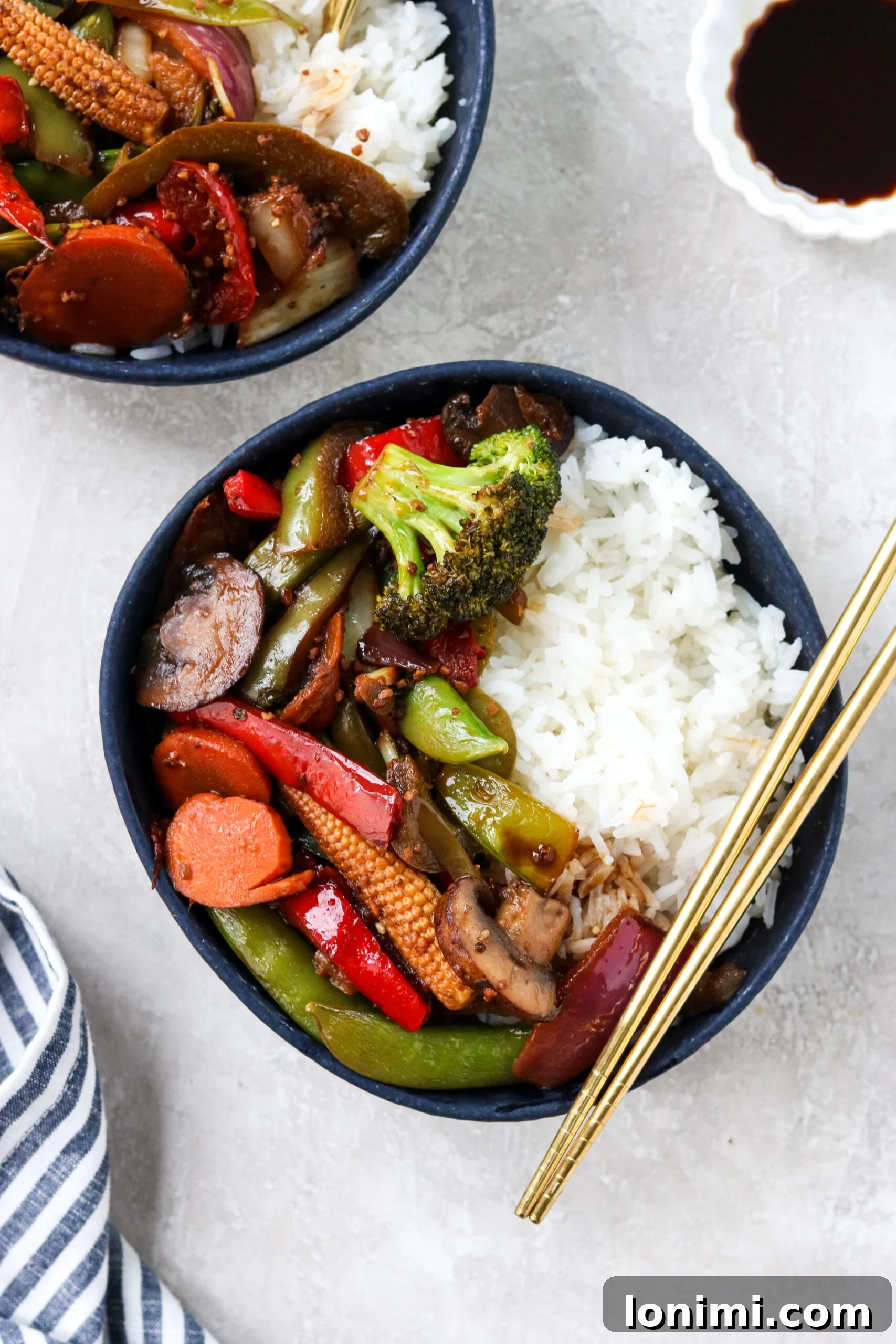
- Classic Rice Pairing: The most traditional and satisfying way to enjoy Pad Pak is over a bed of fluffy rice. Options include fragrant Instant Pot Coconut Rice for a creamy, aromatic touch, classic jasmine rice for its delicate fragrance, or hearty brown rice for added fiber and nutrients.
- Low-Carb Alternatives: For a low-carb or Whole30-friendly meal, serve your Pad Pak over cauliflower rice, zucchini noodles, or even spiralized sweet potato noodles. These options keep the meal light and vegetable-focused.
- Noodle Sensations: Transform your Pad Pak into a noodle dish by serving it over stir-fried rice noodles, egg noodles, or even ramen. The noodles absorb the flavorful sauce beautifully, creating a hearty and satisfying meal.
- As a Standalone Main Dish: Given its generous vegetable content and rich sauce, Pad Pak is perfectly delicious and filling on its own, especially for a light lunch or a vegetarian dinner.
- Add Protein: To make it a more substantial meal, consider adding cooked protein directly into the stir fry during the last few minutes of cooking, or serve it alongside. Grilled chicken, pan-seared shrimp, crispy tofu, or even thinly sliced beef or pork are excellent choices. For a chicken version, try my chicken broccoli stir fry next!
- Garnish for Extra Flavor: Don’t forget the finishing touches! A sprinkle of chopped roasted peanuts, fresh cilantro, basil, or a lime wedge for a squeeze of citrus can elevate the dish even further.
Whether you choose a fork or chopsticks, get ready to savor every bite of this healthy, flavor-packed Thai vegetable stir fry!
Expert Tips & Tricks for Your Best Pad Pak Stir Fry
Achieving a perfect Pad Pak is easy with a few insider tips and tricks. These suggestions will help you adapt the recipe, handle ingredients, and ensure your stir fry is always a success.
- Working with Frozen Stir Fry Vegetables: Frozen vegetables are a fantastic shortcut for a quick stir fry. However, they release more water as they defrost and cook. To prevent your sauce from becoming watery, first sauté the frozen vegetables alone until most of the excess liquid has evaporated. You can even drain any pooling water before adding the aromatics and sauce. This ensures your sauce remains thick and coats the vegetables beautifully.
- Selecting and Preparing Fresh Vegetables: If you’re opting for fresh, the key is uniform chopping for even cooking. Here’s a suggested list of fresh veggies and how to prep them:
- Bell Peppers (red, green, yellow): Slice into thin strips (about ½ cup each).
- Broccoli: Cut into small florets (about ½ cup).
- Snow Peas or Snap Peas: Trim ends (about ½ cup).
- Onions (white or red): Thinly slice (about ¼ cup each).
- Mushrooms: Slice (about ½ cup).
- Carrots: Julienne or thinly slice into rounds (about ¼ cup).
- Bok Choy: Roughly chop, separating white stems from green leaves (How to Cut Bok Choy). Add stems first, then leaves later.
- Baby Corn: Halve lengthwise (8 pieces).
- Water Chestnuts: Slice (½ cup).
- Green Beans: Trim ends and halve (about ½ cup).
Remember to cook harder vegetables (like carrots, broccoli stems) first for a minute or two before adding softer ones (like bell peppers, mushrooms, leafy greens) to ensure everything is perfectly crisp-tender.
- Crafting the Perfect Vegan Stir Fry Sauce: To make your Pad Pak entirely vegan, simply omit the fish sauce. To maintain a balanced flavor profile, consider adding an extra ½ teaspoon of sea salt and increasing the coconut aminos by 1-2 tablespoons. A tiny splash of vegan Worcestershire sauce can also mimic some of the umami depth lost from the fish sauce, if desired.
- Scaling Up for Larger Groups (Double Batch): This Pad Pak recipe is incredibly easy to scale. If you’re hosting a dinner party or meal prepping for the week, simply double or triple the ingredients. Ensure you use a large enough wok or skillet, or cook in batches to avoid overcrowding the pan, which can lead to steaming instead of stir-frying.
- Smart Storage and Reheating: Leftovers of this delicious Thai vegetable stir fry can be stored in an airtight container in the refrigerator for 4-5 days. For reheating, gently warm on the stovetop over medium heat until heated through, or microwave in short intervals, stirring occasionally. Avoid overcooking during reheating to preserve the vegetables’ texture.
- Adjusting Spice and Sweetness: Tailor the flavor to your preference! For more heat, add a pinch of red pepper flakes or a dash of sriracha to the sauce. If you prefer a sweeter profile, a teaspoon of maple syrup, honey, or brown sugar can be incorporated into the sauce mixture.
Frequently Asked Questions About Pad Pak (Thai Vegetable Stir Fry)
Yes, this Pad Pak recipe is specifically designed to be gluten-free! Traditional Pad Pak often uses soy sauce, which contains gluten. However, by substituting soy sauce with gluten-free coconut aminos, we ensure this healthy stir fry is safe and delicious for those with gluten sensitivities. Always double-check labels on all your ingredients to confirm they are certified gluten-free, especially for fish sauce and any pre-packaged vegetable mixes.
Absolutely! While the core recipe includes fish sauce for authentic umami depth, it’s very easy to adapt this Pad Pak into a completely vegan stir fry. Simply omit the fish sauce from the sauce mixture. To compensate for the lost flavor, you can add an extra ½ teaspoon of sea salt and a tablespoon or two more of coconut aminos. Some vegan cooks also like to add a dash of mushroom seasoning or a small amount of vegan Worcestershire sauce for an added layer of savory flavor.
The name “Pad Pak” directly translates from Thai as “stir-fried vegetables.” “Pad” means stir-fried, and “Pak” refers to vegetables. It’s a straightforward name for a dish that celebrates the freshness and versatility of mixed vegetables prepared with a vibrant Thai stir-fry technique.
Definitely! This Pad Pak recipe is packed with an abundance of fresh or frozen vegetables, making it a highly nutritious and healthy stir fry option. It’s naturally low in calories, with one serving of the vegetable stir fry alone being approximately 127 calories (before adding sides). The vegetables provide a wealth of dietary fiber, vitamins, and antioxidants. To keep the meal balanced and healthy, consider serving it with brown rice, quinoa, or for a low-carb alternative, cauliflower rice.
Yes, Pad Pak freezes surprisingly well! If you have leftovers or want to prepare a larger batch for future meals, transfer the cooked stir-fried vegetables and sauce into an airtight, freezer-safe container. It can be frozen for up to 3 months. To enjoy, defrost overnight in the refrigerator, then reheat gently on the stovetop or in the microwave until thoroughly warm. The texture of some vegetables might become slightly softer after freezing and reheating, but the flavor will remain delicious.
The beauty of Thai vegetable stir fry like Pad Pak is its adaptability. Almost any crisp-tender vegetable works wonderfully. Excellent choices include broccoli, bell peppers (red, yellow, green), carrots, snow peas, snap peas, bok choy, mushrooms, baby corn, green beans, and water chestnuts. For best results, use a mix of vegetables that offer different colors and textures. Avoid overly watery vegetables that might make the stir fry soggy.
Incorporating protein is a fantastic way to make your Pad Pak a more complete and satisfying meal. You can quickly add cooked chicken breast or thighs, shrimp, beef, pork, or tofu. For best results, cook your protein separately until almost done, then add it to the skillet during the last 2-3 minutes of the stir-frying process, allowing it to coat in the delicious Pad Pak sauce. Ensure all proteins are cooked through before serving.
Explore More Quick & Easy Recipes
Healthy Keto Egg Roll in a Bowl
Sheet Pan Cauliflower & Chicken Street Taco Bowls
Healthy Tuna Pasta Salad
Love this recipe? Please leave a 5-star 🌟🌟🌟🌟🌟 rating in the recipe card below & a review in the comment section. Or, follow me on Facebook, Pinterest or Instagram today!
Pad Pak (Thai Vegetable Stir Fry)
Pin Recipe
Equipment
- 12-inch Cast Iron Skillet (or wok)
Ingredients
- 1 18 oz Package Asian Style Vegetable Stir Fry (I get this pre-cut veggie mix at Trader Joe’s in the produce section!)
- 1 tbsp olive oil
- 2 tbsp minced garlic
- 1 tsp powdered or fresh ginger
- ⅓ cup coconut aminos
- 1 tsp fish sauce
- 1 tbsp sesame oil
- 2 tsp rice vinegar
- Pinch of salt
Instructions
- First, mix up the coconut aminos, fish sauce, sesame oil, and rice vinegar in a small bowl and set aside. If you desire a sweeter sauce, a touch of maple syrup can be added here.
- Next, heat the olive oil in a large cast iron skillet or wok over medium-high heat. Add in the vegetables, ensuring not to overcrowd the pan.
- Add the minced garlic and ginger and sauté for 4-5 minutes, until the vegetables are crisp-tender and the aromatics are fragrant.
- Pour the prepared sauce over the vegetables and continue to cook for another 4-5 minutes, stirring occasionally, until the sauce has reduced and thickened slightly, beautifully coating the vegetables.
- Serve the Pad Pak immediately over rice or on its own. Garnish with fresh green onions or cilantro if desired. Enjoy your homemade Thai stir fry!
Notes
Frozen Stir Fry Vegetables: If using frozen vegetables, be aware they release more water. Sauté them first to evaporate excess liquid, or drain it, before adding aromatics and sauce to prevent a thin sauce.
Fresh Vegetables: For a fresh veggie mix, consider using ½ cup each of green pepper, broccoli florets, red bell peppers, snap peas; ¼ cup each of sliced white onions, red onion, carrots; ½ cup sliced mushrooms; 8 baby corn; and ½ cup water chestnuts. Green beans and bok choy are also great additions. Ensure uniform chopping for even cooking.
Vegan Stir Fry Sauce: To make this recipe vegan, simply eliminate the fish sauce. Increase coconut aminos by 1-2 tablespoons and add an extra ½ tsp sea salt to maintain flavor balance. A dash of mushroom seasoning can also enhance umami.
Double Batch: This recipe scales easily. Adjust ingredient amounts to feed a larger group, cooking in batches if necessary to avoid overcrowding your pan.
Storage: Store leftover Pad Pak in an airtight container in the refrigerator for 4-5 days. Reheat on the stovetop or in the microwave until warm. It can also be frozen for up to 3 months.
Nutrition
Calories: 127kcal |
Carbohydrates: 13g |
Protein: 3g |
Fat: 7g |
Saturated Fat: 1g |
Polyunsaturated Fat: 2g |
Monounsaturated Fat: 4g |
Sodium: 571mg |
Potassium: 23mg |
Fiber: 1g |
Sugar: 1g |
Vitamin A: 1IU |
Vitamin C: 1mg |
Calcium: 8mg |
Iron: 1mg
All nutrition facts are an estimate and automatically calculated. While I fact check them using My Fitness Pal, please note that they may not always be 100% accurate and depend on ingredients used. Weigh your total and divide by the number of servings for the most accurate grams per serving size.
Did you make this?
Rate & comment below, and tag me on Instagram @maryswholelife
This page may contain affiliate links, which means if you purchase something using my links, I may receive a small commission. Thank you for supporting Mary’s Whole Life! This post was originally published on April 8, 2022 and updated with new content on October 29, 2023.