HomeOld School Italian RecipesClassic Creamy Polenta
Classic Creamy Polenta
Creamy polenta is a classic Italian dish perfect to serve with any saucy dish like short ribs or braised beef.
- Prep10 min
- Cook40 min
- Total50 min
- Serves10 servings
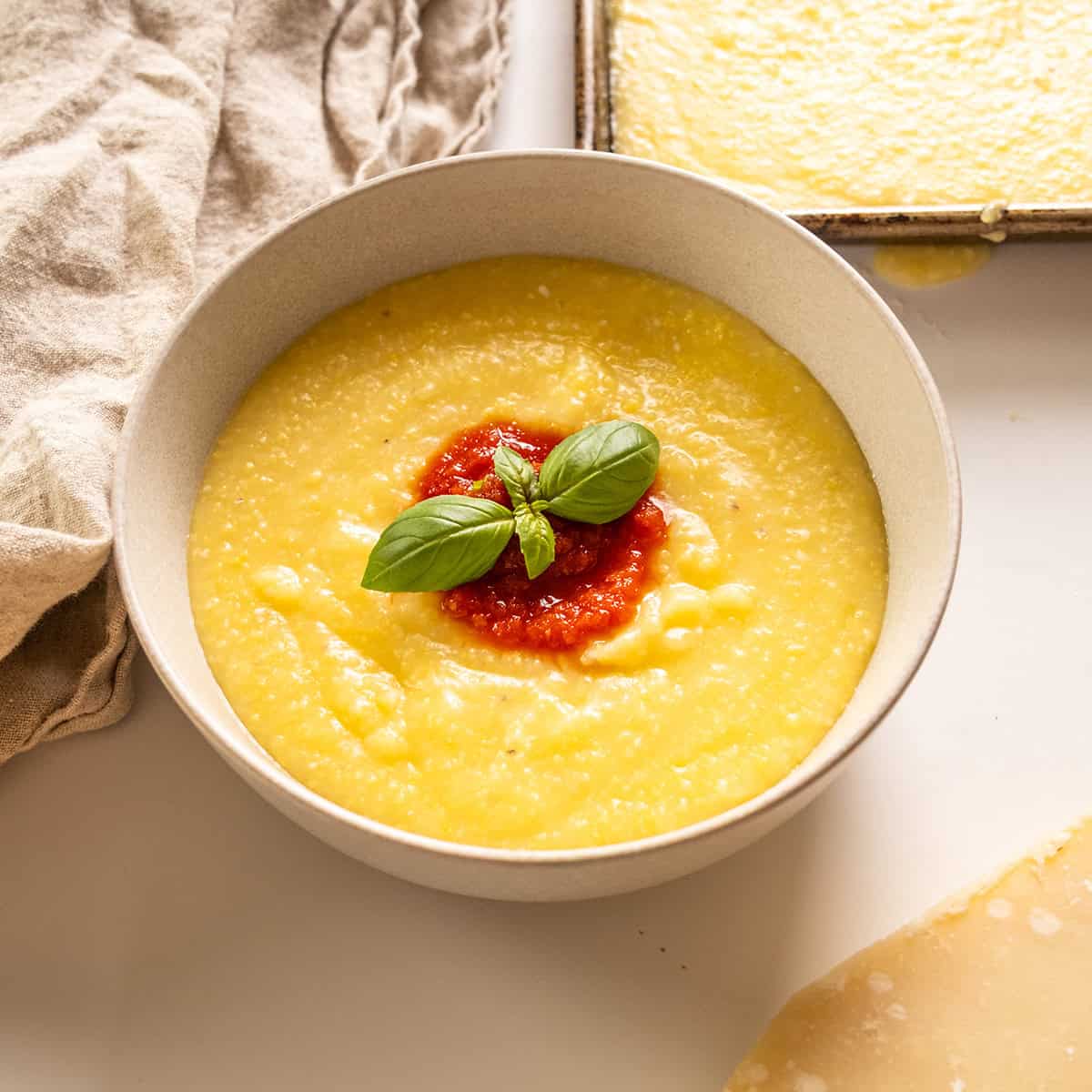
A Classic Creamy Polenta, when served perfectly, has a smooth texture with a rich and buttery flavor. Mixed with freshly grated parmigiano for a cheesy and nostalgic dish served with a dollop of marinara sauce.
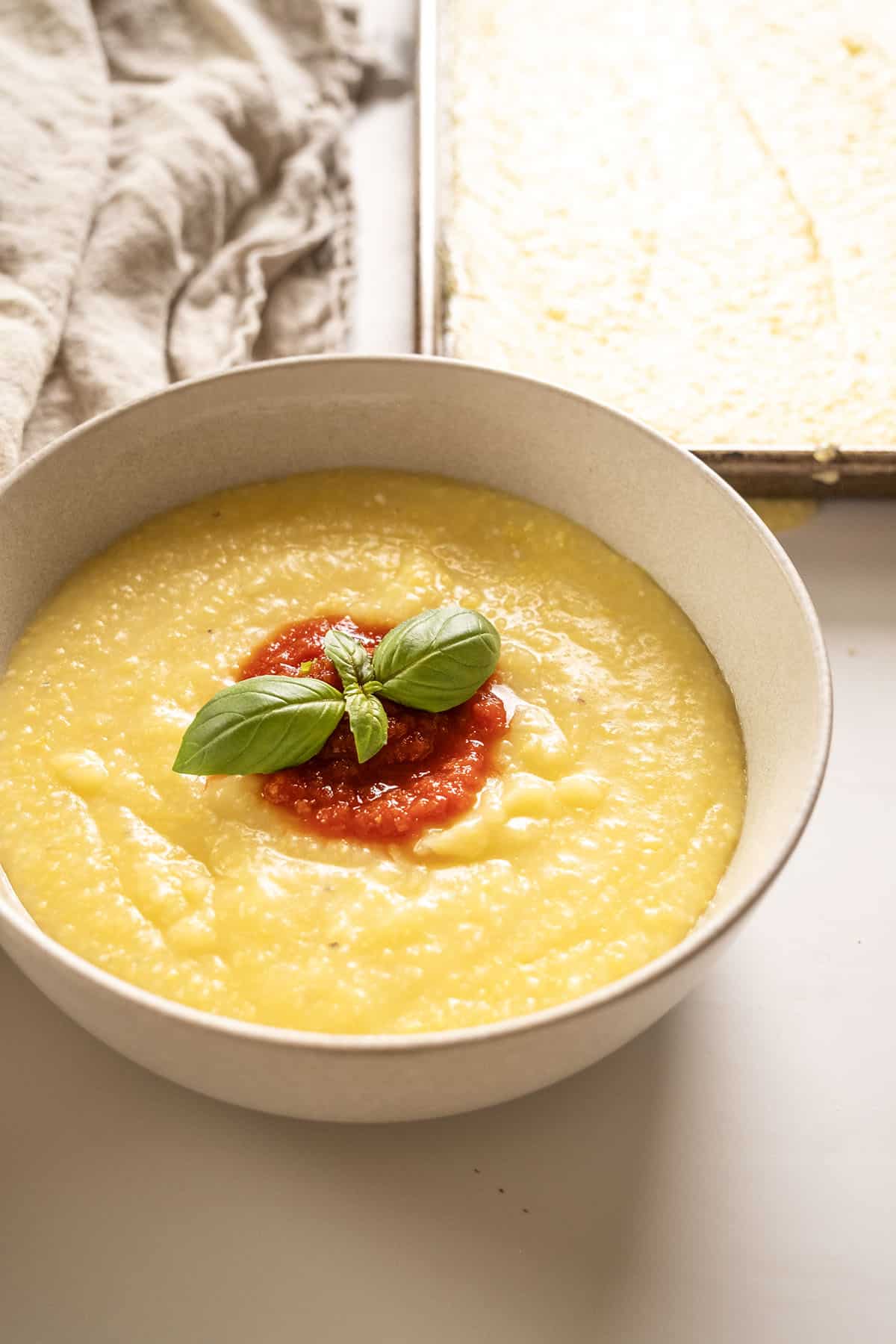
If you love classic Italian starches like this, try Zucchini Risottoor The Creamiest Mushroom Truffle Risotto
[feast_advanced_jump_to]Why Classic Italian Recipes
There's something so simple about classic Italian recipes like Creamy Polenta with some Marinara Sauce. These old-school recipes use just a few high-quality ingredients to make the most flavor.
Polenta should be a recipe in everyone's recipe book for 3 simple reasons.
- It's versatile. Serve it with any type of sauce or meal, from Traditional Italian Meatballs to Easy Chicken Cacciatore to a more rustic dish like Chicken Scarpariello or Italian Pork Roast.
- It's reusable. You can serve it fresh, or chill it and make Grilled Polenta with Marinara and Pesto or Fried Polenta.
- It's affordable. It's equally as affordable as butter pasta or something similar. Kids love it, and you can serve it with leftover sauce or a weeknight dish like Chicken Pizzaiola.
Ingredient Notes and Substitutions
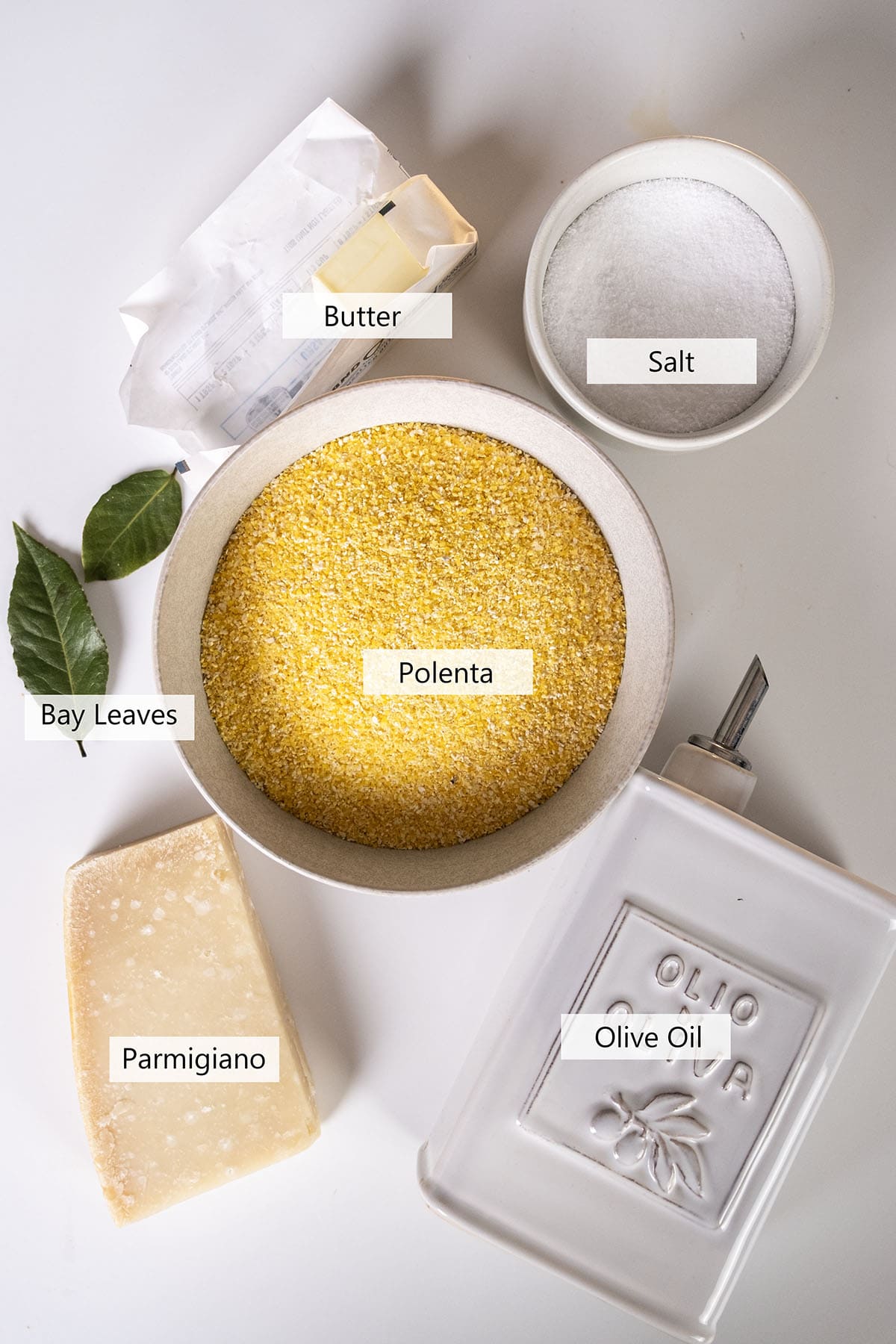
- Polenta. You want to use a medium grit cornmeal for the best results. Grits will not work as a replacement for polenta.
- Parmigiano. Substitute pecorino if you'd like a sharper taste. I prefer parmigiano for its smooth and nutty flavor.
- Olive Oil. Use a high-quality extra virgin olive oil. The flavor of the olive oil will make or break the polenta.
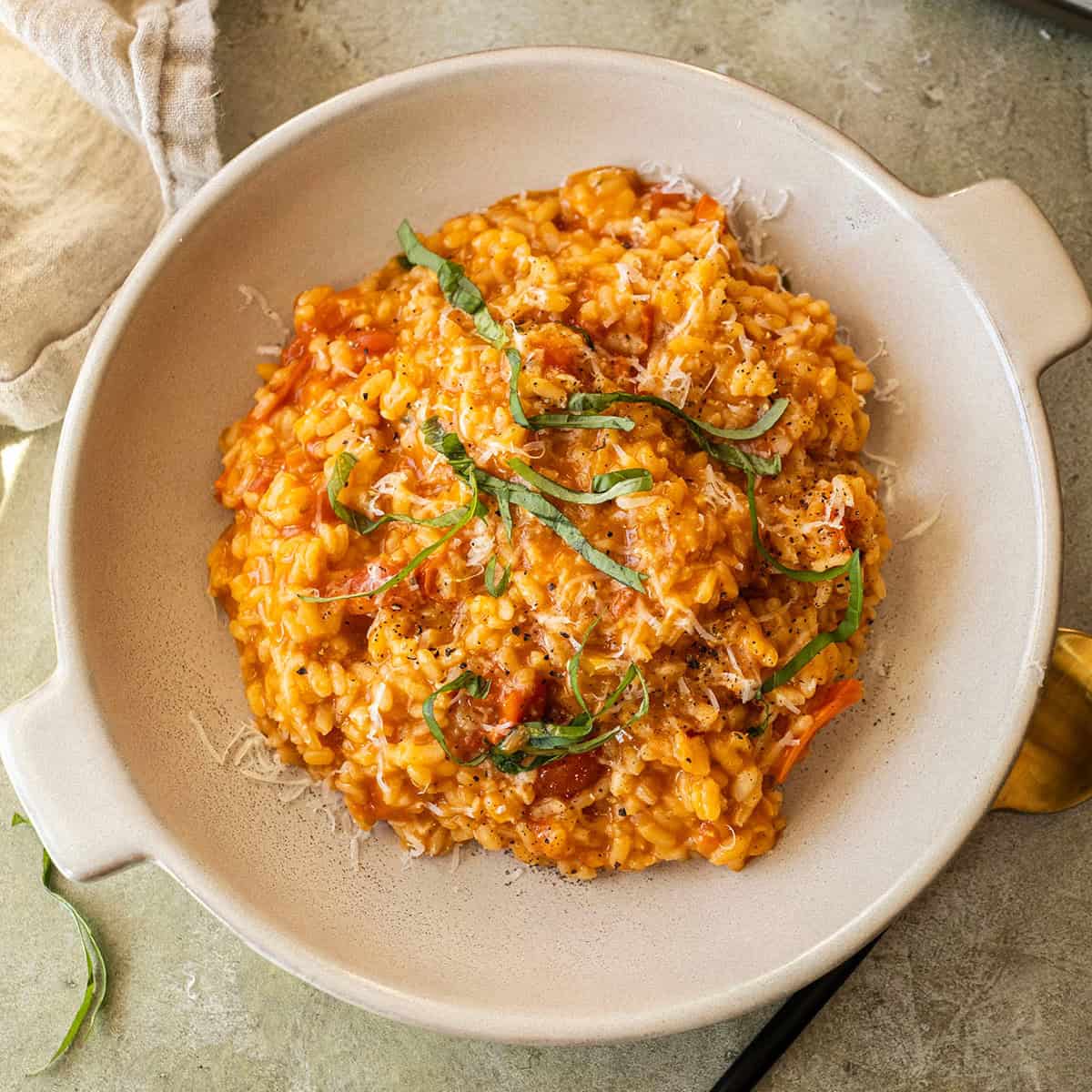
- Butter. Use unsalted butter to taste. Up to a stick of butter. The more butter you use, the richer the flavor will be. Making polenta is similar to a risotto. Adding butter to a polenta or risotto, like Creamy Cherry Tomato Risotto, adds more depth of flavor and richness.
- Water. I use water as the base of my polenta. You can substitute chicken broth, which will give you a more savory/salty flavor.
*Please see the recipe card for more information on ingredients.
How to Make Creamy Polenta
The key to creamy polenta is not to let it stick to the pan or to itself. That's why whisking it in slowly to cold water is so important, because if you whisk it into hot water, it will immediately clump. You also want to remain by the pot to stir it often. It's similar to risotto in that sense.
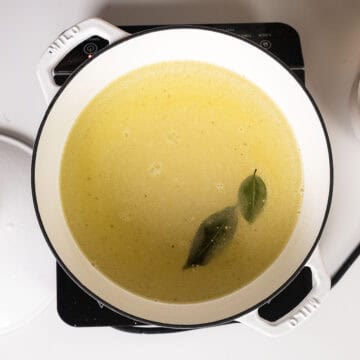
Step 1: Add the water, olive oil, bay leaves, and salt to the pot. Very slowly pour in the polenta in a thin stream using a measuring cup while whisking the polenta into the mix. When you're done, it should be well combined and look a little cloudy.
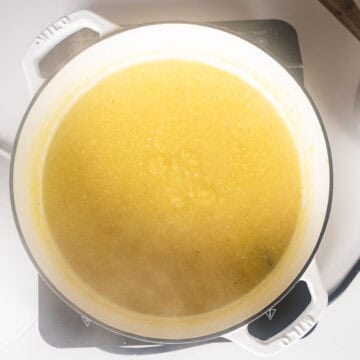
Step 2: Put the heat on medium-low. Bring the water to a very low simmer. Continue to whisk the polenta often so that it doesn't stick to the bottom of the pan. Once the water reaches a simmer, you'll simmer the polenta for about 25-30 minutes.
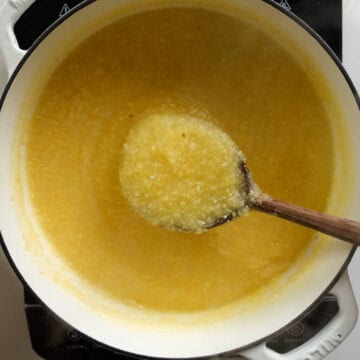
Step 3: When the polenta begins to thicken, switch to a wooden spoon to stir. Still continue to stir often. Once the polenta is peeling off the sides of the pot while you stir, it's ready.
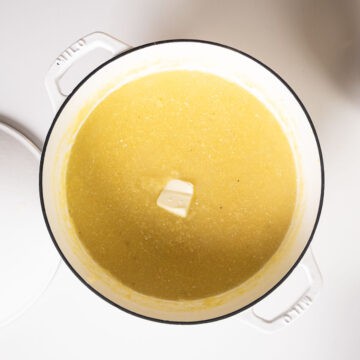
Step 4: Remove the pot from the heat. Mix in the butter one cube at a time until it completely melts. Once all the butter is mixed in, slowly mix in the parmigiano cheese. Once combined, the polenta is ready to serve (or chill for your next dish).
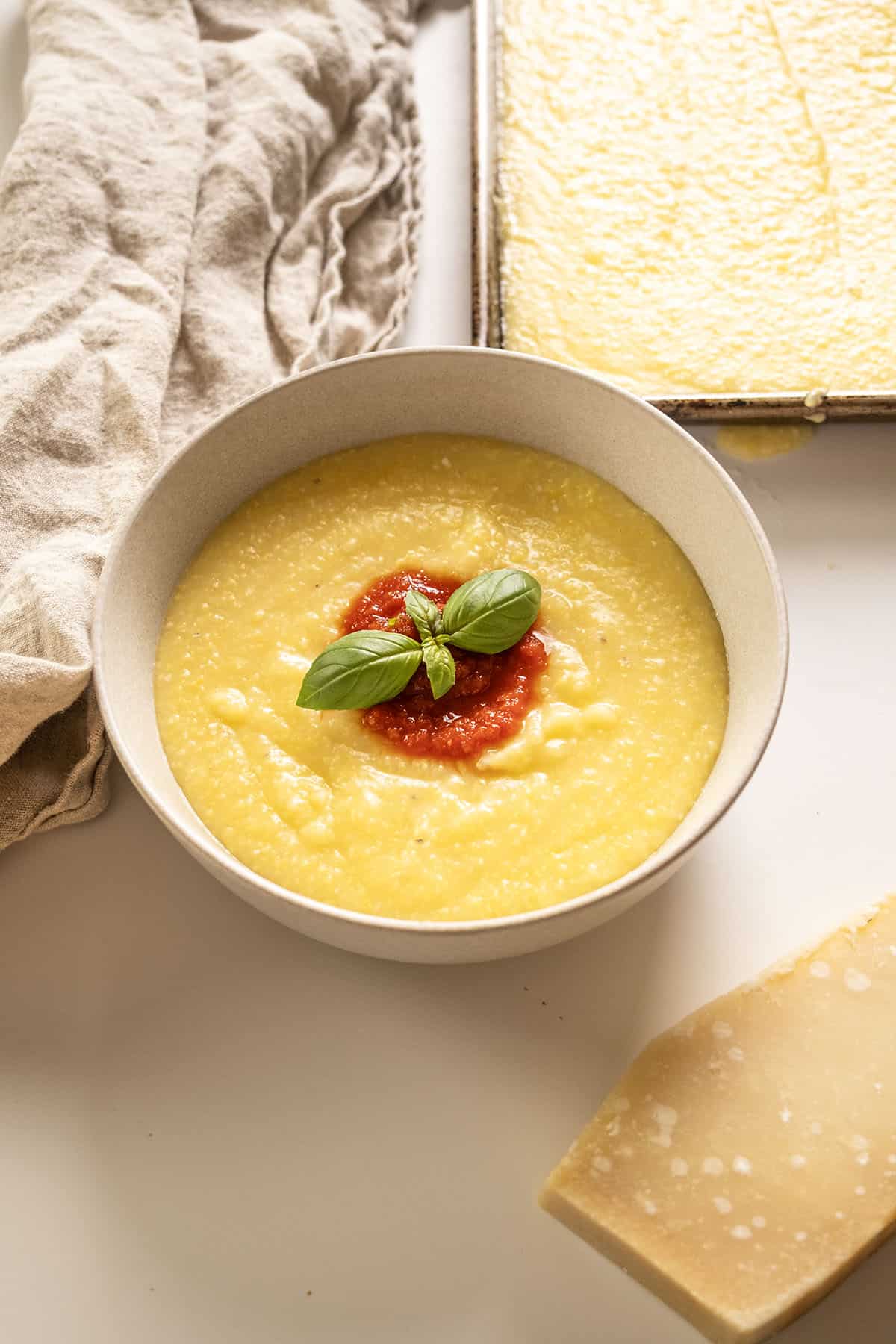
Serve with a little marinara sauce or have it under some of your favorite braised meats like Italian Short Ribs, Fennel Chicken Thighs in Red Wine, or Authentic Italian Braciole.
Pro-Tips
- Polenta is one of those dishes you really need to monitor. Stand by the pot and stir every 2-3 minutes, or else it will stick to the bottom of the pan.
- Butter is sort of optional, but it makes the polenta rich and creamy. I highly recommend.
- If you're chilling for another dish like grilled polenta, make sure the dish you cool the polenta in is greased with olive oil or butter.
Recipe FAQs
What do you eat with polenta?Simple red sauces or meat sauces like bolognese or ragu. I serve it with marinara and a little pesto.
Is polenta the same as grits?No, they're made from different corn, so they'll make very different textures. While grits will be much starchier and similar to a mashed potato while polenta will be a little sweeter and more finely ground.
How do you reheat polenta?Polenta is not great for reheating. You can place it in a pot with simmering water or broth for the best results, but the best way to reheat it is to cook it again. Grilled or fried polenta is a great option.
More Classic Italian Recipes
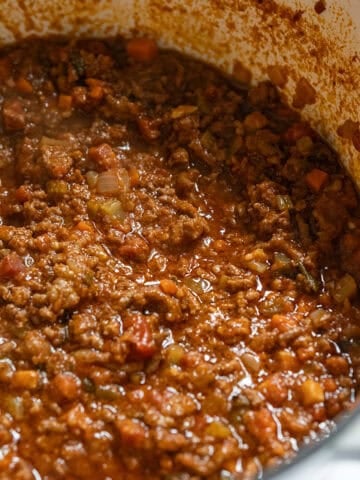 Authentic Bolognese
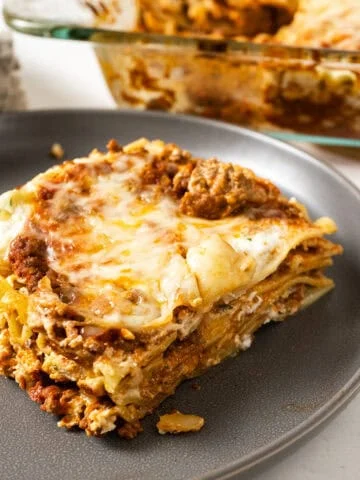 Authentic Italian Lasagna
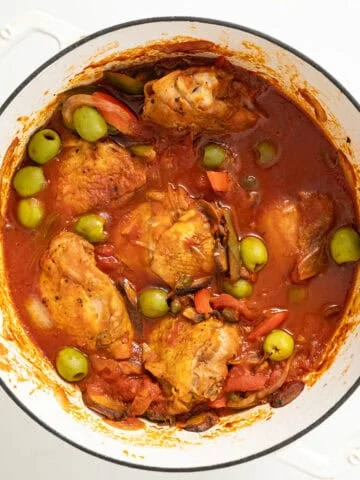 Easy Chicken Cacciatore
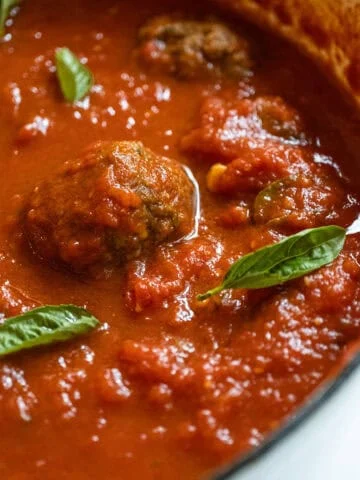 Authentic Italian Sunday Sauce
Ingredients
Equipment 1 Large Dutch Oven
Steps
- 1
Add the water, olive oil, bay leaves, and salt to the pot. Very slowly pour in the polenta in a thin stream using a measuring cup while whisking the polenta into the mix. When you're done, it should be well combined and look a little cloudy.
- 2
Put the heat on medium-low. Bring the water to a very low simmer. Continue to whisk the polenta often so that it doesn't stick to the bottom of the pan. Once the water reaches a simmer, you'll simmer the polenta for about 25-30 minutes.
- 3
When the polenta begins to thicken, switch to a wooden spoon to stir. Still continue to stir often. Once the polenta is peeling off the sides of the pot while you stir, it's ready.
- 4
Remove the pot from the heat. Mix in the butter one cube at a time until it completely melts. Once all the butter is mixed in, slowly mix in the parmigiano cheese. Once combined, the polenta is ready to serve (or chill for your next dish).
Notes
Notes
Nutrition
- Calories207 kcal
- Carbs1 g
- Protein7 g
- Fat20 g
- Saturated fat10 g
- Sodium638 mg
- Fiber0.01 g
- Sugar0.2 g
- Cholesterol38 mg
Nutrition is an estimate for one serving.
More recipes to try next
 Side DishesCreamy Cherry Tomato Risotto
 Old School Italian RecipesAuthentic Veal Marsala
 Italian Chicken RecipesCurry Chicken and Rice Soup
 Old School Italian RecipesLinguine with Clams
 Cook Like an ItalianCast Iron Focaccia Bread
 Italian Vegetable RecipesAir Fryer Zucchini Fritters
 Dressings and SaucesCilantro Lime Ranch Dressing
 Italian Seafood RecipesCajun Shrimp Scampi