HomeItalian Pork RecipesItalian Ring Sausage (Chevalatta)
Italian Ring Sausage (Chevalatta)
Italian ring sausage, or Chevalatta, is a delicious summer sausage for BBQs and family parties, perfect to serve with broccoli rabe or pasta!
- Prep2 hr
- Cook15 min
- Total2 hr 15 min
- Serves20 servings
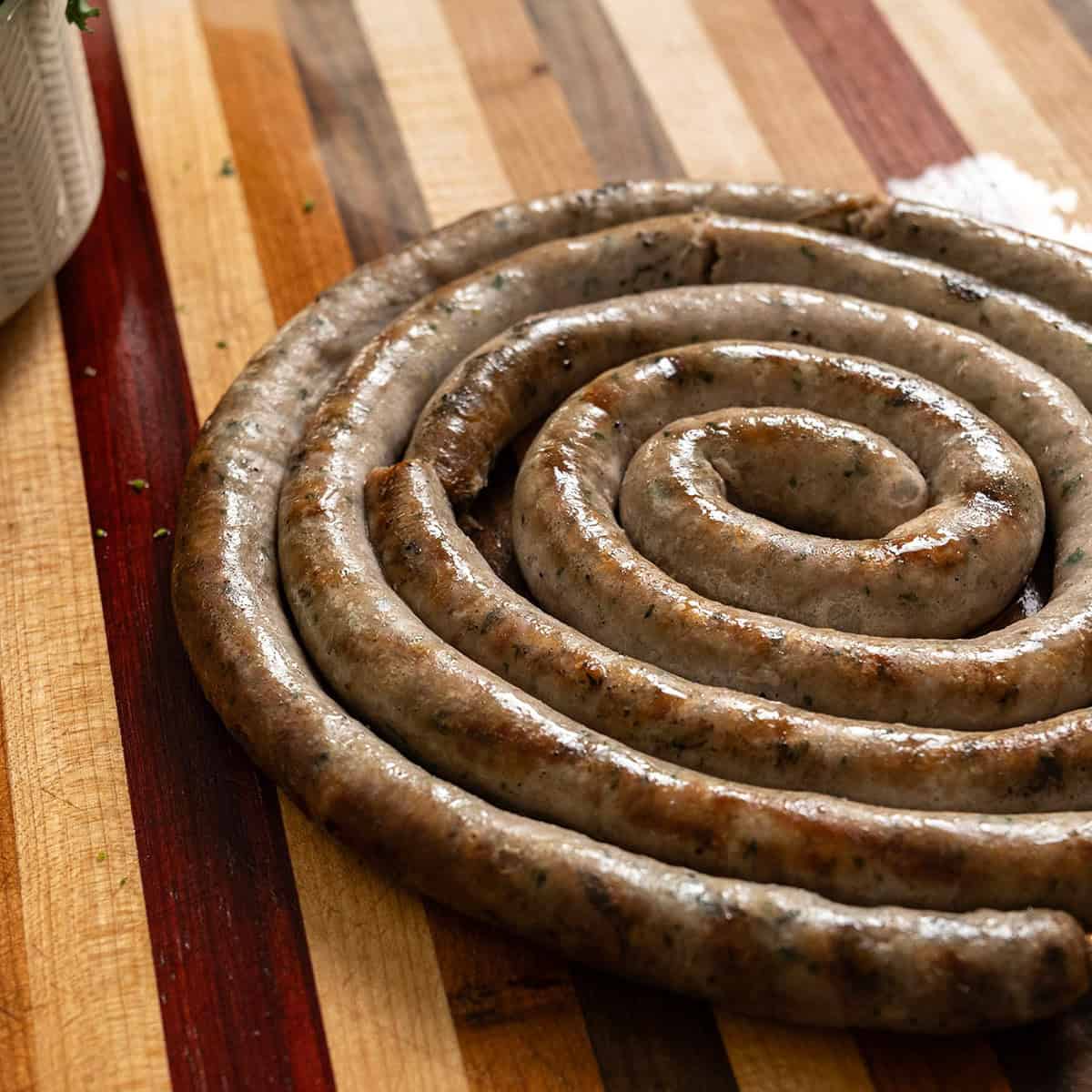
Nothing screams summer like this Italian Ring Sausage. Chevalatta (cervelatta) is an Italian sausage made with sheep casing. It is a cheesy and tender sausage that you can make yourself or buy at the butcher's!
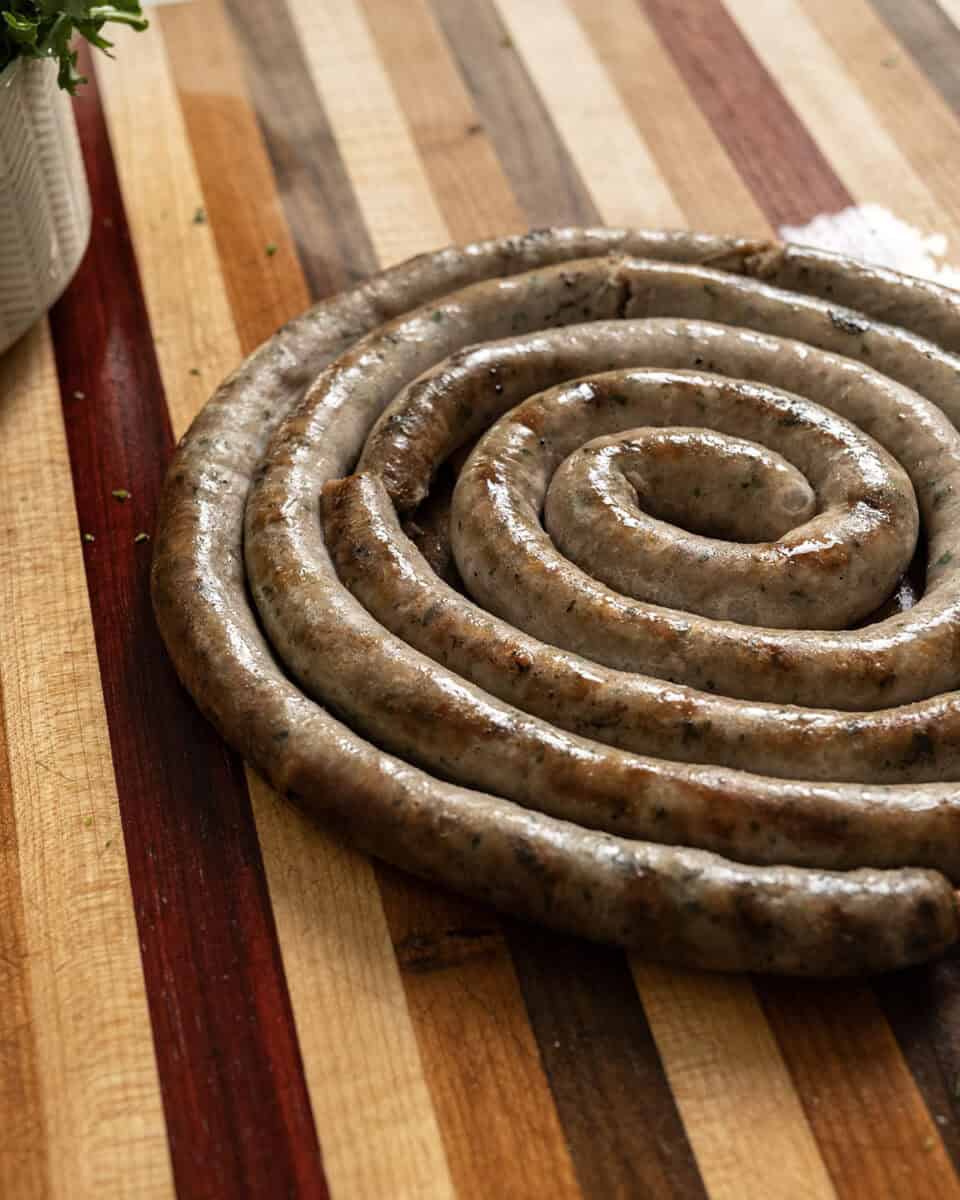
I remember every Memorial Day weekend, my dad would pick up one of the Italian sausage rings, and it would be like our appetizer before dinner. We'd all slowly cut away at it, an inch or 2 at a time, until it was all gone. They were so so good, and readily available in my hometown.
But now I live in North Carolina, and you are much more likely to find country breakfast sausage here than Italian ring sausage. Chevalatta was always a special sausage we had in the summer. I make homemade sausage every summer with my family just to keep this tradition alive!
[feast_advanced_jump_to]What is Chevalatta?
Chevalatta is an Italian spiral sausage filled with Parmigiano cheese, garlic, salt, basil, parsley, and wine. It's made with sheep casings, making it have less of a snap and more of a soft bite. The texture is soft and creamy, and goes perfectly with Broccoli Rabe! This dish is great for grilling as an appetizer or a side dish.
Making Chevalatta
This blog isn't about "how to grill chevalatta." This blog is to teach you How to Make and Stuff Your Own Sausages. The right meat-to-fat ratios, the right salt content, and the spices that go into making an Italian ring sausage. Of course, I will also go into detail on how to grill after we finish stuffing the sausage.
If you're looking to get the New York summer sausage flavor, this is the blog for you. Follow along as we go through some of the steps.
Ingredient Notes
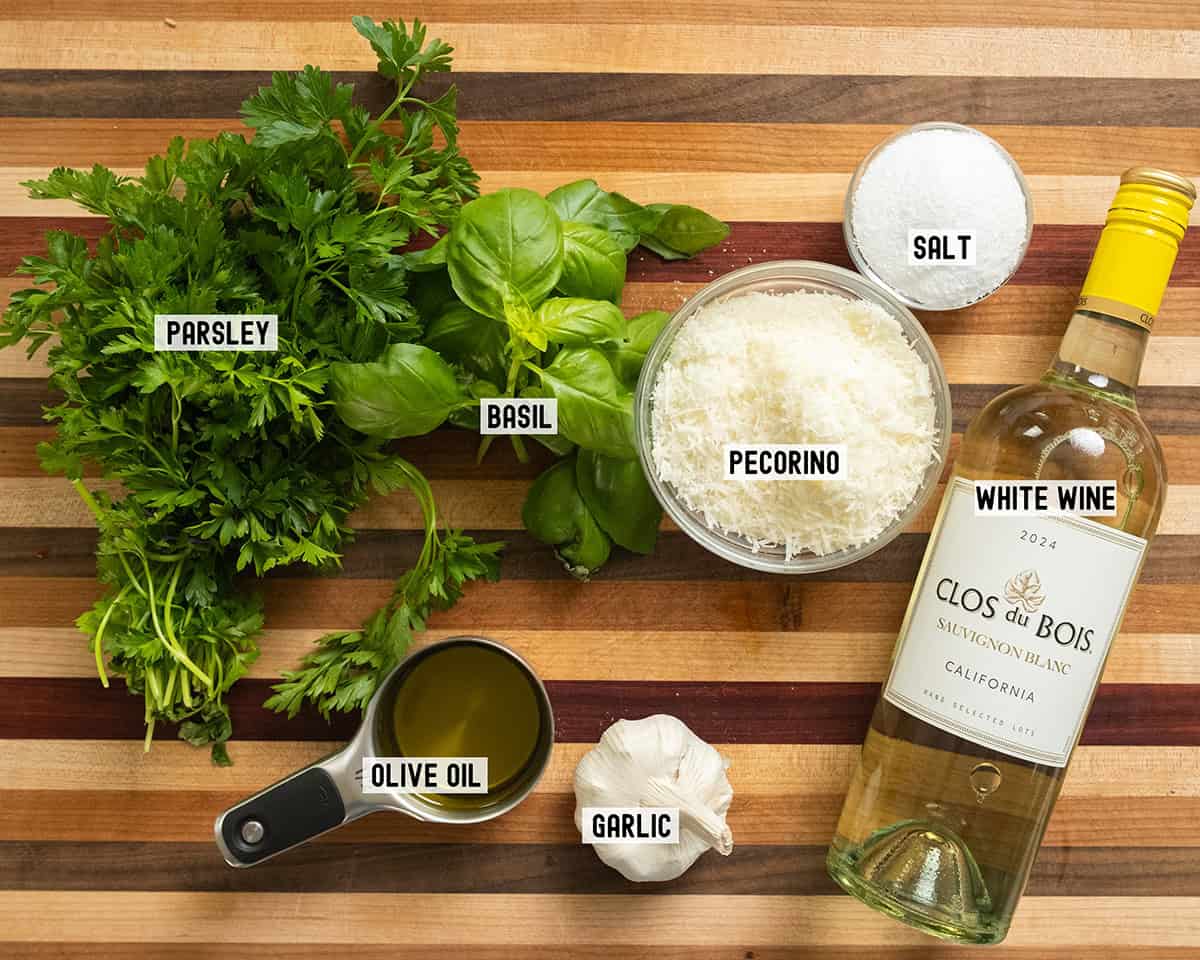
- Boston Butt- Boston butt is the best cut of meat to use when making sausage, especially if you don't have fatback to add. Sausage should be anywhere from 70-75% lean. Boston Butts are typically about 70-80% lean, so you're likely to have a good meat-to-fat ratio without having to add pork fat.
- Garlic- Garlic is a main flavor in this classic sausage.
- Herbs- I use delicate Italian herbs like parsley and basil in my ring sausage.
- Parmigiano Cheese- You can substitute parmigiano or grana padano. Pecorino adds a creamy and nutty flavor.
- White wine- I use a bright and crisp white wine like Sauvignon Blanc.
*Please see the recipe card below for more information on the ingredients.
Choosing Your Pork
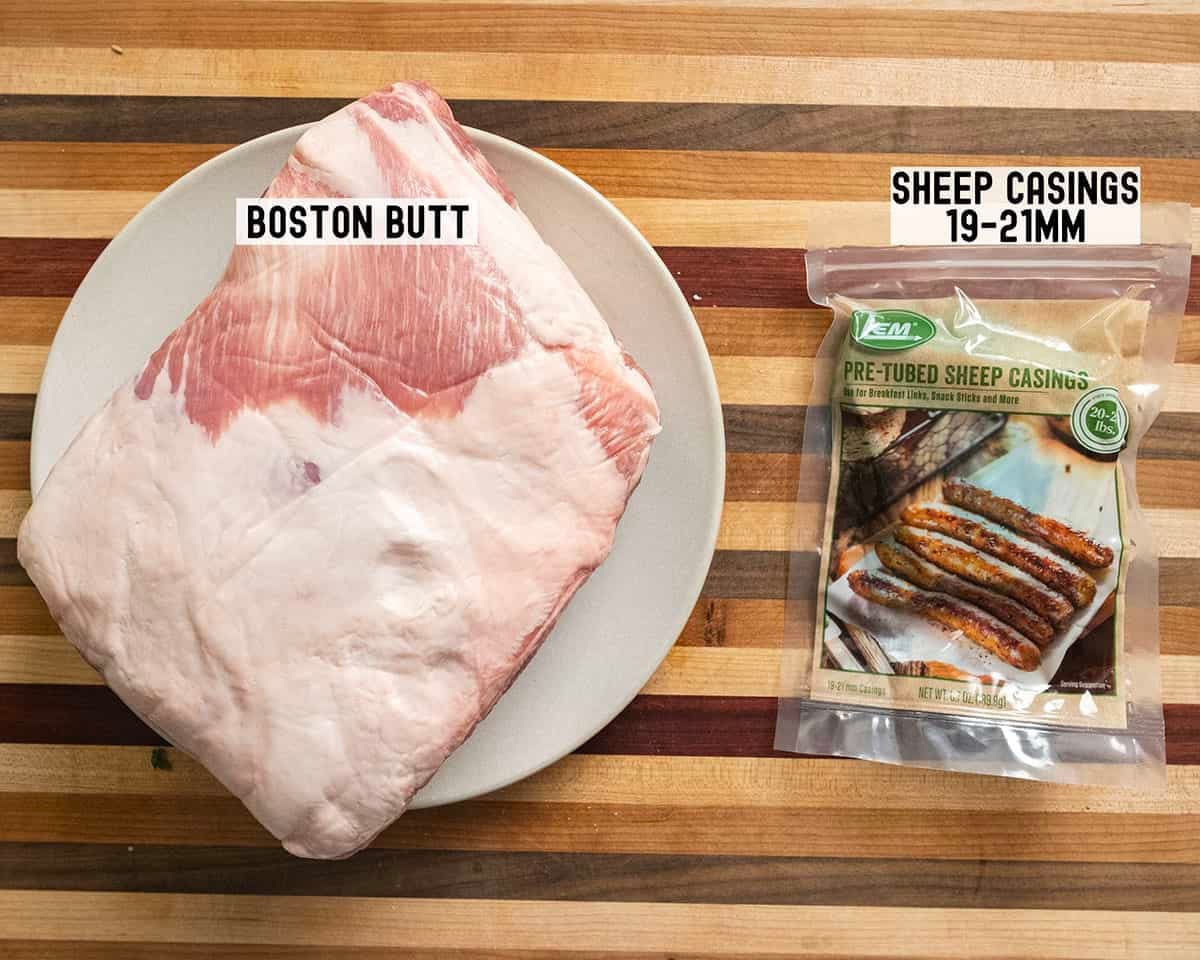
Any butcher will tell you that choosing the pork is the most important part. I learn so much about meat every time I go to the butcher. If you don't know, ask! I used to go to the butcher and buy a Boston butt and some pork fat and cut it all up myself. This time, I was talking to the butcher, and he actually told me he'd do it for me and I'd save money because I wouldn't be paying for the bone.
When you are choosing your pork to make chevalatta, it is important to have 70-80% lean meat and 20-30% fat. Real butchers will tell you not to go below 25% fat. I sometimes like to do 80%/20% just because if I don't have extra fat, it will have to do. I also feel like you always get more fat than you ask for because it's hard to separately weigh all the fat and pork, and it's always better to err on the side of fattier when it comes to sausage.
You also want to make sure you're using mostly hard fat. It is about the same texture as the meat, if not harder. Soft fat feels a bit jelly-like and wet. You always want more hard fat because it will go through the grinder without getting tangled or jammed. I go into more detail about this in my How to Make Homemade Italian Sausage Blog.
Once you have your pork, it's time to head home and grind your meat.
Grinding the Pork
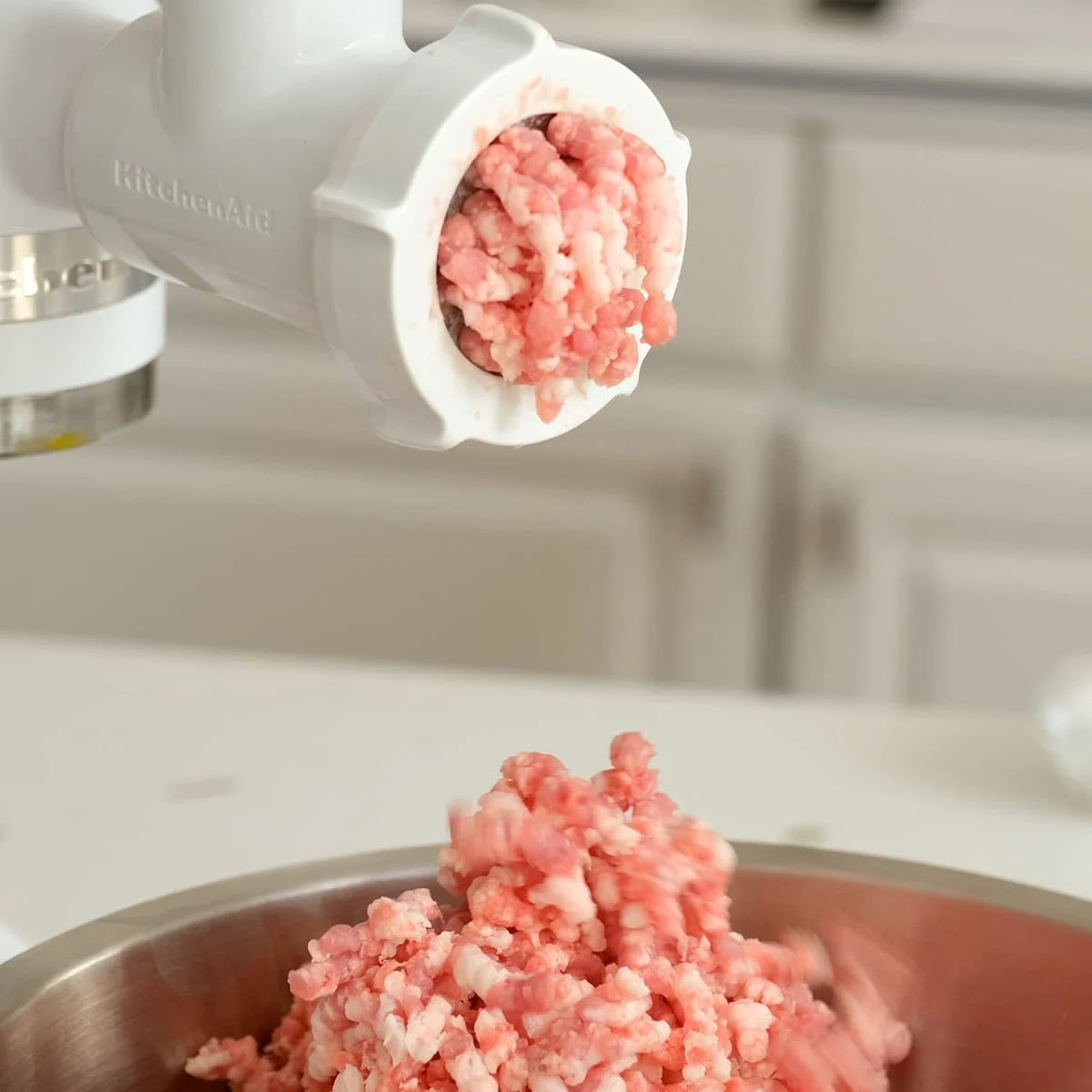
I use my KitchenAid Mixer for grinding. It has a grinder and sausage stuffing attachment that works really well, and the KitchenAid mixer is a workhorse. We've had our mini for 10 years now
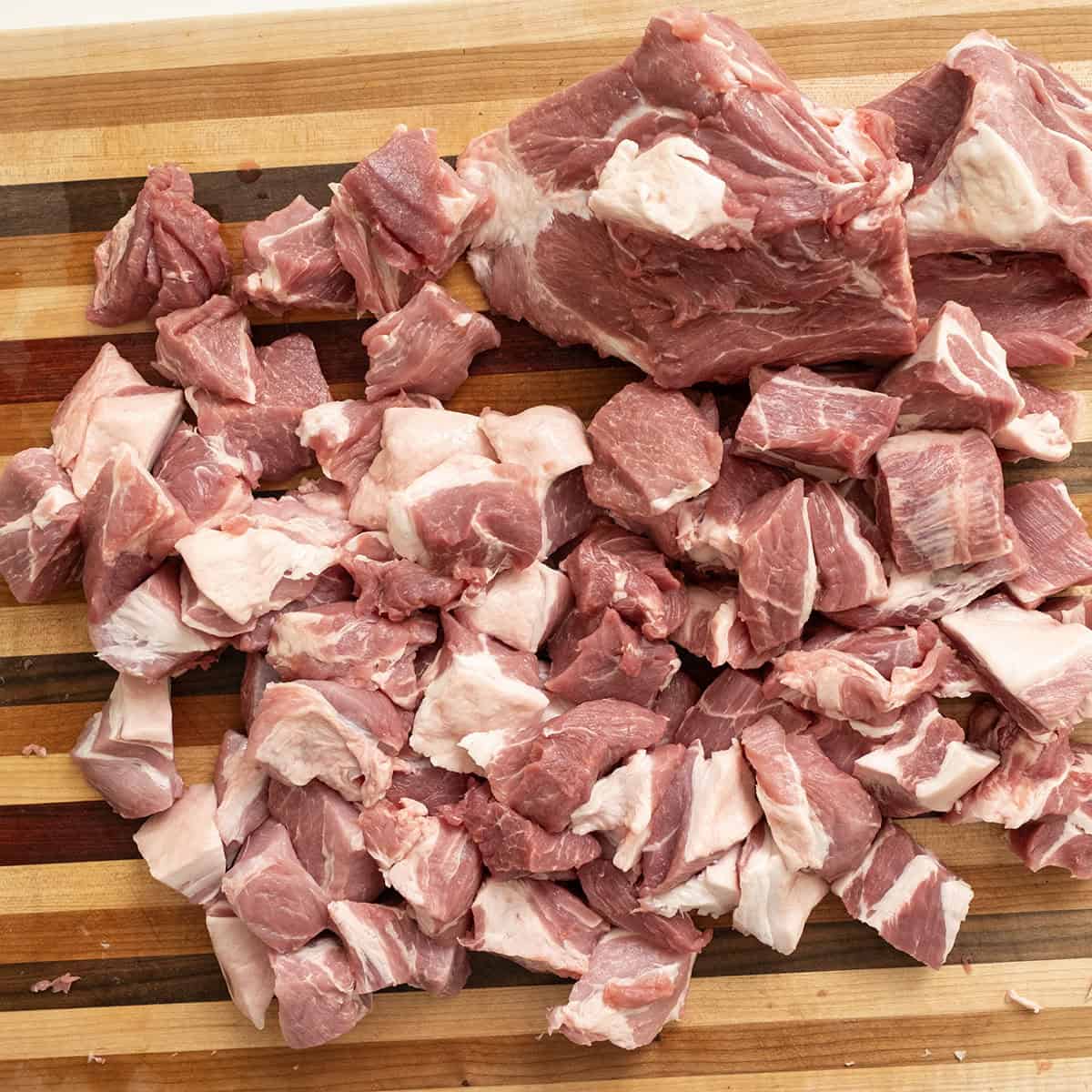
Chop your pork into 1-2 inch square pieces. You want the pork to be smaller than the hole in the grinder you have to stuff it into. Place the pork on a metal tray in the freezer along with the grinder attachment pieces for 30 minutes. Cooling the pork down will help keep the best texture during the grinding phase. If the pork gets too warm, the fat will start to melt and get really stringy. It will stop up the grinder, and you'll have to clean it all out.
After attaching the grinder, we're going to grind the pork twice. First, we'll run it through the larger grind attachment. Then I switch it to the smaller grind attachment and grind it again to get it down to a small texture that will be perfect for chevalatta.
Pro-Tip: I use a speed of 6-8 when grinding the meat.
Seasoning the Pork
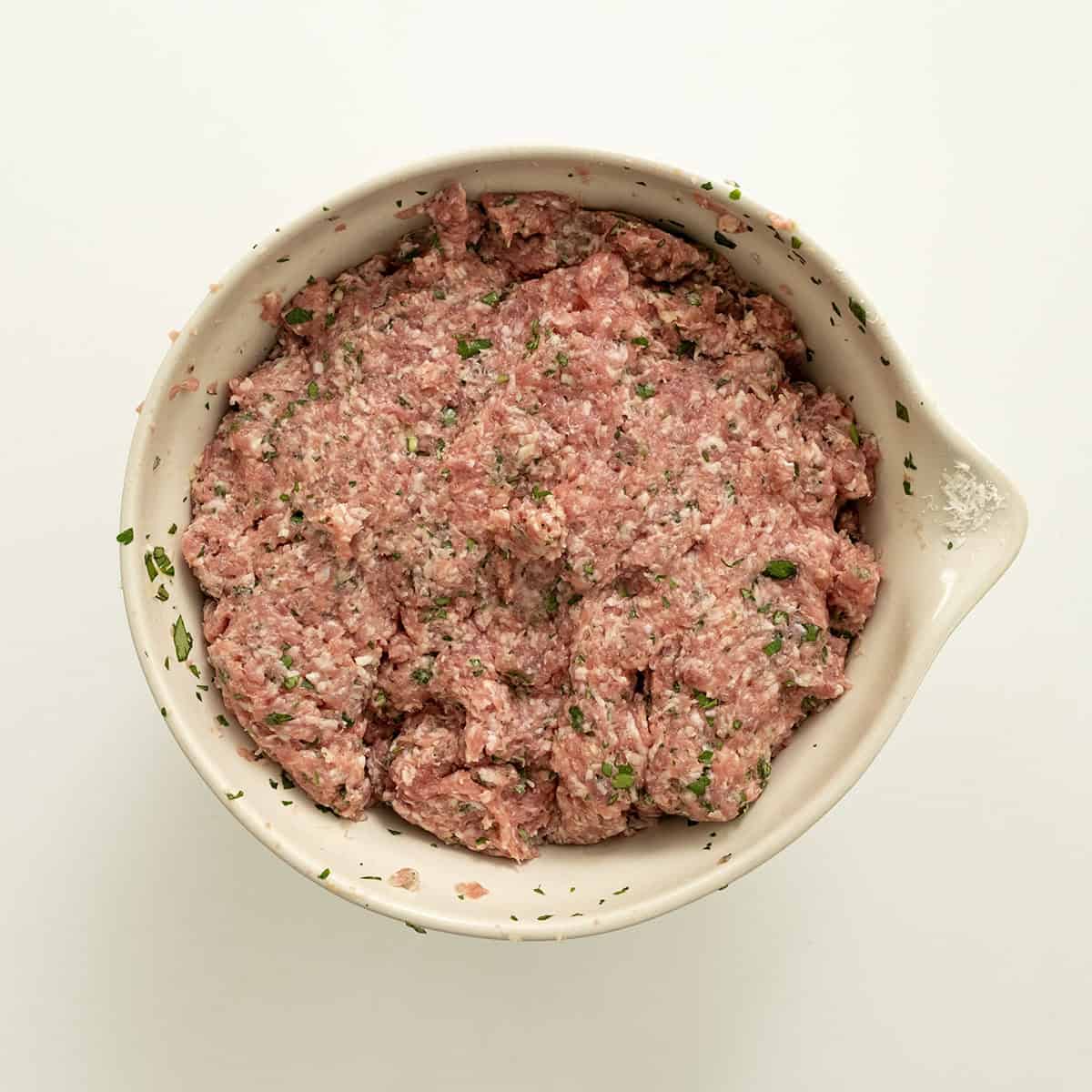
One of the other more important aspects of sausage is salt content. The right salt content will make the sausage snappy and juicy. You always want to have 1-2% of the total weight of the meat in salt. The other seasonings are just for flavor. The salt makes the sausage.
After the meat is ground, add the salt, cheese, parsley, basil, garlic, wine, and olive oil. Combine by hand until incorporated. Cover the bowl with plastic wrap and rest in the fridge overnight. The salt needs time to penetrate the meat.
Rinsing the Casings
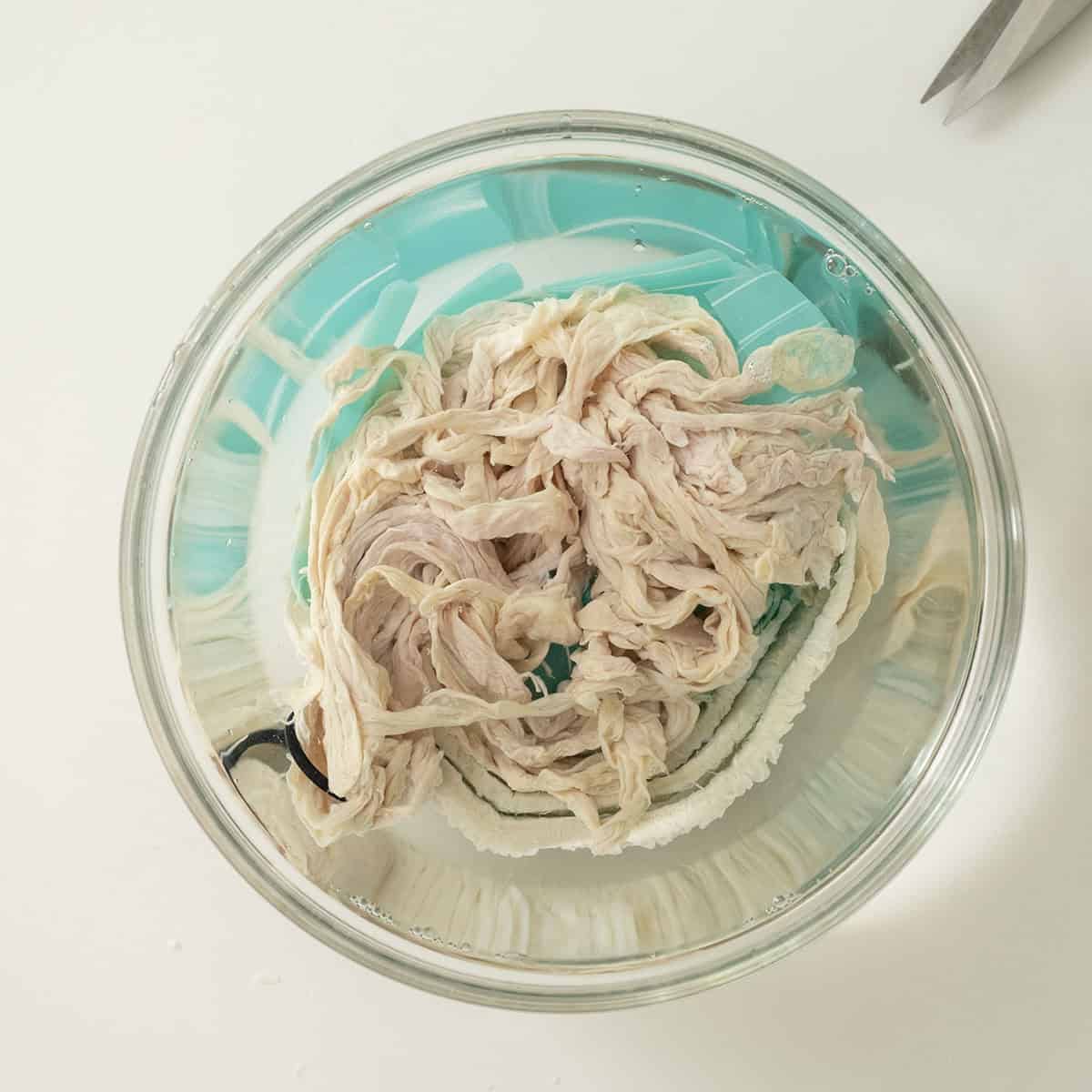
Remove the casings from their packaging. Place them in a bowl of cold water. Wrap in plastic wrap and place in the fridge overnight with the sausage.
Before taking the meat out of the fridge in the morning, take your sheep casings out and rinse them in warm water thoroughly. I clean my sink thoroughly before doing this in case one of the casings slips and touches the sink. I make sure to do this in a bowl. Allow them to soak for 30-60 minutes in a bowl of warm water.
Stuffing the Sausage
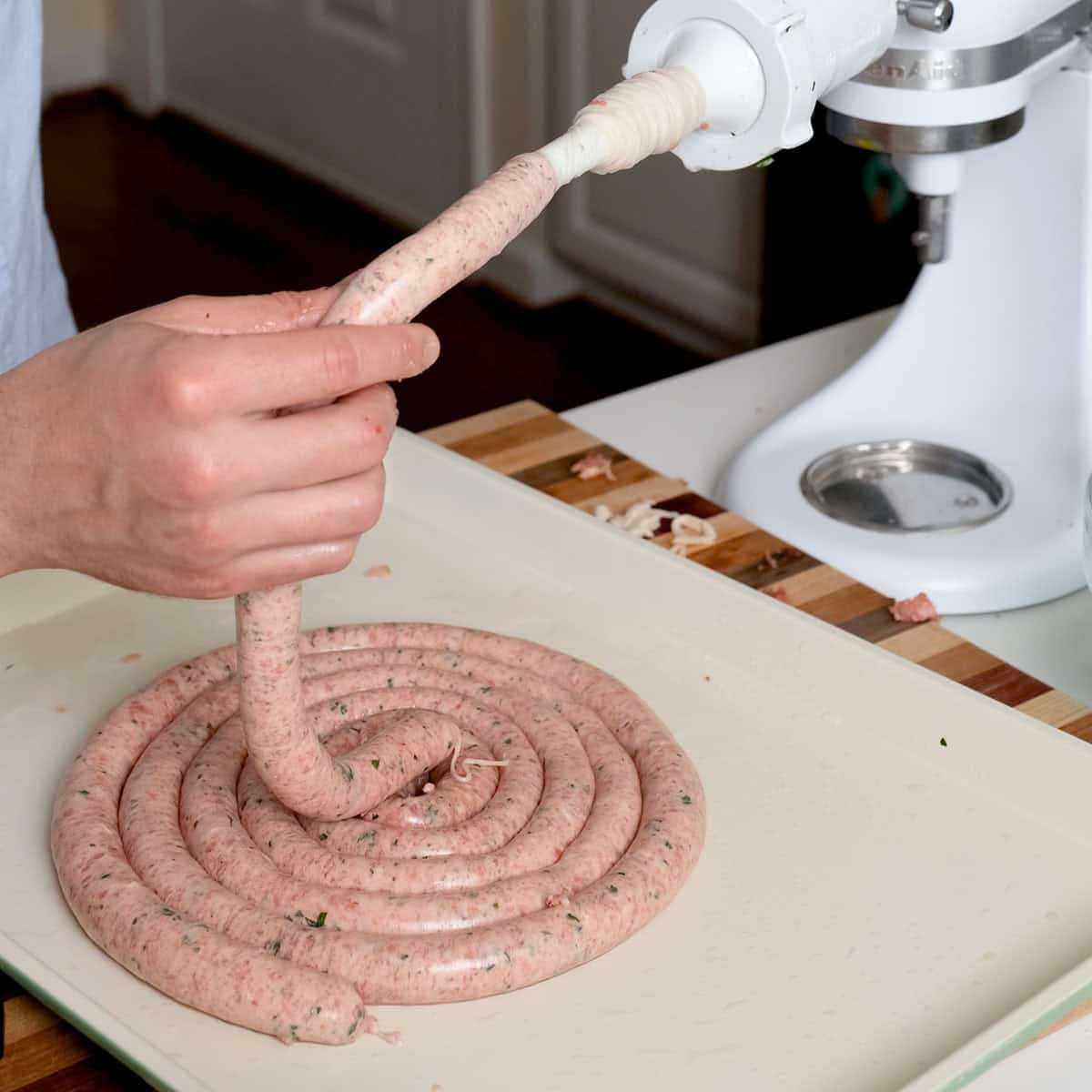
Set up your sausage stuffing attachment with the smaller of the two attachments. Remove the casing from the water, and run a little olive oil over them and the stuffing attachment. Slowly thread the casing onto the stuffer. When you get to the end, don't tie the knot just yet. Start adding your meat to the mixer and start the machine on a low speed until you get the machine filled to the end of the sausage stuffer. Then tie the knot in the casing. This will make it so that less air gets into the casing.
Start stuffing the casing at a speed of 6-8. Start slow until you get the hang of it. Try to consistently press meat through the machine. Shape the ring as you go. It will be easier than doing it at the end because you could risk tearing it.
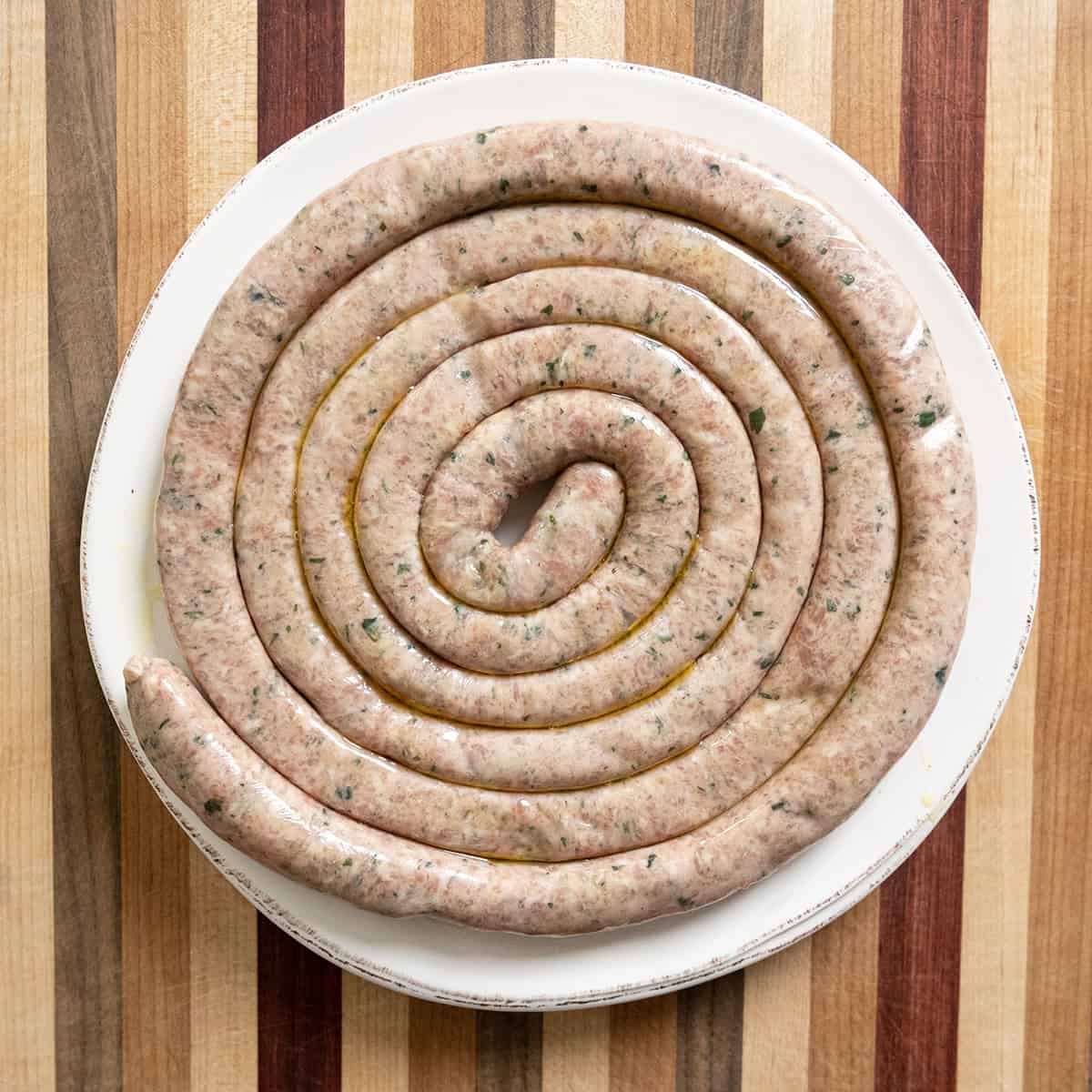
Once the sausage is stuffed, tie another knot. Wrap the sausage in plastic wrap and place it in the fridge overnight to shape and marinate.
Grilling Italian Sausage Ring
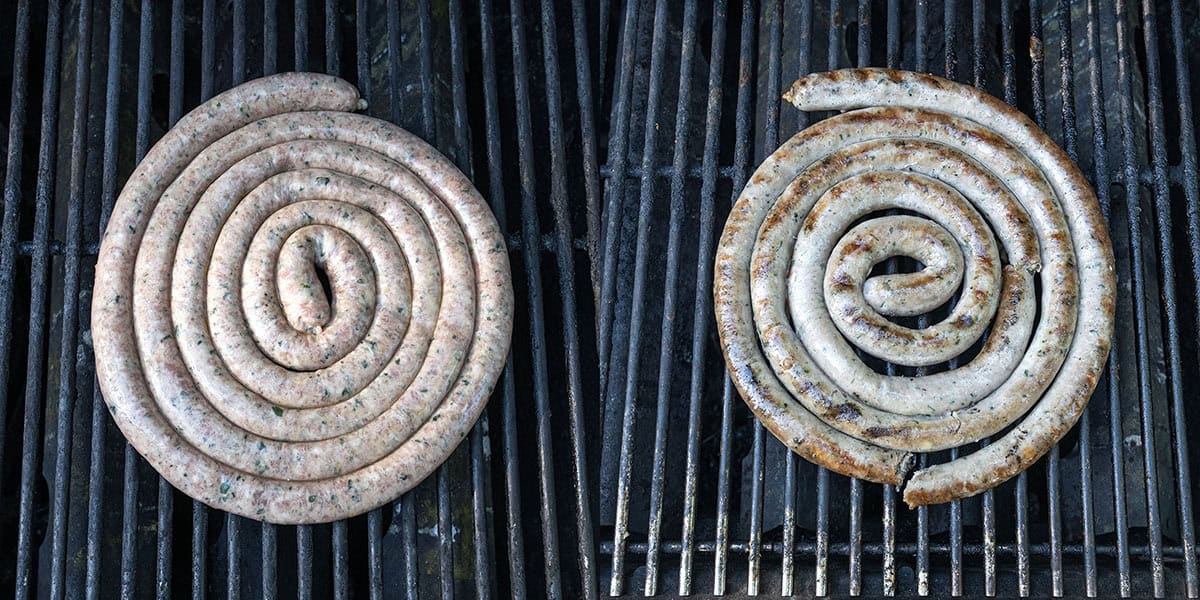
Place your grill on high heat. Allow the grill to heat up to between 500-600℉. Place the sausage on the grill and lower the heat to medium. Grill on each side for about 4 minutes or until the temperature reaches 160℉. Allow to cool for 5 minutes and then serve with a side dish like Italian Grilled Eggplant.
What to Serve Chevalatta with
- This Italian sausage ring would go great with Maple Bacon Brussel Sprouts or Grilled Foil Potatoes.
- Easy Steamed Artichokes on the side of this sausage would be the perfect match made in heaven.
- I would love to top this sausage with some Marinated Eggplant and Onion or even put them both on a sandwich!
- Have this chevalatta on the side of some Lemon Pasta with Spinach, Mushroom Truffle Risotto, or Garlicky Cauliflower Pasta!
- Serve it as an appetizer with some Air-Fried Zucchini Fritters or the OG Macaroni Salad!
- Having a BBQ? Serve sausage alongside some of our favorite sliders, Bacon Onion Jam Blue Cheese Slider, or the Goat Cheese and Fig Jam Burger
- Use Chevalatta to stuff your Italian Sausage Bread!
FAQs about Ring Sausage
What is an Italian Sausage Ring called?Chevalatta! Or in Italian, cervelatta. I hope after reading this blog that's obvious. Spiral sausage, ring sausage, sausage ring. It's all chevalatta (cervelatta).
How to reheat Italian Ring Sausage?You don't, you eat it all in one sitting! Just kidding, you can microwave it, or slice it up and fry it, and add it to pasta!
Delicious Pasta Recipes to Add Cervelatta
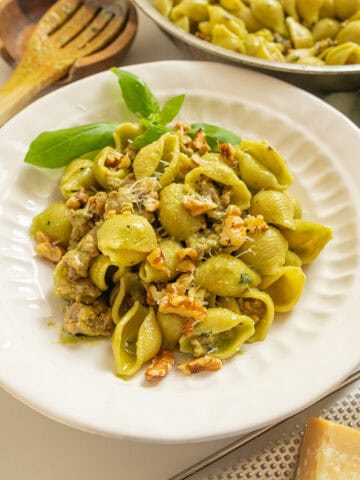 Kale Walnut Pesto Pasta
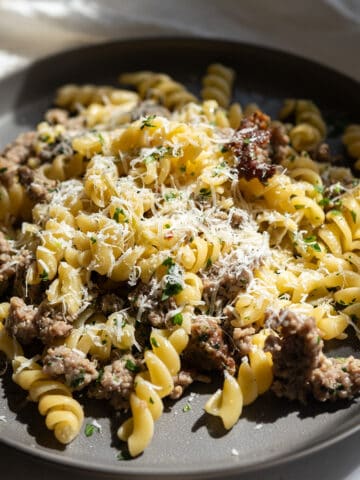 Sausage and Fennel Pasta
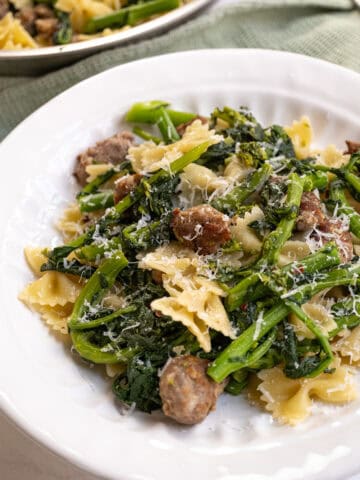 Pasta with Sausage and Broccoli Rabe
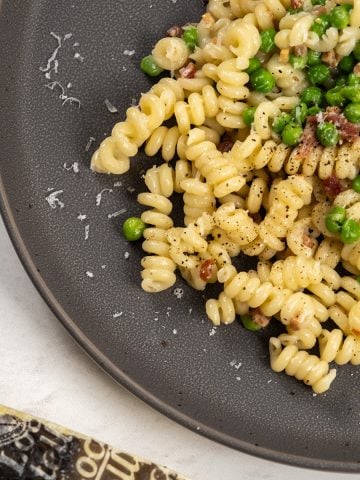 Pasta with Peas and Pancetta
Ingredients
Equipment Kitchen aid mixer, Kitchen aid grinder attachment, Kitchen aid sausage stuffing attachment, grill, large mixing bowl
Steps
- 1
Chop your pork into 1-2 inch square pieces. Place pork in the freezer along with grinder attachment pieces for 30 minutes. While in the freezer, combine your cheese, herbs, garlic, and salt in a bowl.
- 2
After attaching the grinder, grind the pork using the smaller of the two attachment options if possible. I usually end up grinding on the larger attachment first and then grinding a second time on the smaller attachment.
- 3
Once all the pork is ground, combine it with the seasonings and olive oil. Use your hands to mix everything together until fully incorporated. Wrap with plastic wrap and place in the refrigerator overnight.
- 4
Place the sheep casings in a bowl of cold water. Wrap and place in the fridge overnight.
- 5
1 hour before stuffing the casings, remove them from the fridge and rinse thoroughly, allowing the water to go into the casing to remove excess salt. Then place the casings in a bowl of warm water to soak for 1 hour.
- 6
Set up the KitchenAid sausage stuffing attachment with the smallest attachment. Apply olive oil to the outside of the stuffing attachment and drizzle the casing. Thread the casing onto the attachment and slide it all the way on until it gets 1-2 inches from the end.
- 7
Start the KitchenAid mixer on about 6-8 speed and add the ground meat. Allow the meat to get pushed all the way to the tip of the stuffing attachment, THEN tie a knot in the casing. This will prevent air from entering the casing. Once the knot is tied, start stuffing the casing. Try to shape the sausage into a ring while you're stuffing. Once you get to the end, tie another knot. You should get 3-4 sausage rings.
- 8
Rest the sausage in the fridge overnight.
- 9
Place your grill on high heat. Allow the grill to heat up to between 500-600℉. Place the sausage on the grill and lower the heat to medium. Grill on each side for about 4 minutes or until the temperature reaches 160℉. Allow to cool for 5 minutes and then serve.
Notes
Notes
Nutrition
- Calories190 kcal
- Carbs0.5 g
- Protein23 g
- Fat10 g
- Saturated fat3 g
- Sodium798 mg
- Fiber0.05 g
- Sugar0.04 g
- Cholesterol72 mg
Nutrition is an estimate for one serving.
More recipes to try next
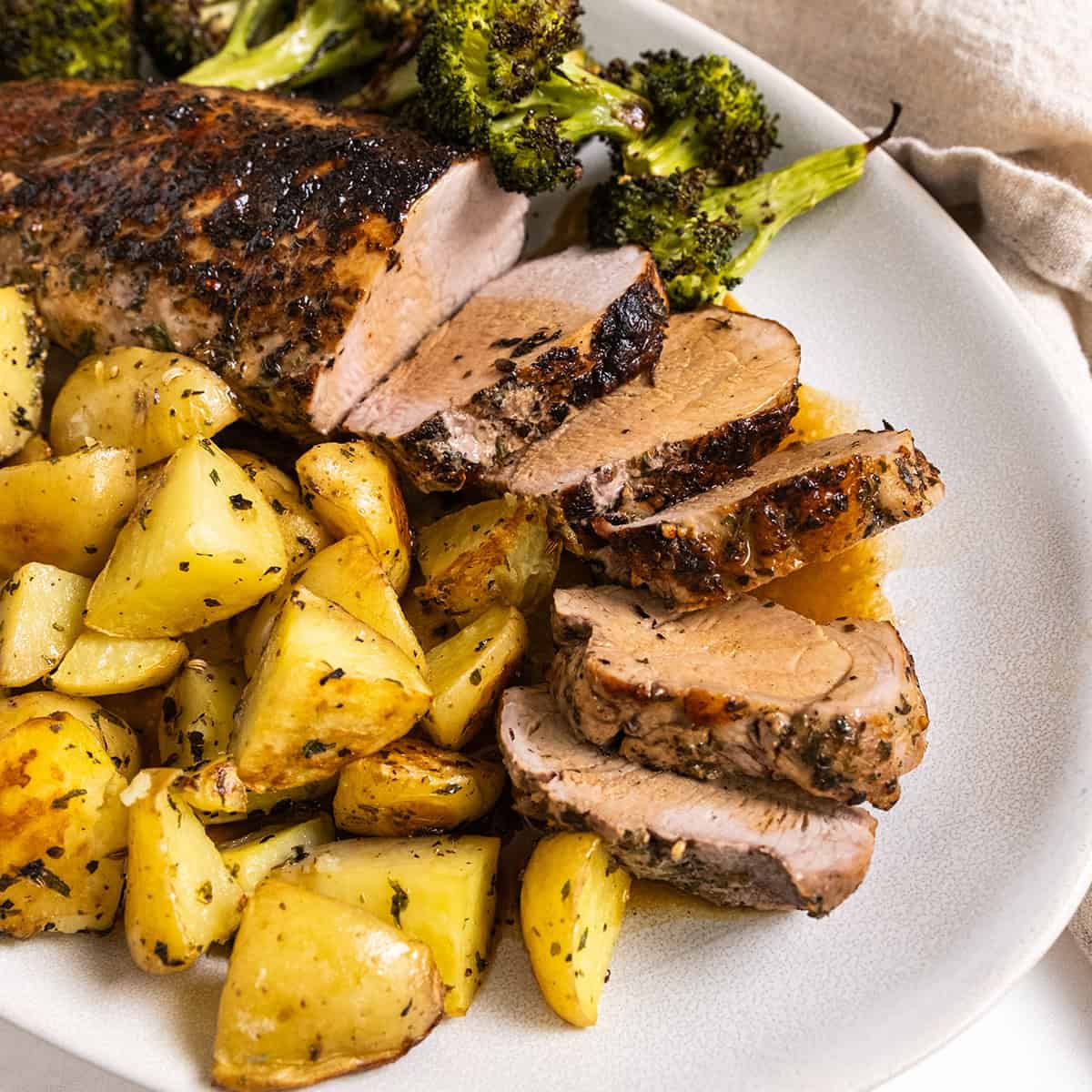 Italian Pork RecipesItalian Cast Iron Pork Tenderloin
 Handhelds and SandwichesThe Big Fat Greek Chicken Burger
 Summer RecipesCreamy Corn Orzo
 Italian Easter RecipesItalian Pork Roast
 Italian Easter RecipesCaprese Tortellini Salad
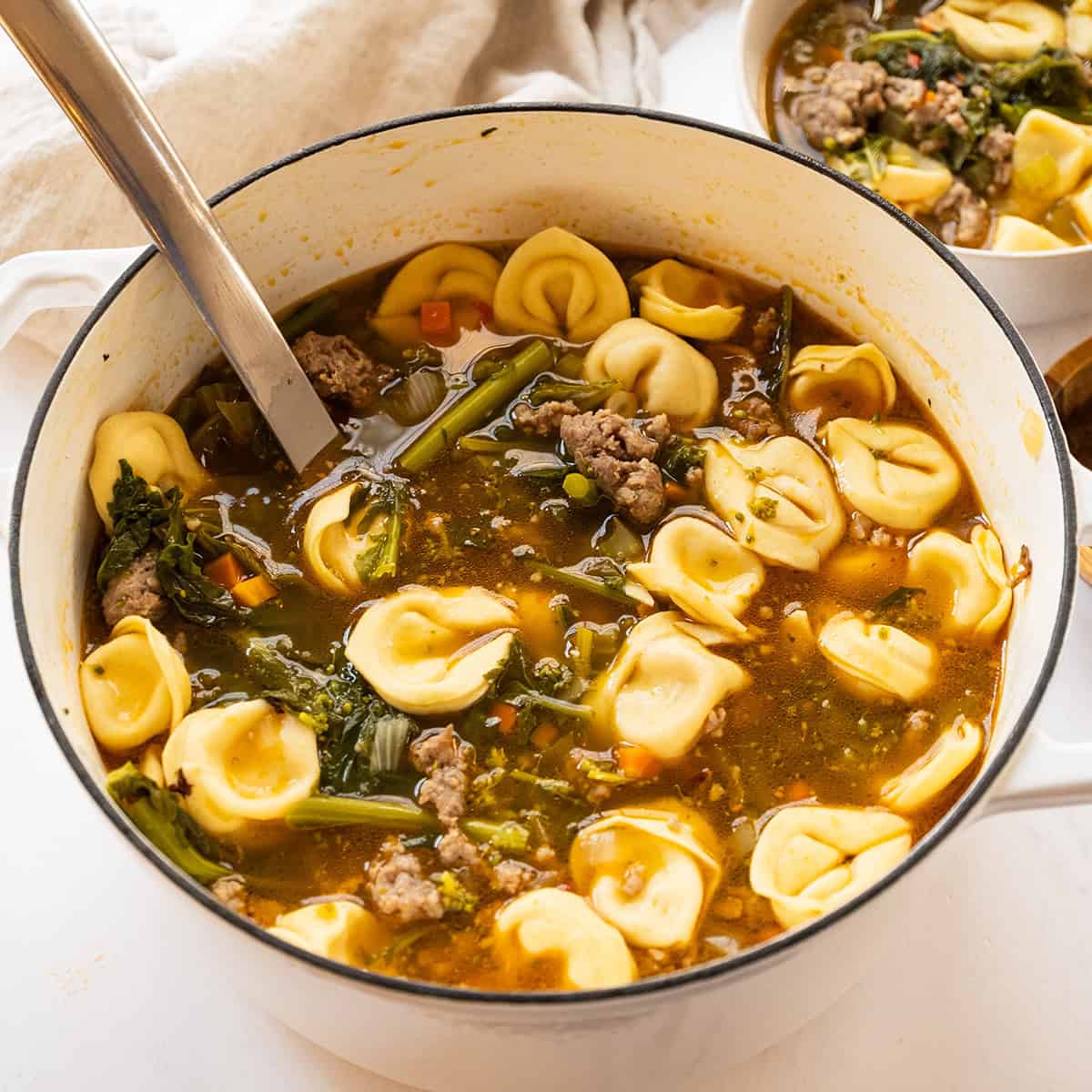 Italian Vegetable RecipesBroccoli Rabe and Tortellini Soup
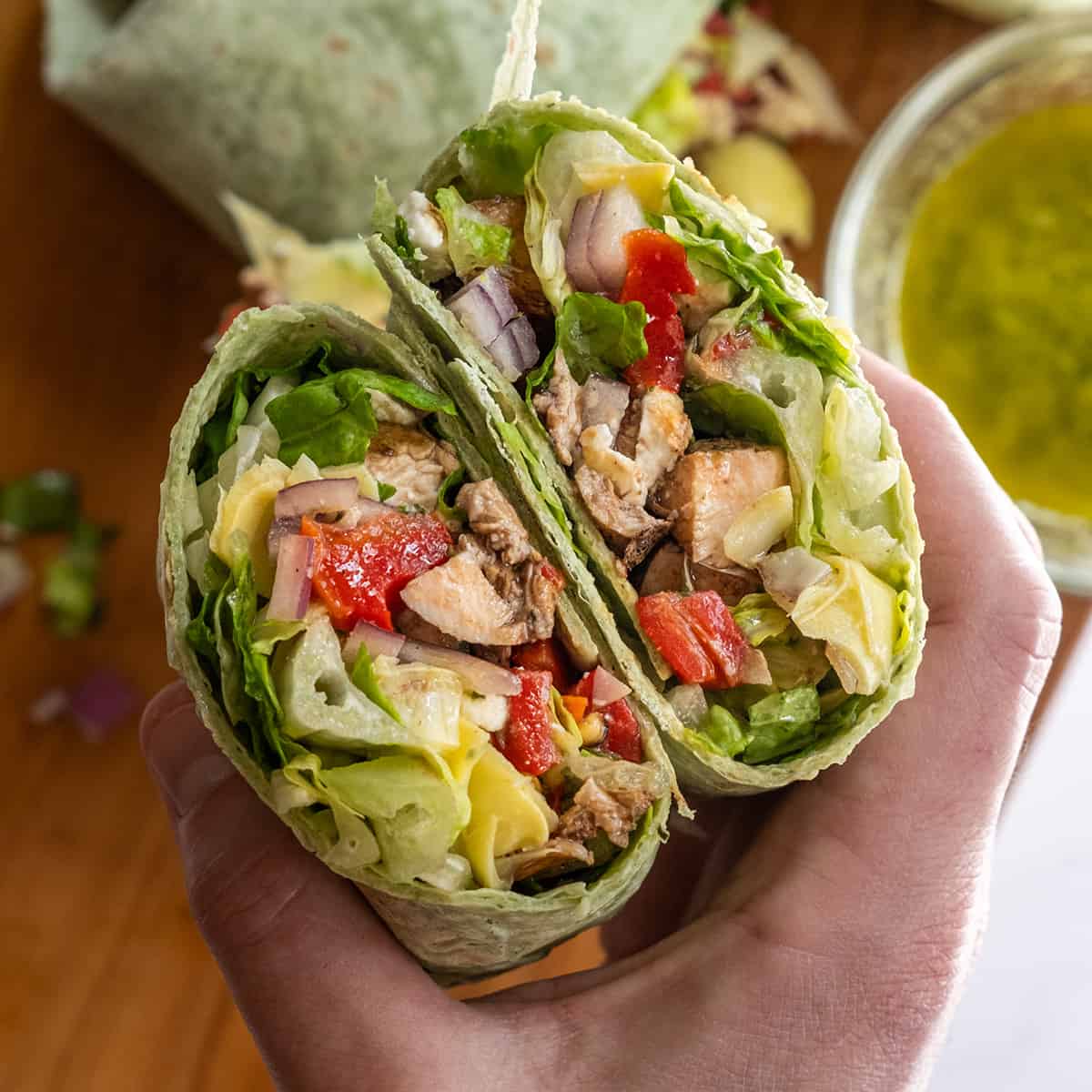 Handhelds and SandwichesMediterranean Chicken Wrap
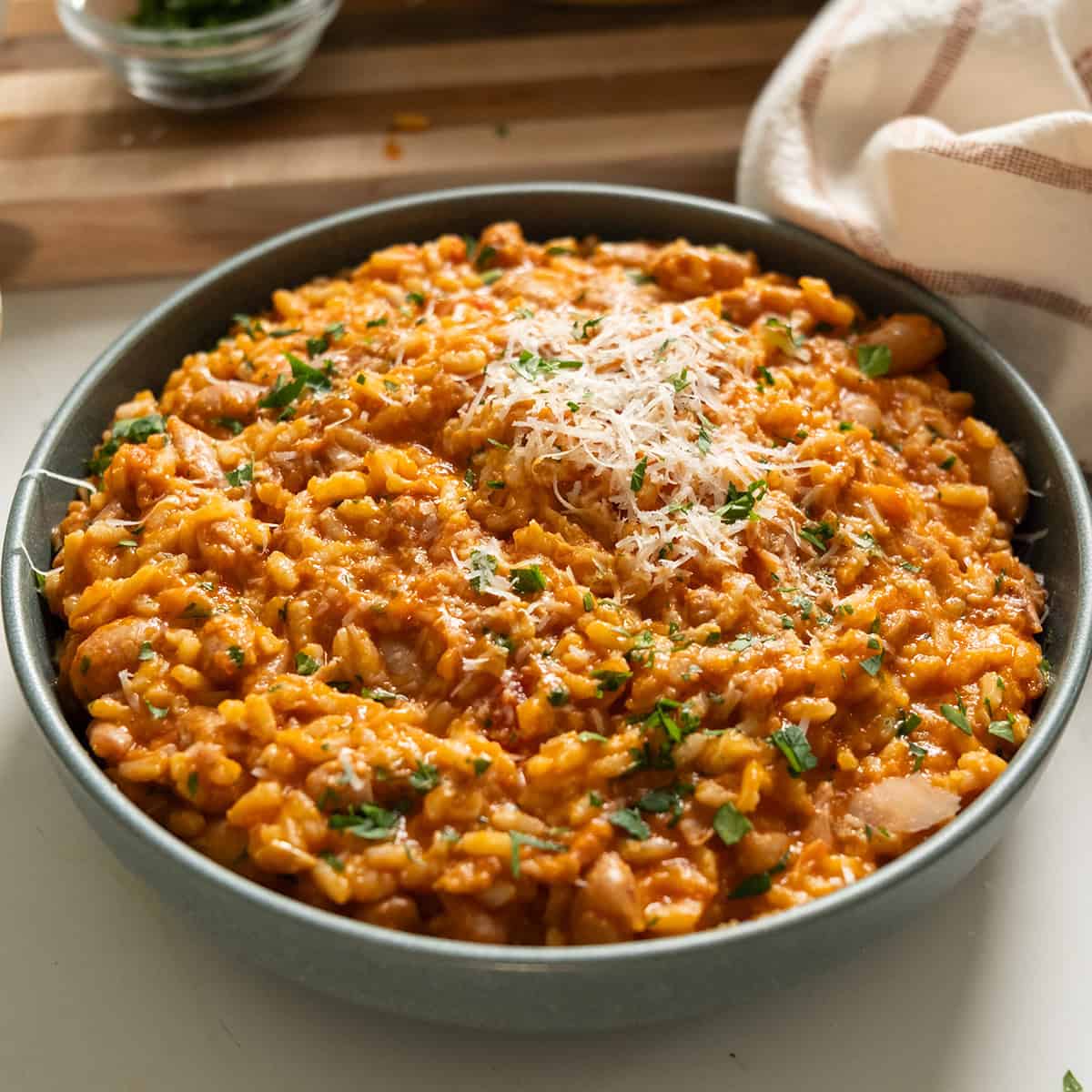 Old School Italian RecipesItalian Rice and Beans (Riso e Fagioli)