
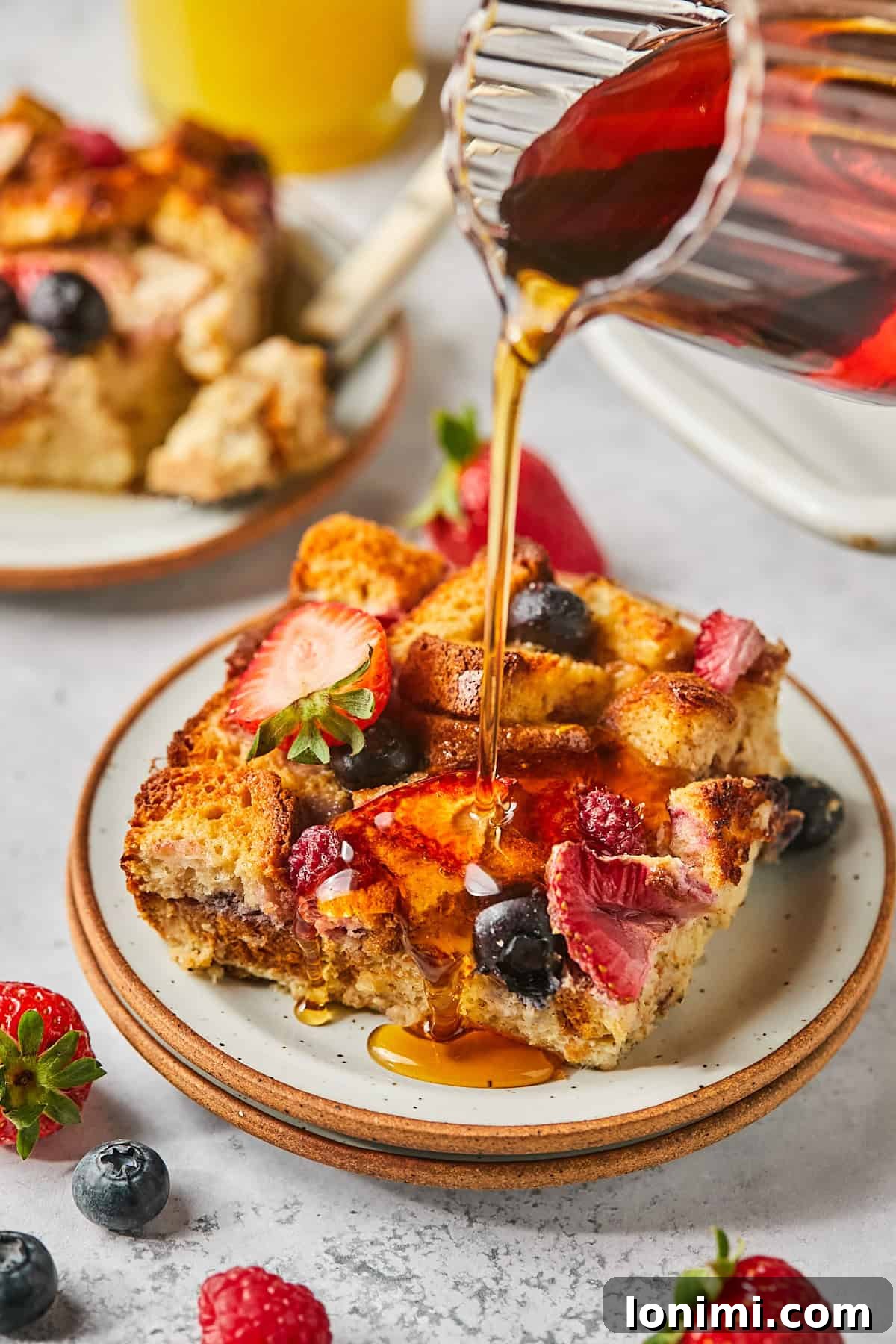
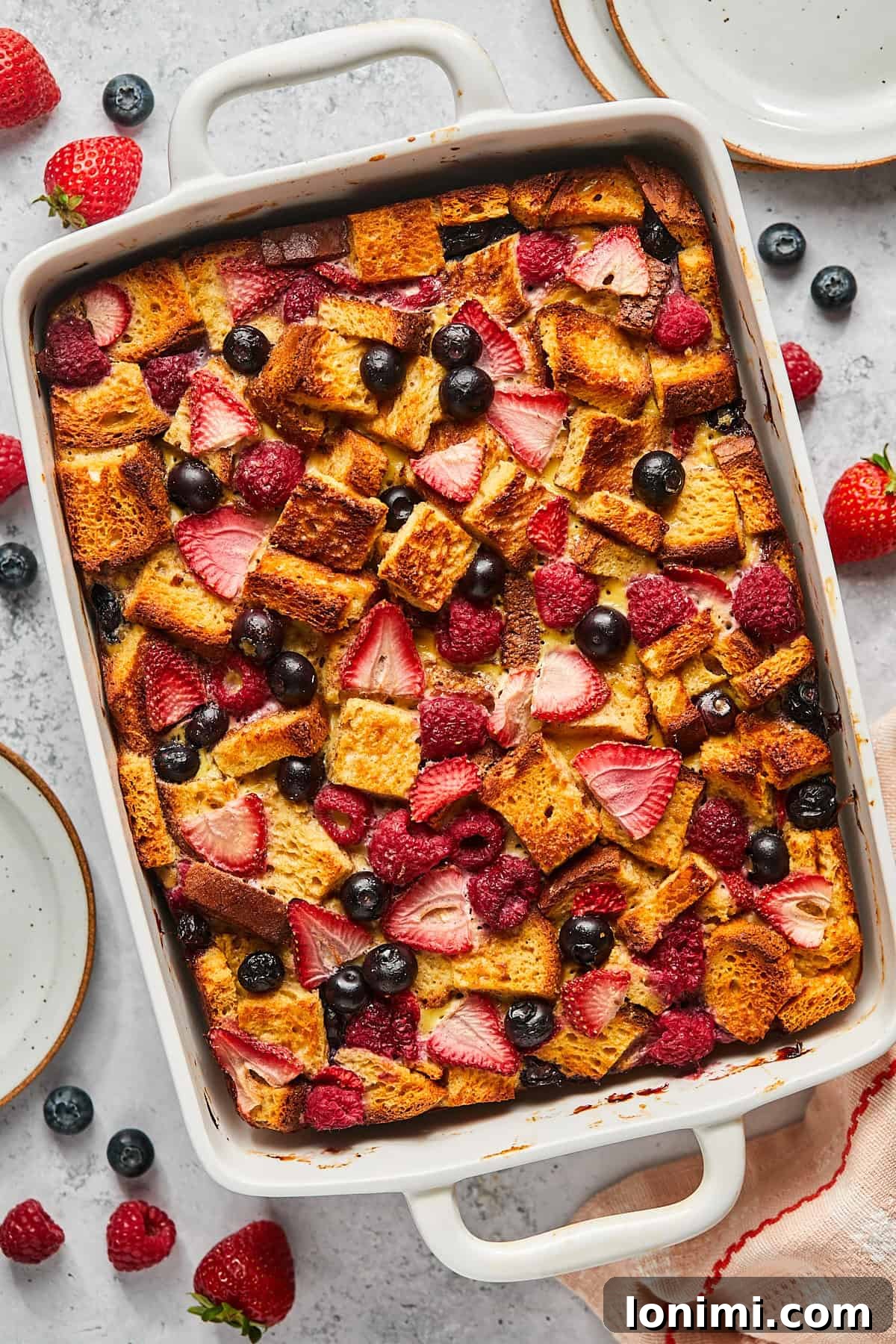
If you’re seeking the quintessential breakfast dish to grace your table on festive mornings like Christmas or Mother’s Day, or for an upcoming holiday brunch, your search ends here. This gluten-free Protein French Toast Casserole stands out as the ultimate make-ahead delight. Imagine the ease of preparing it the night before, then simply sliding it into the oven the following morning. The result? A stress-free, high-protein breakfast that promises to be a family favorite, delivering an impressive 19 grams of protein per slice!
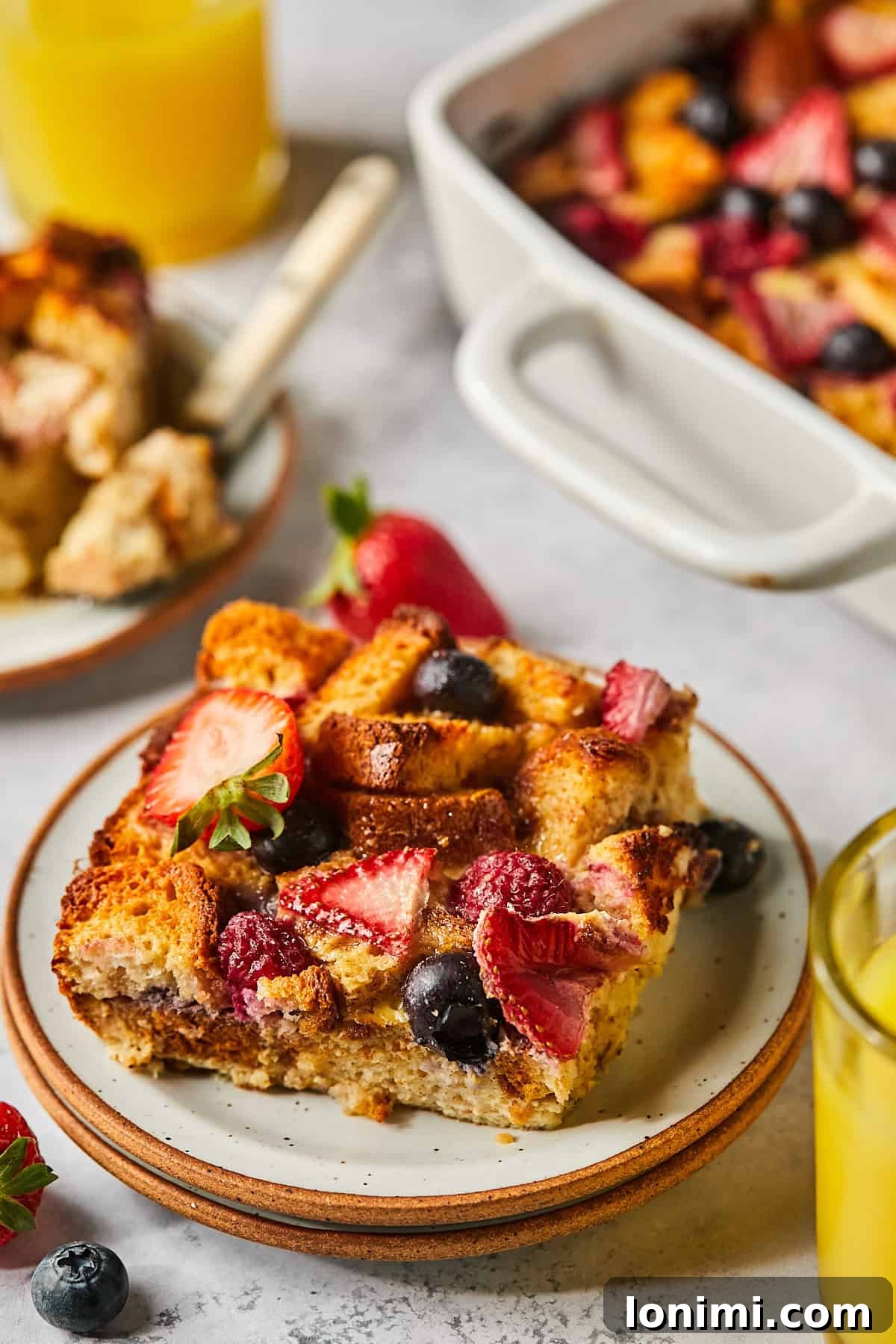
Why This Protein French Toast Bake is Your New Brunch Staple
Breakfast casseroles are my personal go-to for navigating the hustle and bustle of holiday mornings, offering a perfect blend of minimal prep and maximum flavor. This particular high-protein French toast recipe is crafted for those mornings when you crave something truly indulgent yet energizing. It’s not just a meal; it’s a celebration of convenience and wholesome goodness, designed to simplify your special occasions.
Beyond its delicious taste, this casserole boasts significant health benefits. Made with gluten-free bread, it’s a safe and delightful option for anyone with gluten sensitivities or Celiac disease, ensuring everyone at the table can enjoy it without worry. The protein punch comes from a powerful trio: eggs, creamy cottage cheese, and a scoop of vanilla protein powder, making it an excellent choice for sustained energy. This wholesome recipe also pairs beautifully with a comforting hot chocolate or a refreshing iced coffee, elevating your brunch experience.
Unlike many traditional French toast recipes that can be laden with excessive sugar, this casserole takes a healthier approach. It uses just a touch of pure maple syrup and harnesses the natural sweetness of a vibrant berry medley to keep sugar content lower without compromising on flavor. The combination of raspberries, blueberries, and strawberries not only introduces a beautiful spectrum of colors but also provides a fresh, slightly tangy counterpoint that perfectly balances the rich, custardy base. This protein-packed breakfast is an ideal fit for a cozy weekend brunch or a cherished holiday morning tradition. Serve it elegantly with a dusting of powdered sugar, a sprig of fresh mint, and an extra drizzle of maple syrup, and you’ll have a stunning dish that’s guaranteed to impress your guests and bring smiles all around.
For those perpetually busy mornings, having more make-ahead options is a game-changer. My overnight oats recipe offers another incredibly easy and protein-rich breakfast solution, ensuring you start your day nourished and ready for anything.
The Convenience of a Casserole over Traditional French Toast
One of the biggest advantages of a French toast casserole, especially this protein-packed version, is its remarkable convenience compared to individual slices of traditional French toast. With traditional French toast, you’re often standing over a griddle, flipping slices and serving them hot as they cook. This can be time-consuming and often means the cook is the last to eat, missing out on precious family time.
A casserole, however, transforms this process. You can assemble it entirely the night before, allowing the bread to fully absorb the rich custard overnight, which enhances both flavor and texture. Then, on the morning of your event, simply pop it into the oven. This hands-off approach frees you up to enjoy your guests, sip coffee, or simply relax. It bakes into a cohesive, sliceable dish that feeds a crowd effortlessly, making it perfect for gatherings where you want to serve a delicious, impressive meal without the morning stress.
Essential Ingredient Notes & Substitution Ideas
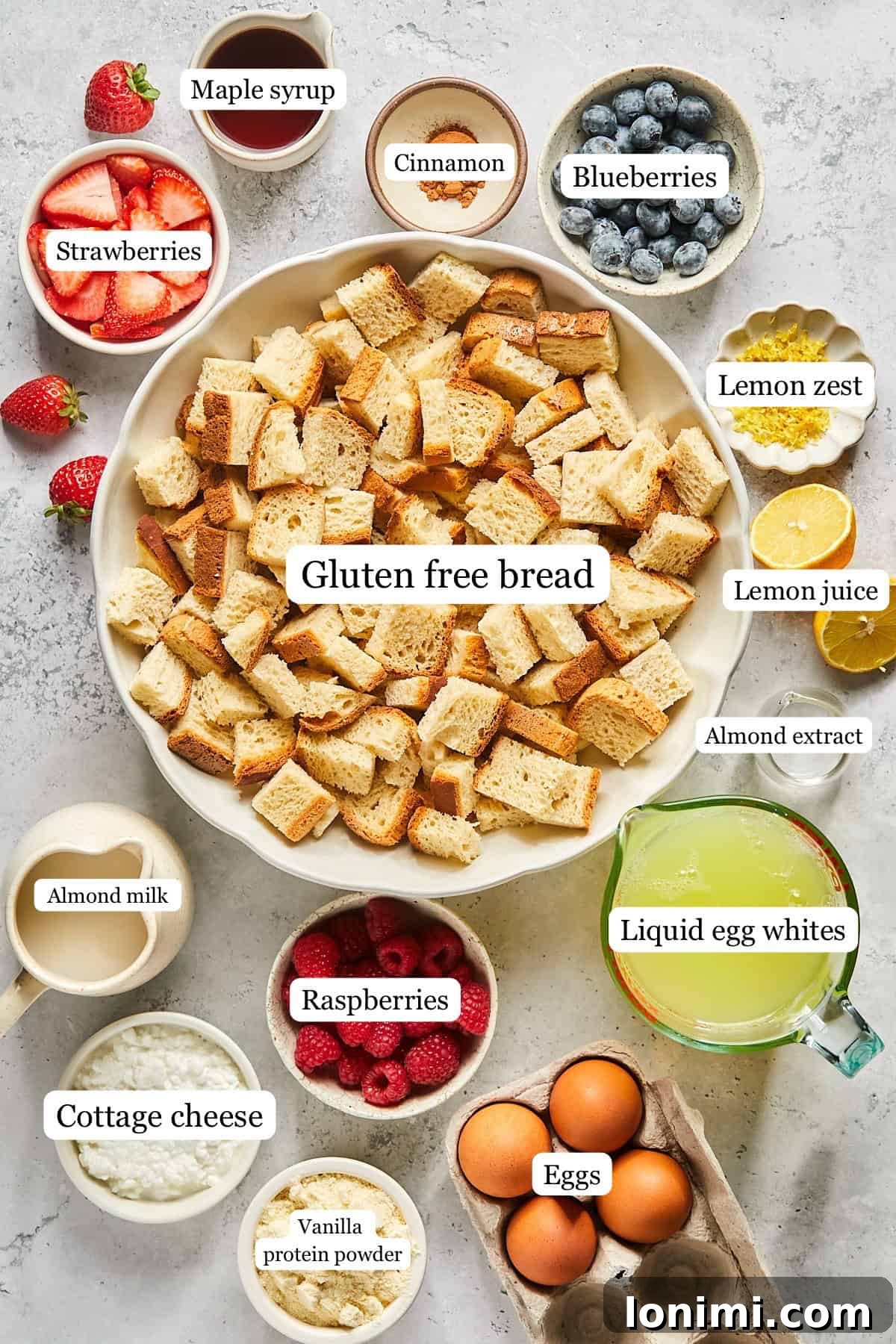
- Gluten-Free White Bread: This is the foundational component of our casserole, acting as a sponge for the delectable custard mixture and contributing essential texture. Using a sturdy gluten-free bread like Canyon Bakehouse Gluten-Free Country White is highly recommended due to its ability to hold up well without becoming overly soggy. However, feel free to use your favorite brand of gluten-free white bread. Stale bread works best as it absorbs the liquid more efficiently, preventing a mushy outcome. If your bread is fresh, a quick toast in the oven can achieve a similar effect.
- Raspberries: These lovely fresh berries introduce a burst of juicy, slightly tart flavor that perfectly complements the sweetness of the custard and other fruits. They also lend a beautiful, vibrant color to the finished dish. Blackberries make an excellent alternative if you prefer, offering a similar tart-sweet profile.
- Blueberries: Offering a gentle, natural sweetness, blueberries integrate seamlessly with the other berries to create a perfectly balanced fruit layer. Both fresh and frozen blueberries work wonderfully, making this ingredient convenient to use year-round. No need to thaw if using frozen!
- Strawberries: With their delightful sweetness and appealing color, thinly sliced strawberries provide a pleasant texture and a bright, refreshing element. You can easily swap them out for another type of berry or even thin-sliced apples or peaches if you’re looking for a different seasonal twist.
- Eggs: Large eggs are crucial for developing the rich, custardy base of the French toast. They act as a binding agent, holding all the components together, and impart a luxurious, smooth texture to the casserole.
- Liquid Egg Whites: Incorporating liquid egg whites helps to lighten the casserole while still providing necessary structure and a significant protein boost. If you prefer a richer, denser casserole, you can certainly substitute with more whole eggs to reach the desired liquid volume.
- Cottage Cheese: This ingredient is a secret weapon, adding an incredible creaminess and a substantial amount of protein to the custard without introducing an overpowering flavor. Blending it ensures a smooth consistency. For dairy-free options, Greek yogurt or ricotta cheese (dairy or non-dairy versions) can be suitable substitutes.
- Almond Milk: Serving as the primary liquid in our custard mixture, almond milk contributes to the creamy consistency while keeping the recipe dairy-free. Feel free to use any type of milk you prefer, whether it’s whole dairy milk, oat milk, or another non-dairy alternative like soy or cashew milk. Unsweetened versions are often best to control overall sweetness.
- Maple Syrup: Pure maple syrup adds a depth of natural sweetness that is quintessential for French toast. If you’re looking for alternatives, honey or agave nectar can be used in similar quantities. For a lower-sugar option, sugar-free syrups are also a viable choice.
- Lemon Zest: A touch of lemon zest brings an invaluable brightness to the dish. It cuts through the richness of the custard and the sweetness of the syrup, introducing a fresh, aromatic note that elevates the overall flavor profile.
- Lemon Juice: Just a splash of lemon juice is used to enhance the natural flavors of the berries and add a subtle, pleasant tang. If you prefer a less tangy casserole, you can reduce the amount or omit it entirely.
- Almond Extract: This extract imparts a delightful hint of nutty aroma that beautifully complements the berries and adds a layer of sophistication to the casserole. Vanilla extract is a fantastic and commonly used substitute if almond extract is unavailable or not to your taste.
- Ground Cinnamon: Ground cinnamon is a warming spice that brings a cozy, comforting hint of flavor, making it absolutely perfect for a breakfast or brunch dish. It pairs wonderfully with both the berries and the custardy bread.
- Vanilla Protein Powder: The inclusion of vanilla protein powder is what truly boosts the protein content of this casserole, transforming it into a more satiating and nutritious meal. It also contributes a delicate vanilla flavor to the custard. You can use any brand of your favorite protein powder. If you prefer not to use protein powder, or wish to make it without, it can be omitted, or you could substitute with unflavored collagen powder for a protein boost without altering the flavor profile significantly.
A complete list of ingredients with precise measurements can be found in the detailed recipe card below.
How to Make Your Delicious Protein French Toast Casserole
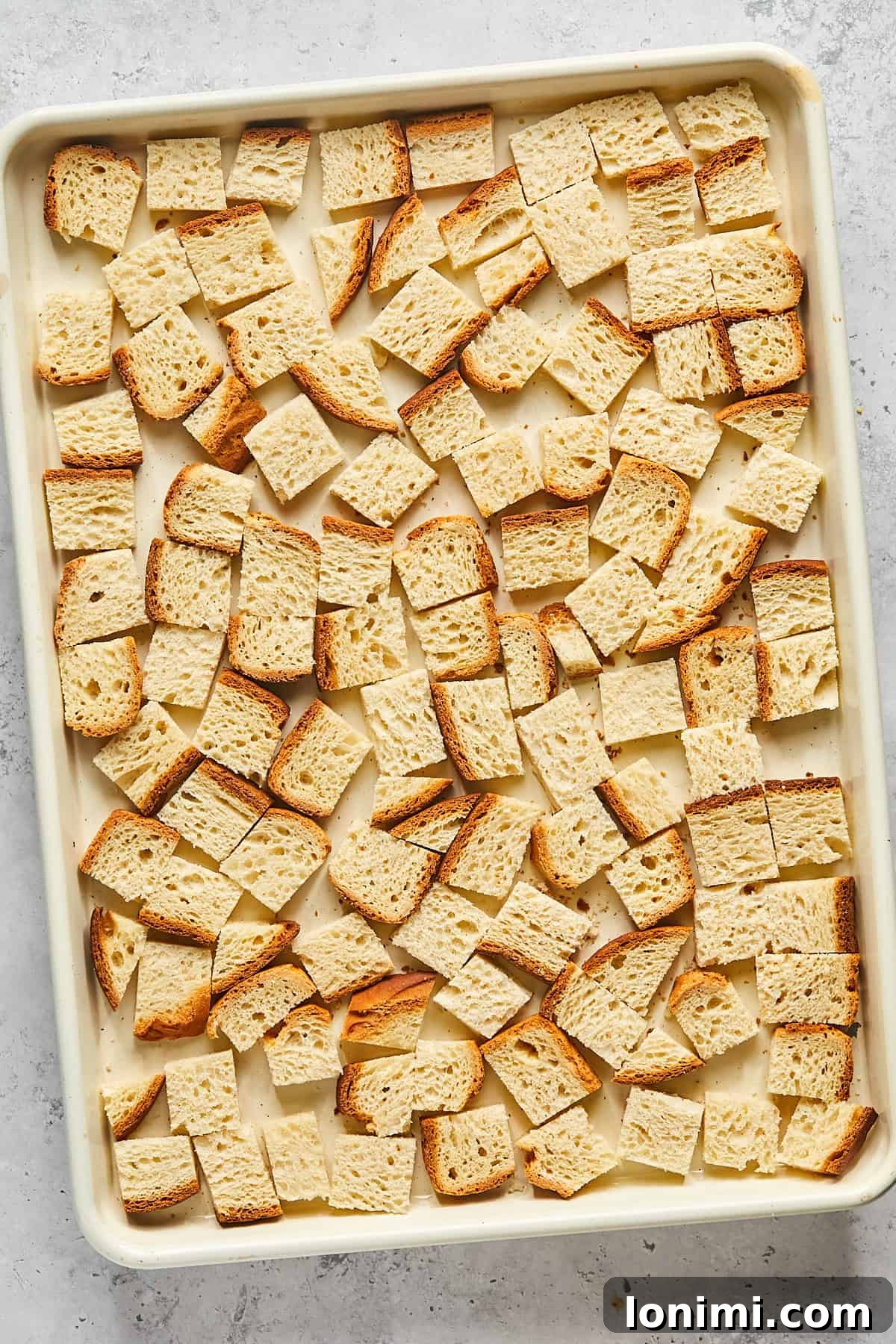
Step 1: Begin by preheating your oven to 350°F (175°C). Take your cubed gluten-free bread and spread it out evenly in a single layer on a large sheet pan. This ensures even toasting.
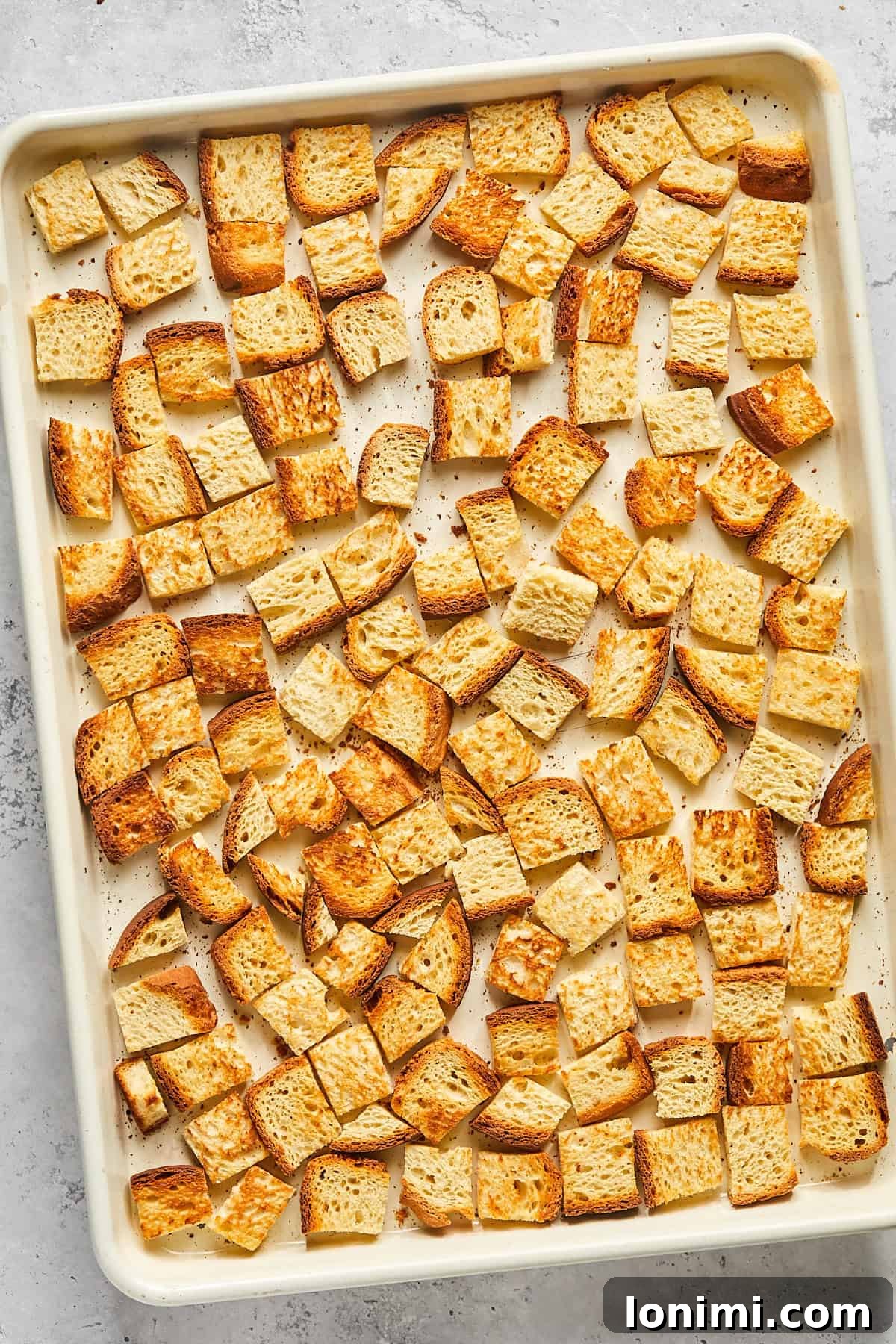
Step 2: Bake the bread cubes for about 10 minutes. Halfway through the baking time, give them a stir to ensure they toast evenly and dry out slightly. This helps prevent a soggy casserole later.
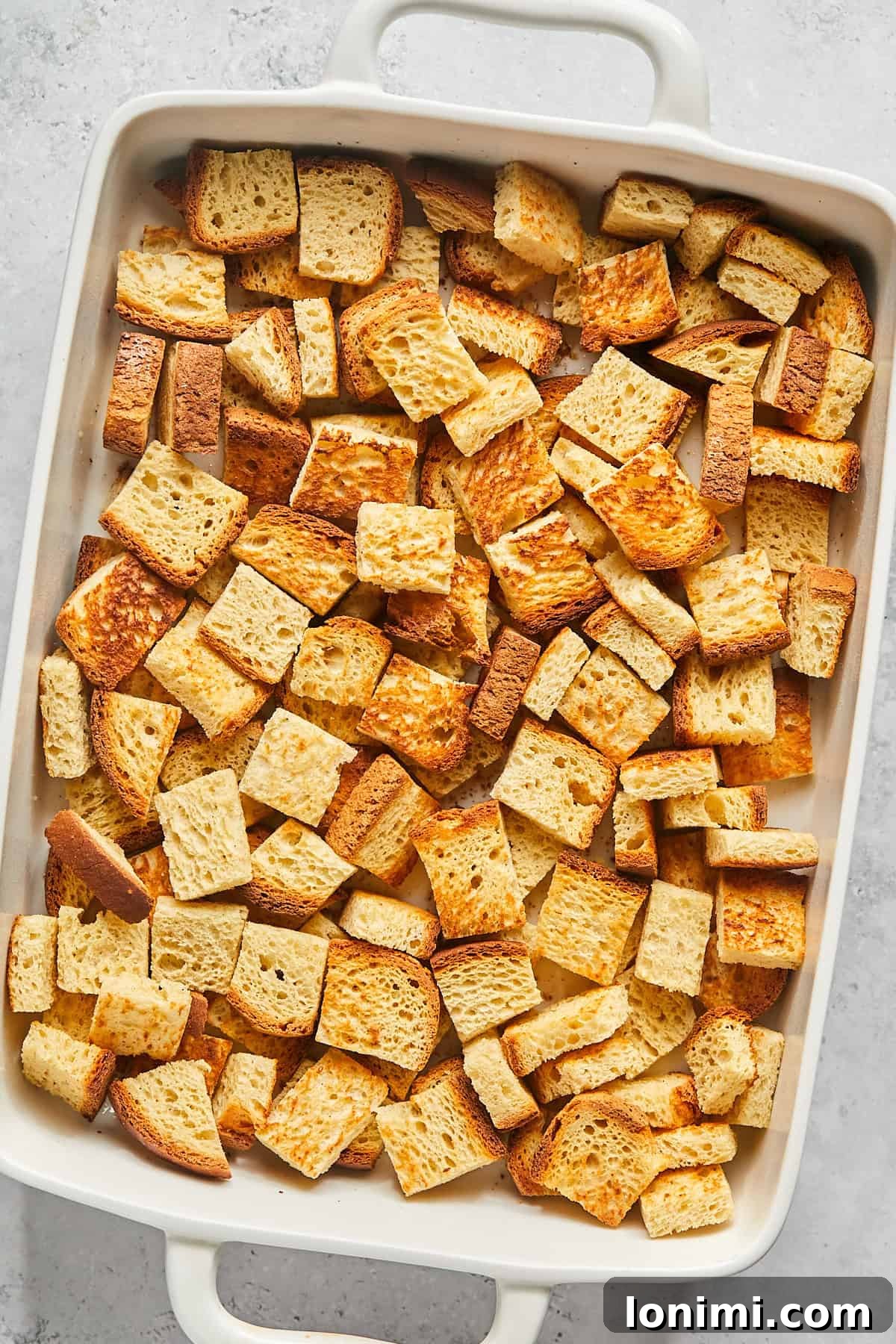
Step 3: Lightly spray a 9×13-inch casserole dish with cooking spray to prevent sticking. Transfer the toasted bread cubes into the prepared dish, arranging them in an even layer.
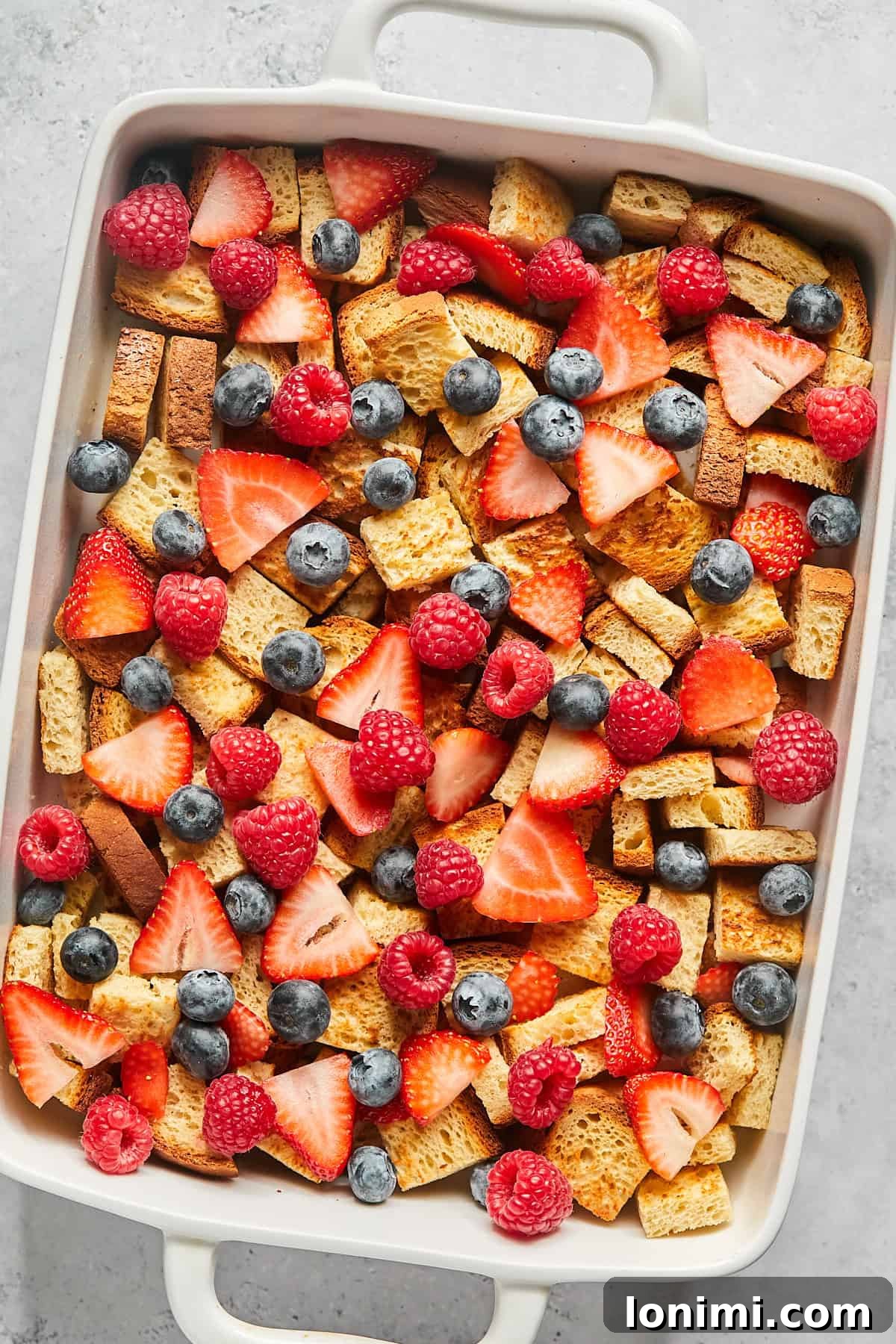
Step 4: Generously sprinkle your chosen medley of berries over the toasted bread cubes. Distribute them evenly for fruit in every bite.
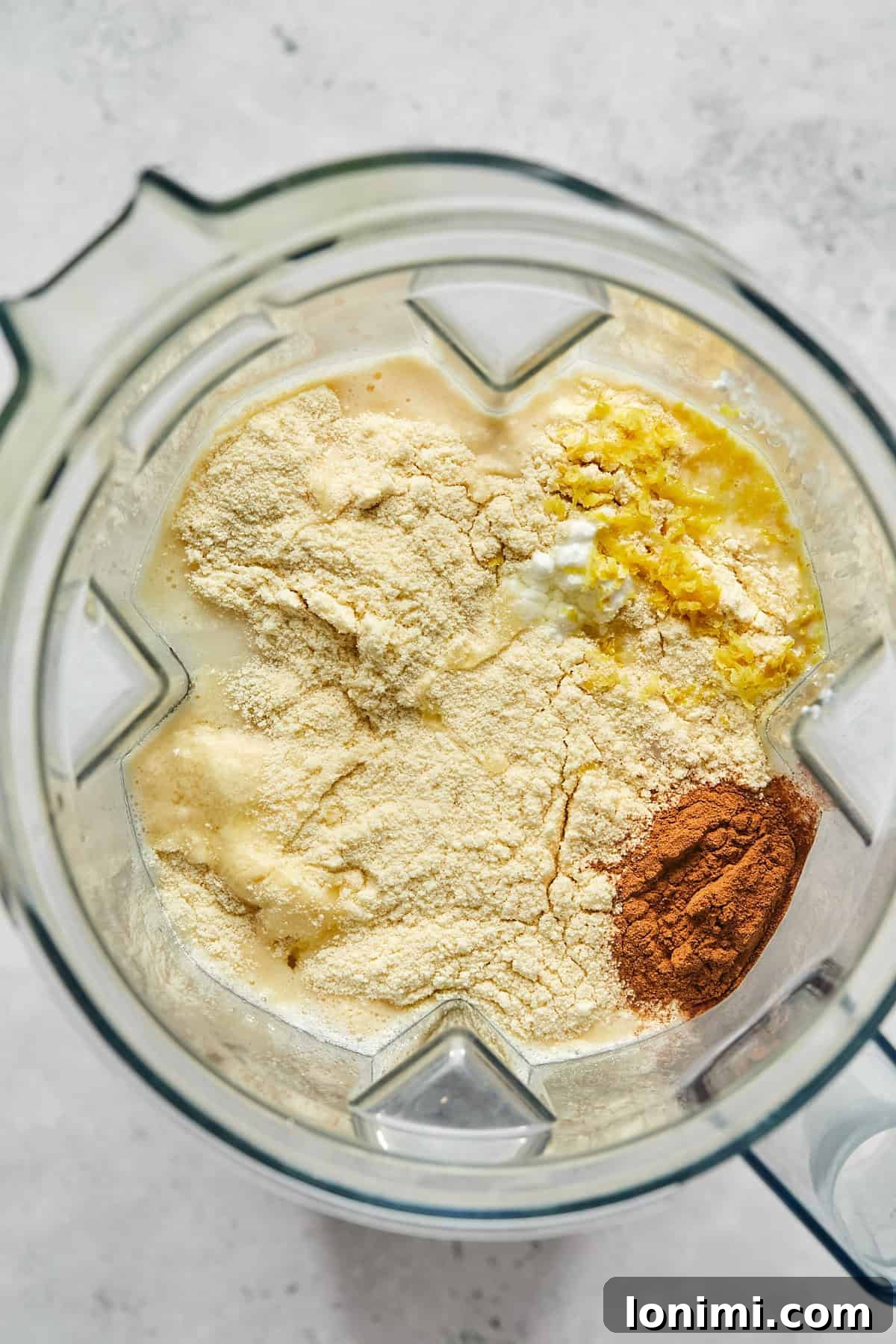
Step 5: In a blender, combine all the remaining custard ingredients: eggs, liquid egg whites, cottage cheese, almond milk, maple syrup, lemon zest, lemon juice, almond extract, ground cinnamon, and vanilla protein powder.
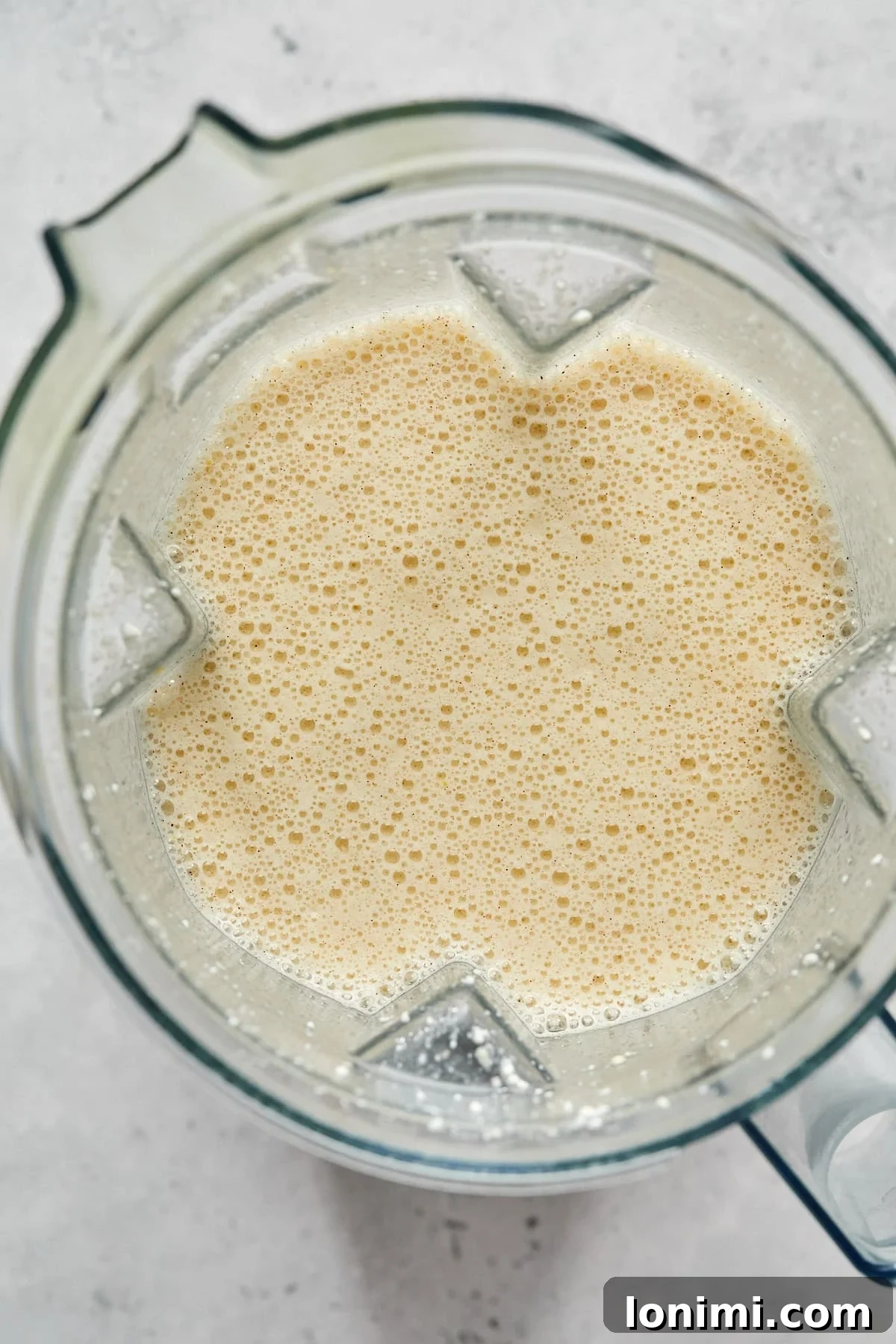
Step 6: Blend on medium speed for approximately 10 seconds. The goal is a smooth mixture where you can no longer see the cottage cheese curds, and all ingredients are thoroughly combined. Avoid over-blending, which can make the mixture too frothy.
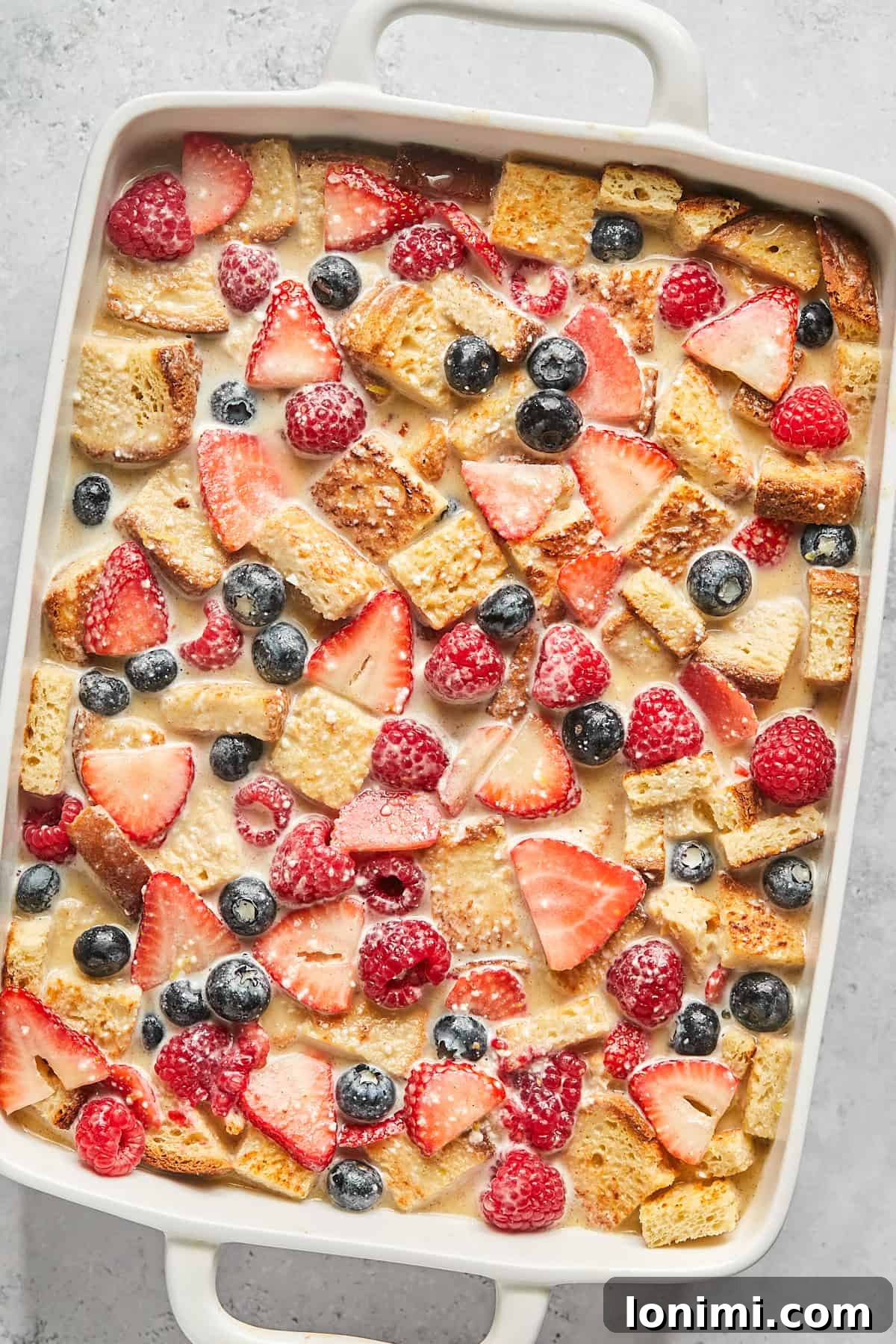
Step 7: Carefully pour the prepared French toast batter over the bread cubes and berries in the casserole dish. Use a spatula or the back of a spoon to gently press down and ensure all the bread pieces are fully coated and submerged in the custard for optimal absorption.
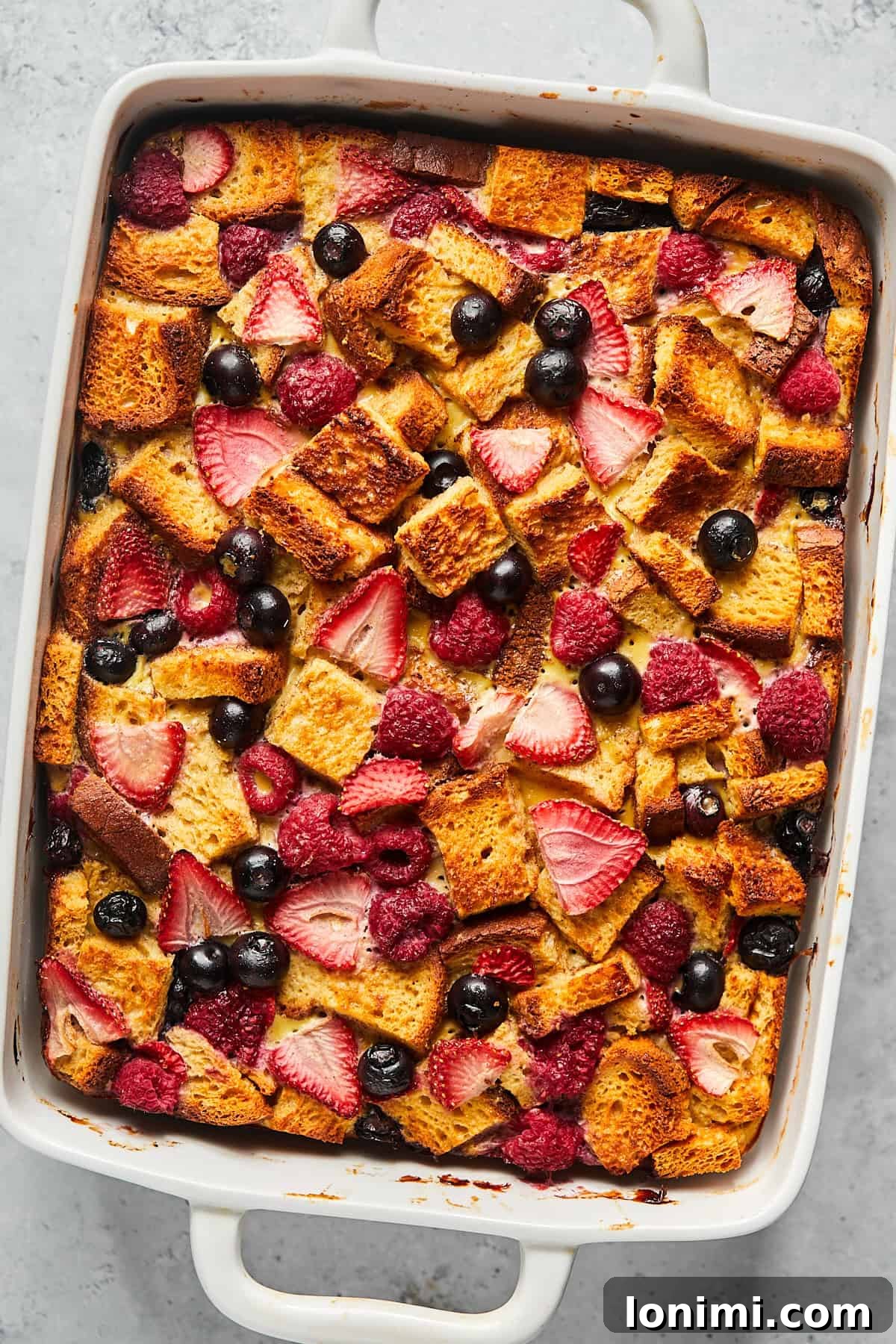
Step 8: At this stage, you have two options: either bake the casserole immediately, or cover it tightly and store it in the refrigerator overnight. For overnight chilling, simply pop it into the oven the next morning. When ready to bake, cook at 350°F (175°C) for 45-50 minutes, or until the egg mixture is completely set and the top is beautifully golden brown. Don’t be alarmed if it puffs up significantly in the oven; it will settle down as it cools. Serve warm with your desired toppings and enjoy!
Essential Recipe Tips for Perfection
To ensure your protein French toast casserole turns out absolutely perfect every time, keep these valuable tips in mind:
- Embrace Stale Bread (or Toast Fresh): Surprisingly, slightly stale bread is your best friend when making French toast casserole. Its dryer texture allows it to absorb the custard mixture more effectively without becoming mushy. If you only have fresh bread on hand, don’t worry! You can easily dry it out by toasting it for a little longer in the oven (around 10-15 minutes at 350°F / 175°C). This crucial step ensures the bread cubes soak up all the delicious, protein-rich custard evenly, resulting in a perfect tender-crisp texture.
- Dairy-Free Adaptations: Making this casserole dairy-free is simple. Replace the cottage cheese with an equal amount of your favorite dairy-free yogurt (unsweetened plain coconut or almond yogurt works well). If your protein powder is dairy-based, ensure you swap it for a dairy-free variety. For an extra touch of richness, you can spread a thin layer of dairy-free butter on top before baking.
- Adjusting Sweetness Levels: This recipe is designed to be lower in sugar, relying on natural sweetness. However, you can easily customize it to your preference. For a less sweet casserole, simply reduce the amount of maple syrup, or opt for a sugar-free syrup alternative. If you prefer it a bit sweeter, a touch more maple syrup or a sprinkle of brown sugar over the top before baking can do the trick.
- Milk Choices Matter: While almond milk is recommended for its light flavor and dairy-free nature, the recipe is flexible. You can use unsweetened almond milk, vanilla-flavored almond milk for an extra hint of sweetness, oat milk for a creamier texture, or even traditional heavy cream for a truly decadent experience. Each choice will slightly alter the final richness and flavor, so choose what best suits your taste.
- Preventing a Soggy Bottom: The key to a perfectly set casserole is not just the right amount of liquid, but also the right bread preparation. If you find your casserole ends up soggy, it could be due to overly fresh bread that didn’t dry out enough, or too much liquid in the custard. Next time, try extending the bread toasting time, or slightly reducing the amount of milk in the custard mixture to ensure a firm, yet moist, outcome.
Serving Suggestions & Delicious Optional Add-ins
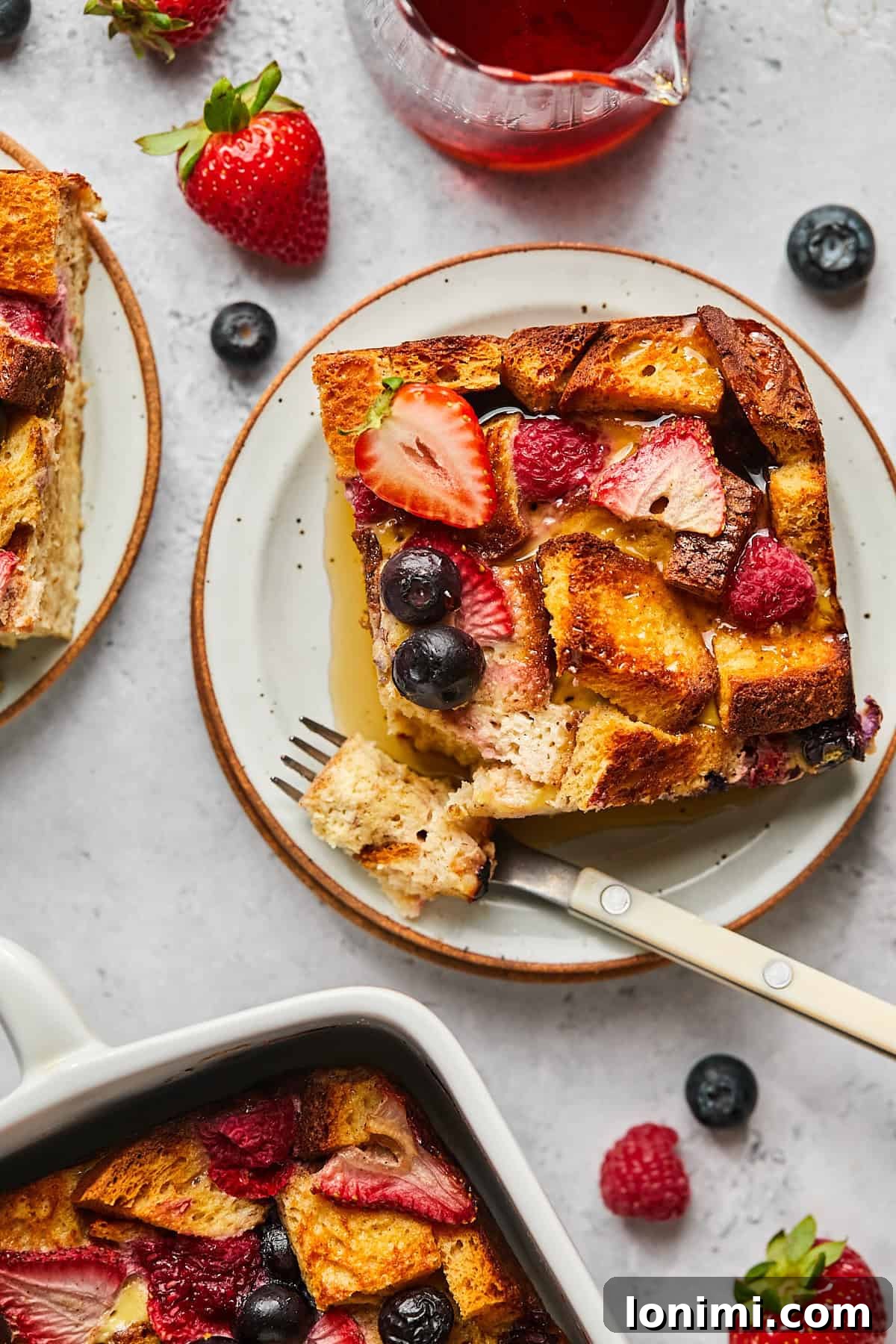
This Protein French Toast Casserole is a masterpiece on its own, but with a few extra touches, you can transform it into an unforgettable brunch centerpiece. Here are some ideas to elevate your serving experience and customize each bite:
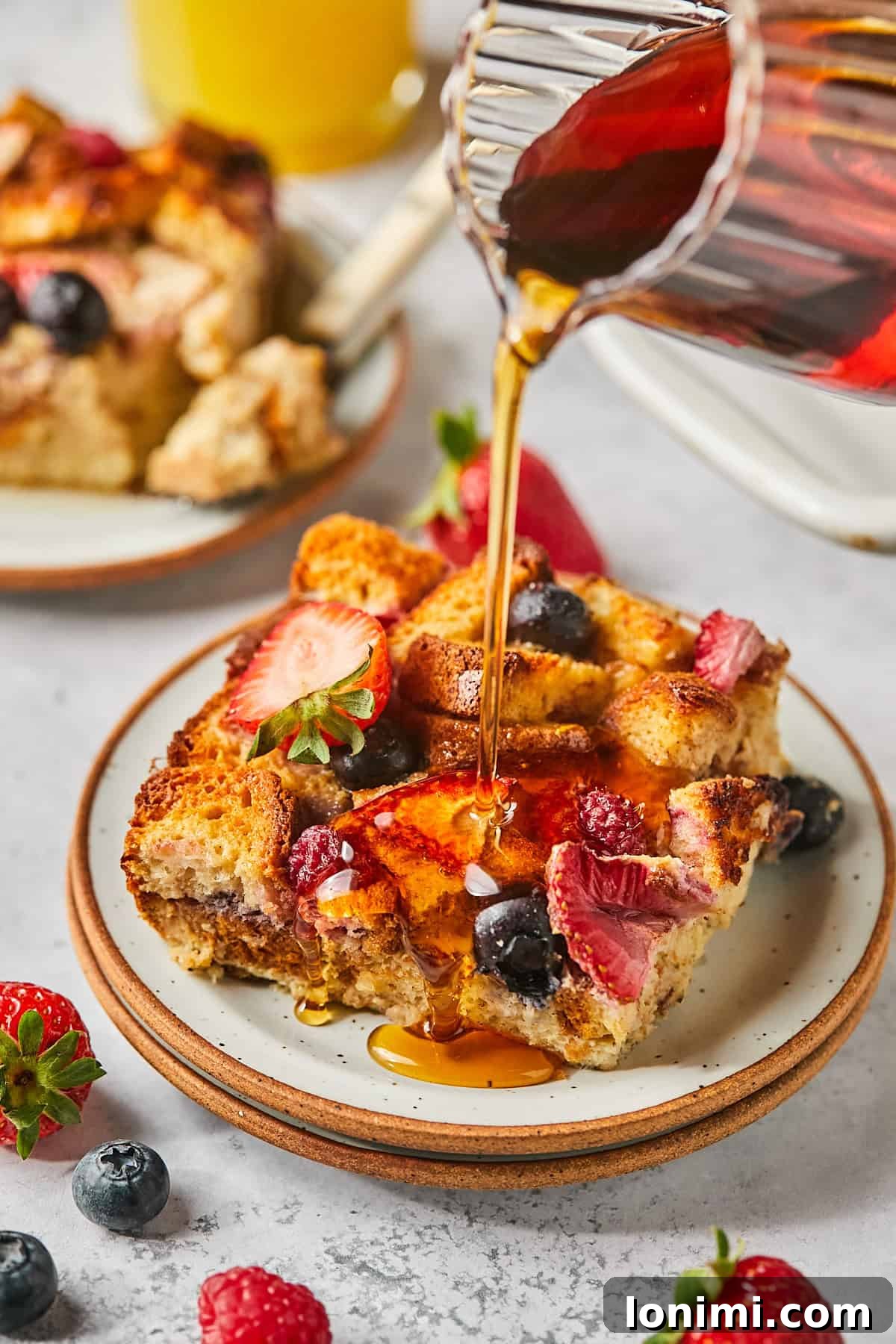
- Classic Indulgences: Serve generous slices topped with a cascade of pure maple syrup, a cloud-like dollop of whipped cream, and a dusting of powdered sugar. These timeless toppings enhance the warmth and sweetness of the casserole.
- Nutty & Crunchy Enhancements: For an added layer of texture and a boost of healthy fats, sprinkle chopped nuts like pecans or walnuts over the casserole just before baking or as a garnish after baking. A swirl of your favorite peanut butter or almond butter on individual servings adds creamy richness and even more protein.
- Sweet & Decadent Touches: Fold in some chocolate chips (dark, milk, or white) with the berries before baking for a touch of melted bliss. Or, for a hint of tropical sweetness, sprinkle shredded coconut on top, which pairs beautifully with the berry flavors.
- Freshness & Zest: A few fresh mint leaves scattered over the top not only add a vibrant pop of color but also a refreshing, festive aroma. For an extra creamy and tangy kick, add a dollop of Greek yogurt or a swirl of lemon curd to each serving.
- Fruitful Variations: Don’t limit yourself to berries! This casserole is incredibly versatile. Experiment by swapping in thinly sliced apples, peaches, cherries, or even a mix of seasonal stone fruits. Apples and cinnamon are a classic combination that would work wonderfully, especially in the fall.
- Pairing for a Complete Brunch Spread: For a truly spectacular holiday brunch or gathering, complement this French toast casserole with other delicious dishes. Consider a refreshing honey-lime poppyseed fruit salad, a rich and comforting bone broth hot cocoa for a unique twist, or individual yogurt parfaits for a lighter, refreshing element. The savory notes of bacon or sausage would also be a perfect contrast.
Storage & Reheating for Lasting Enjoyment
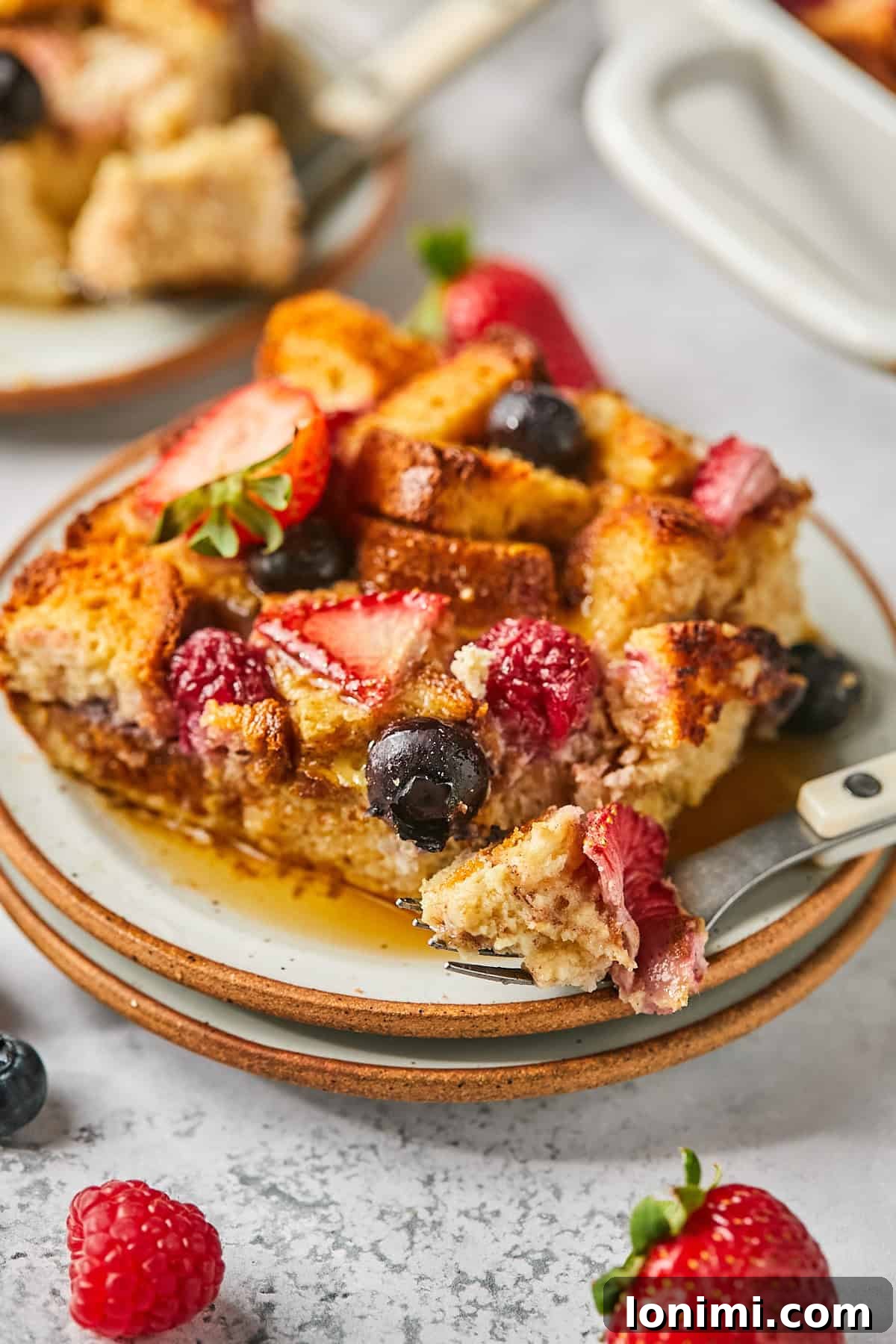
One of the best features of this casserole is how well it stores, allowing you to enjoy delicious, high-protein breakfasts throughout the week or even months later. Properly storing and reheating ensures every bite is as good as the first.
- Storing Leftovers: Once your French toast casserole has completely cooled down to room temperature, it’s crucial to cover it tightly. You can leave it in the original casserole dish covered with foil or plastic wrap, or transfer individual portions to an airtight container. Stored this way, it will remain fresh and delicious in the refrigerator for up to 3 days.
- Reheating for Freshness: To reheat the entire casserole, cover it with foil to prevent drying out and warm it in a preheated 350°F (175°C) oven for about 10-15 minutes, or until it’s heated through to your desired temperature. For individual servings, the microwave is your friend! Heat them for 1-2 minutes, checking periodically, until thoroughly warmed.
- Freezing for Future Meals: This casserole freezes beautifully, making it an excellent option for meal prep. Once the casserole has fully cooled, wrap it tightly in several layers of plastic wrap, then place it in a freezer-safe bag or an airtight container. It can be stored in the freezer for up to 2 months. For best results, consider freezing individual slices so you can easily pull out only what you need.
- Reheating from Frozen: To reheat from frozen, the ideal method is to thaw the casserole in the refrigerator overnight. Once thawed, you can reheat it following the instructions for refrigerated leftovers. If you’re short on time and need to reheat directly from frozen, cover it with foil and bake in a 350°F (175°C) oven for approximately 30-45 minutes, or until thoroughly heated, adding more time if necessary. This preparation means you can have a delightful, protein-packed breakfast whenever a craving strikes!
Recipe Frequently Asked Questions (FAQs)
Absolutely! This is precisely why it’s such a perfect dish for busy mornings, especially during holidays. Preparing it the night before allows the bread to thoroughly soak up the rich, flavorful custard, resulting in a more tender and delicious casserole. Simply assemble the entire dish, cover it tightly with plastic wrap or foil, and refrigerate it overnight. In the morning, all you have to do is pop it into the preheated oven and bake as directed. This ‘make-ahead’ feature takes all the stress out of morning meal prep, letting you enjoy a leisurely start to your day.
Making an egg-free version is certainly possible, though it will require some substitutions and may result in a slightly different texture. You can substitute the eggs with a flaxseed egg (1 tablespoon ground flaxseed mixed with 3 tablespoons water per egg) or a chia egg. For the liquid egg whites, you could use a commercial egg replacer, or increase the amount of milk. Keep in mind that eggs provide significant structure and richness, so while egg substitutes will bind the casserole, the overall texture might be softer or less custardy. You might need to adjust baking times as well.
Yes, absolutely! While vanilla protein powder is recommended for a classic flavor, experimenting with other flavored protein powders can be a fun way to customize your casserole. A cinnamon-flavored protein powder, for instance, would be incredibly delicious and would enhance the warming spices in the dish. Other suitable flavors might include caramel or even a subtle berry blend. Just be mindful that many flavored protein powders already contain sweeteners, so you may want to reduce the amount of maple syrup in the recipe to avoid an overly sweet outcome. Taste the custard mixture before pouring to adjust sweetness as needed.
If your French toast casserole turns out a bit too soggy, it’s a common issue that can usually be attributed to two main factors: either too much liquid in the custard mixture or the bread being too fresh and not adequately dried out. To prevent sogginess in the future, try these adjustments: First, ensure your bread is slightly stale or, if using fresh bread, toast it for an extra 5-10 minutes in the oven before assembling the casserole. This allows the bread to better absorb the custard without becoming waterlogged. Second, you can slightly reduce the amount of milk (by about ¼ cup) in the custard mixture. Additionally, make sure you’re baking the casserole long enough for the egg mixture to fully set. The center should be firm, not wobbly, when gently shaken.
Can I use different types of gluten-free bread?
While a sturdy gluten-free white bread is recommended for its neutral flavor and ability to absorb custard, you can certainly experiment with other gluten-free bread varieties. Gluten-free challah or brioche can add a richer, slightly sweeter flavor, though they might absorb liquid differently. Always ensure the bread is somewhat stale or toasted to prevent sogginess, regardless of the type.
Is this recipe suitable for meal prepping?
Absolutely! This Protein French Toast Casserole is an excellent choice for meal prepping. Its make-ahead nature means you can prepare it once and have delicious, high-protein breakfasts ready for several days. Simply bake the casserole, let it cool, portion it into individual containers, and refrigerate or freeze. It reheats wonderfully, making busy mornings a breeze.
More Delicious & Healthy Brunch Recipes
Butternut Squash Noodle Frittata
Spinach Bacon and Mushroom Crustless Quiche {Whole30}
Homemade Gluten Free Waffles (Dairy Free!)
Broccoli Cheddar Keto Egg Bites
Love this recipe? Please leave a 5-star 🌟🌟🌟🌟🌟 rating in the recipe card below & a review in the comment section. Or, follow me on Facebook, Pinterest or Instagram today!
The BEST Protein French Toast Casserole Recipe
Equipment
- 9 x 13 casserole dish
Ingredients
- 15 oz gluten free white bread, I used a loaf of Canyon Gluten Free Country White Bread
- ½ cup raspberries, fresh or frozen
- ½ cup blueberries, fresh or frozen
- ½ cup strawberries, sliced thin, fresh or frozen
- 4 eggs
- 2 cups liquid egg whites
- ½ cup cottage cheese
- 1 ¼ cups almond milk
- ⅓ cup maple syrup
- zest from one lemon
- 2 tbsp lemon juice
- 2 tsp almond extract
- 1 tsp ground cinnamon
- 1 scoop vanilla protein powder
Instructions
-
Preheat oven to 350°F (175°C). Add the cubed bread to a sheet pan and spread it out evenly. Bake for 10 minutes, stirring halfway through.
-
Spray a 9×13 inch casserole dish with cooking spray. Add the toasted bread into the dish. Sprinkle the berries on top.
-
Combine the remaining ingredients (eggs, egg whites, cottage cheese, milk, maple syrup, lemon zest, lemon juice, almond extract, cinnamon, protein powder) in a blender. Blend on medium speed for about 10 seconds or until you can no longer see the cottage cheese curds and everything is well-combined. You don’t want to over-mix it, or it will be too frothy.
-
Pour the mixture over the bread and berries. Use a spatula to make sure all of the bread is coated and covered.
-
You can either bake immediately, or store (covered) in the fridge overnight until ready to bake the next morning. Bake at 350°F (175°C) for 45-50 minutes or until the egg is set and the top is golden brown. It will be puffy at first, but will settle down as it cools.
-
Serve with more maple syrup and whipped cream, if desired, and enjoy!
Notes
- If you have stale bread, that’s actually perfect for soaking up the custard! But if it’s fresh, try drying it out by toasting it for a little longer in the oven (about 10-15 minutes). This way, the bread absorbs the custard without getting mushy.
- To make a dairy-free casserole, swap cottage cheese for dairy-free yogurt, and choose a dairy-free protein powder if needed. Spread dairy-free butter on top.
- For a less sweet casserole, use less maple syrup or sugar-free syrup.
- I use almond milk in this recipe – you can use unsweetened almond milk, vanilla almond milk, oat milk, or even heavy cream. It’s up to you!
- Once the casserole has cooled to room temperature, cover it tightly with foil or transfer it to an airtight container. It will stay fresh in the fridge for up to 3 days.
- To reheat, cover the casserole with foil and warm it in a 350°F (175°C) oven for about 10-15 minutes, or until heated through. You can also reheat individual servings in the microwave for 1-2 minutes.
- To freeze, once cooled, wrap the casserole tightly in plastic wrap, then place in a freezer-safe bag or container for up to 2 months. Thaw in the fridge overnight for best reheating results.
Nutrition
All nutrition facts are an estimate and automatically calculated. While I fact check them using My Fitness Pal, please note that they may not always be 100% accurate and depend on ingredients used. Weigh your total and divide by the number of servings for the most accurate grams per serving size.