
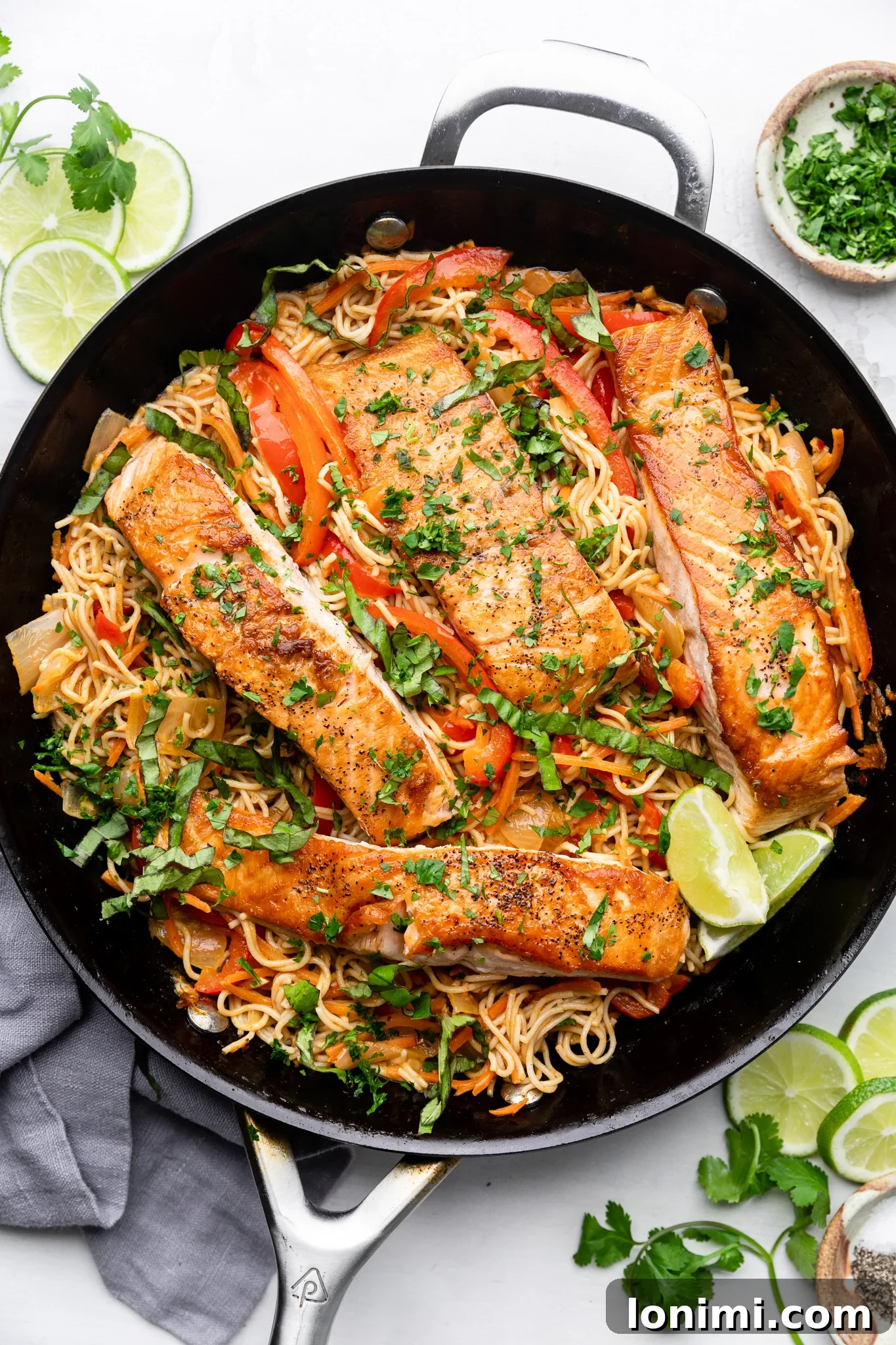
Savor the rich, aromatic flavors of this gluten-free Thai Curry Salmon Ramen. Featuring perfectly cooked salmon fillets nestled amongst tender gluten-free noodles in a creamy, spicy-sweet broth, this dish is a true culinary delight. Every spoonful promises a burst of vibrant taste, making it an unforgettable meal experience.
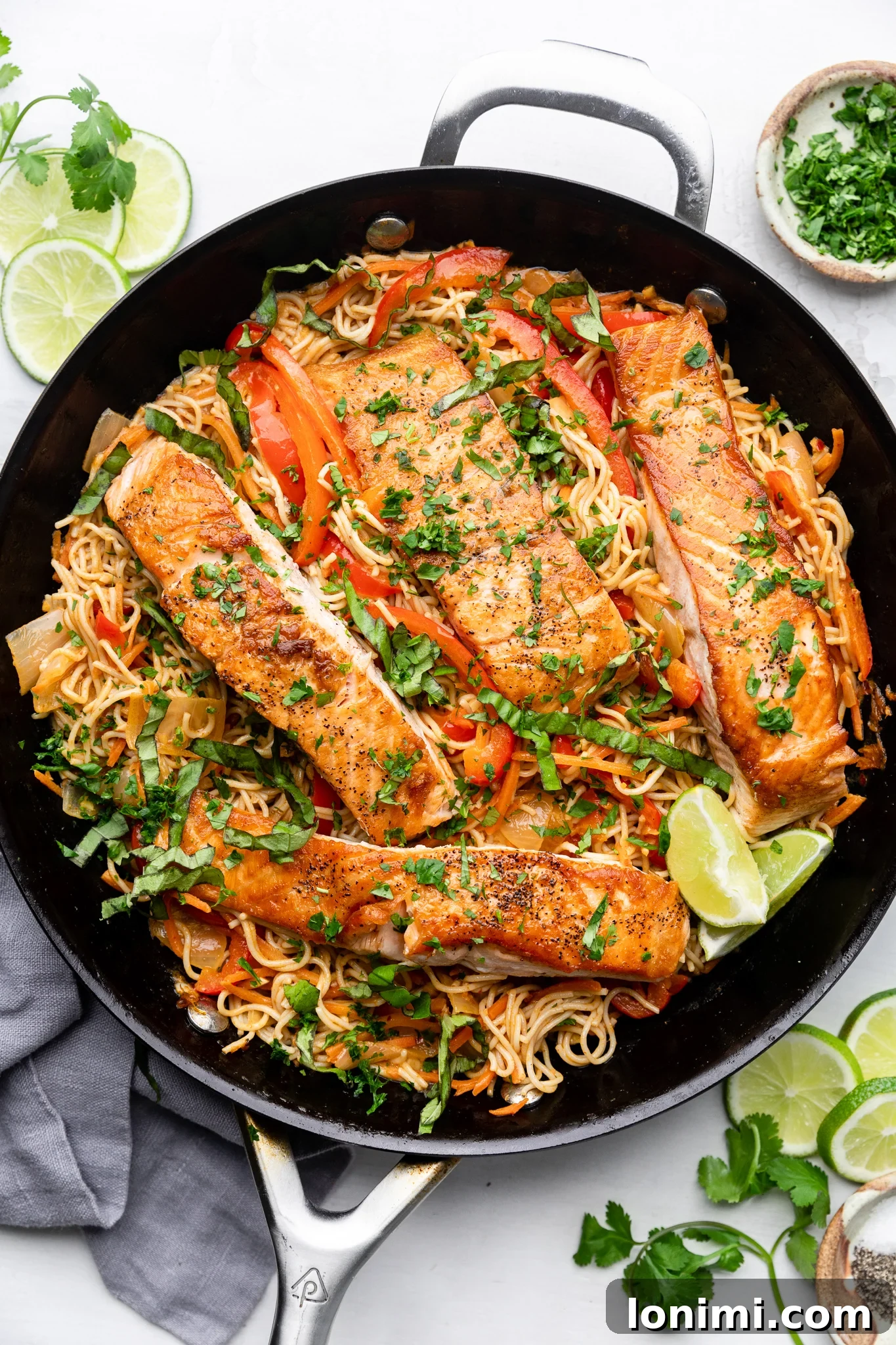
Thai Curry Salmon Ramen: A Gluten-Free & Flavor-Packed Delight
There’s an undeniable comfort in a generous bowl of ramen, isn’t there? It’s the kind of meal that wraps you in warmth, satisfies your deepest cravings, and leaves you feeling completely content. Today, we’re taking that beloved experience to a new level with a recipe that beautifully marries the delicate richness of salmon with the bold, aromatic essence of Thai curry, all served over wonderfully tender gluten-free ramen noodles. This isn’t just any ramen; it’s a creamy, savory, and subtly spicy symphony of flavors designed to be both incredibly delicious and accommodating for various dietary needs.
What makes this Thai Curry Salmon Ramen truly special is its thoughtfully crafted blend of ingredients, creating a complex flavor profile that tantalizes the taste buds. From the succulent, pan-seared salmon to the vibrant medley of vegetables swimming in a luxurious coconut milk broth infused with authentic Thai red curry paste and fresh ginger, every component plays a crucial role. Best of all, this incredible dish is completely gluten-free and dairy-free, making it a perfect, healthy, and nutritious option for those with sensitivities or anyone looking for a wholesome meal without compromising on taste. Prepare to elevate your weeknight dinner routine with a dish that’s surprisingly easy to make yet tastes like it came from your favorite gourmet restaurant.
Crafting Your Perfect Bowl: How to Make Gluten-Free Thai Curry Salmon Ramen
Creating this exquisite Thai Curry Salmon Ramen is a straightforward process, making it an ideal choice for a satisfying weeknight dinner. Below, you’ll find a detailed guide covering essential ingredient notes and easy-to-follow steps to ensure your dish turns out perfectly every time. For a complete printable version, scroll down to the recipe card.
Essential Ingredient Notes for Optimal Flavor
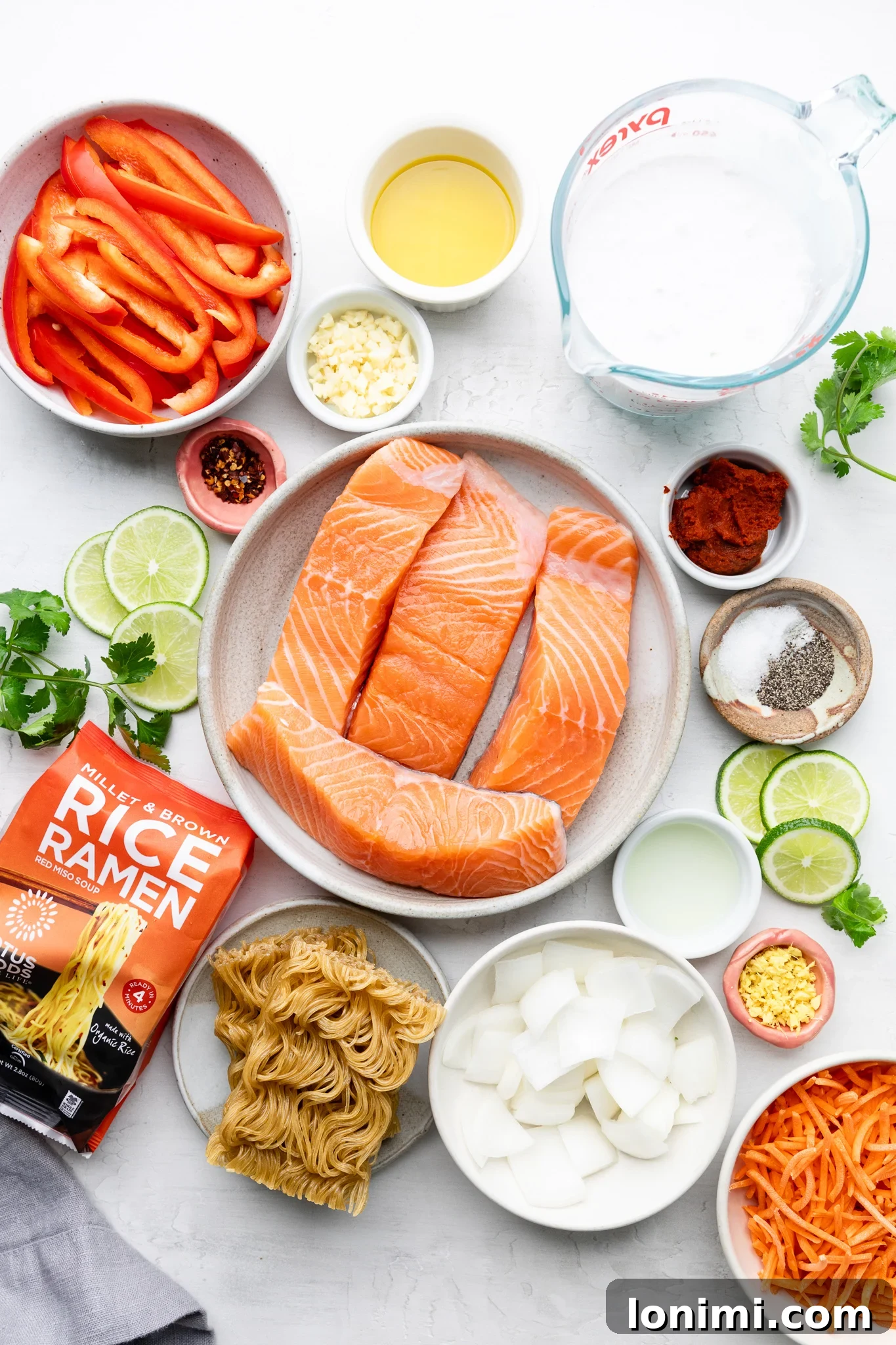
The success of any great dish lies in the quality and understanding of its ingredients. Here’s a deeper look into what you’ll need for this Thai Curry Salmon Ramen:
- Gluten-Free Ramen Noodles: Choosing the right noodles is paramount for a truly gluten-free experience. I highly recommend Lotus Foods Organic Millet & Brown Rice Ramen. These noodles offer a fantastic texture that holds up well in the flavorful broth without becoming mushy. I often buy the large packs from Costco, which are very convenient. If you find smaller packs in your local grocery store, remember to discard any seasoning packets that may come with them, as they often contain gluten or other unwanted additives. Other excellent gluten-free ramen brands include Explore Cuisine, Big Green Organic Food, and Annie Chun’s. Alternatively, for a quick substitute, Jovial Foods gluten-free spaghetti or capellini can also work surprisingly well, providing a similar noodle experience in a pinch.
- Salmon Fillets: The star of our dish! Fresh salmon fillets are key. You can prepare them with the skin on or off, depending on your preference. Both methods yield delicious results. Leaving the skin on and searing it properly creates a wonderfully crispy texture that contrasts beautifully with the tender fish. Look for vibrant, firm fillets with a fresh, mild scent. Salmon is not only delicious but also packed with omega-3 fatty acids, making this a truly wholesome meal.
- Red Curry Paste: The heart of the Thai flavor. I consistently reach for Thai Kitchen Red Curry Paste. It’s renowned for its authentic flavor profile, delivering that perfect balance of spice and fragrance without any artificial ingredients. A good quality curry paste is essential for developing the rich, complex base of the ramen broth. Be sure to check the ingredient list of any brand to ensure it is gluten-free and dairy-free.
- Full-Fat Coconut Milk: For a truly creamy and indulgent broth, full-fat canned unsweetened coconut milk is a must. The refrigerated carton versions are typically much thinner and won’t achieve the rich consistency we’re aiming for in this sauce. The fat content in canned coconut milk is crucial for body and flavor, providing a luscious texture that coats the noodles and salmon beautifully.
- Crushed Red Pepper: This is where you control the heat! A half-teaspoon provides a pleasant warmth, but feel free to adjust to your personal spice preference. For a milder curry, you can omit it entirely or use just a tiny pinch. If you love a fiery kick, don’t hesitate to add a little more.
- Ginger Paste: Fresh ginger adds a bright, zesty warmth to the curry. Ginger paste is a convenient alternative to fresh grated ginger. If you have fresh ginger root on hand, simply peel and finely chop or grate about 1 teaspoon to substitute for the paste. Both options work wonderfully to infuse the dish with their distinct aromatic qualities.
- Fresh Vegetables: Onions, matchstick carrots, and red bell pepper provide essential texture, color, and nutrients. They form a delicious base for the curry, absorbing all the wonderful flavors.
- Lime Juice: A squeeze of fresh lime juice at the end brightens the entire dish, cutting through the richness of the coconut milk and elevating all the other flavors with its tangy zest. Don’t skip this crucial finishing touch!
Step-by-Step Guide: Easy Thai Curry Salmon Ramen
Follow these simple steps to bring your delicious Thai Curry Salmon Ramen to life:
- Prepare and Cook the Salmon: Begin by heating 2 tablespoons of olive oil in a large 12-inch cast iron pan over medium-high heat until it shimmers. Generously season both sides of your salmon fillets with salt and black pepper. Carefully place the salmon into the hot pan, skin-side up (if skin-on). Cook for 4 minutes to achieve a beautiful sear. Reduce the heat to medium. Using a sturdy metal spatula, gently flip the fillets and continue to cook for an additional 5 minutes, or until the salmon is cooked through to your desired doneness (it should flake easily with a fork). Remove the cooked salmon from the pan and set it aside on a plate.
- Boil the Ramen Noodles: While the salmon rests, bring a separate pot of salted water to a rolling boil. Add your gluten-free ramen noodles to the boiling water and cook according to package directions, typically about 3 minutes, or until they are al dente (still slightly firm to the bite). Avoid overcooking, as they will finish cooking in the curry sauce. Drain the noodles thoroughly and set aside.
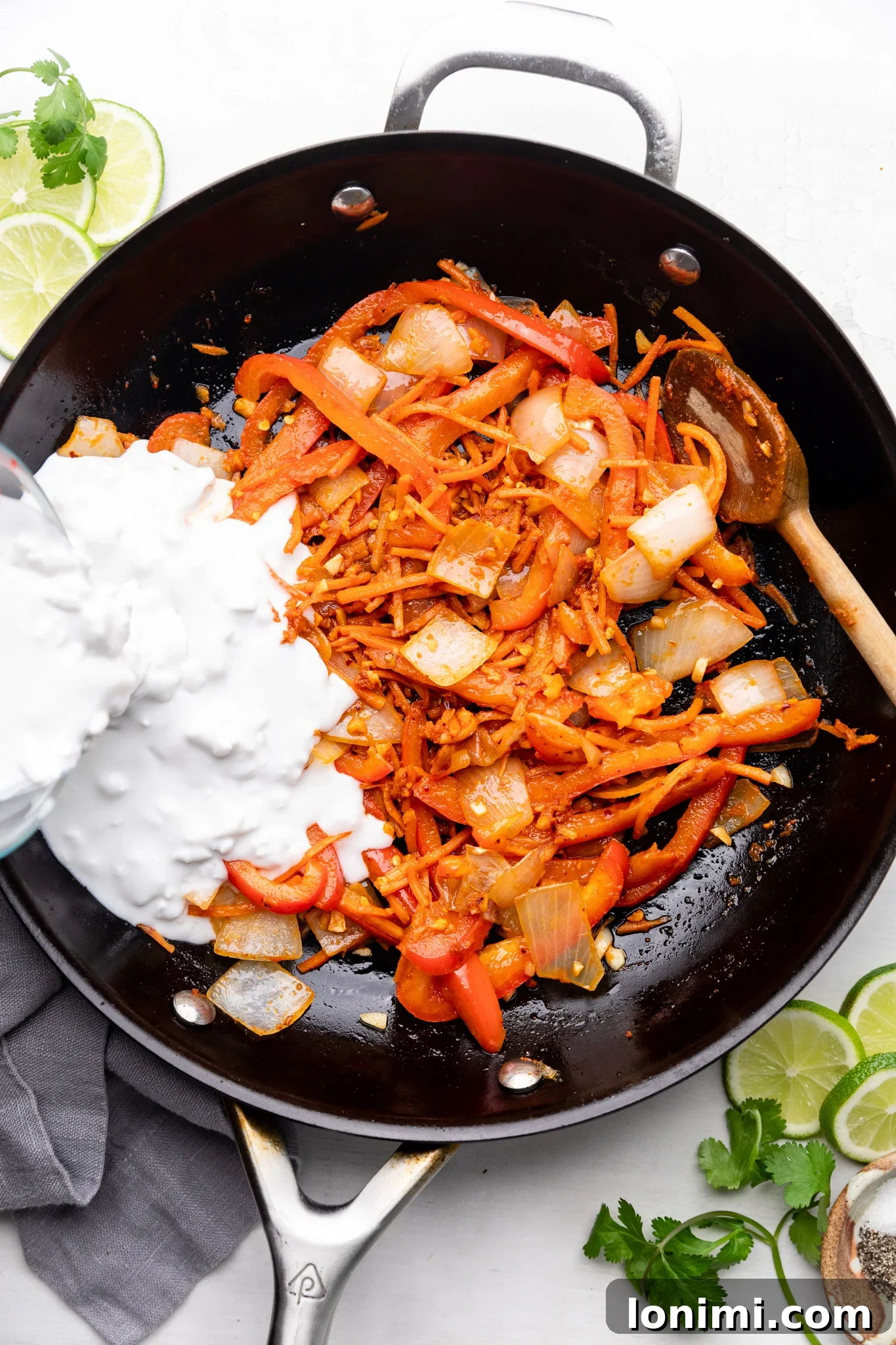
- Sauté Vegetables and Build the Curry Base: Using the same pan where you cooked the salmon (no need to clean it – those browned bits add extra flavor!), add the chopped onions, matchstick carrots, sliced red bell pepper, and minced garlic. Sauté for 3-4 minutes over medium heat, stirring occasionally, until the vegetables begin to soften and become fragrant. Next, stir in the ginger paste, Thai red curry paste, ½ teaspoon of salt, and ½ teaspoon of crushed red pepper (adjust to taste). Cook for another minute, stirring constantly, until the spices are fragrant and lightly toasted. This step is crucial for deepening the curry flavor.
- Create the Creamy Curry Broth: Pour in the full-fat canned coconut milk and fresh lime juice into the pan with the sautéed vegetables and spices. Stir well to combine all ingredients, ensuring the curry paste is fully dissolved into the coconut milk. Reduce the heat to medium-low and let the sauce gently simmer for 2-3 minutes, allowing the flavors to meld and the sauce to slightly thicken.
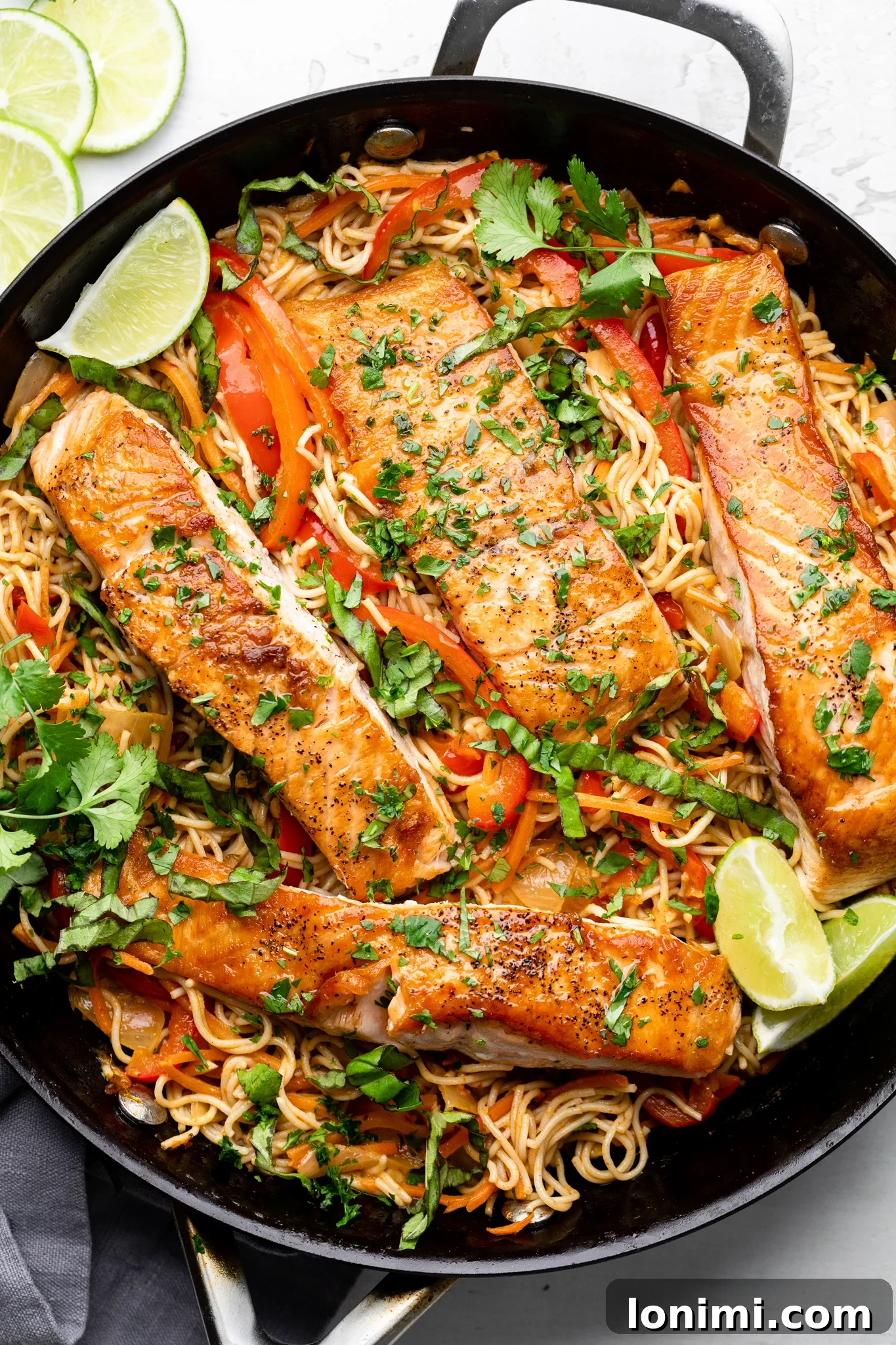
- Combine and Finish: Add the drained gluten-free ramen noodles directly into the pan with the simmering curry sauce and vegetables. Toss gently to ensure all the noodles are thoroughly coated in the rich, creamy sauce. Carefully nestle the cooked salmon fillets back into the pan, placing them on top of the noodles and vegetables. Spoon a little extra sauce over the salmon. Continue to cook for just 1 additional minute, allowing the noodles to absorb more flavor and the entire dish to heat through evenly.
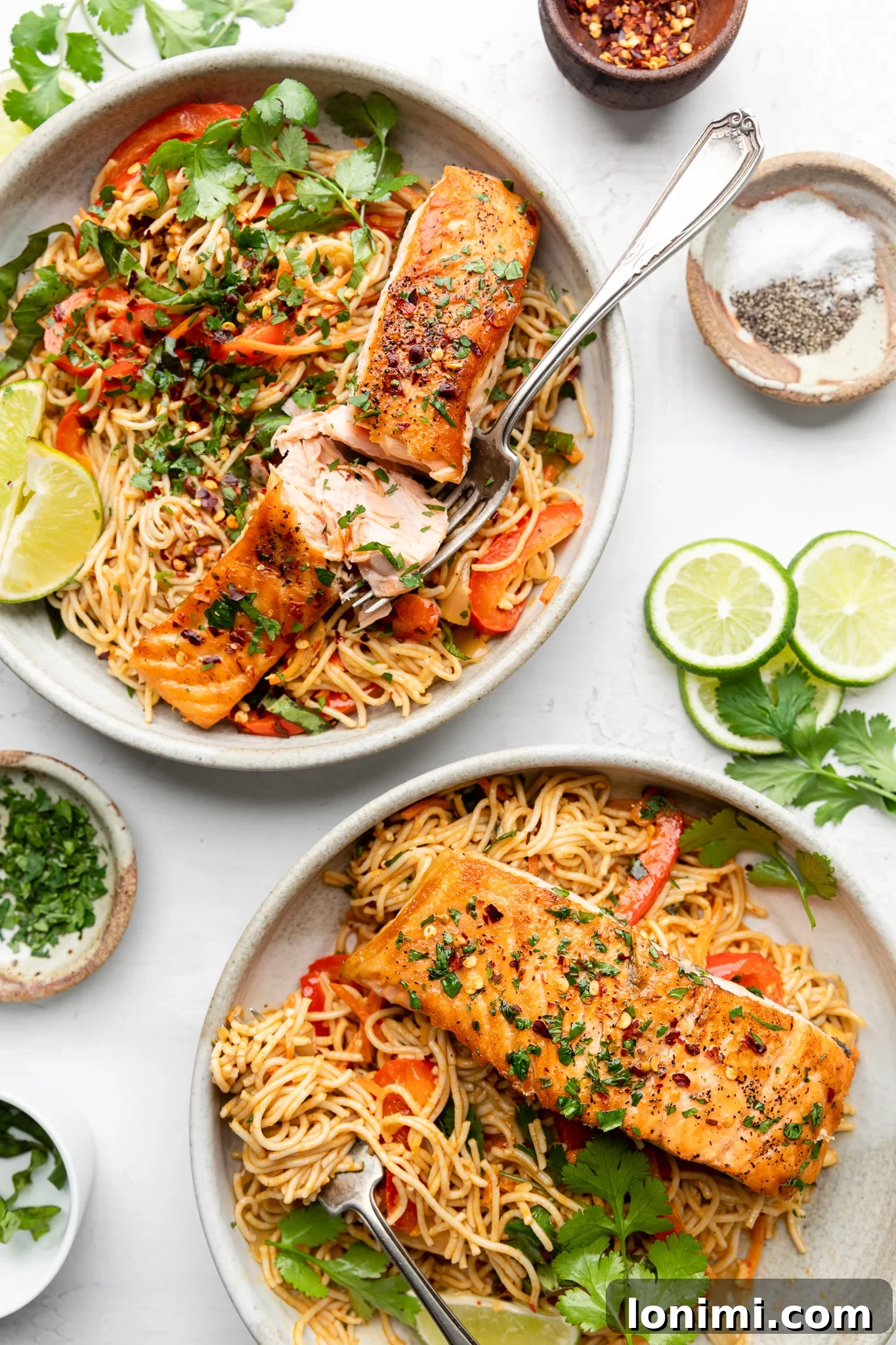
- Garnish and Serve: Ladle generous portions of the Thai Curry Salmon Ramen into individual serving bowls. Garnish each bowl with a sprinkle of fresh chopped cilantro and Thai basil, if available. For an extra burst of brightness, offer additional lime wedges for squeezing over the top. Serve immediately and enjoy this wonderfully aromatic and comforting meal!
Choosing the BEST Gluten-Free Ramen Noodles
Finding the perfect gluten-free ramen noodles is key to achieving that authentic ramen experience without compromise. As mentioned, Lotus Foods Gluten-Free Rice Ramen is a top recommendation, especially their brown rice and millet blend, which I frequently purchase in bulk from Costco for its consistent quality and value. These noodles have a delightful chewiness and absorb the broth beautifully without becoming gummy.
However, the world of gluten-free noodles is expanding, and there are several other fantastic brands worth exploring if Lotus Foods isn’t readily available or if you simply want to try something new. Many of these can be found at major retailers like Walmart, Target, Amazon, and specialty health food stores:
- Lotus Foods (Organic Millet & Brown Rice Ramen, Forbidden Rice Ramen)
- Thai Kitchen (often has gluten-free rice noodle varieties that can be adapted)
- Explore Cuisine (known for organic, plant-based, gluten-free noodle options like edamame or black bean ramen)
- Big Green Organic Food (offers various gluten-free ramen choices, often made from sweet potato or brown rice)
- Annie Chun’s (check labels carefully for their gluten-free rice noodle selections)
When selecting your noodles, pay attention to the ingredients to ensure they are truly gluten-free. Most rice or sweet potato-based noodles are naturally gluten-free. For a truly versatile option, don’t overlook classic gluten-free pasta brands like Jovial Foods. Their gluten-free spaghetti or capellini can make an excellent stand-in, offering a similar long-strand noodle experience in your ramen bowl.
Pro Tip for Cooking GF Noodles: Gluten-free noodles can sometimes be prone to overcooking if not watched closely. Cook them just until al dente, as they will soften further when combined with the hot curry sauce. Rinsing them briefly under cold water after draining can also help prevent them from sticking together and stop the cooking process if you’re not adding them to the sauce immediately.
Mary’s Expert Tips & Tricks for the Perfect Ramen
Elevate your Thai Curry Salmon Ramen with these helpful insights:
- How to Serve Salmon Ramen: Presentation enhances any meal! Serve your gluten-free ramen noodles generously in large, deep bowls. The rich, creamy broth and colorful vegetables make for an appetizing display. Ensure each bowl gets a hearty salmon fillet on top. Garnish lavishly with fresh chopped cilantro and vibrant Thai basil leaves. A final squeeze of fresh lime juice just before serving will brighten all the flavors beautifully. For an extra layer of texture and protein, consider adding a soft-boiled egg, a sprinkle of sesame seeds, or a drizzle of chili oil if you crave more heat.
- Customizing Your Veggies: Don’t limit yourself to the suggested vegetables! This recipe is incredibly adaptable. Consider adding sliced mushrooms, baby spinach (stirred in at the very end), broccoli florets, snap peas, or even thinly sliced bok choy. The more variety, the more nutrient-dense and visually appealing your ramen will be.
- Adjusting Spice Levels: The crushed red pepper gives a moderate heat. If you prefer it milder, reduce the amount or omit it. For those who love a fiery kick, add extra crushed red pepper, a dash of Sriracha, or some freshly sliced bird’s eye chilies to your bowl.
- Protein Alternatives: While salmon is magnificent in this dish, feel free to experiment with other proteins. Cooked shrimp, pan-seared chicken breast, or even crispy baked tofu can be delicious substitutes or additions, offering different textures and flavors.
- How to Store Leftovers: If you’re lucky enough to have leftovers, store them in an airtight container in the refrigerator for up to 4 days. It’s often best to store the salmon separately from the noodles and broth to maintain its texture, if possible.
- Reheating Leftovers: To reheat, gently warm the ramen in a skillet over medium heat, stirring occasionally, until heated through. Alternatively, you can microwave it for 2-3 minutes, stirring halfway. If the broth has thickened too much, add a splash of water or coconut milk to reach your desired consistency.
Explore More Delicious Gluten-Free Recipes
If you loved this Thai Curry Salmon Ramen, you’re in for a treat! Discover more healthy and flavorful gluten-free dishes to add to your repertoire:
Thai Coconut Curry Turkey Meatballs – Another exquisite curry-inspired meal.
Sheet Pan Cajun Cod with Butter & Garlic Sauce – An easy, flavorful seafood dinner.
Easy Garlic Herb Baked Salmon – A simple yet elegant way to enjoy salmon.
Instant Pot BBQ Chicken Bowls – Quick and wholesome for busy days.
Pin This Recipe for Later!
Don’t let this incredible recipe slip away! Save it to your favorite Pinterest board so you can easily find it whenever you’re craving a comforting and flavorful gluten-free meal.
Recipe by: Mary’s Whole Life
Photos by: Casey from The Mindful Hapa
Thai Curry Salmon Ramen Noodles
Mary Smith
10 mins
20 mins
30 mins
4 people
Equipment
-
12″ Cast Iron Pan
Ingredients
- 2 tbsp olive oil
- 4 6-oz salmon fillets, skin on or off, your call!
- ½ onion, cut into 1-inch pieces
- 1 cup matchstick carrots
- 1 red bell pepper, sliced thin
- 3 cloves minced garlic
- 1 tsp ginger paste, or 1 tsp fresh chopped ginger
- 2 tbsp Thai Red Curry Paste
- 1 can full-fat coconut milk
- 1 tbsp lime juice
- ½ tsp salt, + more to taste
- ½ tsp crushed red pepper, omit for less heat
- 3 blocks Lotus Foods Gluten Free Rice Ramen Noodles, I use the brown rice & millet kind, which I get at Costco in a large pack. If you get the smaller packs, omit the seasoning that comes with it!
Instructions
-
Heat the olive oil in a large (12-inch) cast iron pan over medium-high heat until it shimmers. Season the salmon fillets generously with salt and pepper on both sides. Add the salmon to the pan, skin side up, and cook for 4 minutes. Reduce heat to medium. Carefully use a metal spatula to flip the fillets and cook them for an additional 5 minutes. Remove the salmon and set aside on a plate.
-
Bring a separate pot of water to a boil for the ramen noodles. Cook the ramen for about 3 minutes or until al dente (still slightly undercooked). Drain and set aside.
-
In the same pan where you cooked the salmon, add the onions, matchstick carrots, red pepper, and garlic. Sauté for 3-4 minutes until they begin to soften. Add in the ginger paste, Thai red curry paste, salt, and crushed red pepper. Stir for 1 minute until fragrant.
-
Add in the coconut milk & lime juice. Stir and reduce heat to medium-low to simmer gently.
-
Add the drained ramen noodles to the pan with the vegetables and sauce. Toss to coat. Add the salmon back to the pan, nestling it into the noodles, veggies, and sauce. Spoon a little sauce over the salmon. Cook for an additional 1 minute until the noodles are cooked through and everything is heated.
-
Garnish with chopped cilantro and Thai basil, and an extra squeeze of lime juice, if desired. Enjoy!
Notes
Nutrition
Carbohydrates: 45g |
Protein: 43g |
Fat: 41g |
Saturated Fat: 21g |
Polyunsaturated Fat: 5g |
Monounsaturated Fat: 10g |
Cholesterol: 94mg |
Sodium: 407mg |
Potassium: 1247mg |
Fiber: 2g |
Sugar: 4g |
Vitamin A: 7603IU |
Vitamin C: 44mg |
Calcium: 70mg |
Iron: 5mg
All nutrition facts are an estimate and automatically calculated. While I fact check them using My Fitness Pal, please note that they may not always be 100% accurate and depend on ingredients used. Weigh your total and divide by the number of servings for the most accurate grams per serving size.
Did you make this?
Rate & comment below, and tag me on Instagram @maryswholelife