
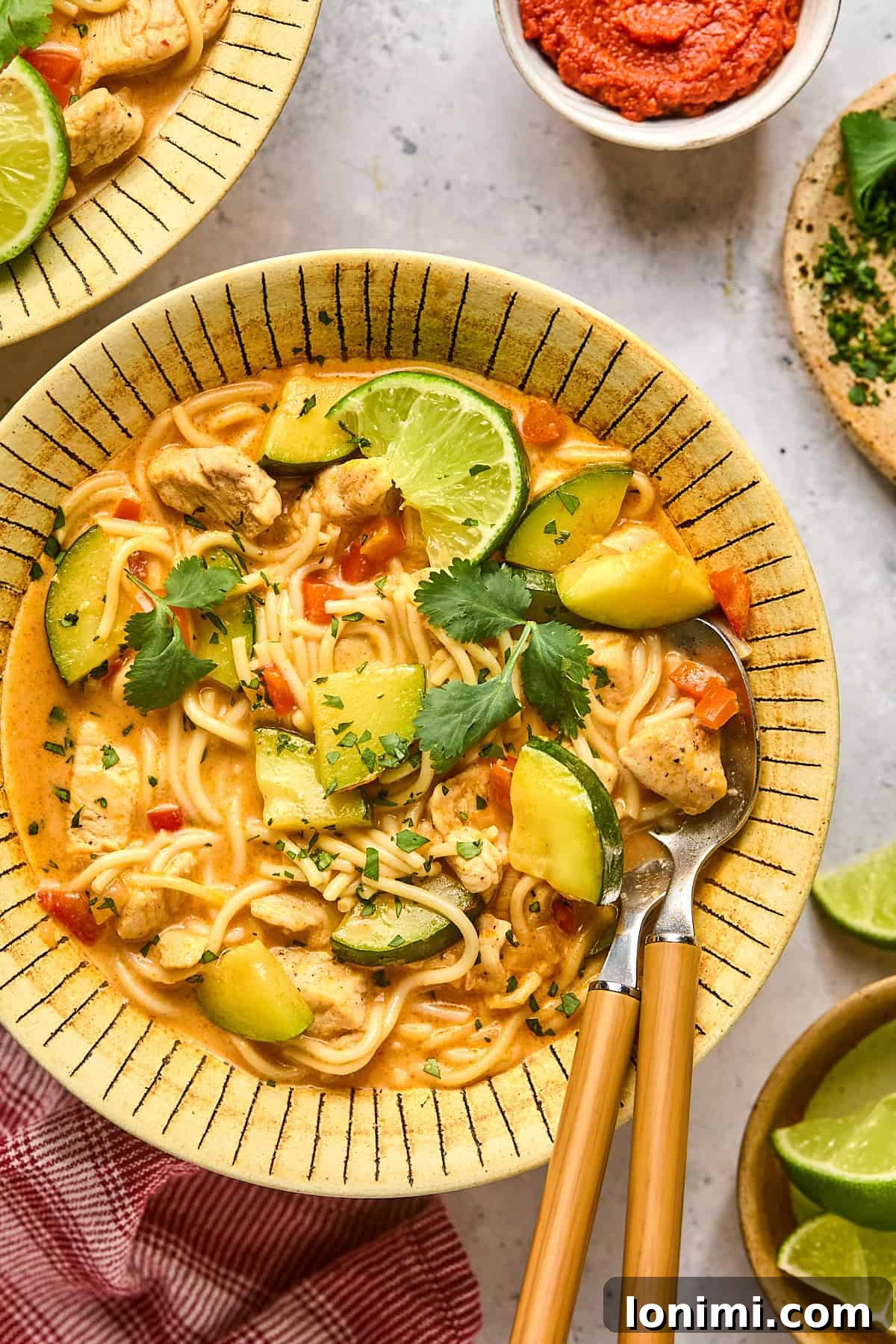
Welcome to the ultimate guide for crafting a truly exceptional Red Curry Soup right in your own kitchen! Forget the notion that a vibrant, flavor-packed Thai-inspired meal requires complicated steps or expensive takeout. This recipe is designed to be effortlessly easy, incredibly delicious, and deeply satisfying, proving that authentic flavors and nourishing ingredients can come together in just one pot. Get ready to embark on a culinary journey that will fill your home with irresistible aromas and your bowl with comforting warmth, tender chicken, fresh, crisp vegetables, and a harmonious blend of aromatic spices and herbs. Happy cooking!
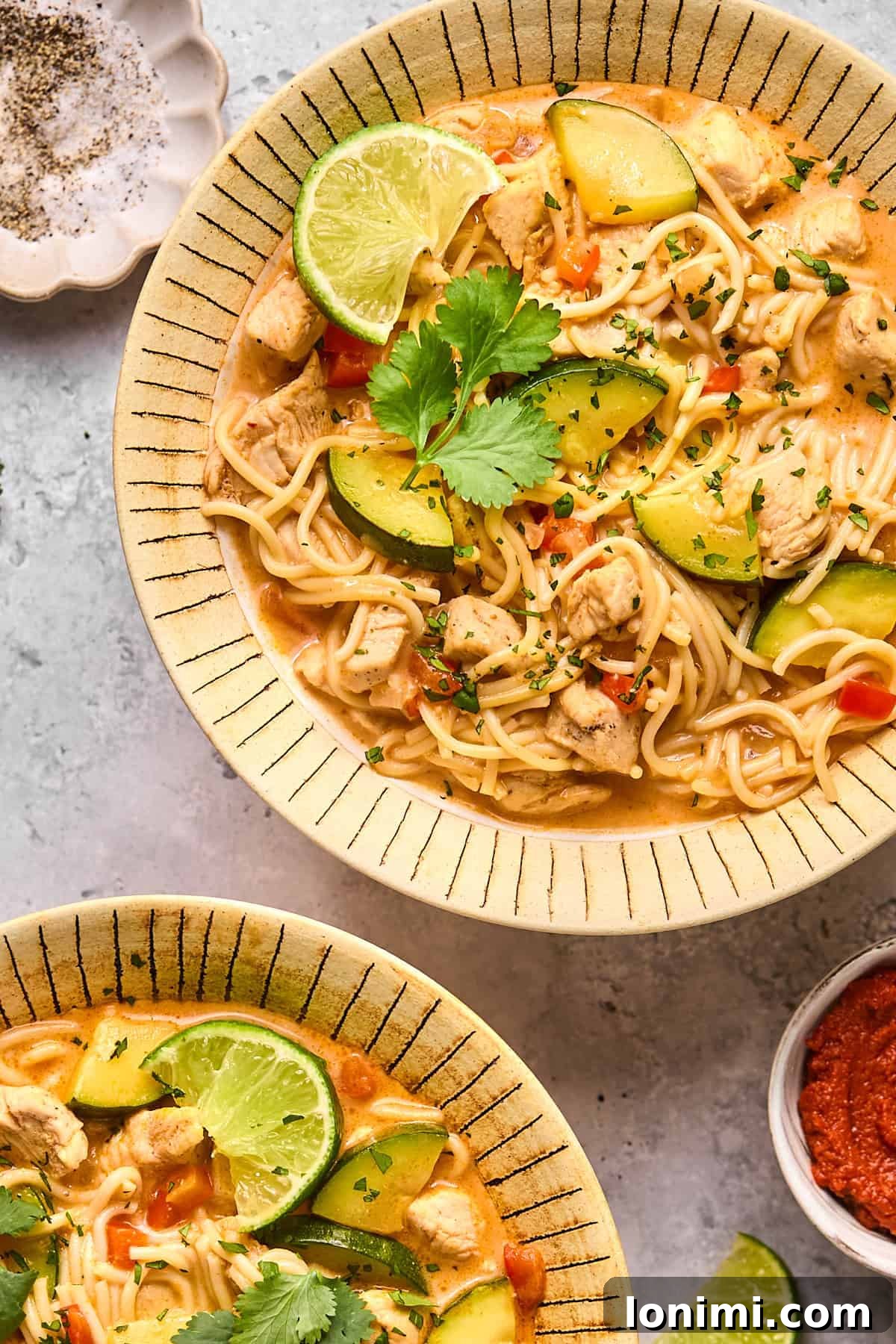
Why You’ll Fall in Love with This Homemade Thai Red Curry Noodle Soup
There’s nothing quite like the experience of making Thai Red Curry Noodle Soup at home, transforming a weeknight meal into an exciting culinary adventure. This recipe isn’t just a meal; it’s a game-changer for anyone craving bold, authentic Thai flavors without the hassle or the mystery ingredients often found in takeout. Imagine a simmering pot filled with an array of fresh, colorful vegetables, succulent pieces of tender chicken breast—providing a lean protein boost—and the luxurious richness of full-fat coconut milk that forms the creamy base of this incredible soup. It’s a perfect blend of texture, taste, and wholesome goodness.
One of the true stars of this dish is the inclusion of rice ramen noodles. These slender, chewy noodles offer a fantastic gluten-free alternative, ensuring that the soup remains accessible to more diners while staying true to the beloved classic Thai noodle soup tradition. The magic truly happens when these elements unite with a symphony of aromatic components: pungent fresh garlic, zesty grated ginger, sweet onion, and the indispensable Thai red curry paste. Chicken broth provides a savory foundation, while coconut aminos add a depth of umami. A generous squeeze of fresh lime juice brightens every spoonful, and a final sprinkle of fragrant cilantro ties all the magnificent flavors together, creating a seriously flavorful and unforgettable bowl of soup.
Beyond its incredible taste, what makes this one-pot red curry soup recipe so special is its remarkable flexibility. It’s a culinary canvas awaiting your personal touch. Do you prefer a fiery kick? Adjust the spice level to your liking by adding more curry paste or a pinch of red pepper flakes. Have a favorite vegetable you want to include? Feel free to swap or add. This adaptability ensures that every batch can be perfectly tailored to your family’s preferences, making it a staple in your meal rotation. The process of cooking it is just as delightful as eating it; the aromatic spices will fill your kitchen with an enticing fragrance that’s more captivating than any scented candle!
And for those busy weeknights when time is precious, this soup truly shines. It’s a one-pot wonder that minimizes cleanup and is ready to serve in just 30 minutes. It’s the ideal solution when you need something comforting, nourishing, and utterly delicious without spending hours slaving over the stove. Say goodbye to greasy takeout and hello to your new favorite homemade Thai meal!
If you’re eager to explore more Thai-inspired culinary delights, be sure to try my Thai-Inspired Gluten-Free Turkey Meatballs, my exquisite Thai Curry Salmon Gluten-Free Ramen, or this heartwarming Easy Thai Pumpkin Chicken Curry for a cozy and delicious fall dish that will undoubtedly become a family favorite!
Key Ingredient Spotlight: What You’ll Need
Creating an authentic and flavorful Thai red curry soup begins with selecting the right ingredients. Each component plays a crucial role in building the layered taste profile that makes this soup so irresistible. Here’s a closer look at the stars of our dish and some helpful tips for each:
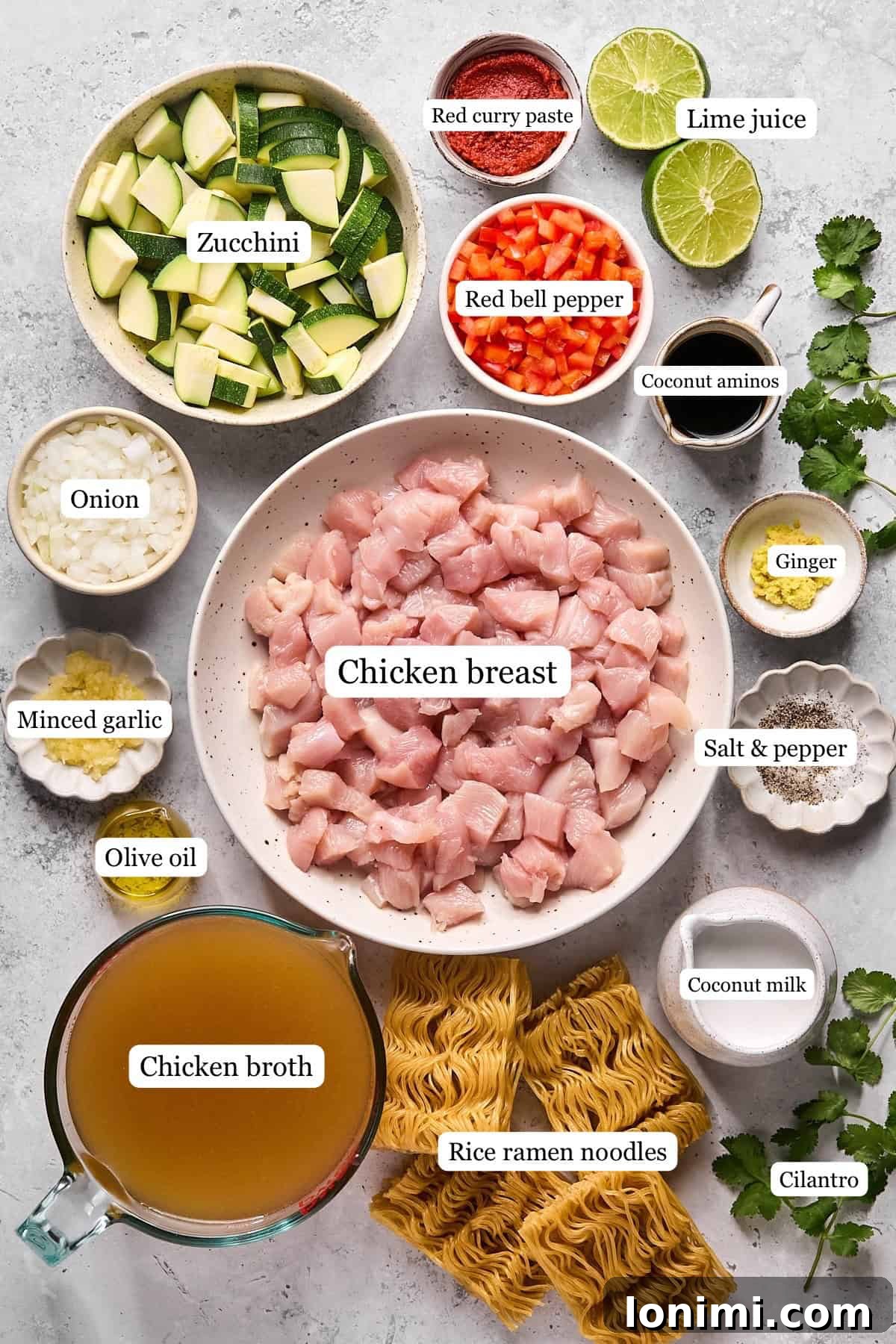
- Olive Oil: This forms the base for sautéing our aromatics and chicken. While olive oil works wonderfully, you can also opt for coconut oil for a more tropical undertone, or any other neutral-flavored oil like avocado oil, which has a high smoke point.
- Chicken Breasts: Boneless, skinless chicken breasts cut into 1-inch cubes are perfect for this recipe, offering lean protein and a delightful texture. For an even quicker meal, consider using pre-cooked rotisserie chicken. Simply shred and add it during the final steps to warm through, reducing your cooking time. You can also use chicken thighs for a richer flavor.
- Minced Garlic Cloves: Freshly minced garlic is non-negotiable for its pungent, aromatic foundation. Avoid pre-minced garlic for the best flavor.
- Onion: A diced onion adds a subtle sweetness and depth to the soup. Yellow or white onions work best here.
- Red Bell Pepper: This adds a lovely sweetness and vibrant color to the soup. If red isn’t available, any color of bell pepper will work equally well. Green bell peppers will offer a slightly more bitter, less sweet flavor, while orange and yellow are similar to red.
- Zucchini: Cut into ¼-inch thick quarter-moon slices, zucchini adds a tender texture and nutrients. It cooks quickly and absorbs the rich curry flavors beautifully. Other quick-cooking vegetables like snap peas or green beans would also be delicious.
- Thai Red Curry Paste: This is the heart and soul of your soup’s flavor. Choosing a high-quality paste is crucial. I personally recommend the Thai Kitchen brand, as it delivers authentic flavor without any undesirable additives. You can usually find it in the international aisle of most well-stocked grocery stores. Read labels carefully to ensure it fits your dietary needs.
- Fresh Ginger: Grated fresh ginger brings a warm, spicy, and fragrant kick that is essential to Thai cuisine. It pairs perfectly with garlic and curry paste.
- Chicken Broth: This provides the liquid base for our soup. For a vegetarian or vegan version, easily swap in vegetable broth. Always opt for a low-sodium variety to control the overall saltiness of your dish.
- Rice Ramen Noodles: My absolute favorite brand for these gluten-free noodles is Lotus Foods. They have a wonderful chewiness and absorb the broth beautifully without becoming mushy too quickly. They are an excellent alternative to traditional wheat noodles.
- Full-Fat Coconut Milk: For a truly creamy and rich Thai red curry soup, full-fat canned coconut milk is a must. Avoid the refrigerated carton varieties, which are often thinner and will not provide the luxurious consistency you desire. Shake the can well before opening, or if separated, scoop out the thick cream first and then stir in the liquid.
- Coconut Aminos: This is a fantastic gluten-free, soy-free alternative to soy sauce, adding a savory, umami depth with a hint of sweetness. If gluten is not a concern, regular soy sauce can be used. For a gluten-free option with soy, Tamari is a great choice.
- Fresh Lime Juice: A squeeze of fresh lime juice brightens all the flavors, adding a necessary tang and zest that balances the richness of the coconut milk and the spice of the curry. Always use fresh lime juice for the best results.
- Fresh Cilantro: This vibrant herb is primarily used as a garnish, adding a burst of freshness and a classic Thai aroma just before serving. If you’re not a fan of cilantro, fresh Thai basil or mint can be lovely alternatives.
Refer to the recipe card below for the precise measurements and quantities of each ingredient to ensure a perfectly balanced and delicious soup.
Crafting Your Red Curry Soup: A Step-by-Step Guide
Creating this flavorful Thai Red Curry Soup is simpler than you might imagine, thanks to its one-pot convenience. Follow these steps for a perfectly cooked, aromatic, and deeply satisfying meal:
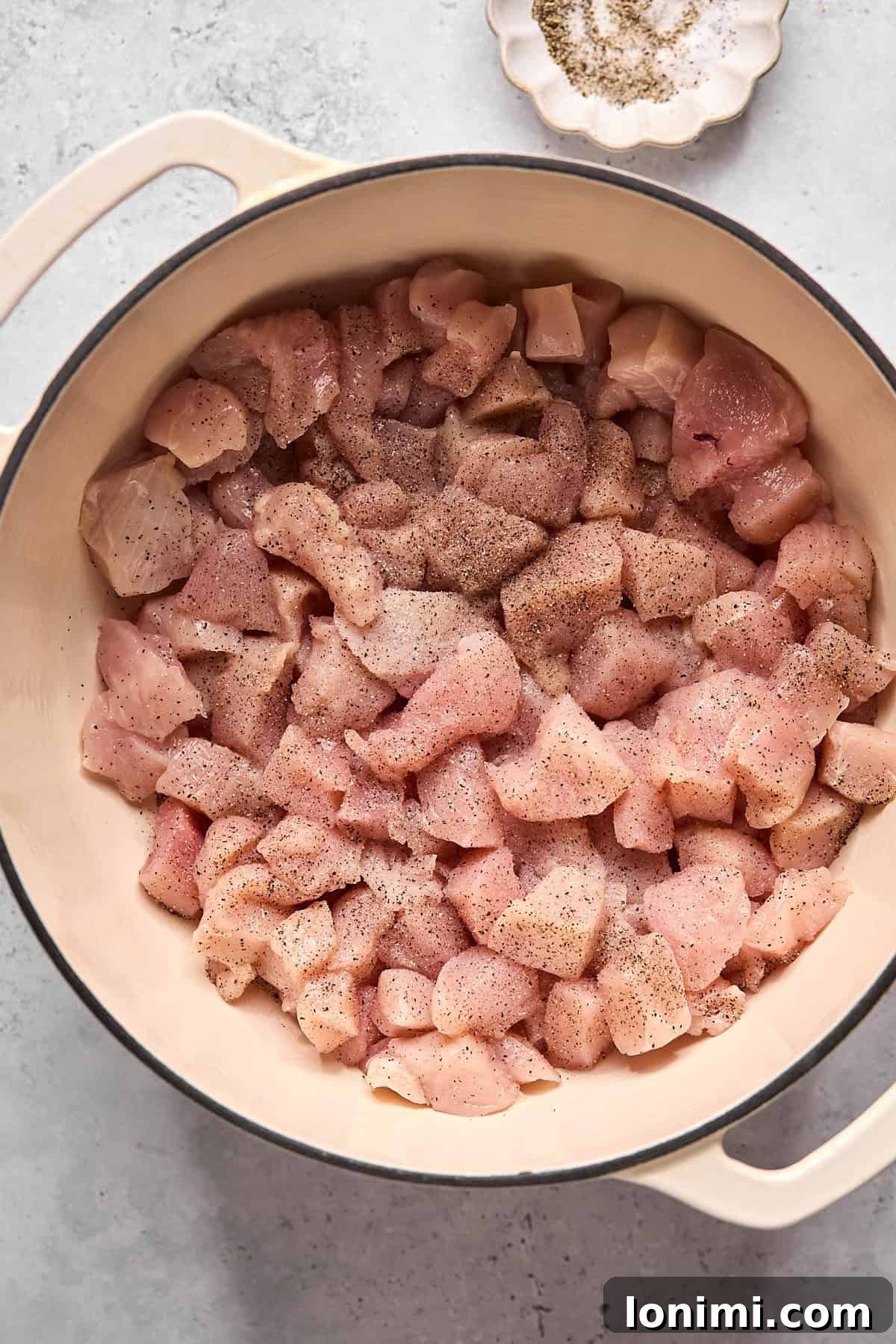
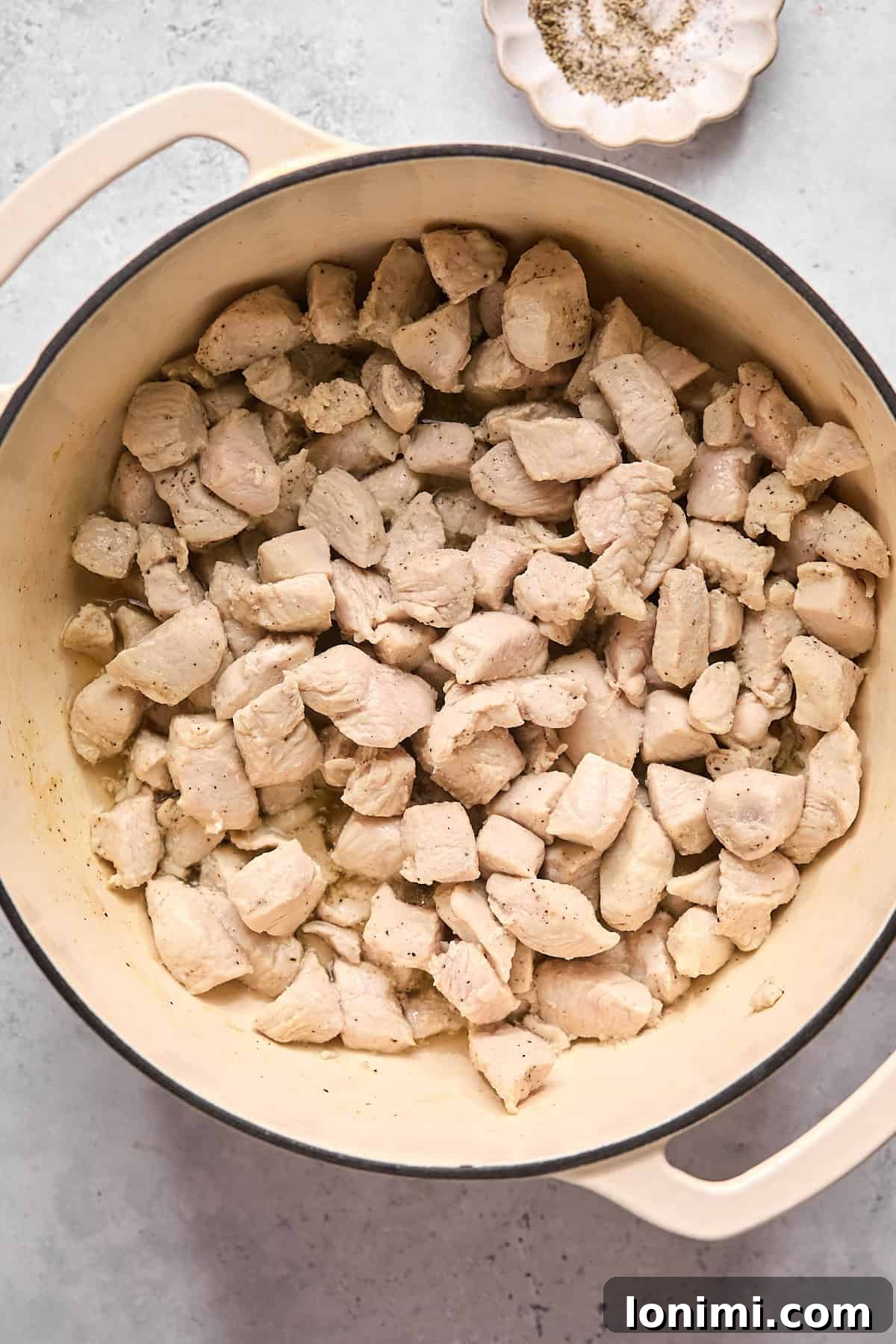
Step 1: Prepare the Chicken. Begin by heating the olive oil over medium heat in a sturdy Dutch oven or a large, heavy-bottomed saucepan. Once the oil is shimmering, add your cubed chicken pieces to the pot. Season generously with salt and freshly ground black pepper. Sauté the chicken for approximately 4-5 minutes, stirring occasionally, until it is mostly cooked through and beautifully browned on all sides. This browning step is crucial for developing rich flavor. Once cooked, remove the chicken from the pot using a slotted spoon, allowing any excess oil to drain back into the pot, and set the chicken aside on a plate.
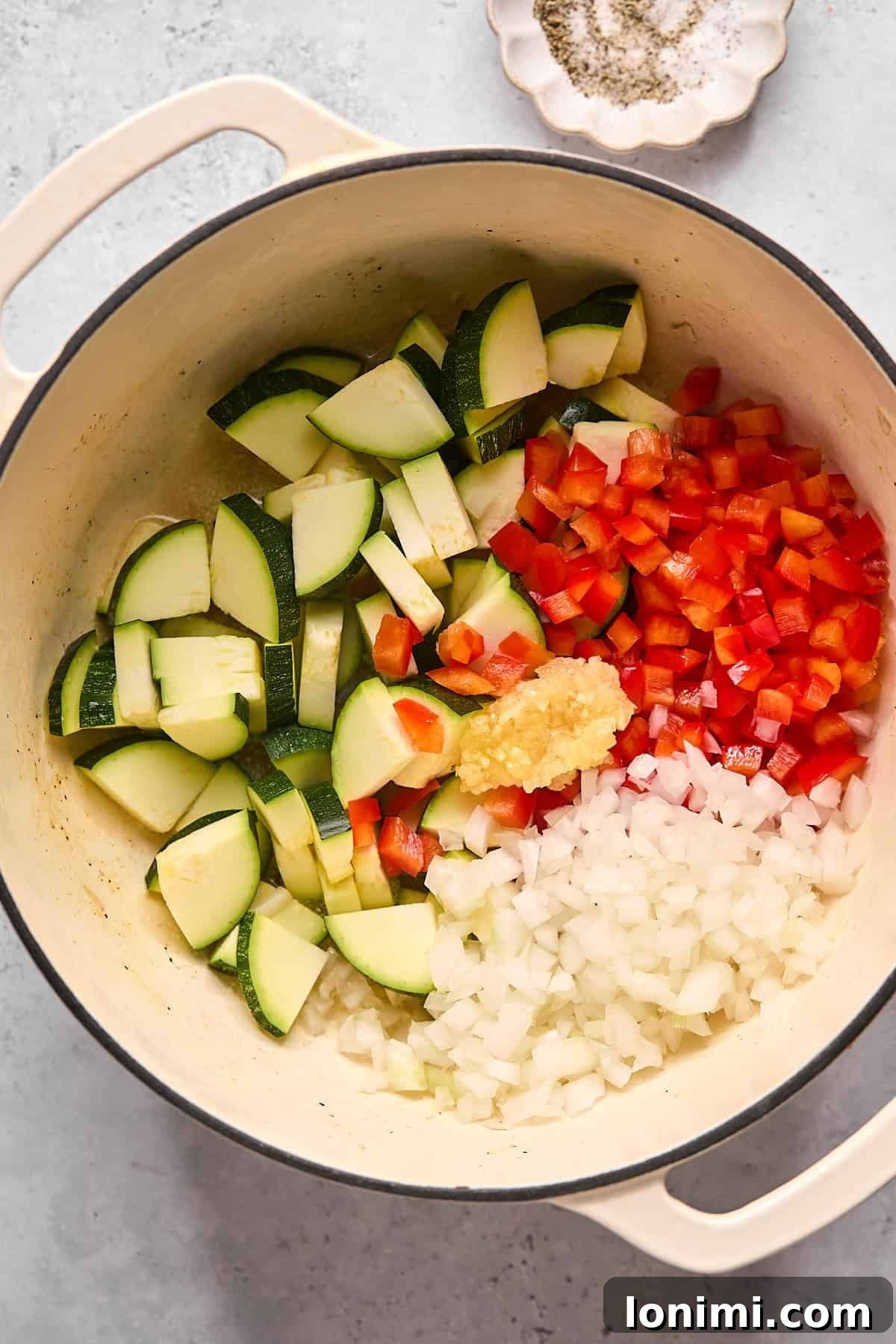
Step 2: Sauté the Aromatics and Vegetables. In the same pot, with the residual oil and chicken drippings, add the minced garlic, diced onion, diced red bell pepper, and sliced zucchini. Sauté these vegetables for 2-3 minutes, stirring constantly, until they begin to soften and become fragrant. The goal here is to lightly cook them, allowing them to release their flavors and aromas without overcooking, as they will continue to cook in the broth.
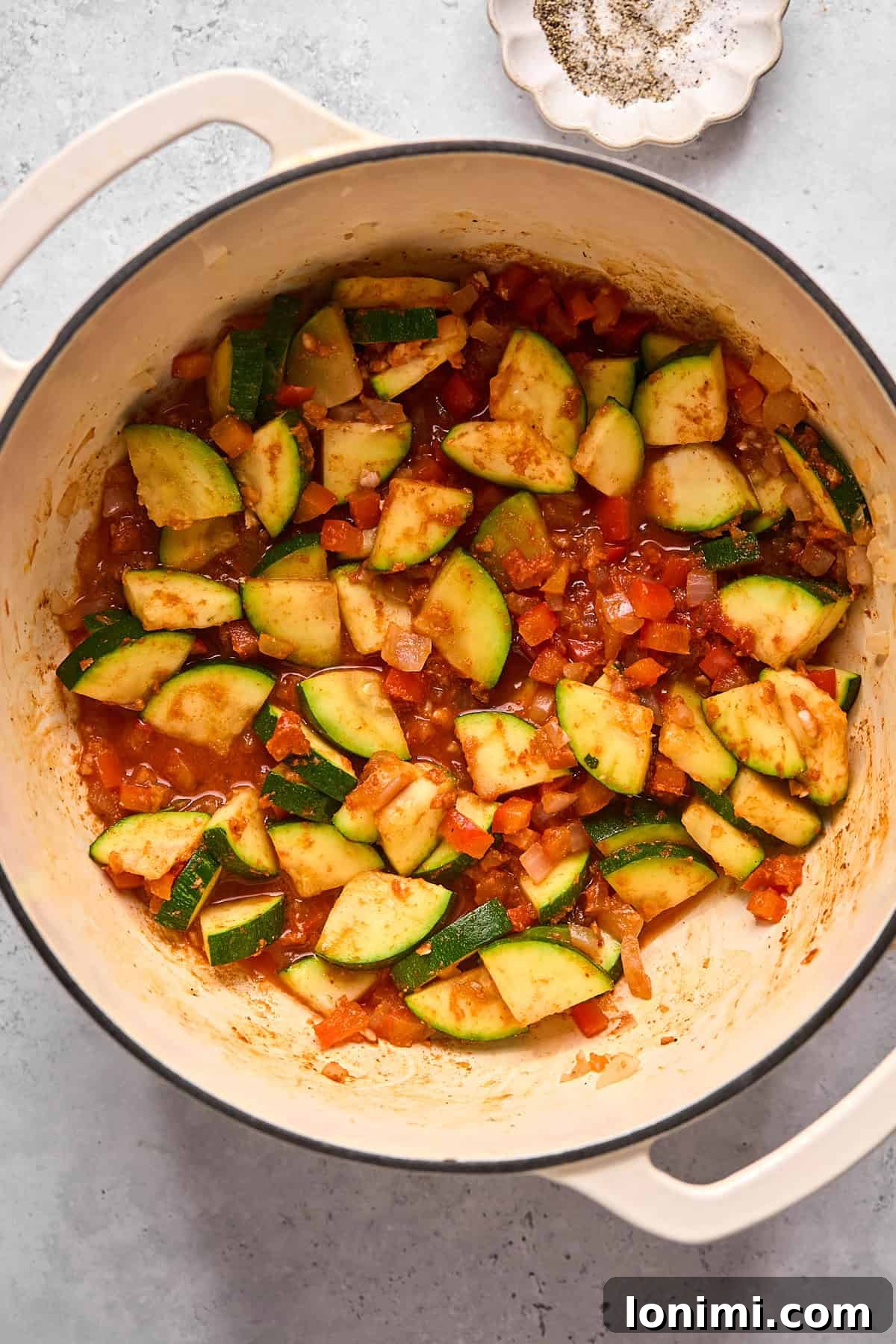
Step 3: Infuse with Curry and Ginger. Add the Thai red curry paste and grated fresh ginger to the sautéed vegetables. Stir these intensely aromatic ingredients into the mixture for about 1 minute. Cook until they become incredibly fragrant, allowing the paste to bloom and release its full spectrum of spices. This step is key to building the depth of flavor in your soup.
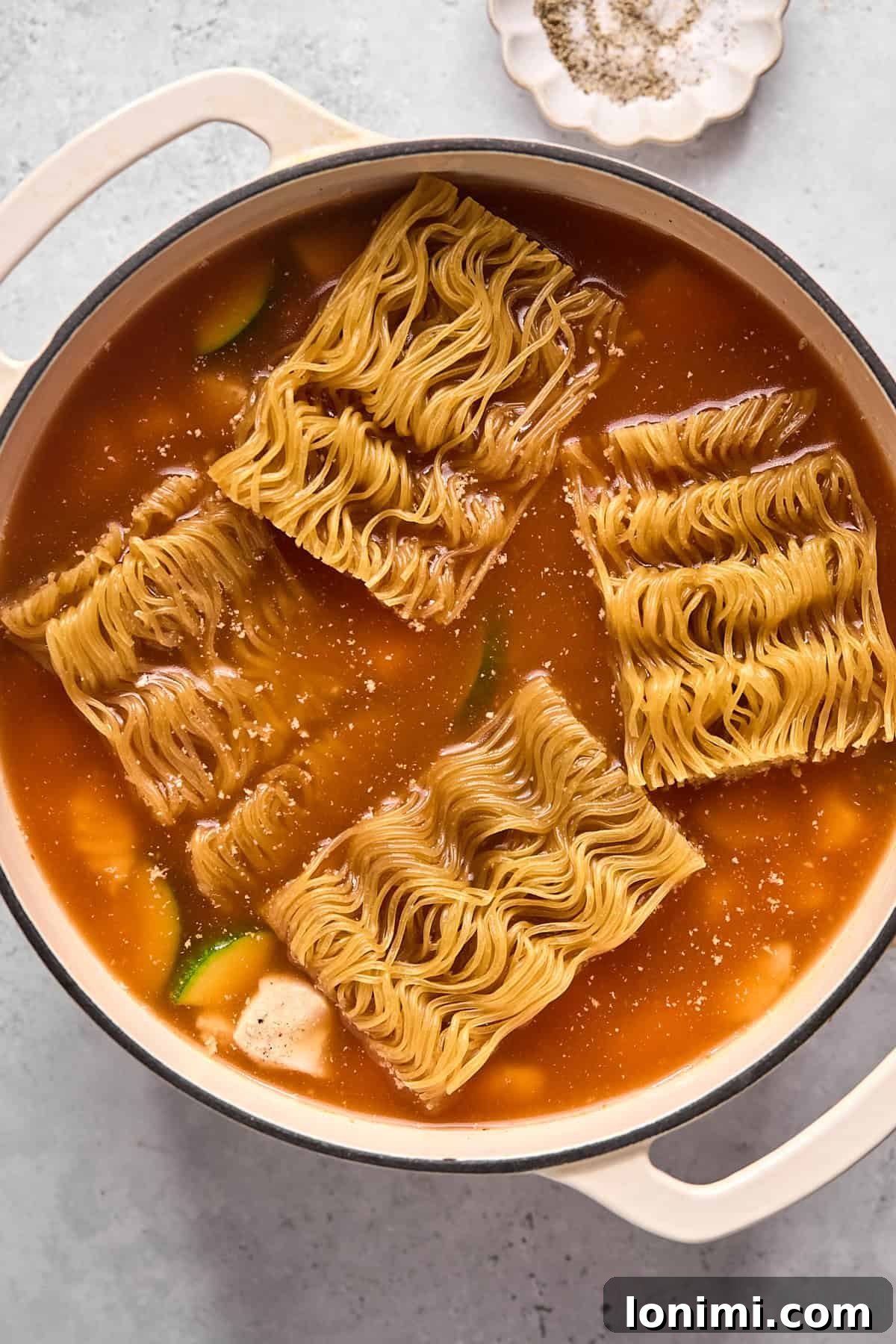
Step 4: Combine and Simmer. Return the browned chicken pieces to the pot. Pour in the chicken broth and add the rice ramen noodles. Stir everything together gently to ensure the noodles are submerged. Bring the mixture to a rolling boil over medium-high heat. Once boiling, reduce the heat to medium and cook for approximately 4-5 minutes, or until the noodles are al dente. Remember, the noodles will continue to soften slightly as they rest in the hot broth, so avoid overcooking them at this stage.
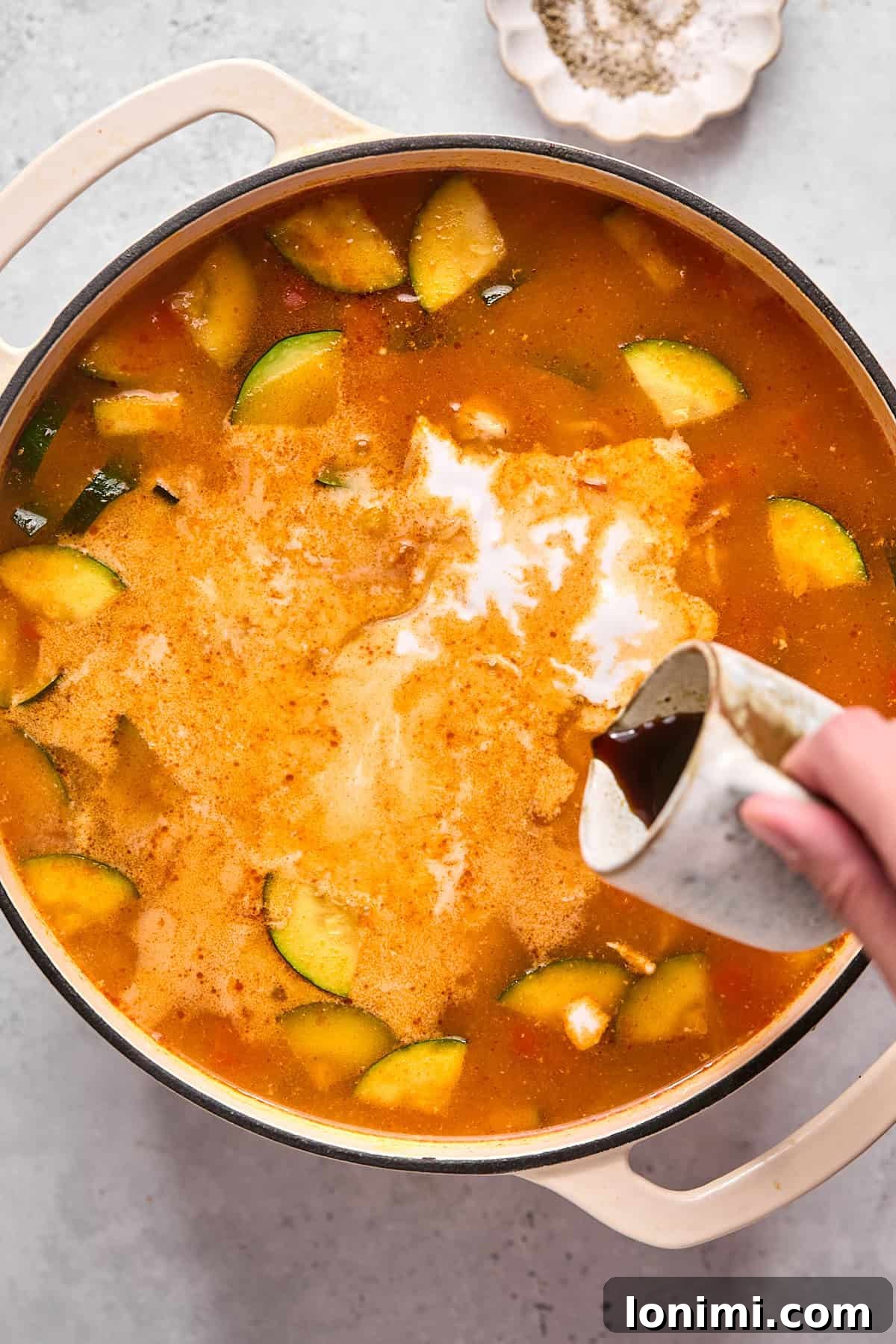
Step 5: Finish with Creaminess and Brightness. Once the noodles are cooked, reduce the heat to low. Stir in the full-fat coconut milk, coconut aminos, and fresh lime juice. Gently stir the soup until it is warmed through, ensuring the coconut milk is fully incorporated and the soup reaches a creamy consistency. Avoid bringing the soup to a hard boil after adding coconut milk, as it can sometimes cause it to separate or become oily.
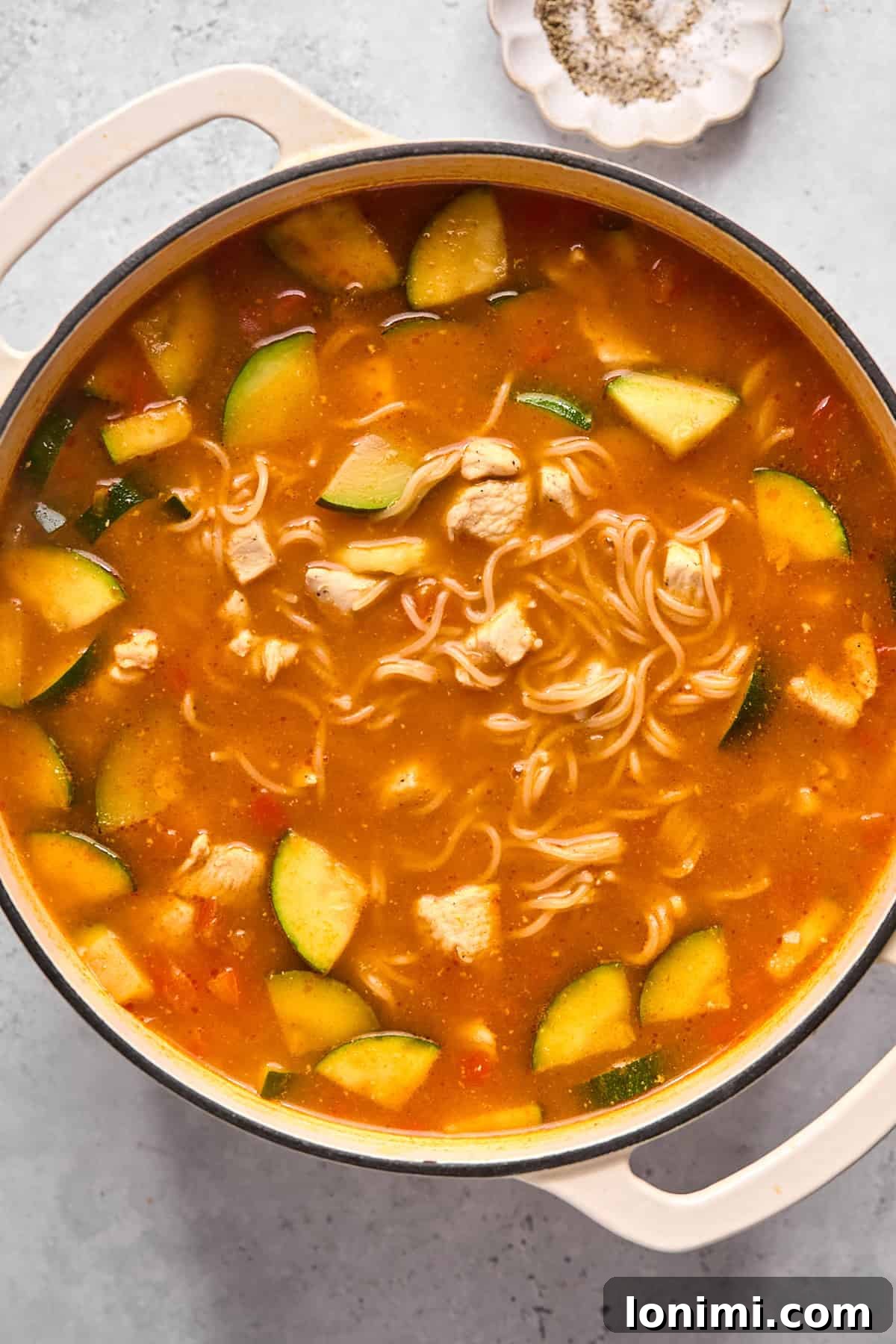
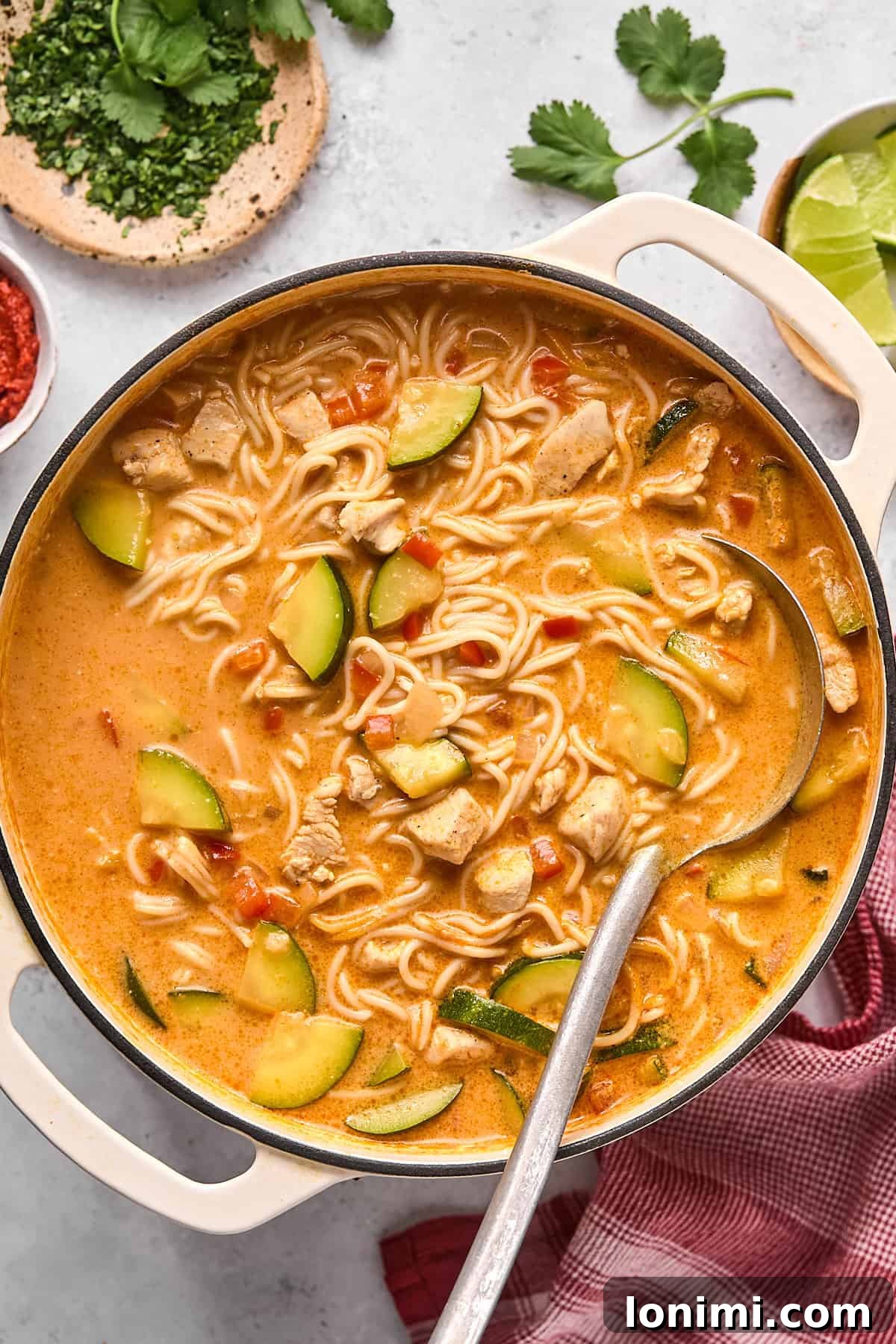
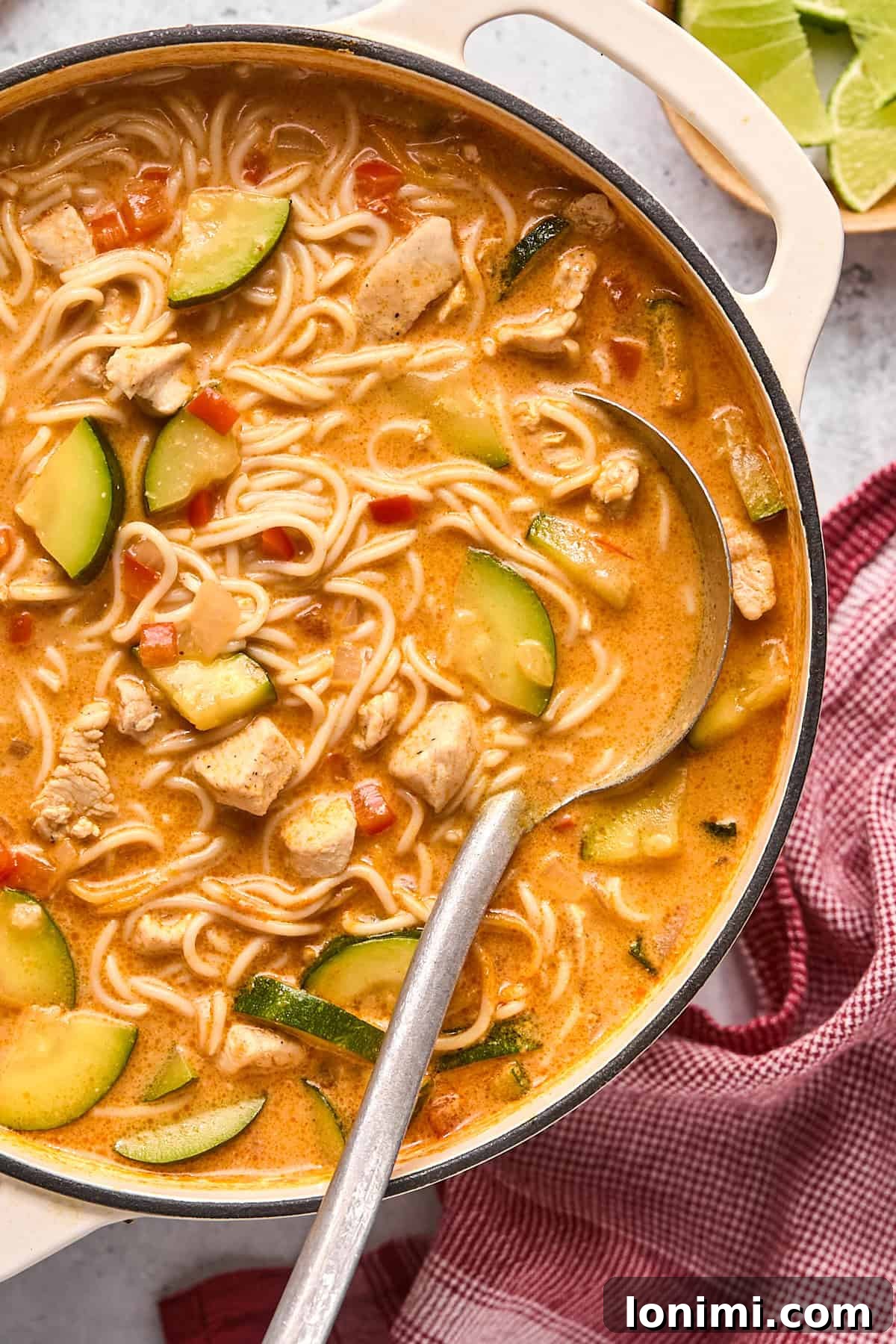
Step 6: Taste, Season, and Serve. Taste the soup and adjust the seasoning as needed with additional salt and pepper. This is your chance to perfect the flavor profile. Ladle the hot Thai red curry noodle soup into bowls. Garnish each serving generously with fresh cilantro or fresh Thai basil, and add another squeeze of fresh lime juice for an extra bright finish. Serve immediately and savor every spoonful of this homemade Thai delight!
Expert Tips for the Best Red Curry Soup
Achieving restaurant-quality red curry soup at home is entirely possible with a few insider tips:
- Coconut Milk Choice is Key: For that truly luxurious, creamy consistency that defines a great Thai curry, always opt for full-fat canned coconut milk. The refrigerated versions are typically much thinner and won’t give your soup the rich, velvety texture it deserves. When opening the can, you might find a thick layer of cream at the top; feel free to scoop that into your soup for extra richness before stirring in the thinner liquid below.
- Embrace Fish Sauce (Optional but Authentic): Fish sauce is a cornerstone of Thai cooking, adding a profound depth of savory, umami flavor that can’t be replicated. If you enjoy authentic Thai cuisine, I highly recommend adding a teaspoon or two to your pot of soup. Start with a small amount, taste, and add more gradually until you reach your desired complexity. It truly elevates the dish!
- Mastering the Spice Level: Red curry soup offers a delightful balance of sweet, savory, and spicy. The heat level is largely dictated by the amount of Thai red curry paste you use. For a milder soup, start with the recommended amount and taste before adding more. If you crave more heat, simply stir in an extra half teaspoon or a full teaspoon of paste, allowing it to simmer for a minute or two to release its flavor. For an even more intense kick, a sprinkle of crushed red pepper flakes during the final cooking stage works wonders.
- Don’t Overcook the Noodles: Rice ramen noodles cook quickly. Pay close attention during Step 4 to ensure they reach an al dente texture. They will continue to soften slightly as they sit in the hot broth. Overcooked noodles can become mushy, detracting from the soup’s overall texture.
- Fresh Aromatics Make a Difference: While pre-minced garlic and ginger can be convenient, using fresh garlic cloves and grating fresh ginger yourself will yield a far superior, more vibrant flavor. The effort is minimal, but the impact on your soup’s taste is significant.
- Balance the Flavors: Thai cuisine is all about balance. Before serving, always taste your soup. Does it need more salt? A bit more lime juice for brightness? More coconut aminos for umami? Adjusting these elements at the end can transform a good soup into a great one.
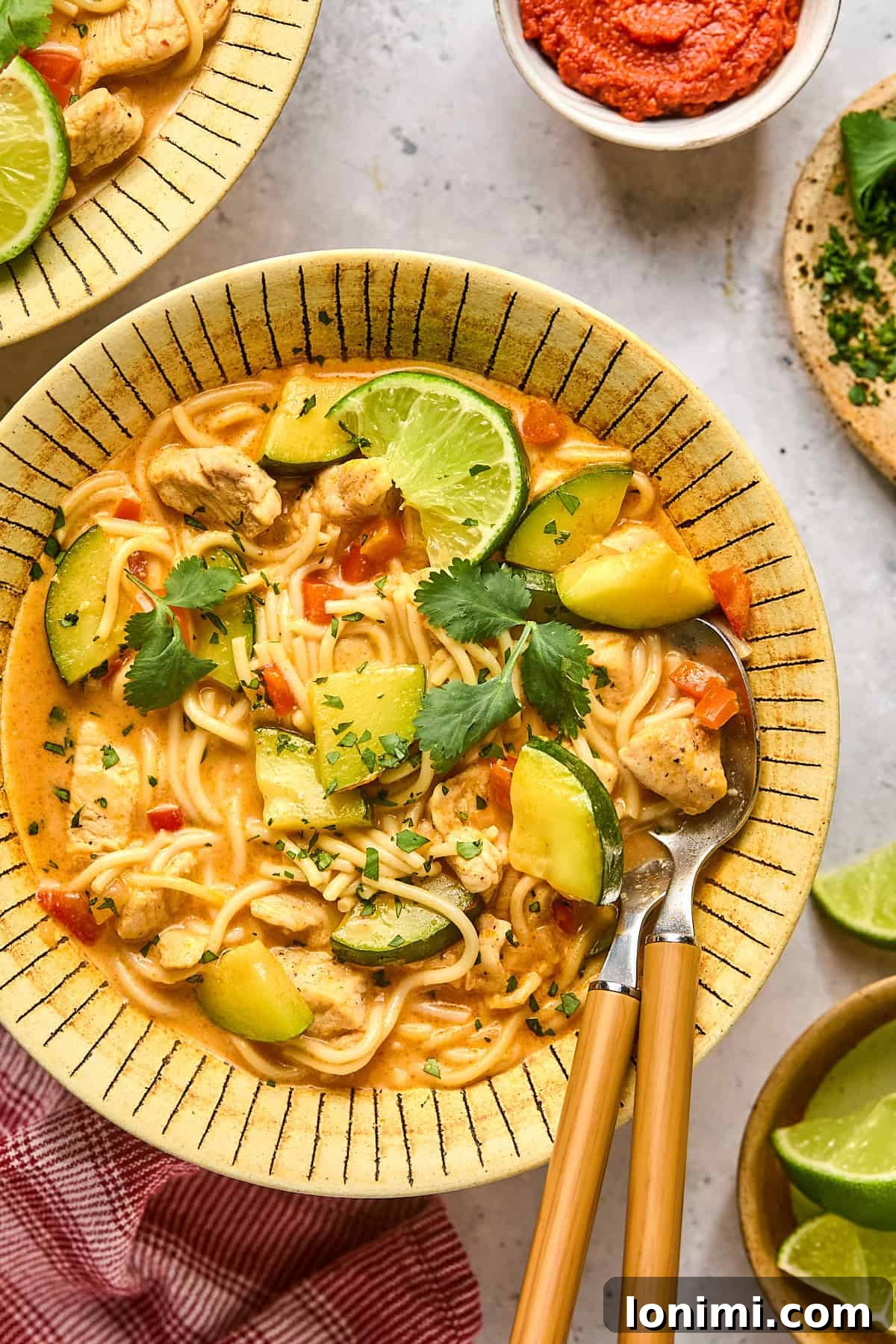
Serving Suggestions for Your Red Curry Soup
Once your delectable Red Curry Soup is ready, elevate your dining experience with these delightful serving tips:
- A Zesty Citrus Boost: If you, like me, appreciate an extra zesty kick, serve individual bowls of soup with a side of fresh lime wedges. A final squeeze of lime juice just before eating brightens all the flavors and adds a refreshing tang that cuts through the richness of the coconut milk.
- Crusty Dipping Bread: This soup is wonderfully comforting when paired with something to dip. A warm, crusty gluten-free roll or a slice of gluten-free baguette is perfect for soaking up every last drop of the savory broth.
- Fresh Green Onions: For an extra layer of mild onion flavor and a beautiful pop of green, finely chopped green onions (scallions) make a fantastic garnish. They add a subtle crunch and freshness that complements the soup beautifully.
- Crunchy Toppings: Add some texture with a sprinkle of roasted peanuts or cashews. For an added layer of flavor and crunch, you can also consider crispy fried shallots, which are a common topping in Southeast Asian cuisine.
- Herbal Freshness: Beyond cilantro, consider garnishing with fresh Thai basil leaves. Thai basil has a distinct anise-like flavor that works exceptionally well with red curry and adds another dimension to the soup.
- Pair with Rice: While the rice ramen noodles provide plenty of carbs, serving the soup alongside a small bowl of steamed jasmine rice or brown rice can be a delightful way to enjoy it, especially if you want to soak up every drop of the rich broth. For a low-carb option, cauliflower rice is an excellent choice.
Smart Storage Tips for Leftovers
This Thai Red Curry Soup is often even better the next day, as the flavors have more time to meld. Proper storage ensures you can enjoy your delicious creation for days to come:
One crucial tip for maximizing the enjoyment of leftovers, especially if you plan on having a significant amount, is to cook the rice ramen noodles separately and add them fresh to each serving as needed. Noodles, particularly ramen, tend to absorb a lot of broth as they sit in the refrigerator, resulting in a thicker soup and softer noodles than desired. By storing the soup base and noodles separately, you maintain the perfect texture of the noodles and the ideal consistency of the broth.
To store the main soup base, allow it to cool completely to room temperature first. Then, transfer it to an airtight container and place it in the refrigerator. It will keep beautifully for up to 4 days. When you’re ready to reheat, simply warm the soup in a skillet over medium heat on the stovetop until it’s warmed through, stirring occasionally. You can also microwave individual portions.
This versatile soup is also an excellent candidate for freezing. To freeze, ensure the soup (without the noodles, if possible) is completely cool. Transfer it to an airtight, freezer-safe container or a heavy-duty freezer bag, leaving about an inch of headspace to allow for expansion. It can be frozen for 2-3 months. When you’re ready to enjoy it, thaw the soup in the refrigerator overnight before reheating it gently on the stovetop. Once thawed and reheated, prepare fresh rice ramen noodles to add to your bowl for the best experience.
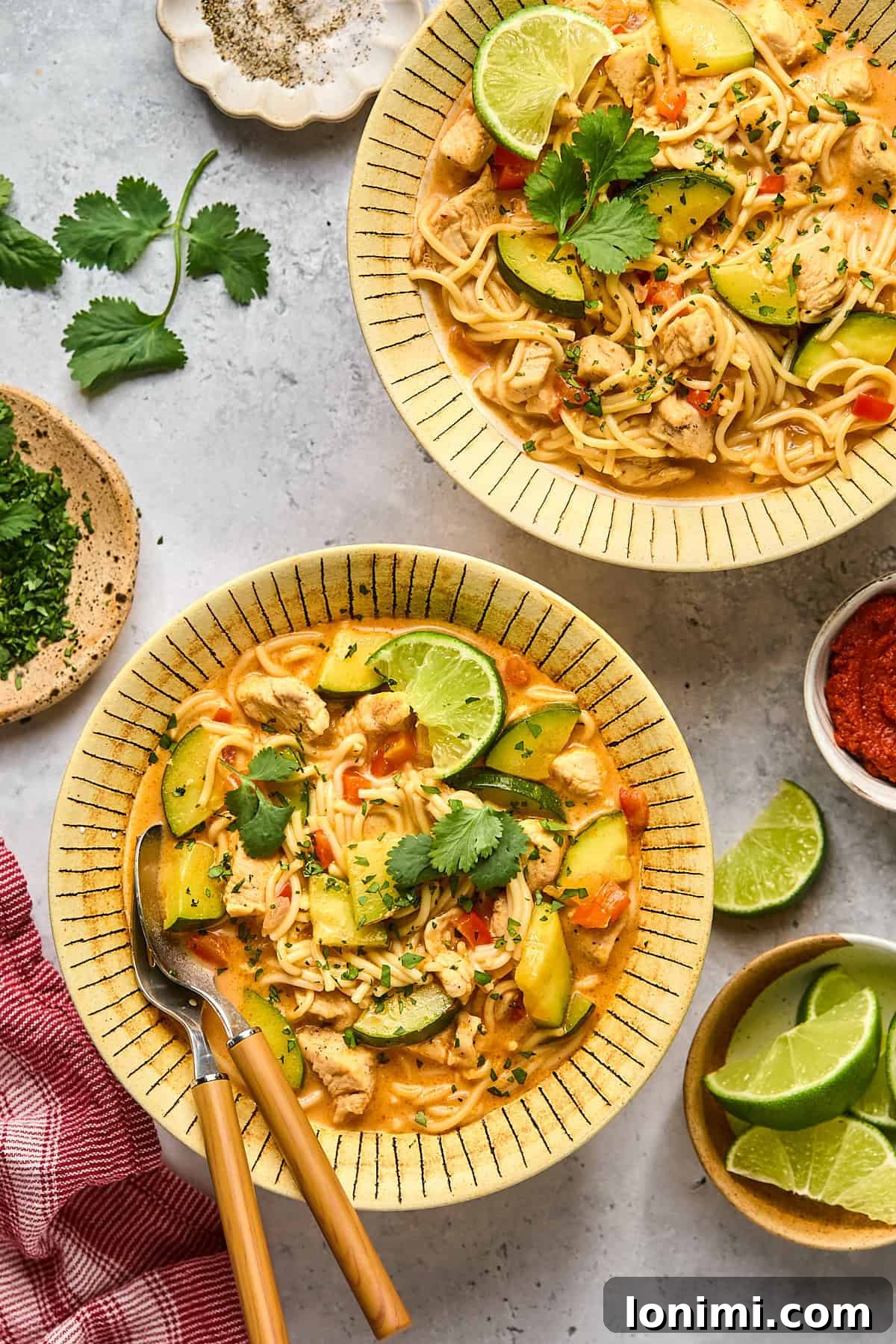
Red Curry Soup Recipe FAQs
While both rice noodles and rice ramen noodles are fantastic gluten-free alternatives to traditional wheat noodles, they do differ in shape, thickness, and resulting texture. Rice noodles can come in various forms, from thin vermicelli to wide flat noodles. Rice ramen noodles, specifically, are typically thicker, often curly or wavy, and designed to replicate the satisfying chewiness of traditional ramen. So yes, there is a slight difference that impacts the mouthfeel of your soup!
The spice level of red curry soup is highly customizable and primarily depends on the amount and brand of Thai red curry paste you use. Some brands are naturally spicier than others. For a mild soup, start with the amount recommended in the recipe. If you prefer more heat, you can gradually add an additional half-teaspoon or full teaspoon of curry paste, tasting as you go until it reaches your desired spice level. For an extra kick, a dash of red pepper flakes or a few slices of fresh Thai chili can be added during cooking or as a garnish.
Absolutely! This recipe is incredibly versatile and can easily be adapted for a vegetarian or vegan diet. If you’re swapping chicken for tofu, I highly recommend using extra-firm tofu for the best results. Press the tofu to remove excess water, then cut it into cubes. You can pan-fry or bake the tofu cubes until golden brown and slightly crispy before adding them to the soup during the final warming stage, or simmer them directly in the broth until heated through. Be sure to also swap chicken broth for vegetable broth and ensure your red curry paste is vegan-friendly (some contain shrimp paste).
Yes, this recipe is naturally dairy-free! It uses full-fat coconut milk to achieve its creamy texture and rich flavor, making it a wonderful option for those avoiding dairy or following a vegan diet (with the tofu substitution mentioned above).
If rice ramen noodles are unavailable, you have several excellent gluten-free alternatives. Any type of wider flat rice noodle (like those used in Pad Thai) or even thinner rice vermicelli noodles would work well. Just be mindful of their cooking times, as they may vary. For a different texture, sweet potato noodles (glass noodles) are another great gluten-free option. Always cook these alternatives according to their package directions and add them to the soup at the appropriate time to prevent them from becoming mushy.
The consistency of your soup can be adjusted to your preference. If you find your soup too thick, simply stir in a bit more chicken or vegetable broth until it reaches your desired consistency. If it’s too thin, you can simmer it uncovered for a longer period to allow some of the liquid to evaporate, or you can whisk a tablespoon of cornstarch with an equal amount of cold water to create a slurry, then stir it into the simmering soup until it thickens. Be sure to cook for a minute or two after adding the slurry to ensure the cornstarch flavor cooks out.
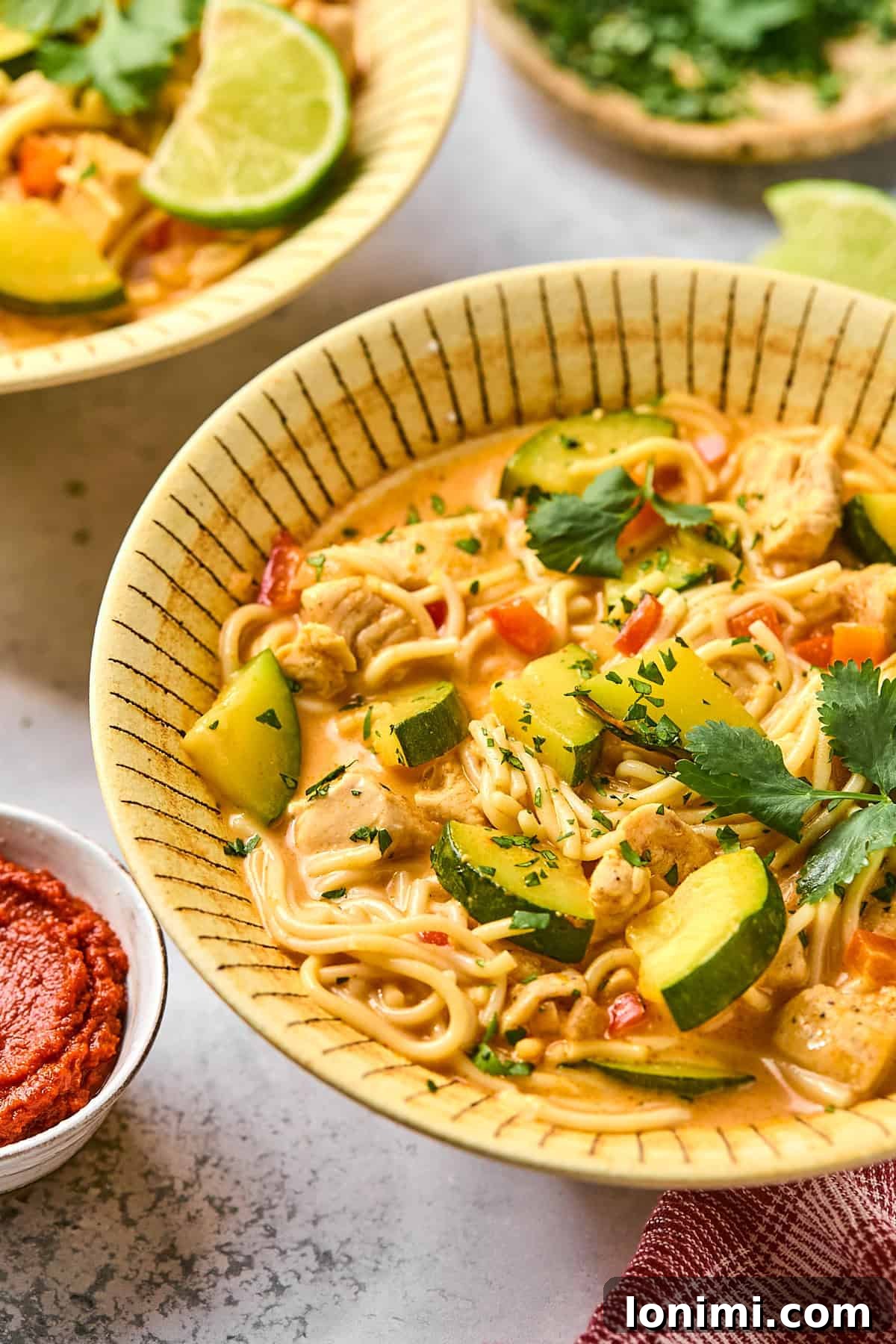
More Thai Recipes to Explore
Thai Coconut Curry Shrimp Bowls {Whole30, keto, paleo}
Instant Pot Chicken and Sweet Potato Curry
Thai Curry Salmon Gluten Free Ramen
Easy Thai Pumpkin Chicken Curry
Love this recipe? Please leave a 5-star 🌟🌟🌟🌟🌟 rating in the recipe card below & a review in the comment section. Or, follow me on Facebook, Pinterest or Instagram today!
Saved
Pin
Thai-Inspired Red Curry Soup Recipe
Equipment
-
Dutch Oven
Ingredients
- 1 tbsp olive oil
- 2 lbs chicken breasts, cut into 1-inch cubes
- 4 cloves minced garlic
- ½ onion, diced
- 1 red bell pepper, diced
- 1 zucchini, cut into ¼ inch thick ¼ moon slices
- 2.5 tbsp Thai red curry paste
- 2 tsp fresh ginger, grated
- 6 cups chicken broth
- 4 blocks rice ramen noodles, I like Lotus Foods brand
- 1 can full-fat coconut milk
- 2 tbsp coconut aminos
- 2 tbsp lime juice
- fresh cilantro, for garnish
Instructions
-
Heat the olive oil over medium heat in a dutch oven or large pot.
-
Add the chicken pieces and sprinkle with salt and pepper. Saute for 4-5 minutes until mostly cooked through and browned. Remove using a slotted spoon and set aside.
-
Add the garlic, onion, bell pepper, and zucchini to the pot. Saute for 2-3 minutes.
-
Add the curry paste and ginger and stir until fragrant.
-
Add the chicken back to the pot along with the chicken broth and the rice ramen noodles. Bring to a boil, then cook over medium heat until the noodles are al dente (they will soften as they sit in the broth), about 4-5 minutes.
-
Add the can of coconut milk, coconut aminos, and lime juice. Stir over medium heat until warmed through.
-
Season with salt and pepper. Serve topped with some fresh cilantro and enjoy!
Notes
-
- For best results, use canned coconut milk instead of the refrigerated version. The refrigerated version tends to be too thin and doesn’t give your soup a creamy consistency.
-
- Fish sauce is used frequently in Thai dishes so if you like it, feel free to add it to your pot of soup a teaspoon at a time until it reaches your desired taste!
-
- Taste as you go to make sure the spice level is perfect for you. Feel free to add in some crushed red pepper for extra spice.
- To store leftovers, first let them cool to room temperature and then store them in an airtight container in the refrigerator for up to 4 days. Heat up in a skillet over medium heat until warmed through.
- This soup can also be frozen for 2-3 months in an airtight container or freezer bag. When you’re ready to eat it, thaw it in the refrigerator overnight before reheating.
-
If you plan on having lots of leftovers, I recommend cooking the rice ramen separately and adding it fresh as needed. The noodles absorb a lot of the broth as it sits in the broth / containers in the fridge.
Nutrition
All nutrition facts are an estimate and automatically calculated. While I fact check them using My Fitness Pal, please note that they may not always be 100% accurate and depend on ingredients used. Weigh your total and divide by the number of servings for the most accurate grams per serving size.
This post may contain affiliate links