
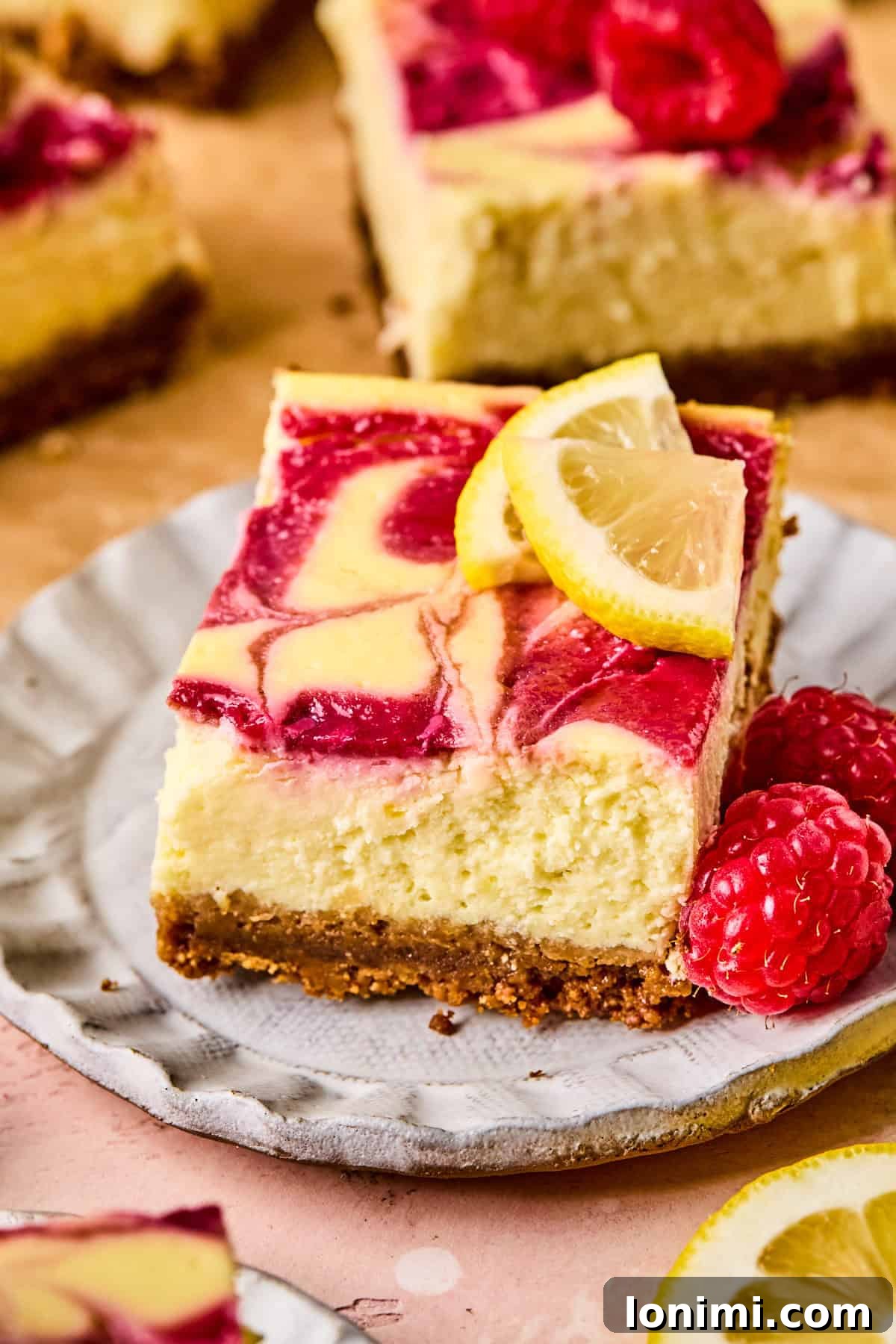
Craving a classic dessert with a healthy twist? Look no further than this delightful high protein cheesecake. We’ve mastered the art of blending creamy cottage cheese and rich Greek yogurt to create an irresistibly smooth, tangy, and sweet cheesecake filling that doesn’t compromise on flavor or satisfaction. Infused with bright, zesty lemon and crowned with a vibrant raspberry swirl over a golden graham cracker crust, this recipe is undeniable proof that you can truly enjoy your cheesecake and meet your protein goals, all in one deliciously guilt-free bite.
Why You’ll Absolutely Love This High Protein Cheesecake Recipe
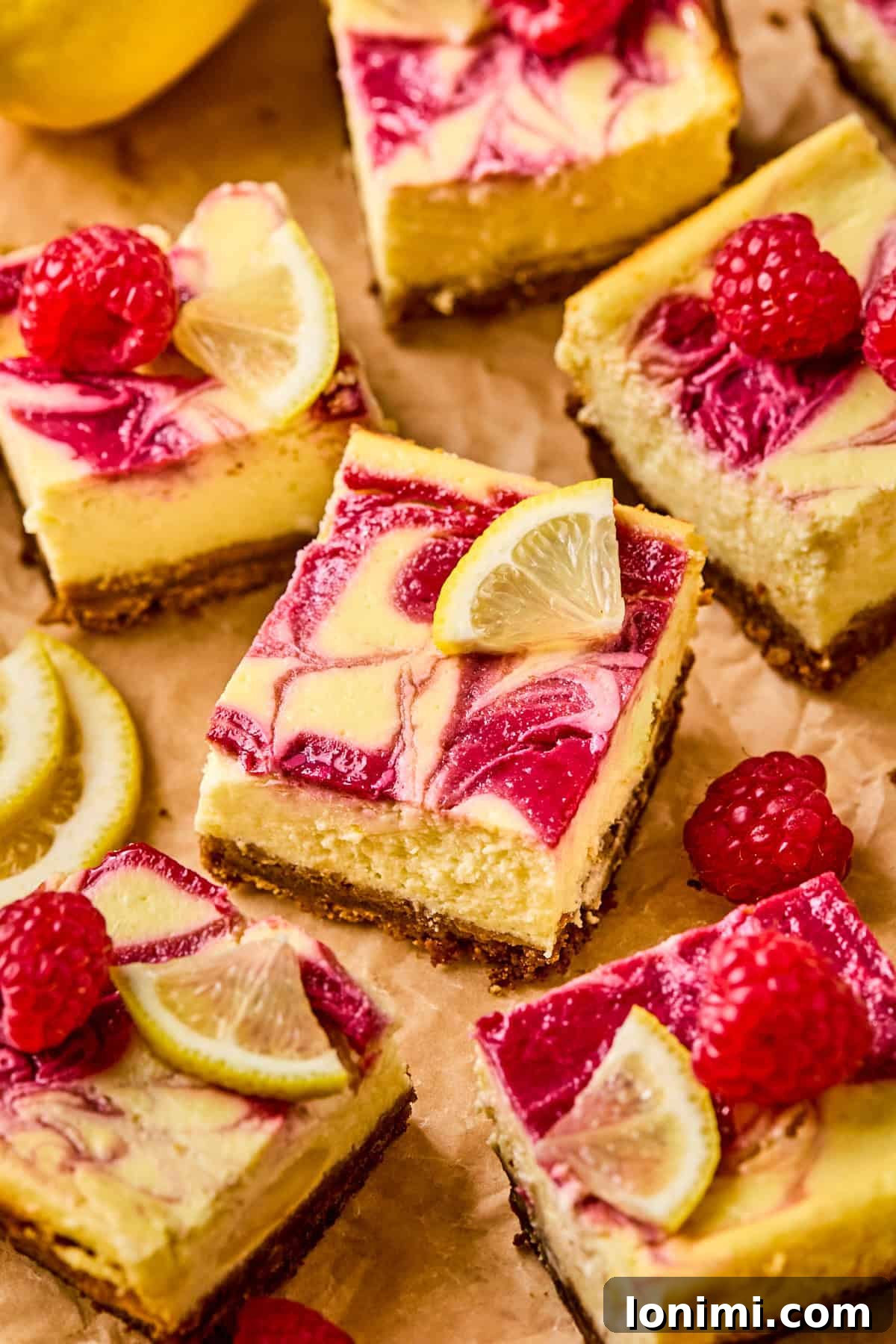
If you’re a cheesecake enthusiast striving to incorporate more protein into your diet, prepare to discover your new favorite dessert. This lemon raspberry high protein cheesecake offers the luxurious, creamy texture and rich flavor profile you expect from a traditional cheesecake, but with a clever, nutrient-dense secret. Instead of relying solely on cream cheese, we harness the power of blended cottage cheese for a silky-smooth base, complemented by Greek yogurt which adds a delightful tang and helps achieve that perfect, firm cheesecake structure, all while keeping calories and sugar mindfully balanced.
You’ll adore the buttery, slightly sweet graham cracker crust, which can easily be made gluten-free using options like Simple Mills Sweet Thins. Each slice is a feast for the eyes, thanks to the stunning, vibrant swirl of homemade raspberry puree on top, making this dessert as visually appealing as it is delicious. It’s a guaranteed crowd-pleaser; in fact, even the pickiest eaters and kids in our household devoured it without suspecting it was secretly packed with a substantial dose of protein! This recipe truly redefines healthy indulgence, showcasing how versatile and satisfying cottage cheese recipes can be. It effortlessly satisfies your sweet cravings while seamlessly fitting into your nutritional objectives, making it one of those essential high protein desserts you’ll want to prepare repeatedly.
Looking for more innovative and protein-packed dessert ideas? Be sure to explore our collection of treats like these incredibly fudgy protein brownies or our comforting chocolate protein banana bread for even more guilt-free indulgence that supports your health and fitness journey.
The Secret Star: Why Cottage Cheese is the Ultimate Cheesecake Base
Cottage cheese is currently experiencing a well-deserved resurgence in popularity, and for very compelling reasons, especially in the realm of healthy baking. When blended until incredibly smooth and creamy, it transforms into an excellent, nutrient-rich substitute for traditional cream cheese in desserts. This culinary magic not only significantly boosts the protein content per serving but also contributes to a lighter, airier texture, reducing overall fat without sacrificing any of that desired richness. Beyond its impressive nutritional benefits and textural versatility, cottage cheese is also widely available and remarkably budget-friendly, making it an accessible superfood for your kitchen.
It stands as a pivotal ingredient in many easy protein cheesecake recipes, especially when thoughtfully combined with other simple yet powerful ingredients such as tangy Greek yogurt, bright lemon zest and juice, and comforting vanilla extract. This combination creates a harmonious flavor profile that’s both familiar and uniquely refreshing.
If you’re eager to explore more innovative ways to use this fantastic ingredient, don’t miss out on other creative cottage cheese recipes like our savory Cottage Cheese Queso, our creamy Cottage Cheese Alfredo, or the incredibly versatile Cottage Cheese Flatbread!
For those following a dairy-free diet, you don’t have to miss out on decadent cheesecake. Try our incredible dairy-free key lime cheesecake bars – a refreshingly delicious springtime recipe that still delivers a generous 10 grams of protein per square!
Essential Ingredients for Your Protein Cheesecake Masterpiece
Let’s delve into the key ingredients that come together to make this protein cheesecake both exceptionally delicious and remarkably functional. Each component plays a vital role in achieving the perfect balance of flavor, texture, and nutritional value. For precise measurements, please refer to the detailed recipe card provided below.
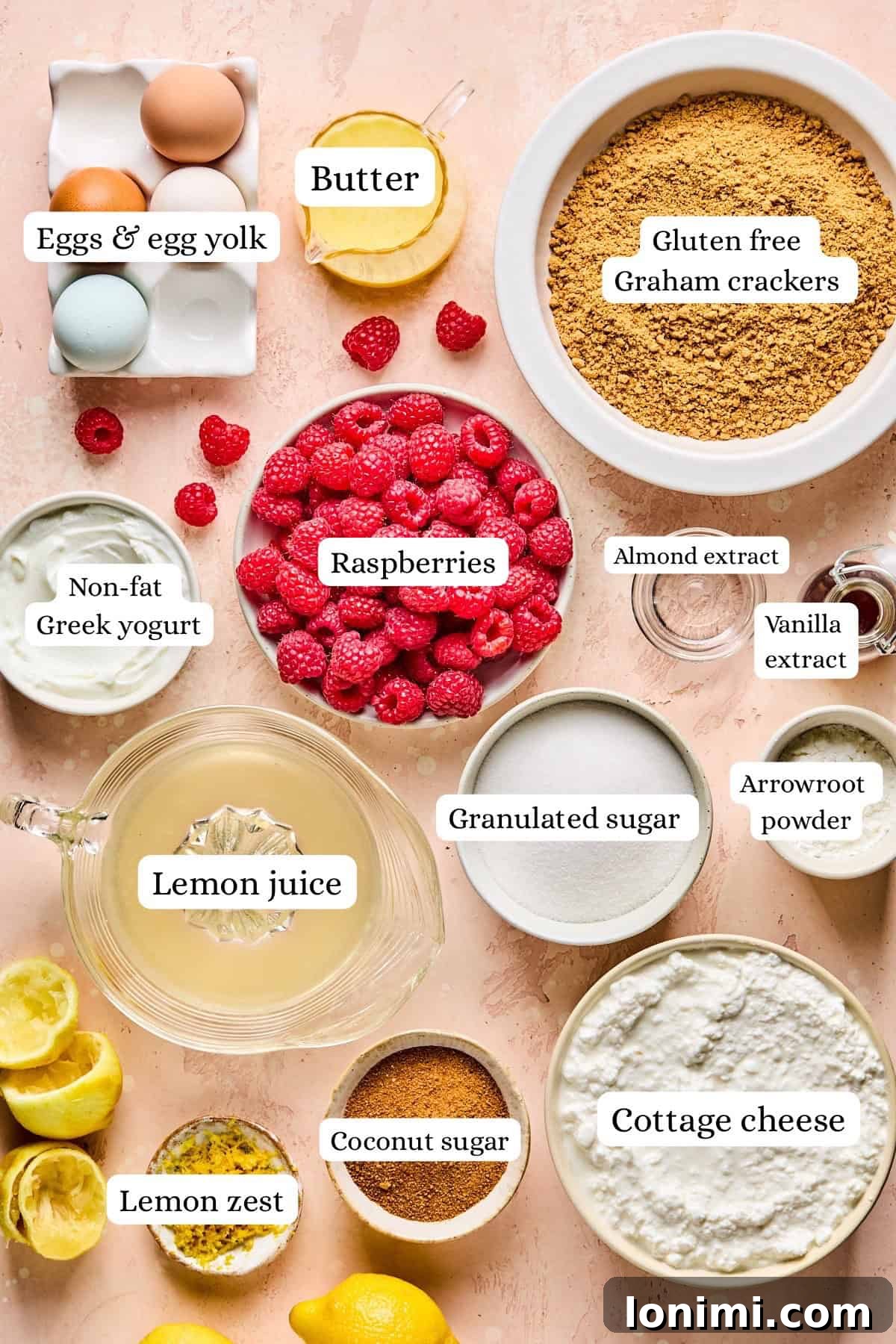
- Cottage Cheese: This is the cornerstone of our high protein cheesecake filling. When meticulously blended until flawlessly smooth, it adeptly mimics the rich texture of traditional cream cheese while significantly boosting the protein content and reducing overall calories. We highly recommend using a quality brand like Good Culture for the best results, as their consistency is ideal for blending.
- Greek Yogurt: Adding to the protein punch and enhancing the cheesecake’s structure, Greek yogurt introduces a wonderful tangy note that brightens the overall flavor. Both non-fat and low-fat varieties work exceptionally well in this recipe, allowing for flexibility based on your dietary preferences.
- Graham Crackers: Forming the perfect crunchy base for our bars, we opted for gluten-free Simple Mills Sweet Thins to cater to various dietary needs. However, you can easily substitute these with any brand of gluten-free graham crackers or even traditional ones if gluten is not a concern.
- Coconut Sugar: Used in the crust, coconut sugar imparts subtle caramel undertones that complement the graham crackers beautifully. If unavailable, an equal amount of brown sugar makes a fantastic substitute, offering a similar depth of flavor.
- Granulated Sugar: Standard white granulated sugar is used in the filling to provide the essential sweetness. For those seeking a lower sugar option, a granulated monk fruit sweetener can be swapped in, adjusting to taste.
- Eggs and Egg Yolk: These act as crucial binders, providing essential structure to the cheesecake filling and contributing to its luxurious richness and smooth consistency. They help prevent the cheesecake from cracking during baking.
- Arrowroot Powder: This natural thickener is key to stabilizing the creamy filling, ensuring it sets perfectly. In a pinch, cornstarch can be used as an effective alternative, typically in the same quantity.
- Lemon Zest and Fresh Lemon Juice: These two components are vital for introducing a burst of bright, fresh citrus flavor and a gentle, aromatic lemon essence that perfectly balances the sweetness of the cheesecake.
- Vanilla Extract + Almond Extract: The combination of these extracts is what truly brings out those classic, comforting cheesecake notes, adding depth and complexity to the overall flavor profile.
- Fresh Raspberries + Sugar: These create the stunning, tart, and beautifully colored swirl that graces the top of the cheesecake. Using fresh berries is highly recommended for the best flavor and vibrant hue. Feel free to experiment by swapping raspberries for fresh strawberries or any other favorite fruit puree.
- Optional Protein Powder: For an extra protein boost, you can incorporate a scoop of vanilla or unflavored protein powder into the filling. However, the base recipe is already wonderfully protein-packed and holds up beautifully without this addition, so it’s entirely optional based on your protein goals.
Step-by-Step Guide: How to Master This Protein Cheesecake
Creating this irresistible lemon raspberry high protein cheesecake is a straightforward and rewarding process. Follow these detailed steps to achieve a perfectly creamy, tangy, and sweet dessert every time. Precision in preparation ensures the best results!
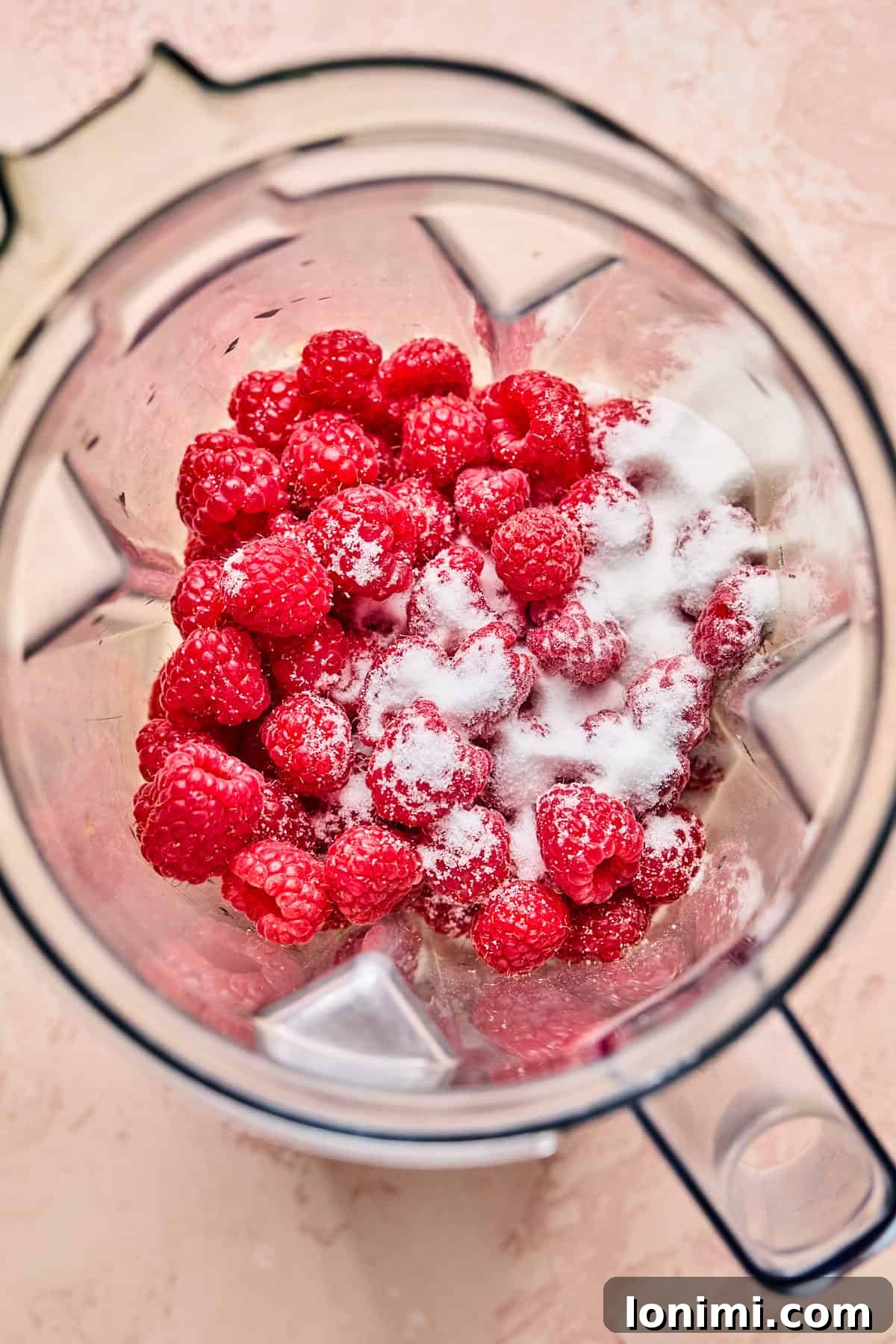
Step 1: Prepare the Raspberry Puree. Begin by preheating your oven to 350°F (175°C). In a high-speed blender, combine the fresh raspberries with the granulated sugar. Blend on high until the mixture is completely smooth and liquid.
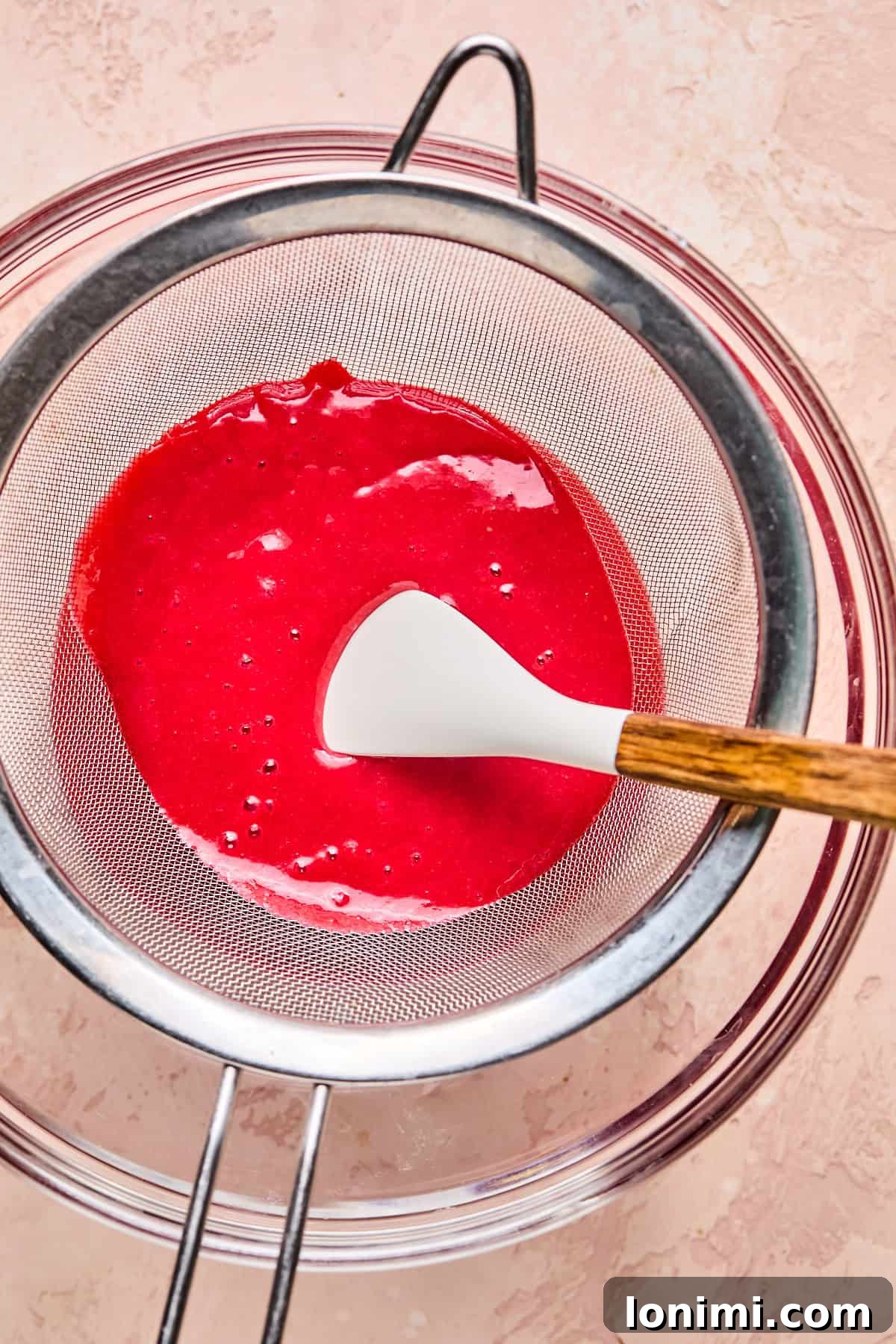
Step 2: Strain the Raspberry Puree. Pour the blended raspberry mixture through a fine mesh strainer set over a bowl. Use a spatula to press the puree through the strainer, ensuring all seeds and pulp are separated, leaving you with a silky-smooth sauce. Discard the solids and set the vibrant puree aside.
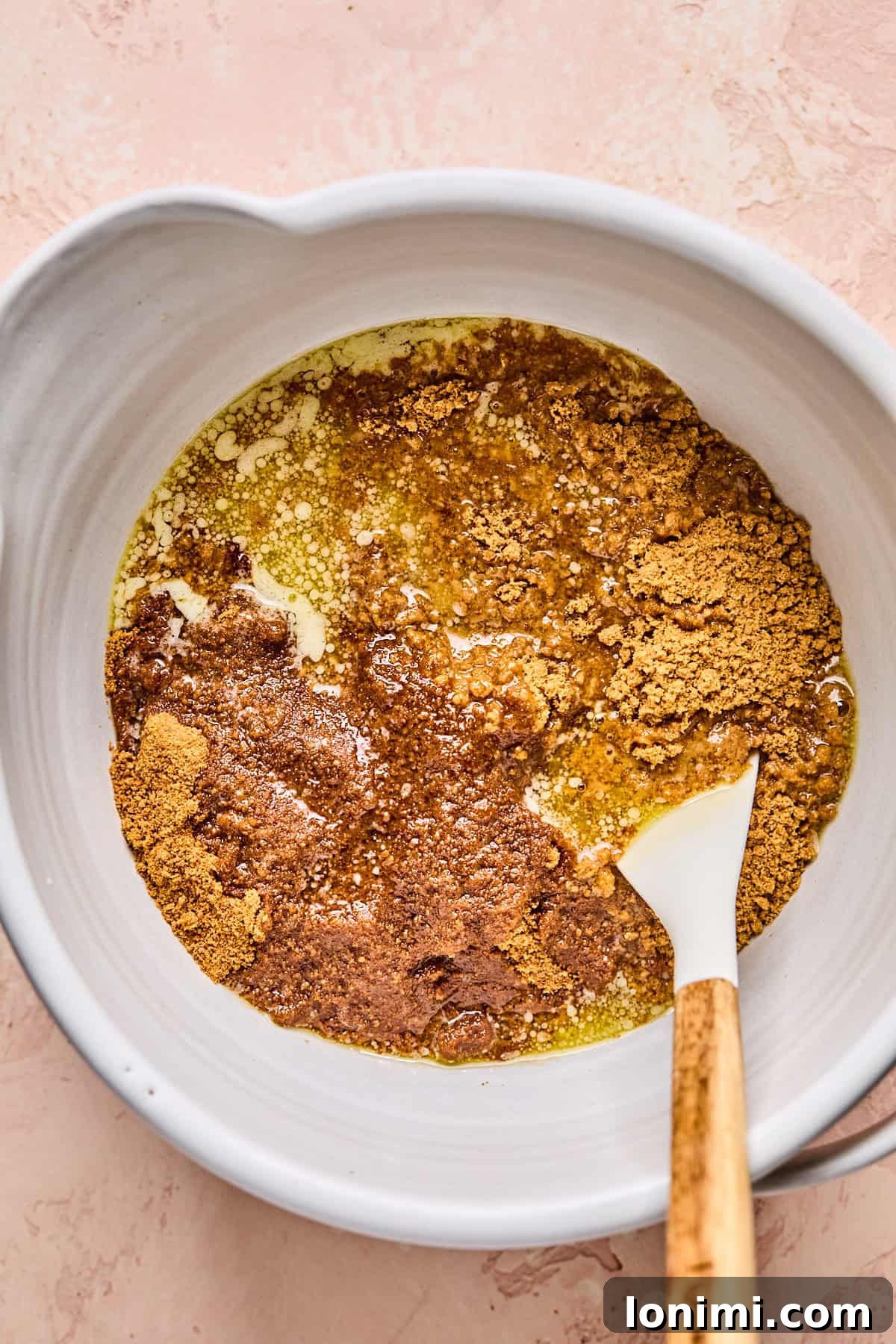
Step 3: Prepare the Graham Cracker Crust. In a medium mixing bowl, combine the finely crushed graham cracker crumbs, coconut sugar, and melted butter. Stir these ingredients thoroughly with a spoon or your hands until the mixture is evenly moistened and resembles wet sand.
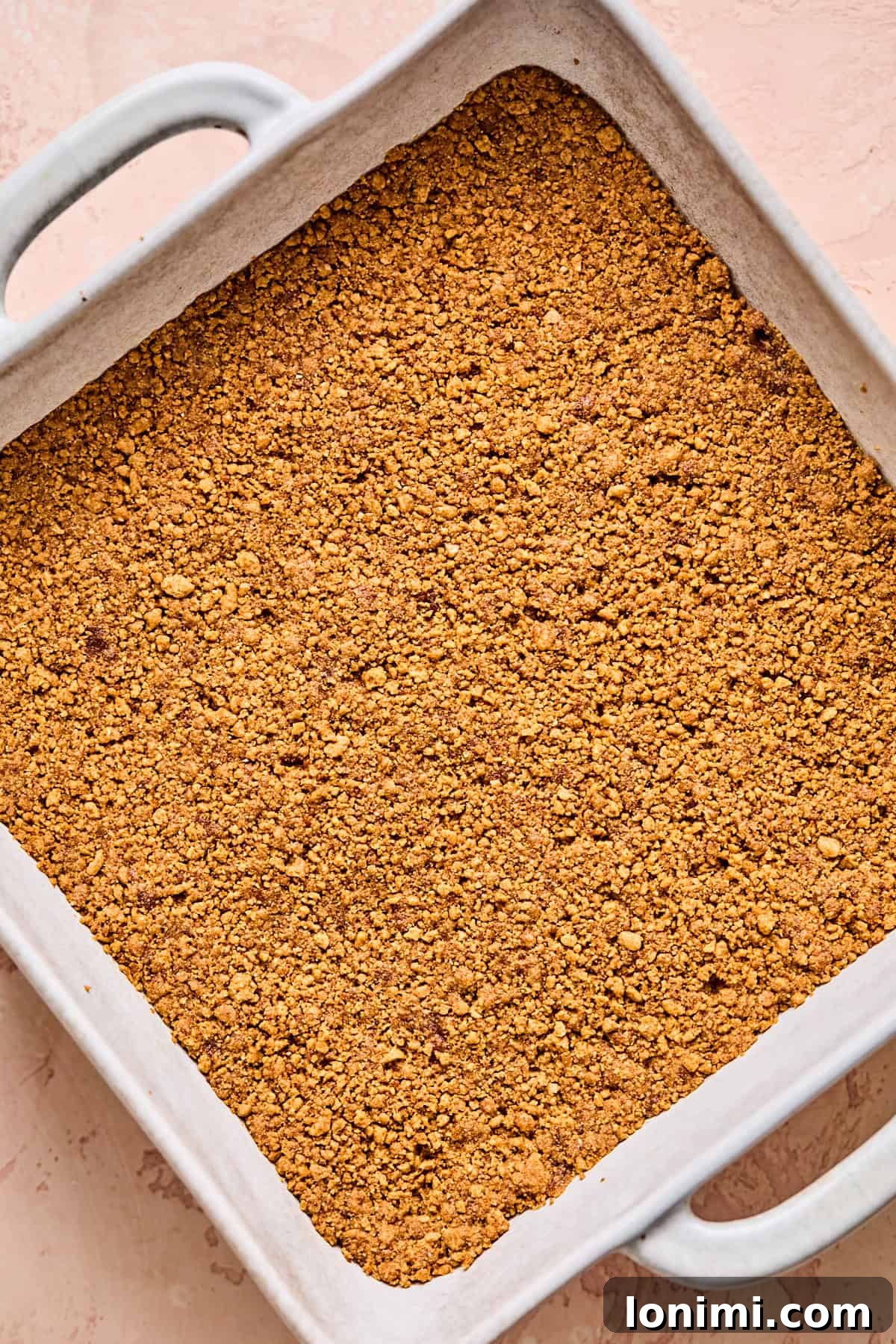
Step 4: Bake the Crust. Lightly grease a 9-inch square baking pan and line it with parchment paper, allowing an overhang on two sides for easy removal. Press the graham cracker mixture firmly and evenly into the bottom of the prepared pan. Bake for 10 minutes until lightly golden and fragrant.
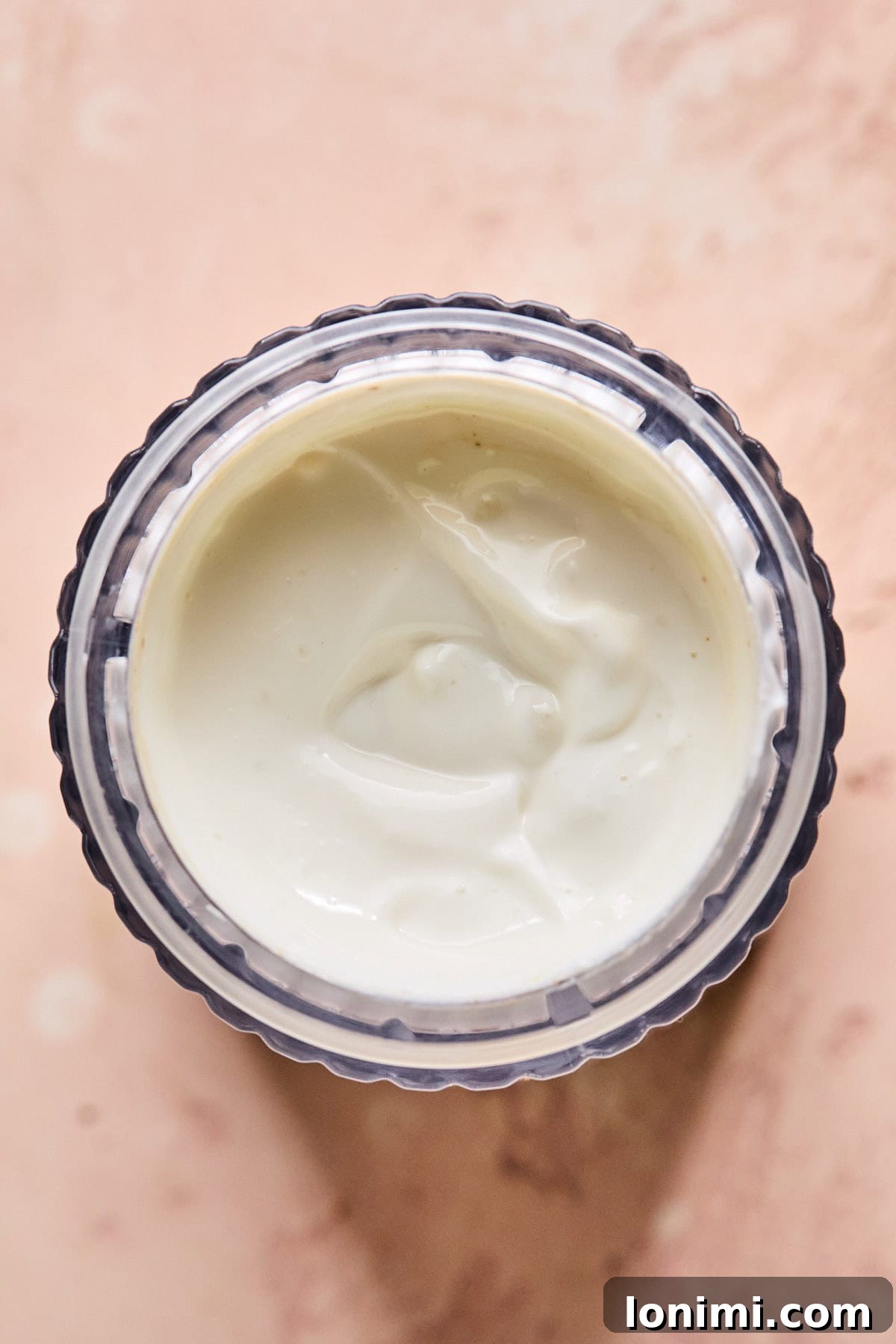
Step 5: Blend the Cottage Cheese. Place the cottage cheese into a high-speed blender or food processor. Blend until it achieves an absolutely smooth and velvety consistency, with no lumps remaining. This step is crucial for a perfectly creamy cheesecake texture.
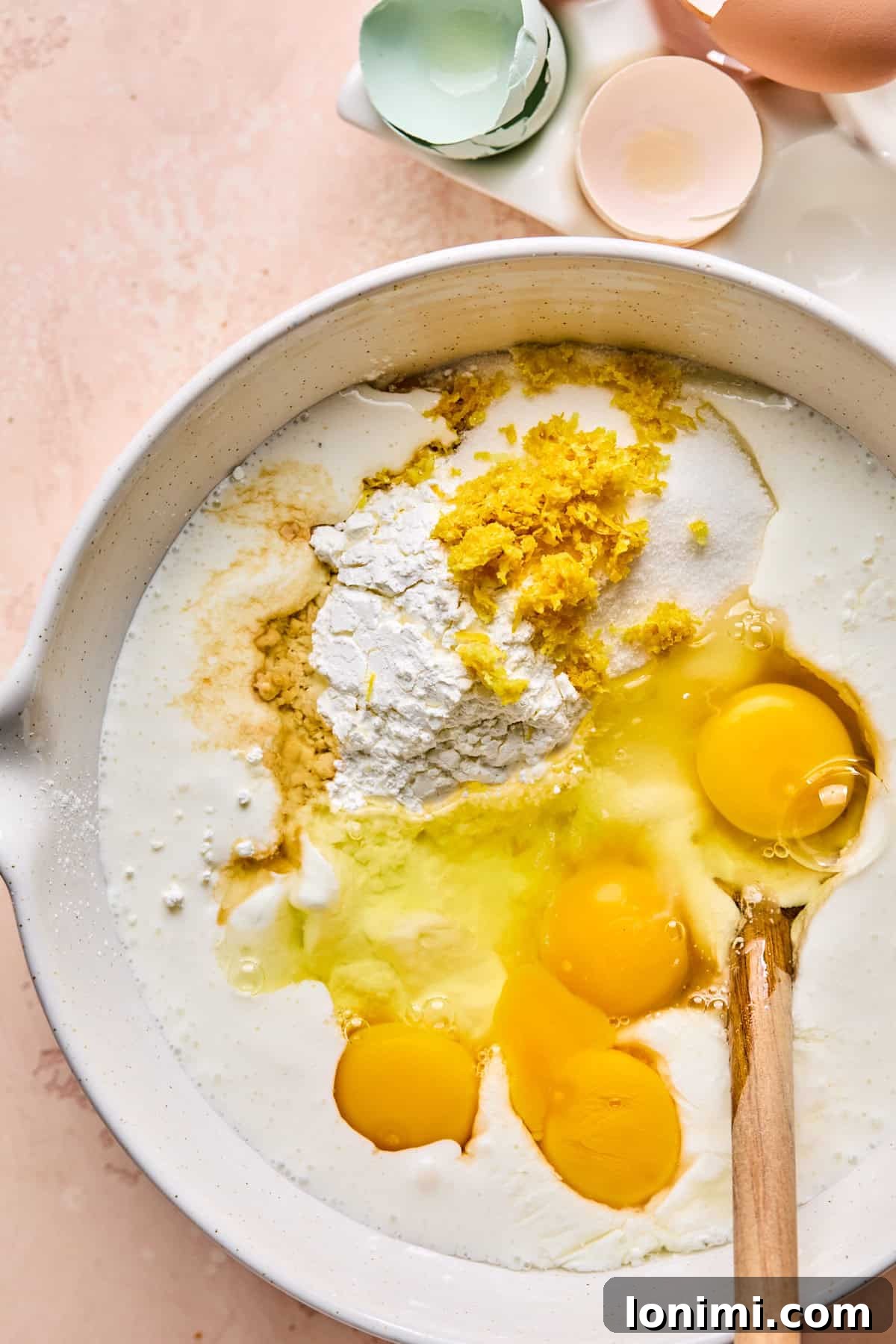
Step 6: Prepare the Cheesecake Filling. In a large mixing bowl, combine the freshly blended cottage cheese, Greek yogurt, granulated sugar, arrowroot powder, whole eggs, egg yolk, lemon zest, fresh lemon juice, vanilla extract, and almond extract. Whisk or stir vigorously until all ingredients are thoroughly combined and the mixture is perfectly smooth and homogenous.
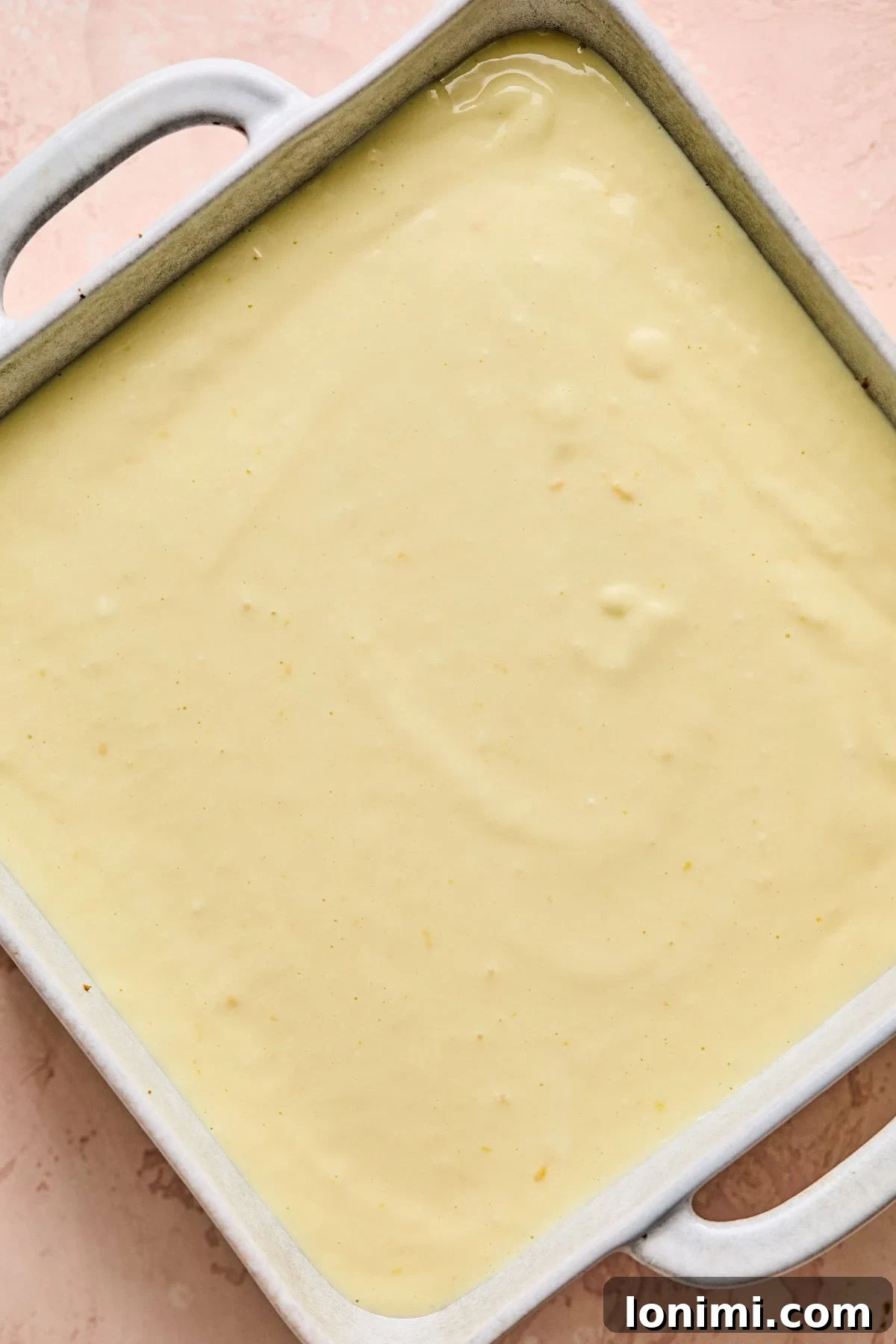
Step 7: Pour Filling Over Crust. Carefully pour the prepared cheesecake filling evenly over the warm, pre-baked graham cracker crust in the pan. Use a rubber spatula to gently smooth the top of the filling, ensuring an even layer.
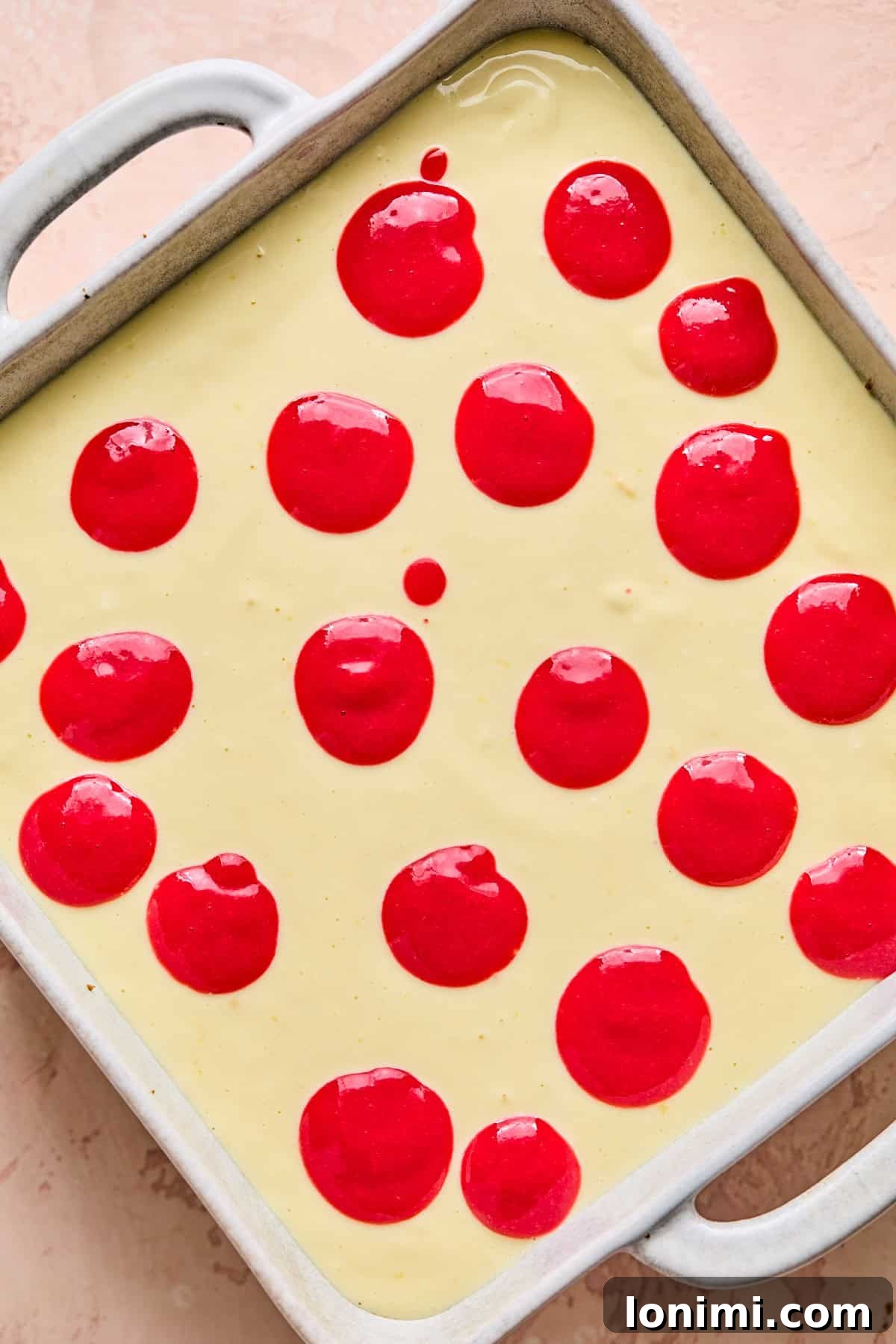
Step 8: Add the Raspberry Swirl. Spoon about half of the reserved raspberry puree in dollops over the top of the cheesecake filling. Using a toothpick or a skewer, gently swirl the raspberry puree into the cheesecake mixture to create a beautiful, marbled design. Save the remaining puree for serving.
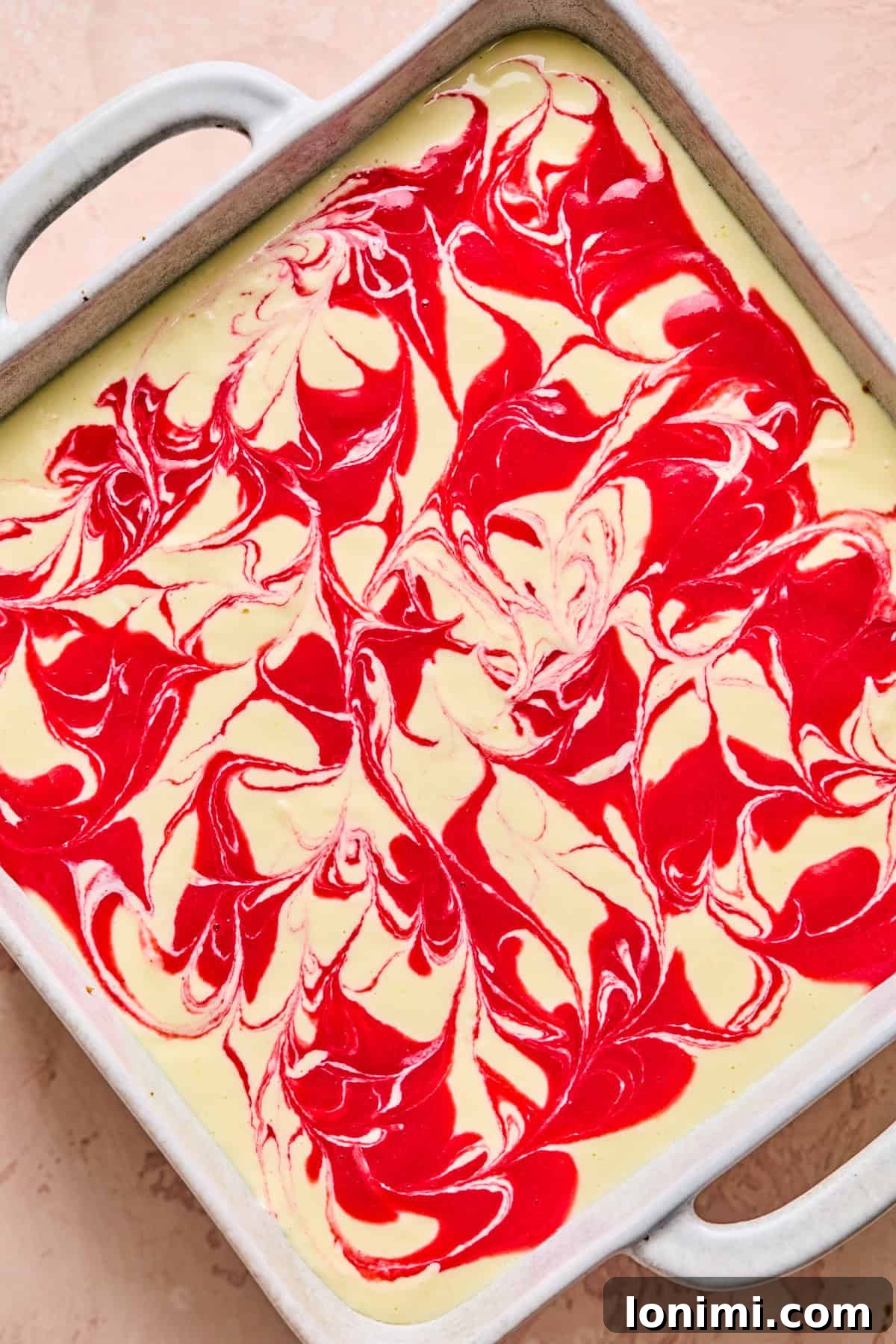
Step 9: Bake the Cheesecake. Place the pan in the preheated oven and bake for 50-60 minutes. The cheesecake is ready when the edges appear set and slightly golden, but the center still exhibits a slight jiggle when gently shaken. This indicates it will continue to set as it cools.
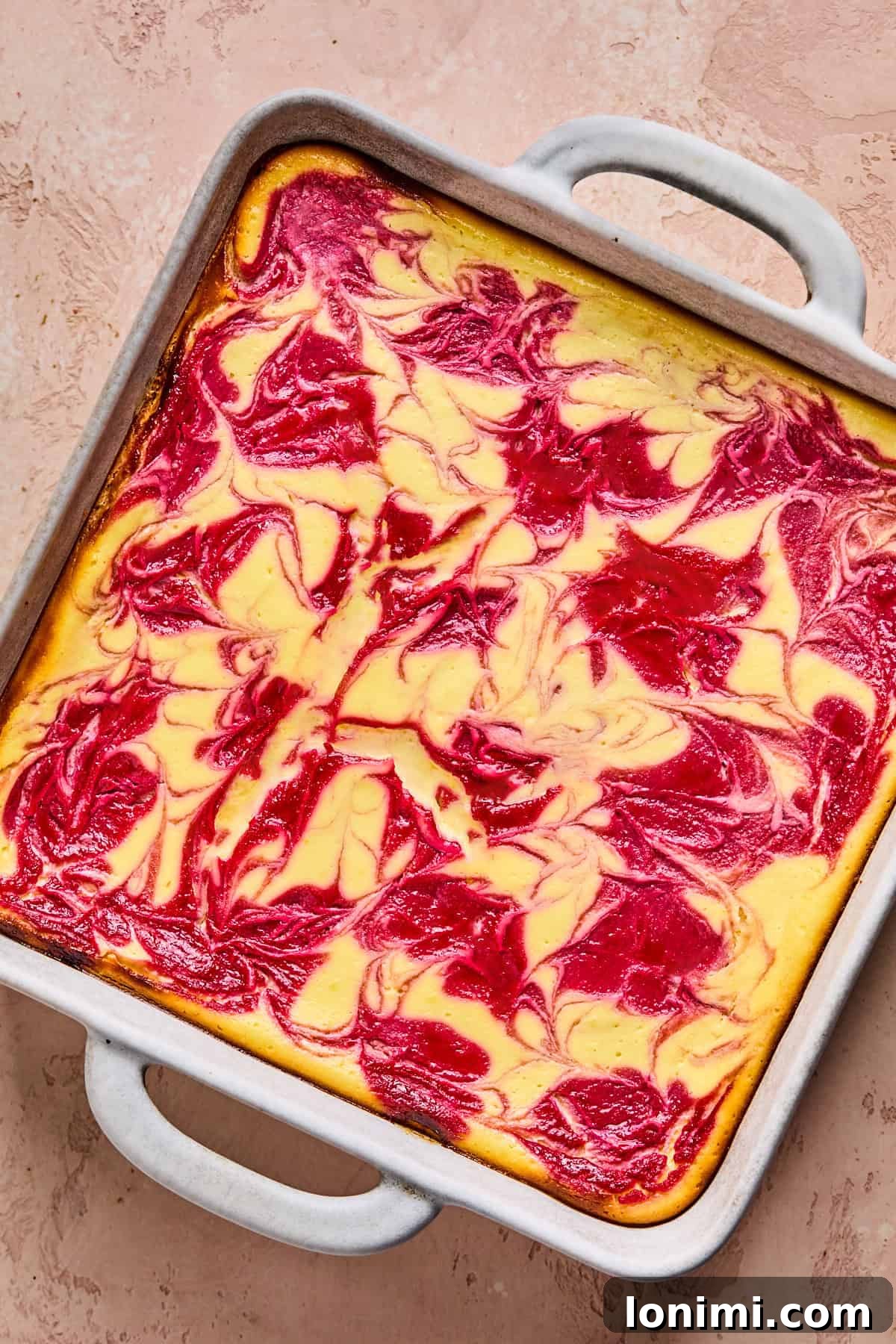
Step 10: Cool and Chill. Once baked, turn off the oven, crack the door open, and allow the cheesecake to cool gradually inside the oven for 1 hour. This slow cooling prevents cracking. Then, remove it from the oven and let it cool completely to room temperature before transferring it to the refrigerator. For the absolute best texture and flavor, refrigerate the cheesecake overnight (or for at least 6-8 hours).
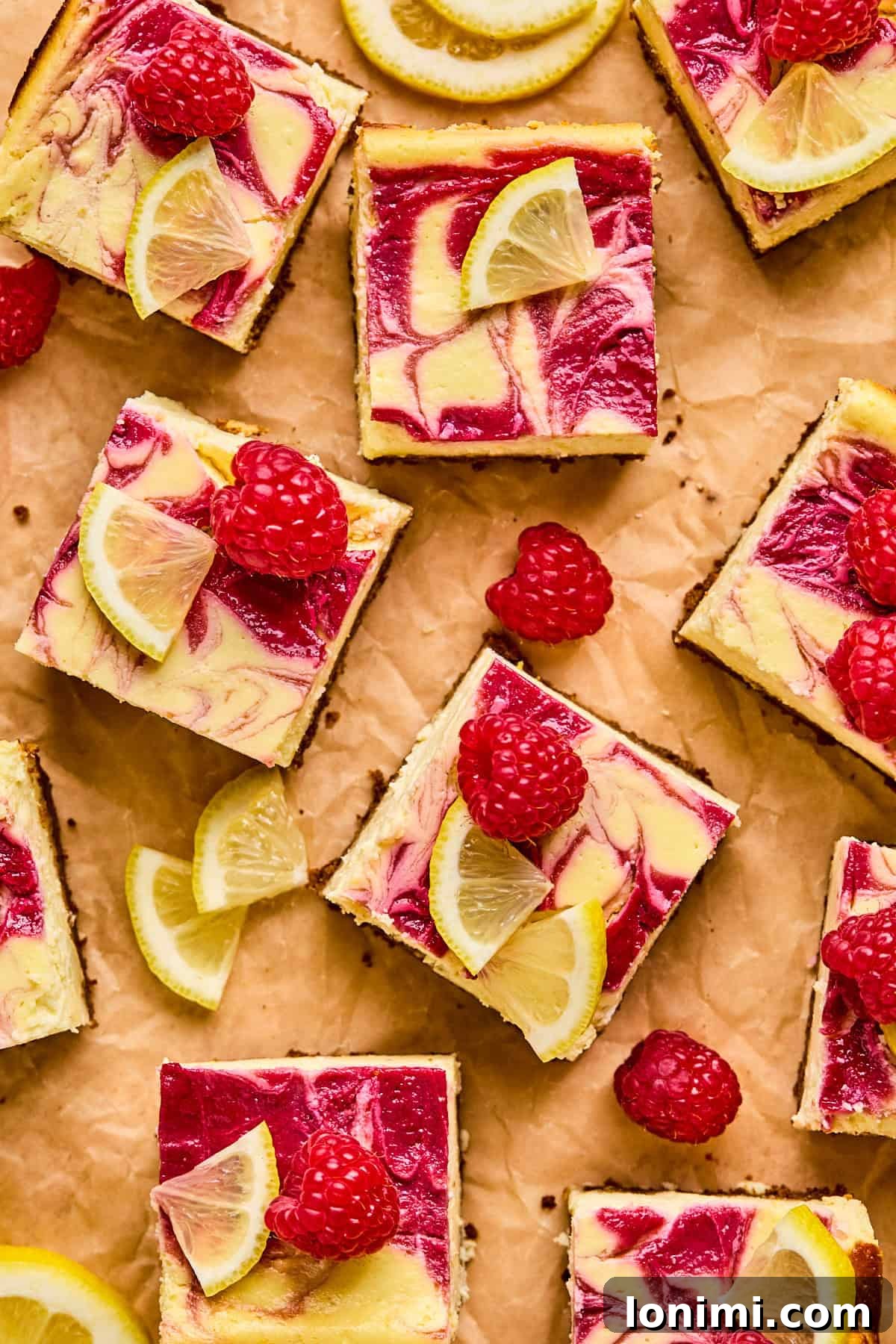
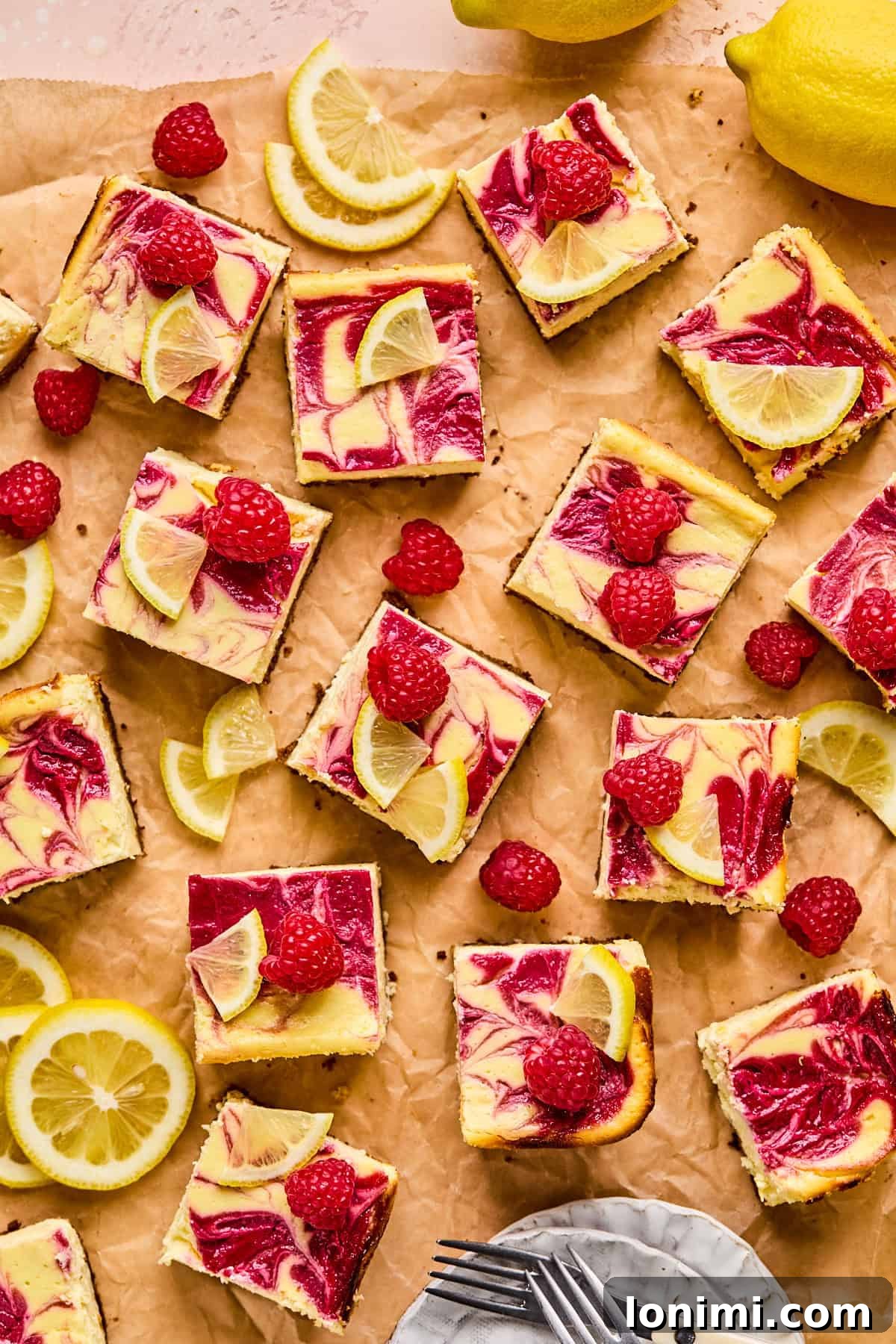
Finally, once thoroughly chilled, remove the cheesecake from the pan using the parchment paper overhang. Slice it into 16 perfectly portioned high protein cheesecake bars. Serve these delightful treats garnished with an extra drizzle of the remaining raspberry sauce, a dollop of fresh whipped cream, and a bright lemon wedge for an extra flourish. Enjoy your homemade, healthy indulgence!
Expert Tips for the Perfect Protein Cheesecake
Achieving a flawless high protein cheesecake is simple with these expert tips:
- Room Temperature Ingredients: Always ensure your eggs and Greek yogurt are at room temperature before mixing. This helps prevent lumps in the batter and ensures all ingredients combine smoothly and evenly, leading to a perfectly consistent cheesecake.
- Velvety Smooth Cottage Cheese: The secret to a non-grainy texture lies in blending the cottage cheese until it is absolutely velvety smooth. A high-speed blender or food processor is essential for this step; blend for a few minutes until all curds have disappeared.
- Baking Doneness: Bake the cheesecake until the edges are nicely set and show a slight golden color, but the very center still has a gentle wobble. Overbaking can lead to a dry, cracked cheesecake, while a slight jiggle ensures it will finish setting as it cools, maintaining its creamy interior.
- Proper Storage: Store any leftover protein cheesecake bars in an airtight container in the refrigerator for up to 4 days. For best results and to prevent drying, you can line the container with plastic wrap before adding the bars.
- Pan Versatility: While this recipe is designed for bars in a square pan, you can absolutely make a traditional round cheesecake! Simply use a 9-inch springform pan, adjust the baking time slightly as needed, and remember to line the bottom and sides with parchment paper to prevent sticking and ensure easy release.
- Flavor Variations: If raspberries aren’t your preference, or you’re looking for an alternative topping, consider swapping the raspberry puree for a bright and zesty homemade lemon curd. It adds a wonderful burst of citrus that complements the cheesecake beautifully.
This protein cheesecake is not only a delightful dessert but also an excellent candidate for meal prep. You can even freeze individual slices for a convenient, healthy treat whenever a craving strikes. It truly represents the perfect fusion of indulgence and nourishment, making it the best part of any day that calls for a little extra protein and a touch of sweetness.
Frequently Asked Questions About Protein Cheesecake
Yes, you can certainly add protein powder to the cheesecake filling for an additional protein boost. However, it’s important to choose a vanilla or unflavored protein powder to maintain the cheesecake’s delicate taste profile. If you add a sweetened protein powder, you might want to slightly reduce the amount of granulated sugar in the recipe to balance the overall sweetness.
Each generously portioned bar of this protein cheesecake typically packs approximately 8 grams of protein. This amount can vary slightly depending on the specific brands of cottage cheese and Greek yogurt you use. It makes for an excellent post-dinner treat or a satisfying, protein-rich snack to help keep you fueled throughout the day.
Unfortunately, this particular protein cheesecake recipe relies on eggs for its structure, richness, and binding properties. Substituting eggs in this recipe would significantly alter the texture and likely lead to an unsatisfactory result. Therefore, this recipe is not suitable for an egg-free adaptation.
Absolutely! This protein cheesecake freezes wonderfully. To freeze, first slice the chilled cheesecake into individual bars. Then, wrap each piece tightly in plastic wrap, followed by a layer of aluminum foil, to prevent freezer burn. Store them in an airtight container or freezer bag. When you’re ready to enjoy, simply thaw the frozen bars in the refrigerator overnight.
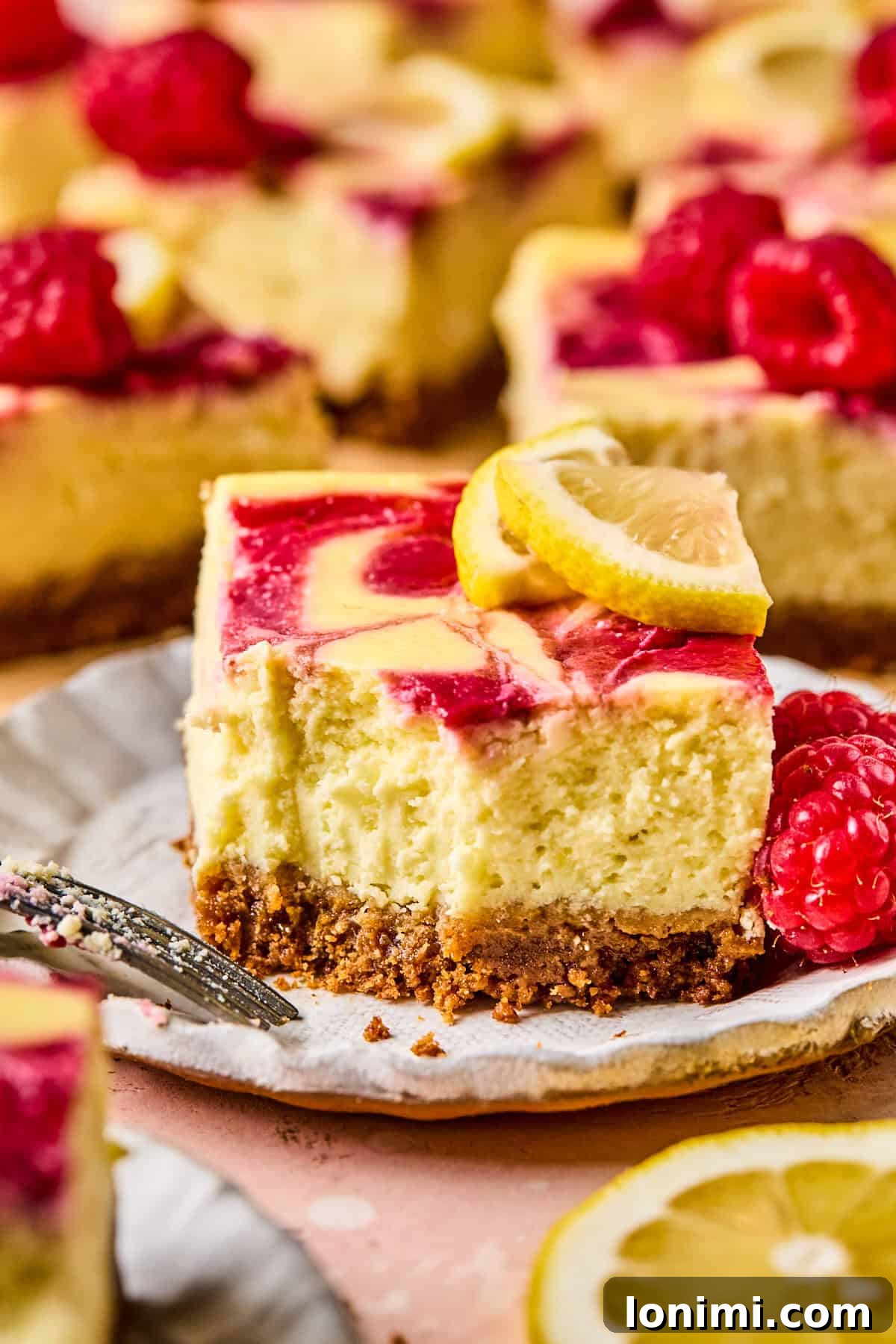
This high protein cheesecake recipe stands as a perfect testament to the blend of indulgent flavor and nourishing ingredients. Whether you’re baking to align with your fitness goals, preparing a show-stopping dessert for family gatherings, or simply satisfying your deepest dessert cravings, this recipe consistently delivers outstanding results. If you appreciate clever and delicious ways to incorporate cottage cheese into your cooking, don’t miss our equally delightful chocolate protein cheesecake or these amazing chocolate chip protein cookies for more protein-packed inspiration.
Explore More Protein-Packed Desserts & Healthy Treats
If you’re as excited about healthy yet delicious desserts as we are, you’ll love these additional recipes that expertly combine amazing flavor with a significant protein boost. Dive into our collection and discover your next favorite guilt-free indulgence:
Easy Pumpkin Cheesecake Bars (Protein-Packed)
Savor the flavors of fall with these incredibly easy and protein-packed pumpkin cheesecake bars. They’re creamy, spiced to perfection, and make for a healthy seasonal treat.
Pumpkin Pie Overnight Oats (Easy Meal Prep!)
Start your day right with these convenient and delicious pumpkin pie overnight oats. They’re a fantastic protein-rich option for easy meal prep, tasting just like dessert for breakfast!
Lemon Raspberry High Protein Cheesecake Bars
Indulge in these refreshing lemon raspberry high protein cheesecake bars. They’re the perfect blend of tart and sweet, offering a creamy texture and a satisfying protein boost in every bite.
Fudgy Protein Brownies (7g Protein + No Weird Aftertaste!)
Satisfy your chocolate cravings with these decadent fudgy protein brownies. Each brownie delivers 7g of protein without any chalky or artificial aftertaste, making them a perfect guilt-free treat.
Love this recipe and want to share your experience? Please leave a 5-star 🌟🌟🌟🌟🌟 rating in the recipe card below and a detailed review in the comment section to help other bakers! Or, connect with us and follow our latest culinary adventures on Facebook, Pinterest or Instagram today!
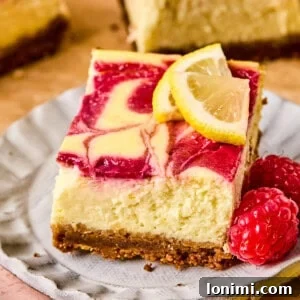
Lemon Raspberry High Protein Cheesecake Bars
Equipment
-
Food Processor
-
Blender
-
9×9 Inch Square Pan
Ingredients
Raspberry Puree
- 12 oz fresh raspberries
- ¼ cup granulated sugar
Crust
- 1 ⅔ cups graham cracker crumbs, (we recommend Simple Mills Sweet Thins, pulsed in a food processor for gluten-free)
- ¼ cup coconut sugar, (or brown sugar)
- 5 tbsp melted butter
Filling
- 3 cups 2% cottage cheese, (such as Good Culture brand, blended until smooth)
- ½ cup non-fat plain Greek yogurt
- ¾ cup granulated sugar
- ¼ cup arrowroot powder
- 3 large eggs
- 1 egg yolk
- 1 tbsp lemon zest
- ¼ cup fresh lemon juice
- 1 tsp vanilla extract
- ½ tsp almond extract
Instructions
- Preheat oven to 350°F (175°C).
- Combine the raspberries and sugar in a blender and blend on high for 1 minute until smooth. Use a spatula to press through a fine mesh strainer into a bowl and discard the pulp and seeds. Scrape the bottom of the strainer to get as much of the sauce as possible. Set aside.
- Combine the crust ingredients in a bowl and mix well until it looks like wet sand. Spray a 9-inch square pan with avocado oil and press the crust down into an even layer using your hands or the bottom of a glass jar. Bake for 10 minutes.
- Blend the cottage cheese in a blender until completely smooth and velvety. Add it to a large bowl along with the Greek yogurt, granulated sugar, arrowroot powder, eggs, egg yolk, lemon zest, fresh lemon juice, vanilla extract, and almond extract. Mix well to combine until the filling is perfectly smooth.
- Pour the creamy filling into the warm, pre-baked crust and gently smooth out the top with a spatula.
- Spoon about half of the raspberry puree over the top of the cheesecake filling. Using a toothpick or skewer, gently swirl the puree into the filling to create an attractive marbled design. Reserve the remaining sauce in the refrigerator for serving later (optional).
- Bake for 50-60 minutes, or until the cheesecake’s sides are set and lightly browned, and the top appears set with a slight jiggle in the center.
- Turn the oven off, then crack the oven door open and allow the cheesecake bars to cool slowly inside the oven for 1 hour. Afterward, remove from the oven and let cool completely at room temperature. For the best texture and flavor, transfer to the refrigerator and chill overnight.
- Once fully chilled, slice into 16 bars using a wet knife for clean cuts. Serve with an optional drizzle of the reserved raspberry sauce, a dollop of whipped cream, and a small wedge of lemon. Enjoy!
Notes
- Use room temperature eggs and yogurt to prevent lumps and ensure even mixing for a super smooth filling.
- Blend the cottage cheese until it reaches a velvety smooth consistency to avoid any grainy texture in your final cheesecake.
- Bake just until the edges are set and lightly golden but the center still has a slight wobble; it will continue to set as it cools, ensuring a creamy interior.
- Store any leftover bars in an airtight container, preferably lined with plastic wrap, in the refrigerator for up to 4 days to maintain freshness.
- If you prefer a round cheesecake instead of bars, feel free to use a 9-inch springform pan. Remember to adjust your baking time slightly as needed, and line the bottom and sides of the pan.
Nutrition Information
All nutrition facts are estimates and automatically calculated. While we strive for accuracy using tools like MyFitnessPal, please note that these figures may not always be 100% precise and depend on the specific ingredients and brands used. For the most accurate grams per serving size, we recommend weighing your total finished cheesecake and dividing by the number of servings.