
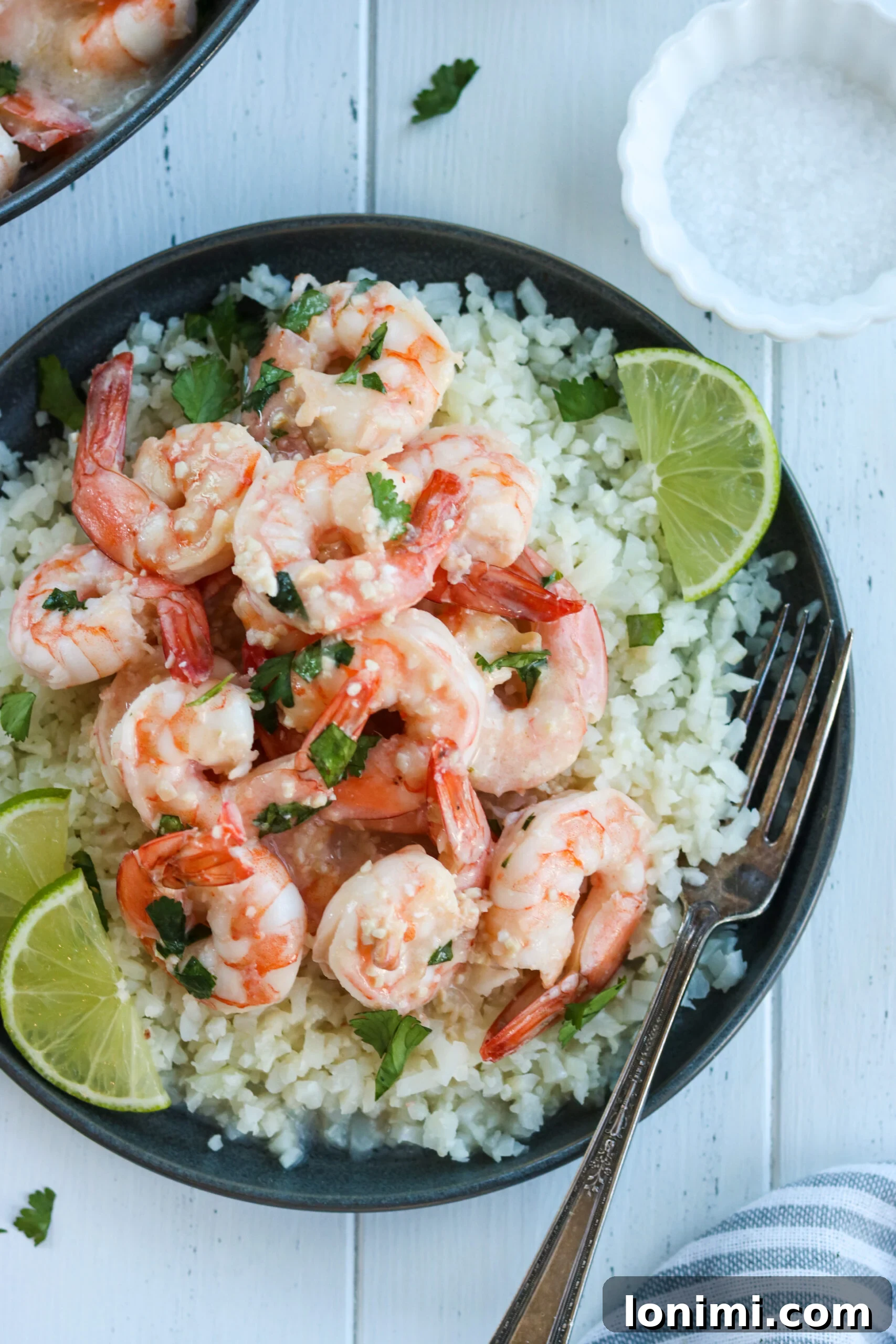
Discover the ultimate quick and healthy meal with this Whole30 Coconut Lime Shrimp Skillet! Ready in just 15 minutes, this recipe delivers a burst of tangy citrus flavor combined with creamy coconut, all while being packed with protein and healthy fats. Whether you’re following a Whole30, Paleo, or gluten-free lifestyle, this vibrant dish is sure to become a weeknight favorite. Serve it over fluffy cauliflower rice for a low-carb option, or alongside jasmine rice for a delicious gluten-free meal.
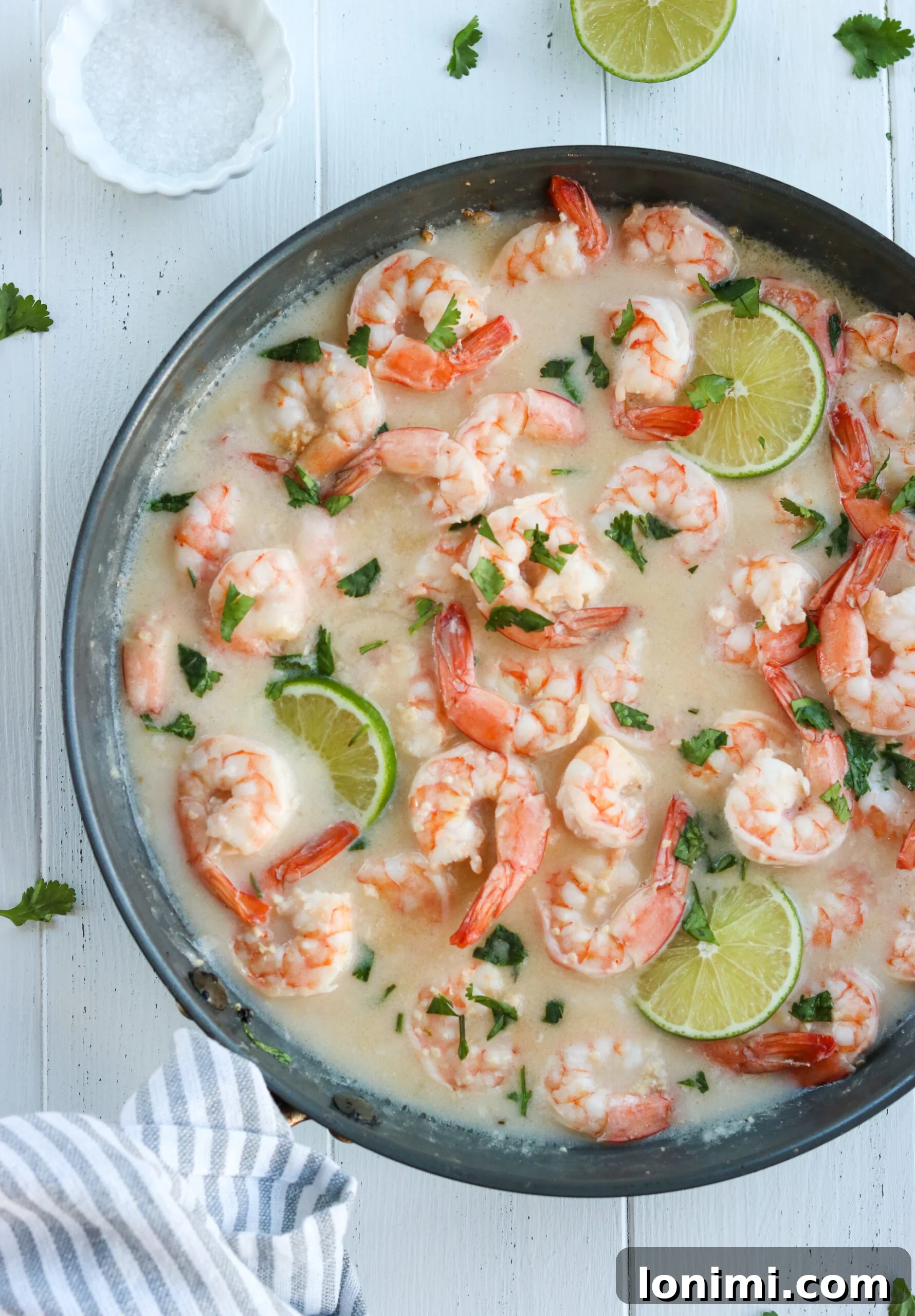
In response to popular demand for more delicious seafood and vegetable-forward recipes, I’m thrilled to share this incredible Whole30 Coconut Lime Shrimp Skillet. It’s a testament to how quick, simple ingredients can create truly satisfying and wholesome meals. This recipe is not only incredibly easy to prepare but also features a minimal ingredient list, making it perfect for busy weeknights or when you’re looking for a fuss-free cooking experience. The vibrant flavors of lime and coconut milk perfectly complement the succulent shrimp, creating a harmonious and utterly delightful dish.
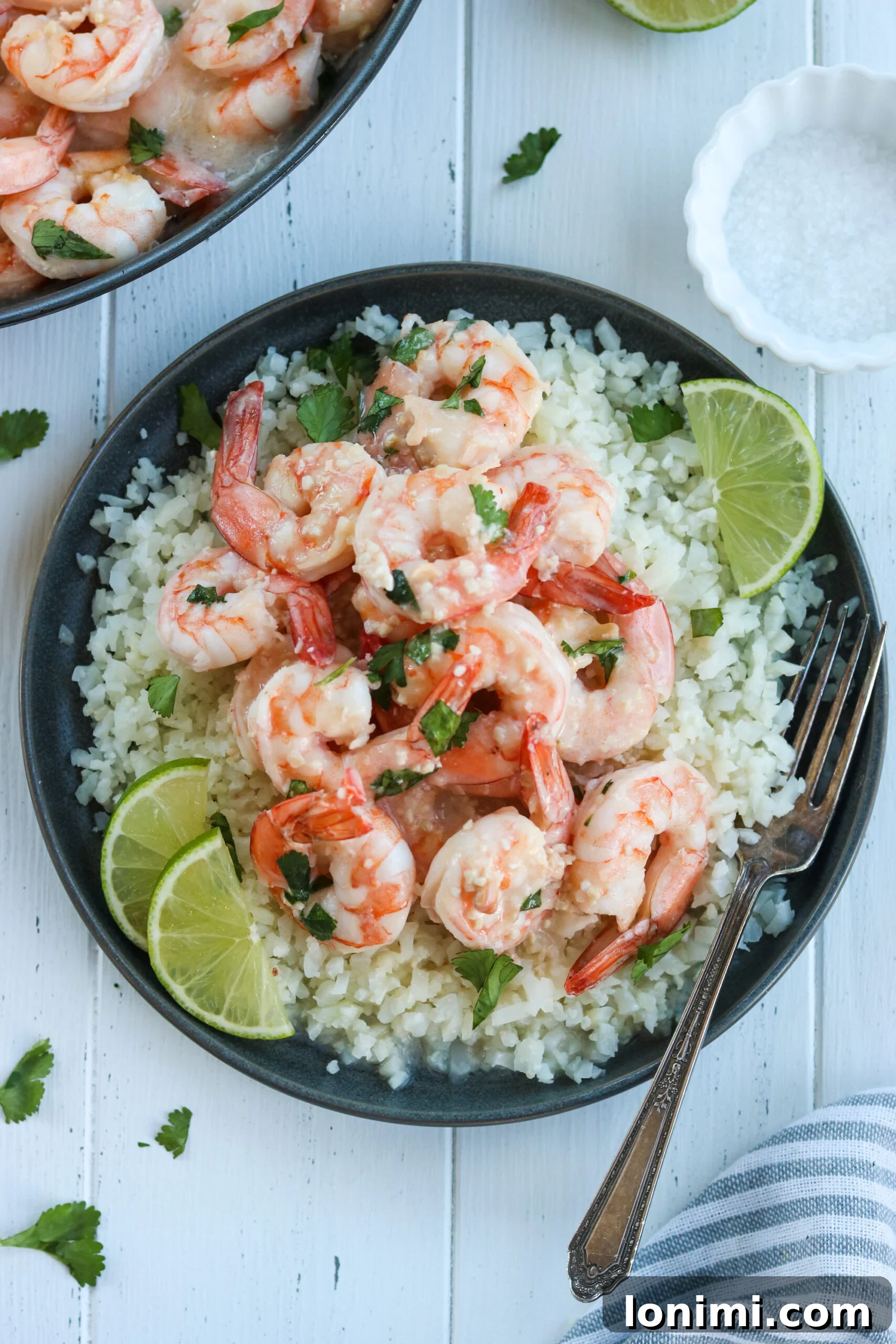
Why You’ll Love This Whole30 Coconut Lime Shrimp Skillet
This Coconut Lime Shrimp recipe stands out for several compelling reasons, making it a must-try for anyone seeking a flavorful, healthy, and convenient meal:
- Lightning Fast: From prep to plate in just 15 minutes! This is your go-to recipe when time is of the essence but you refuse to compromise on taste or nutrition.
- Whole30 & Paleo Approved: Adhering to strict dietary guidelines doesn’t mean sacrificing flavor. This dish is naturally gluten-free, dairy-free, and perfectly compliant with Whole30 and Paleo principles, ensuring a clean and wholesome meal.
- Bursting with Flavor: The combination of bright lime zest and juice with rich, creamy full-fat coconut milk creates an irresistible tangy-sweet sauce. Fresh garlic adds an aromatic depth that elevates the entire dish.
- High Protein & Healthy Fats: Shrimp is an excellent source of lean protein, while full-fat coconut milk provides beneficial healthy fats, making this a satisfying and energy-boosting meal.
- Versatile Serving Options: Whether you’re craving a low-carb meal or a heartier side, this shrimp skillet pairs wonderfully with a variety of bases, from cauliflower rice and zoodles to regular jasmine rice.
- Minimal Cleanup: Prepared in a single skillet, this recipe keeps your kitchen mess to a minimum, allowing you to enjoy your meal without the dread of extensive dishwashing.
Essential Ingredients for Your Whole30 Coconut Lime Shrimp Skillet
Creating this flavorful shrimp skillet requires a handful of fresh, high-quality ingredients. For this recipe, I typically use 2 lbs of shrimp, which comfortably serves 4 people. If you’re cooking for fewer, feel free to halve the shrimp to 1 lb and you’ll still have plenty of delicious sauce to go around. Just keep the other ingredient quantities the same, as the sauce is truly what makes this dish shine!
- Shrimp: I highly recommend using 2 lbs of peeled and deveined shrimp. Opt for frozen shrimp from a trusted source like Costco for convenience; simply thaw it under cold running water in a colander before cooking. You can leave the tails on for presentation or remove them for easier eating – entirely up to your preference! Shrimp cooks quickly, so having it ready to go is key to a 15-minute meal.
- Olive Oil: A tablespoon of good quality olive oil provides the base for sautéing the shrimp and garlic, adding a subtle richness and ensuring a non-stick cooking surface.
- Minced Garlic: Three cloves of freshly minced garlic are crucial for infusing the dish with an aromatic, savory foundation. Garlic is a fantastic flavor enhancer that pairs perfectly with both lime and coconut.
- Lime: You’ll need one fresh lime for its juice and zest. The zest is incredibly important as it carries the majority of the lime’s essential oils, providing a more intense and fragrant citrus flavor than juice alone. If you don’t own a zester, I highly recommend investing in one; it’s a game-changer for citrus-based recipes. A second lime can be sliced for an elegant garnish.
- Full-Fat Coconut Milk: One can of full-fat coconut milk is essential for creating the rich, creamy sauce that coats the shrimp. I prefer the Thai Kitchen organic brand for its quality and consistency, but any good quality full-fat coconut milk will work beautifully. Make sure it’s unsweetened!
- Coconut Aminos: This secret ingredient adds a touch of umami and a subtle sweetness that perfectly balances the tangy lime. It’s a fantastic soy-free alternative to soy sauce and is Whole30 compliant. You can find coconut aminos here.
- Arrowroot Powder: To achieve a perfectly thickened sauce without using cornstarch (which isn’t Whole30 compliant), arrowroot powder is your best friend. It acts as a fantastic paleo and Whole30-friendly thickener, creating a silky smooth texture. Tapioca starch is also an excellent substitute if you have it on hand.
- Water: A tablespoon of water is mixed with the arrowroot powder to create a slurry, preventing lumps when added to the hot sauce.
- Sea Salt: A half teaspoon of sea salt, plus more to taste, is used to season the shrimp and balance all the flavors in the sauce. Always adjust to your personal preference.
- Fresh Cilantro: Fresh cilantro, chopped and sprinkled over the finished dish, adds a vibrant pop of color and a fresh, herbaceous note that complements the lime and coconut beautifully. It’s an optional but highly recommended garnish.
Recommended Kitchen Equipment
While this recipe is straightforward, having the right tools can make the process even smoother:
- Large Non-Stick Skillet: Essential for evenly cooking the shrimp and preventing sticking.
- Zester: For easily zesting your lime to get maximum flavor.
- Small Mixing Bowl: To prepare the arrowroot slurry.
- Whisk: To ensure the arrowroot slurry is lump-free.
- Spatula or Tongs: For stirring and flipping the shrimp.
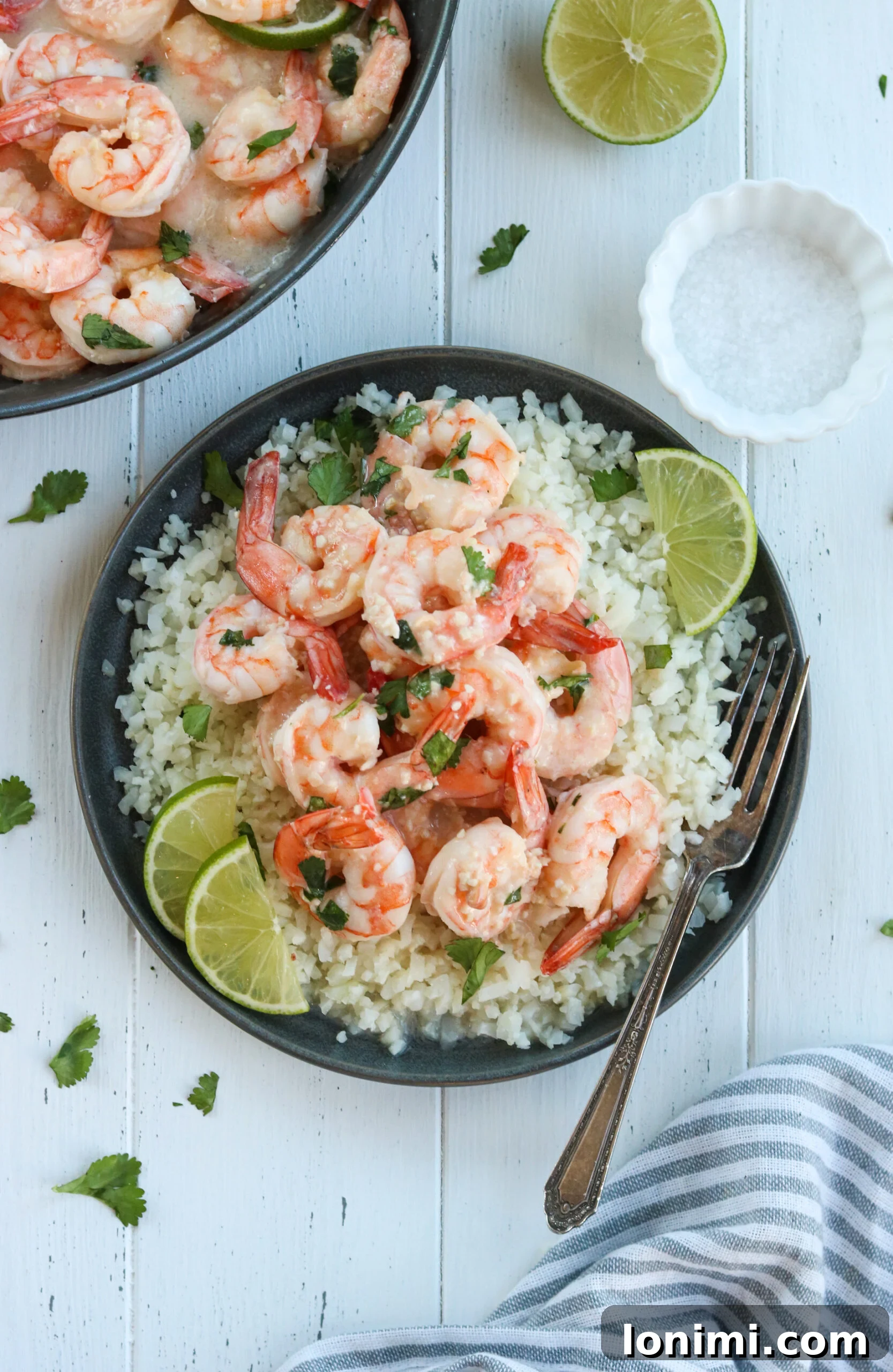
Step-by-Step: How to Make This Whole30 Coconut Lime Shrimp
Follow these simple steps to create your delicious 15-minute Whole30 Coconut Lime Shrimp Skillet:
- Sauté the Shrimp: Begin by heating the olive oil in a large non-stick skillet over medium-high heat. Once the oil is shimmering, add your thawed and patted-dry shrimp. Sprinkle them with a pinch of salt. Cook the shrimp for 1-2 minutes per side until they turn a beautiful pink color and are no longer opaque. Be careful not to overcrowd the pan, as this can steam the shrimp instead of searing them. Cook in batches if necessary. Remove the cooked shrimp from the skillet and set aside.
- Infuse with Garlic: Reduce the heat to medium. Add the minced garlic to the skillet and stir constantly for about 30 seconds until it becomes wonderfully fragrant. Be careful not to burn the garlic, as this can turn it bitter.
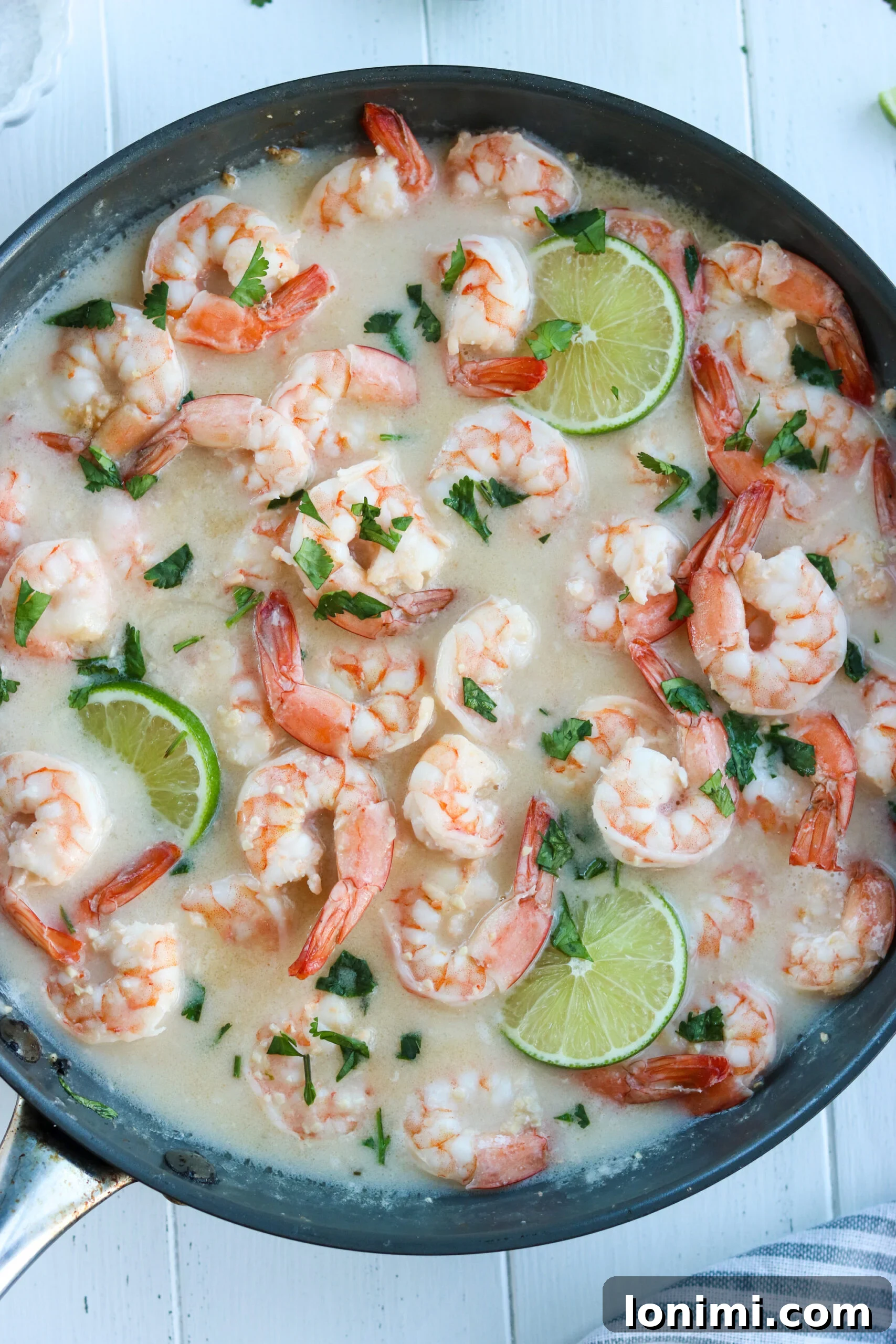
- Build the Creamy Sauce: Pour in the full can of coconut milk into the skillet. Stir in the fresh lime juice, lime zest, and coconut aminos. Season with the remaining sea salt and stir everything together until well combined. Bring the sauce to a gentle simmer.
- Thicken the Sauce: In a small separate bowl, whisk together the arrowroot powder and water to form a smooth slurry. Pour this slurry into the simmering sauce in the skillet. Continue to stir continuously over medium heat. You’ll notice the sauce will thicken quite quickly as it begins to bubble. Continue to cook for another minute or two, allowing it to reach your desired consistency.
- Combine and Serve: Return the cooked shrimp to the skillet and gently toss them with the thickened coconut lime sauce until they are fully coated and heated through.
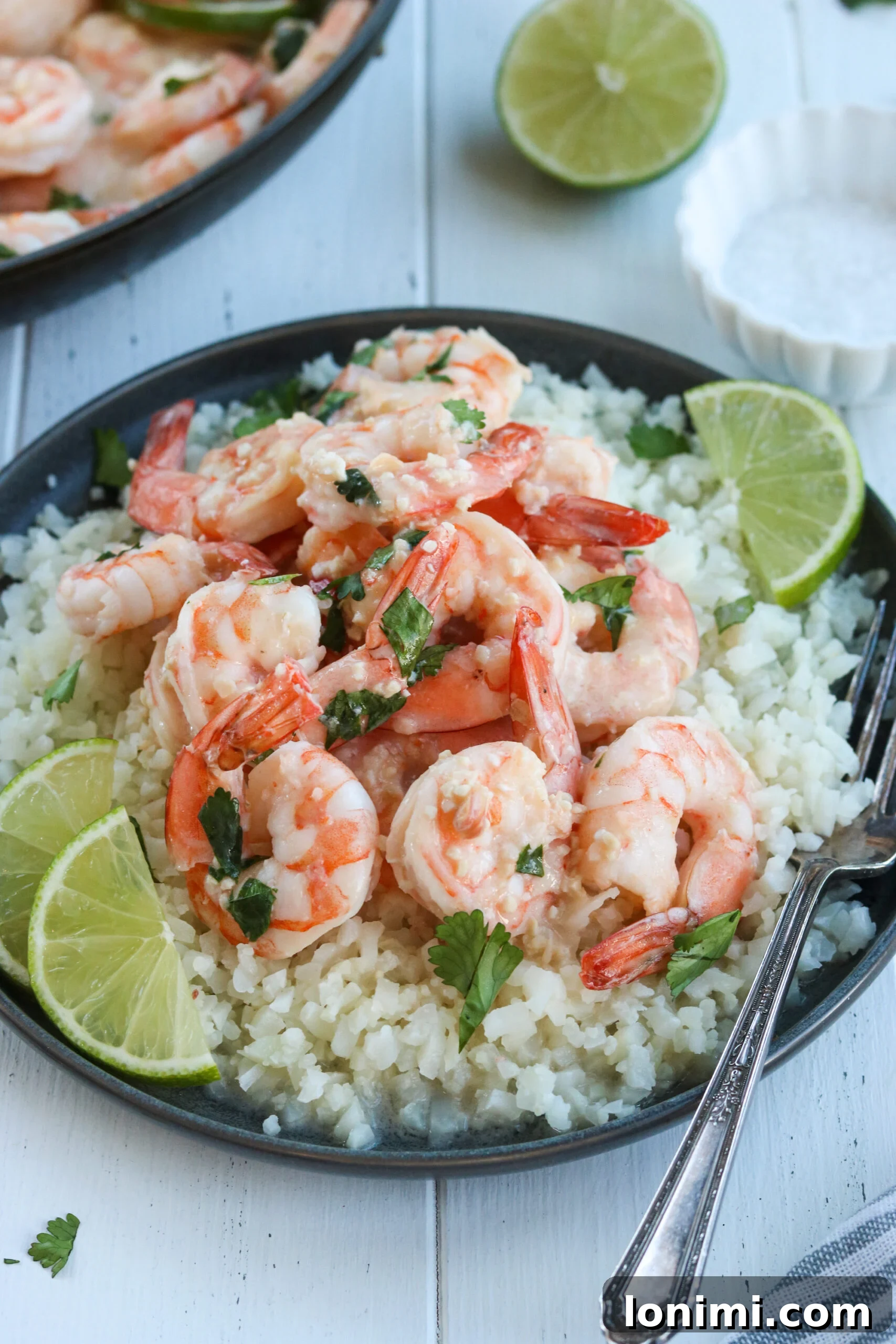
- Garnish and Enjoy: Serve your Whole30 Coconut Lime Shrimp immediately! It’s fantastic over my Coconut Cilantro Lime Cauliflower Rice for a fully Whole30 and low-carb meal. Other great options include regular cauliflower rice, zucchini noodles (zoodles), or even jasmine rice for those not adhering to Whole30. Finish with a generous sprinkle of fresh cilantro and perhaps a few extra lime wedges for a burst of freshness.
Can You Save and Reheat This Meal?
Yes, this Coconut Lime Shrimp skillet makes fantastic leftovers! Store any uneaten portions in an airtight container in the refrigerator for up to 3 days. When reheating, I recommend gently warming it on the stovetop over low heat to prevent the shrimp from becoming tough. Alternatively, you can microwave it in short bursts, stirring in between. I do not recommend freezing this meal, as the texture of shrimp can become rubbery and the creamy coconut sauce might separate upon thawing.
Frequently Asked Questions (FAQ)
Here are some common questions you might have about this Whole30 Coconut Lime Shrimp Skillet:
- Is this recipe truly Whole30 compliant? Yes! All ingredients used in this recipe, from the shrimp and full-fat coconut milk to the coconut aminos and arrowroot powder, are Whole30 compliant. Always double-check your ingredient labels to ensure no hidden sugars or non-compliant additives.
- Can I use light coconut milk? While you can, I highly recommend using full-fat coconut milk. It provides the luscious creaminess and rich flavor that makes this sauce so satisfying. Light coconut milk will result in a much thinner and less flavorful sauce.
- What if I don’t have arrowroot powder? Tapioca starch is an excellent 1:1 substitute for arrowroot powder and will achieve a similar thickening effect. Cornstarch is not Whole30 compliant, but if you’re not following Whole30, it can be used in a pinch (use half the amount of cornstarch compared to arrowroot).
- Can I add vegetables to the skillet? Absolutely! This dish is incredibly versatile. Consider adding quick-cooking vegetables like bell peppers, snap peas, spinach, or broccoli florets during the last few minutes of cooking the sauce, before adding the shrimp back in.
- How can I make this spicier? For a kick, add a pinch of red pepper flakes along with the garlic, or a dash of your favorite Whole30-compliant hot sauce to the finished dish.
- Is shrimp a good source of protein? Yes, shrimp is an excellent source of lean protein, making it a healthy and satisfying choice for any meal. It’s also low in calories and rich in several vitamins and minerals.
If you give this Whole30 Coconut Lime Shrimp a try, I’d love to see your delicious creations! Be sure to tag me on Instagram @maryswholelife so I can celebrate with you!
Explore More Delicious Shrimp Recipes
Looking for more ways to enjoy this versatile protein? Check out some of my other favorite shrimp recipes:
Whole30 Shrimp Lo Mein
Whole30 Pumpkin Risotto with Shrimp
Easy Shrimp Ceviche
Happy cooking!
xo,
Mary
*This post contains affiliate links. This means if you use my link to make a purchase, I may receive a small commission at no additional cost to you. Thank you for supporting Mary’s Whole Life!
Whole30 Coconut Lime Shrimp
Ingredients
- 2 lbs peeled & deveined shrimp, thawed if previously frozen
- 1 tbsp olive oil
- 3 cloves minced garlic
- 1 tbsp lime juice
- 1 tsp lime zest
- 1 can full fat coconut milk, I like Thai Kitchen organic brand
- 1 tbsp coconut aminos
- 1 tsp arrowroot powder
- 1 tbsp water
- ½ tsp sea salt, more to taste
- fresh cilantro, for garnish
Instructions
-
Heat the olive oil over medium-high heat in a non-stick skillet. Add the thawed shrimp and sprinkle them with some salt. Cook for 1-2 minutes per side, until they are pink and no longer opaque. Remove shrimp and set aside. Add in the garlic and stir for 30 seconds until fragrant. Add in the can of coconut milk, lime juice, lime zest, coconut aminos, and salt and stir.
-
Mix the arrowroot powder and water together in a small bowl and pour it into the pan. Stir everything together while cooking over medium heat. It will thicken quickly as it bubbles. Return the cooked shrimp to the skillet and toss to coat. Serve over coconut cilantro lime cauliflower rice, regular caulirice, zoodles, or jasmine rice (not Whole30). Garnish with cilantro. Enjoy!
Nutrition
All nutrition facts are an estimate and automatically calculated. While I fact check them using My Fitness Pal, please note that they may not always be 100% accurate and depend on ingredients used. Weigh your total and divide by the number of servings for the most accurate grams per serving size.