
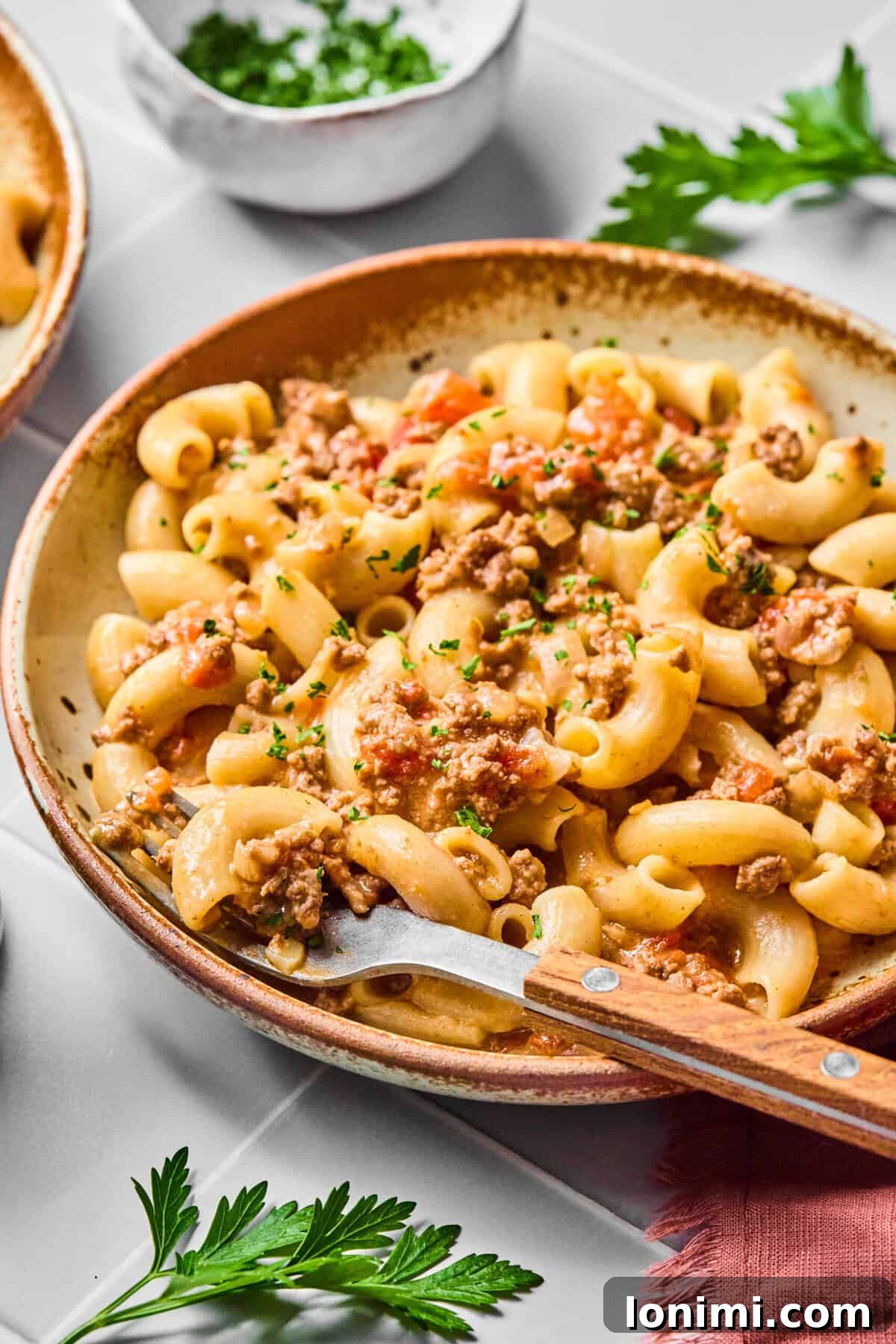
Delicious Gluten-Free Hamburger Helper: A Healthy & Easy One-Pot Weeknight Meal (Dairy-Free Option)
Craving that nostalgic comfort food but need a healthier, gluten-free twist? Look no further than this incredible gluten-free hamburger helper recipe! It’s a game-changer for busy weeknights, delivering all the savory flavor and creamy texture of the classic boxed version, but made from scratch with wholesome ingredients. Forget the processed stuff; this homemade dish is not only healthier but also offers a dairy-free option, ensuring everyone at your table can enjoy a hearty, satisfying meal. Featuring perfectly tender gluten-free pasta, richly seasoned ground beef, and a luxuriously creamy sauce, this one-pot wonder comes together in just about 20 minutes, making it the ultimate family-approved comfort food classic for any day of the week.
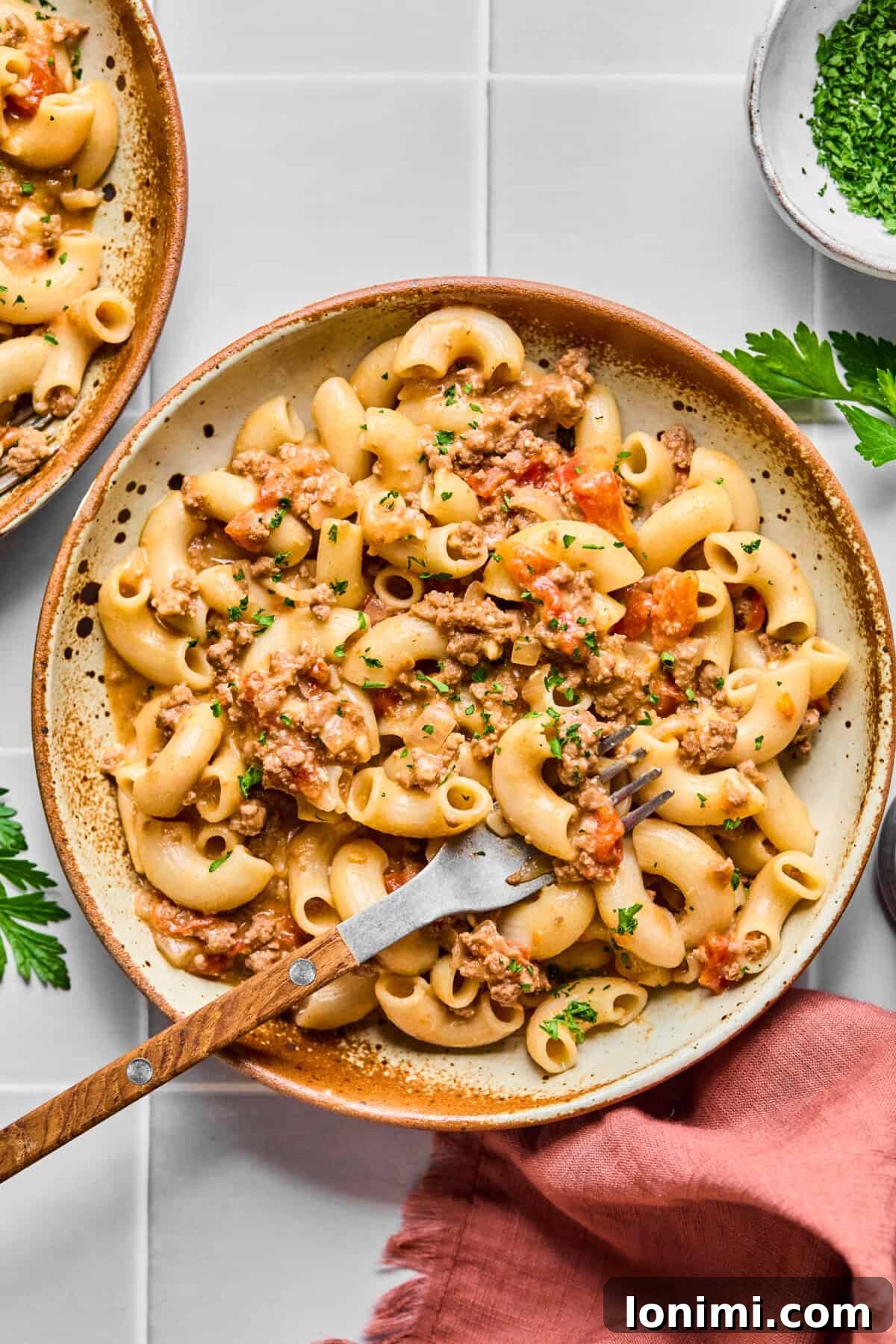
Why You’ll Absolutely Love This Homemade Gluten-Free Hamburger Helper Recipe
If your childhood memories include the comforting aroma and cheesy goodness of boxed hamburger helper, then prepare for a delightful trip down memory lane. This gluten-free rendition masterfully recreates that beloved flavor profile, but without the gluten, artificial ingredients, or excessive processing often found in store-bought versions. My journey to perfecting this recipe began when I experimented with new cassava pasta, and it quickly earned a permanent spot in my family’s dinner rotation – a true testament to its irresistible appeal!
What makes this dish truly remarkable, especially for busy households, is its ingenious one-pot preparation. Everything, from browning the beef to simmering the pasta, happens in a single pot. This not only streamlines the cooking process but also drastically cuts down on cleanup time, a genuine blessing on those hectic weeknights. The gluten-free pasta cooks directly in the flavorful broth, soaking up every savory note and ensuring it’s perfectly tender without becoming mushy. This method infuses the pasta with a depth of flavor that simply boiling it separately can’t achieve.
Dietary preferences are easily accommodated here. You have the choice between a rich, dairy-free cashew “cheese” sauce, which offers a velvety texture and umami-rich cheesiness without any dairy, or a high-protein option crafted with blended cottage cheese and shredded cheddar for a more traditional, extra-creamy finish. This flexibility means that whether you’re avoiding dairy, seeking more protein, or simply prefer one flavor profile over the other, this recipe caters to your needs, ensuring everyone at the table can indulge happily.
I recall the first time I made this; my children were practically hovering around the stove, eagerly sneaking spoonfuls directly from the pot before it even reached the dinner table. That’s the kind of enthusiastic family approval this recipe consistently receives! Beyond its incredible taste, this homemade hamburger helper is the perfect antidote to chilly evenings when you crave something substantial, quick, and deeply comforting. It provides all the warmth and satisfaction of a classic hearty meal, crafted with real ingredients you can feel good about. Forget the box – this is the future of comfort food.
For those who appreciate similar cozy, skillet-style dinners with a nostalgic touch, be sure to explore my Whole30 Cheeseburger Soup, a rich and hearty option, my One-Pot Dairy-Free Beef Stroganoff for another effortless meal, or the satisfying Bacon Cheeseburger Bowls – all three are guaranteed to become new family favorites, offering delicious, healthy twists on classic comfort dishes.
Essential Ingredients for Your Gluten-Free Hamburger Helper
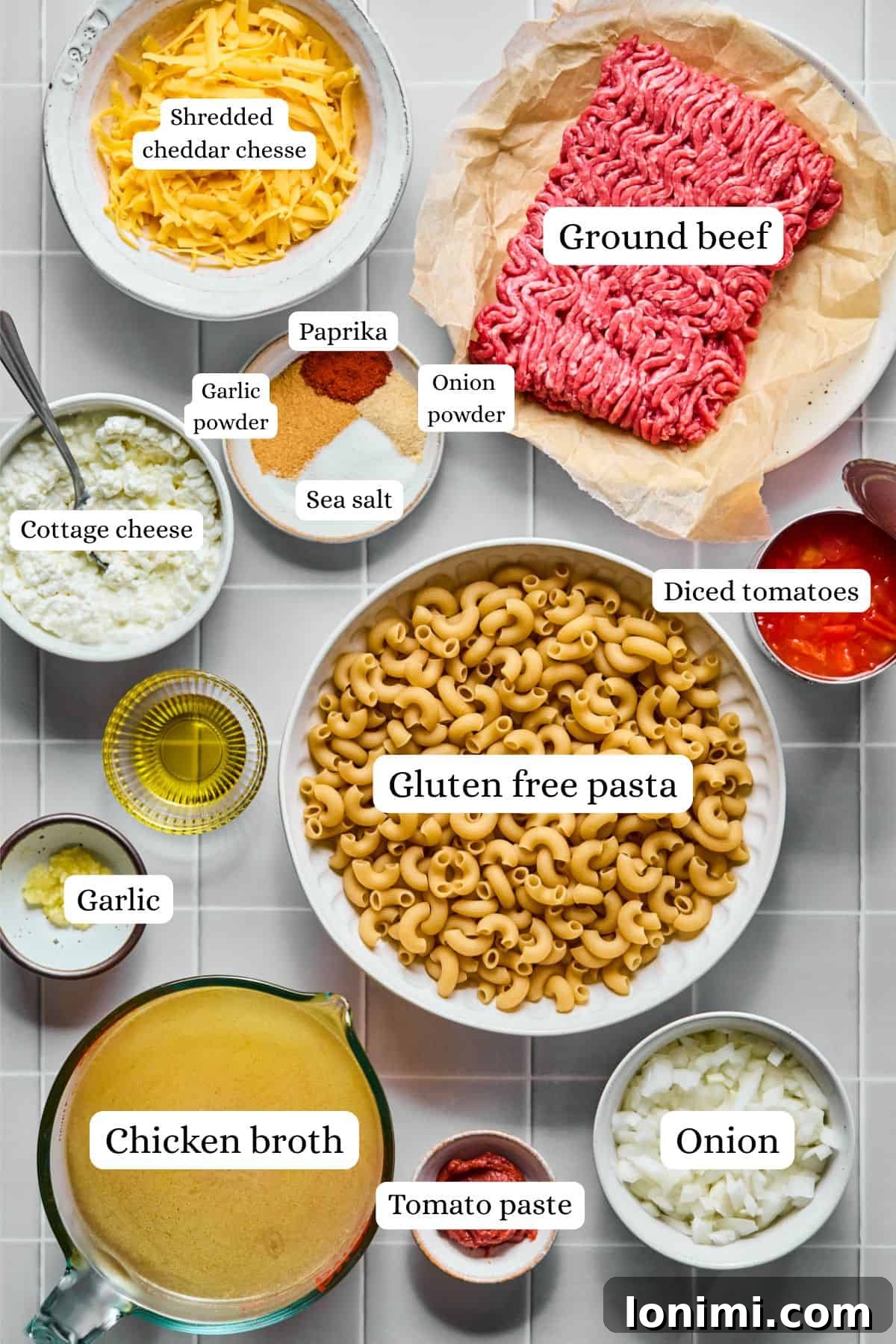
Crafting this savory gluten-free pasta skillet requires a thoughtful selection of ingredients, each playing a crucial role in building the dish’s incredible flavor and texture. Here’s a detailed look at what you’ll need and the function of each component:
- Ground Beef: The foundation of this classic dish. I highly recommend using grass-fed ground beef for its superior flavor, richer nutrient profile, and generally higher quality. You can opt for 80/20 or 90/10 lean-to-fat ratio depending on your preference for richness. For a lighter alternative, ground turkey or chicken can also be used, though they may alter the traditional “hamburger” flavor slightly.
- Onion + Garlic: These aromatic powerhouses form the savory backbone of the sauce. Sautéing them until fragrant builds a deep, inviting flavor base that permeates the entire dish. As the garlic hits the pan, your kitchen will instantly fill with a cozy, irresistible aroma, signaling the start of a truly comforting meal.
- Diced Tomatoes + Tomato Paste: The diced tomatoes contribute a vibrant acidity and texture, while the concentrated tomato paste adds a rich umami depth and helps to naturally thicken the sauce, giving it body and a beautiful reddish hue that’s characteristic of hamburger helper.
- Broth (Chicken or Beef): This is crucial for cooking the pasta and creating the saucy consistency. Chicken broth offers a lighter, more subtle flavor, allowing the beef to shine, while beef broth provides a deeper, heartier taste that complements the ground beef perfectly. Both options yield delicious results; choose based on your desired flavor intensity. Use low-sodium broth to better control the overall saltiness of the dish.
- Gluten-Free Pasta: The choice of pasta is paramount for a successful gluten-free hamburger helper. Brands like Jovial cassava pasta, gluten-free elbow macaroni, or Banza brown rice pasta are excellent choices. They are known for holding their shape and texture exceptionally well during the one-pot cooking process, ensuring they remain perfectly al dente and don’t turn mushy. It’s important to steer clear of traditional chickpea pasta for this specific recipe, as its higher protein and starch content can lead to excessive foaming when cooked directly in the broth, affecting the sauce’s consistency.
- Spices (Paprika, Garlic Powder, Onion Powder, Sea Salt): This carefully selected blend of spices is key to replicating that distinctive, savory flavor profile reminiscent of the boxed version. Paprika adds a mild warmth and beautiful color, while garlic and onion powder enhance the allium base, bringing a harmonious depth of flavor that makes the sauce truly craveable. Sea salt balances and amplifies all the other flavors.
- Dairy-Free “Cheese” Sauce (Cashews, Garlic, Lemon Juice, Nutritional Yeast, Water): For a completely dairy-free experience, this cashew-based sauce is a revelation. Raw cashews, once blended, create an incredibly creamy and luxurious texture. Nutritional yeast is essential here, as it imparts a distinctly cheesy, umami flavor. Garlic and lemon juice provide brightness and depth, elevating the overall taste without any dairy.
- High-Protein Sauce (Cottage Cheese, Shredded Cheddar): If dairy isn’t an issue and you’re looking to boost the protein content, this option is fantastic. Blended cottage cheese offers an incredibly smooth, creamy base, while shredded cheddar cheese melts beautifully into the sauce, providing that classic, comforting cheesy flavor and stretch. It’s a satisfying and hearty alternative that adds a nutritional punch.
Step-by-Step Guide: How to Make Flavorful Gluten-Free Hamburger Helper
Creating this delicious and healthy gluten-free hamburger helper is surprisingly simple and requires minimal effort, thanks to its one-pot design. Follow these clear steps to achieve a family-favorite meal in no time:
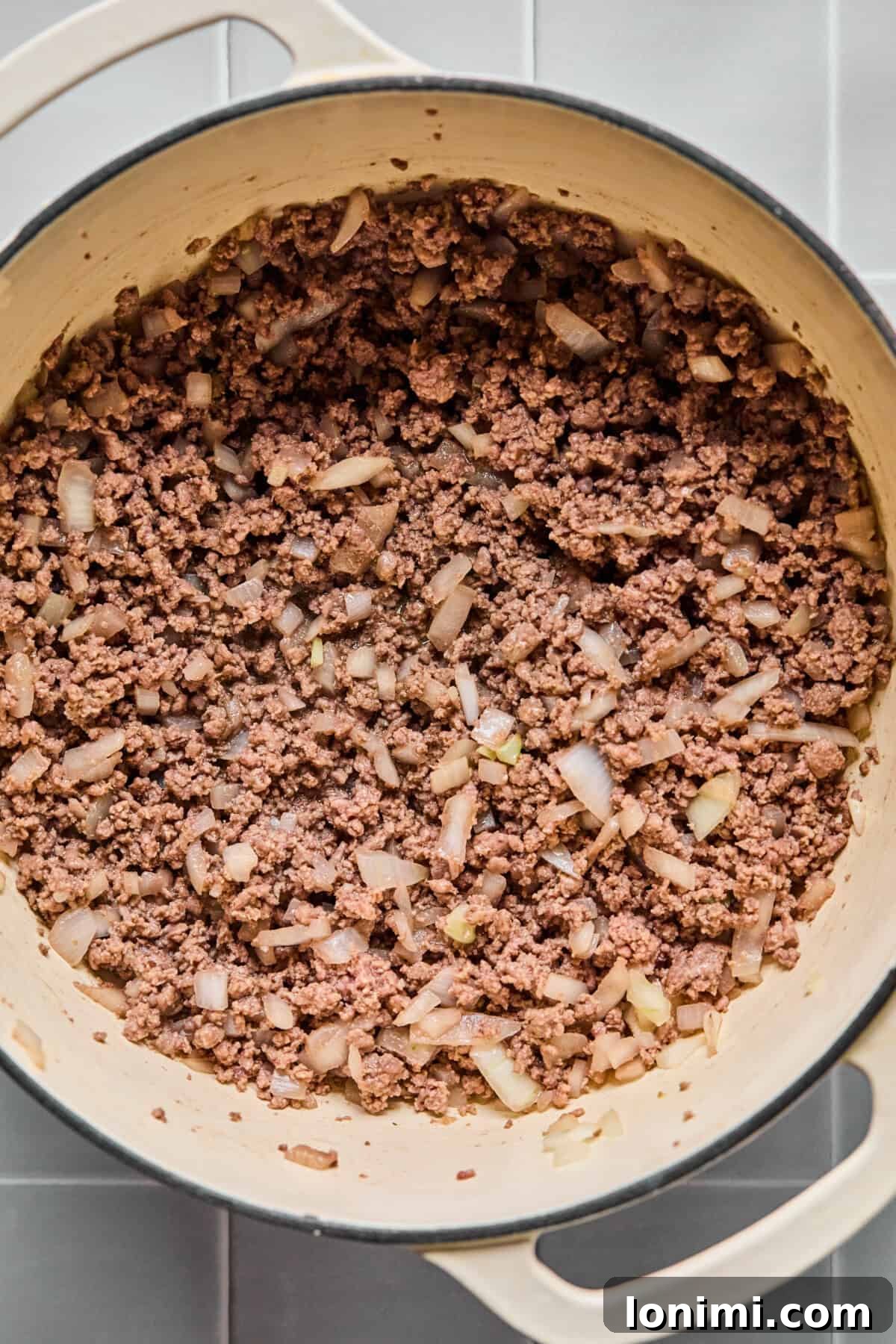
Step 1: Brown the Beef and Sauté Aromatics. Begin by heating a tablespoon of olive oil or avocado oil in a large, heavy-bottomed pot or Dutch oven over medium heat. Once shimmering, add the diced onion, minced garlic, and ground beef. Break up the beef with a spoon as it cooks. Sauté for about 5-7 minutes, stirring occasionally, until the ground beef is mostly browned and the onions have softened and become translucent. This step is crucial for building the foundational flavors. Once browned, carefully drain any excess fat from the pot. This prevents the final dish from being greasy and ensures a cleaner flavor.
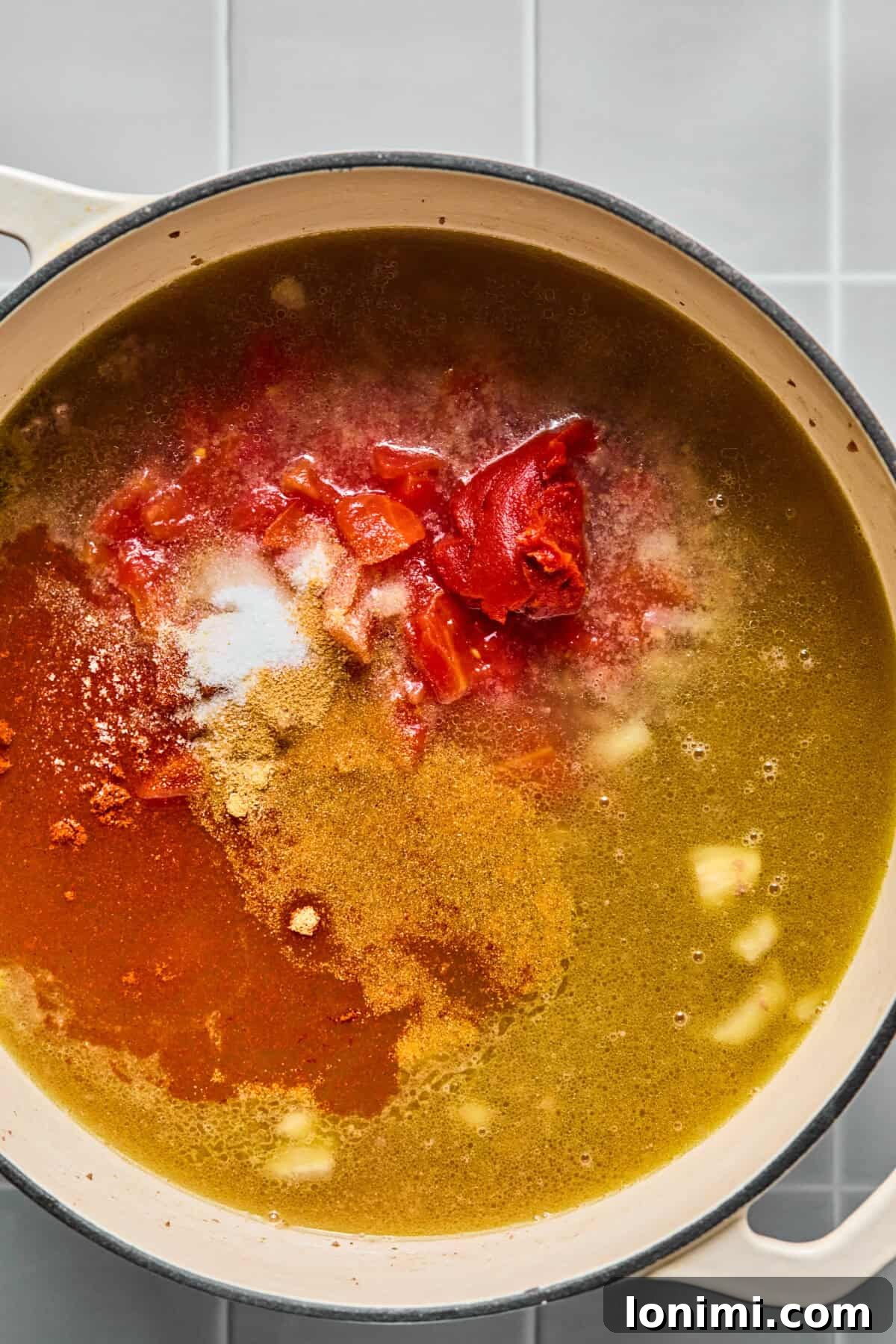
Step 2: Build the Flavorful Sauce Base. Into the pot with the browned beef and aromatics, stir in the can of diced tomatoes (including their juices), the chicken or beef broth, tomato paste, and all the dry spices: paprika, garlic powder, onion powder, and sea salt. Stir well to combine all ingredients, making sure to scrape up any browned bits from the bottom of the pot – this is called deglazing and adds incredible flavor! Bring the mixture to a gentle boil over medium-high heat.
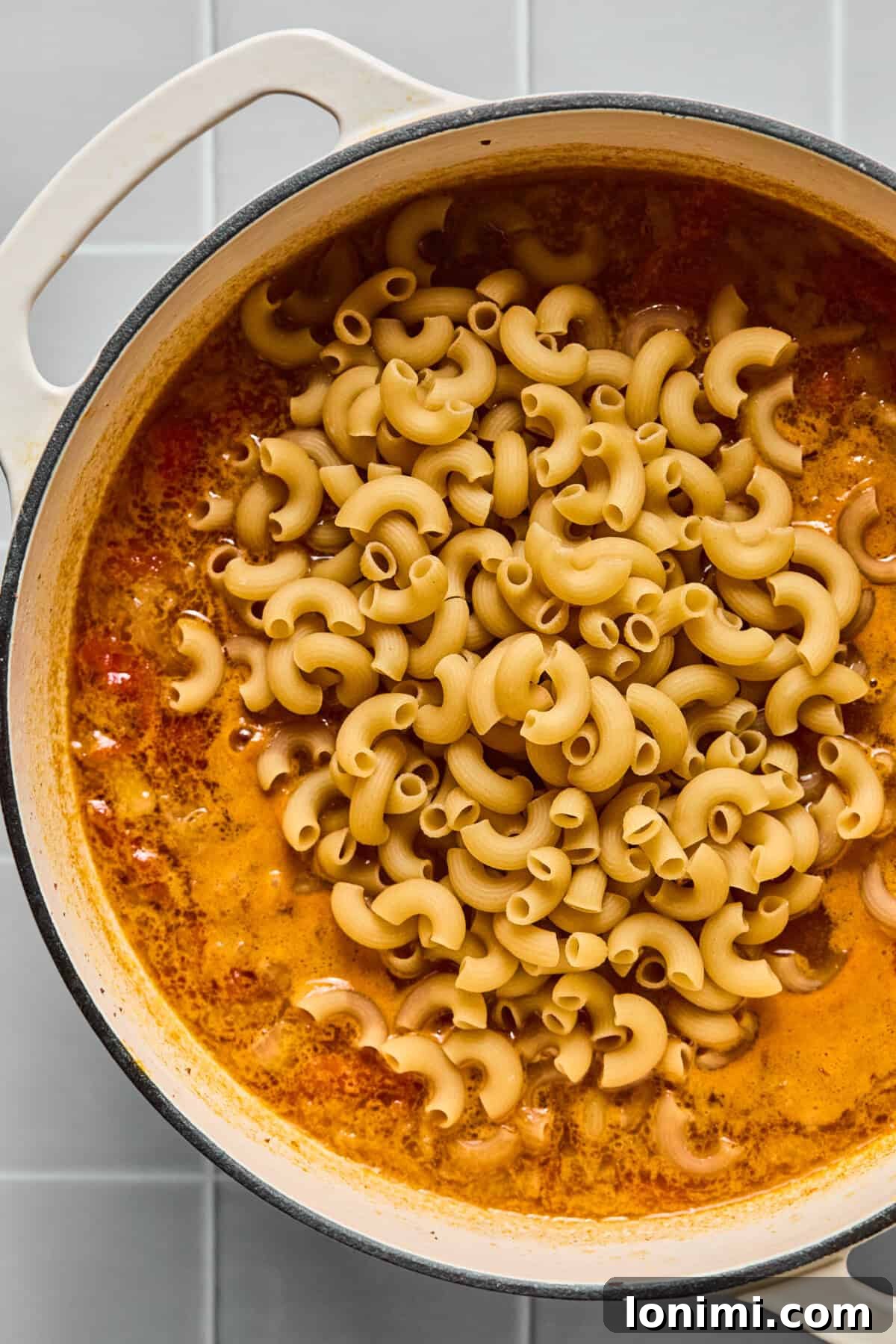
Step 3: Add the Gluten-Free Pasta. Once the liquid is boiling, carefully add the gluten-free pasta directly into the pot. Make sure it is submerged in the broth. This one-pot method allows the pasta to absorb the rich flavors of the sauce as it cooks, resulting in a more deeply flavored dish compared to cooking pasta separately.
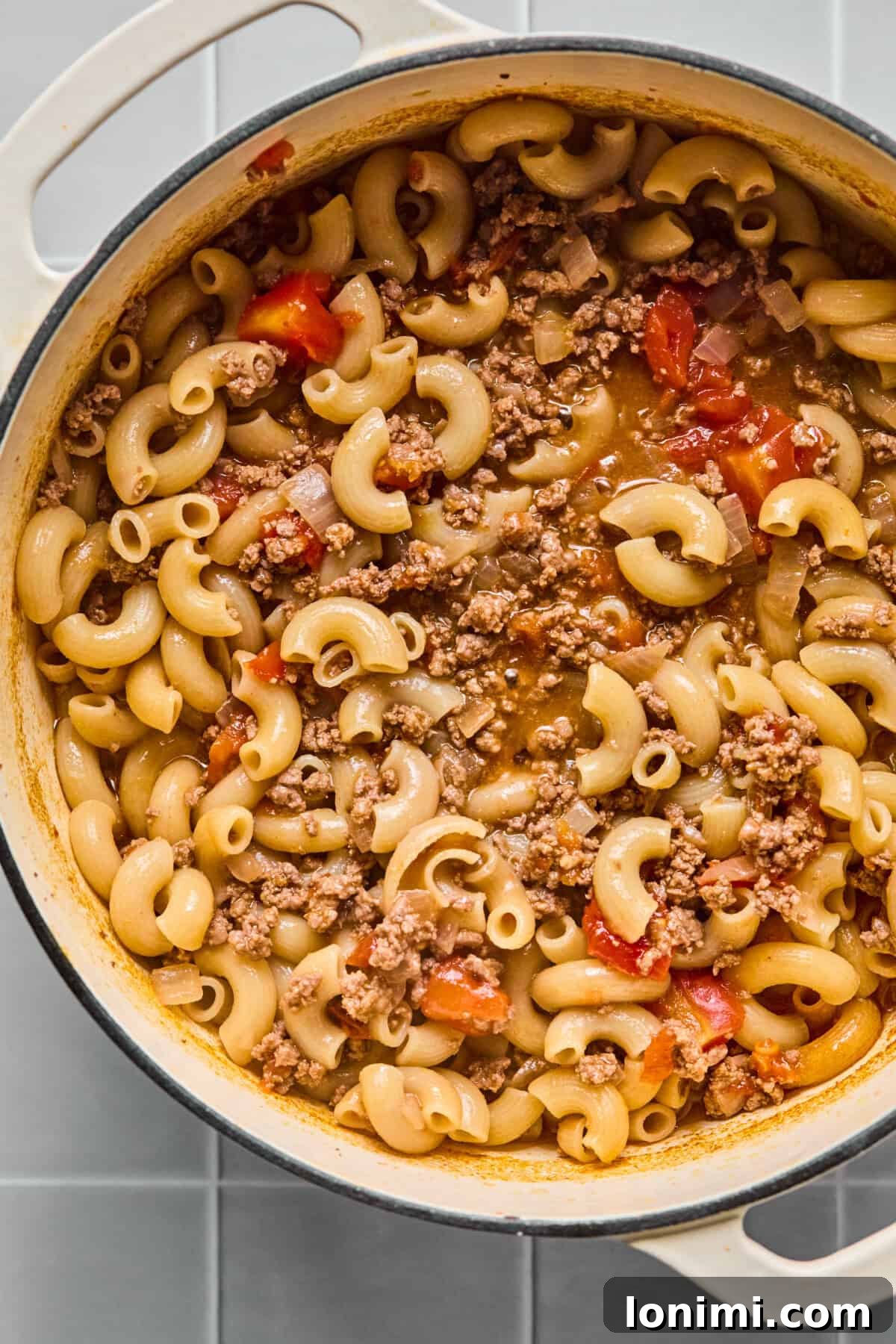
Step 4: Cook the Pasta Until Tender. Reduce the heat to medium-low, cover the pot, and let the pasta simmer for about 10 minutes, or until it reaches an al dente texture. It’s crucial to stir the pasta frequently throughout this cooking period to prevent it from sticking to the bottom of the pot and to ensure even cooking. The pasta should be tender but still have a slight bite, and most of the liquid should have been absorbed, thickening into a rich sauce. Don’t worry if it looks a little soupy at first; it will continue to thicken beautifully into a silky, cohesive sauce as it stands and cools slightly.
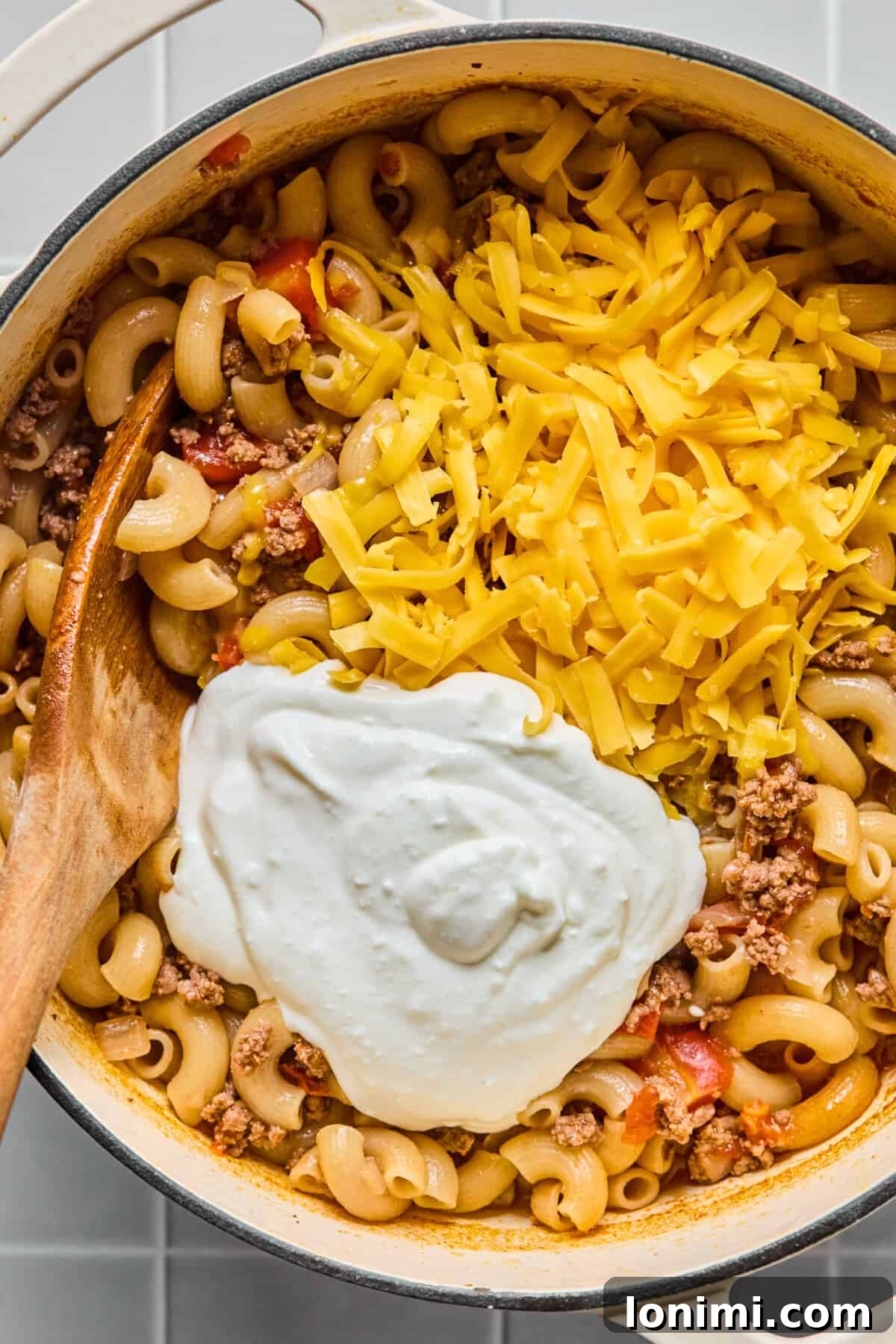
Step 5: Prepare and Incorporate Your “Cheese” Sauce. While the pasta is cooking, prepare your chosen “cheese” sauce:
- For Dairy-Free “Cheese” Sauce: In a high-powered blender, combine the raw cashews, a clove of minced garlic, lemon juice, nutritional yeast, water, and a quarter teaspoon of sea salt. Blend on high for 30 seconds to 1 minute, or until the mixture is incredibly smooth and creamy, resembling a rich cheese sauce. Once the pasta is done cooking and the liquid has mostly absorbed, stir this dairy-free sauce directly into the pot with the beef and pasta mixture.
- For High-Protein / Nut-Free Sauce: Blend the cottage cheese until it’s completely smooth and free of any lumps. When the pasta is cooked, turn the heat down to low. Stir the blended cottage cheese into the pot along with the shredded cheddar cheese. Continue stirring until both cheeses are fully melted and smoothly incorporated into the beef and pasta, creating a wonderfully creamy and cheesy sauce.
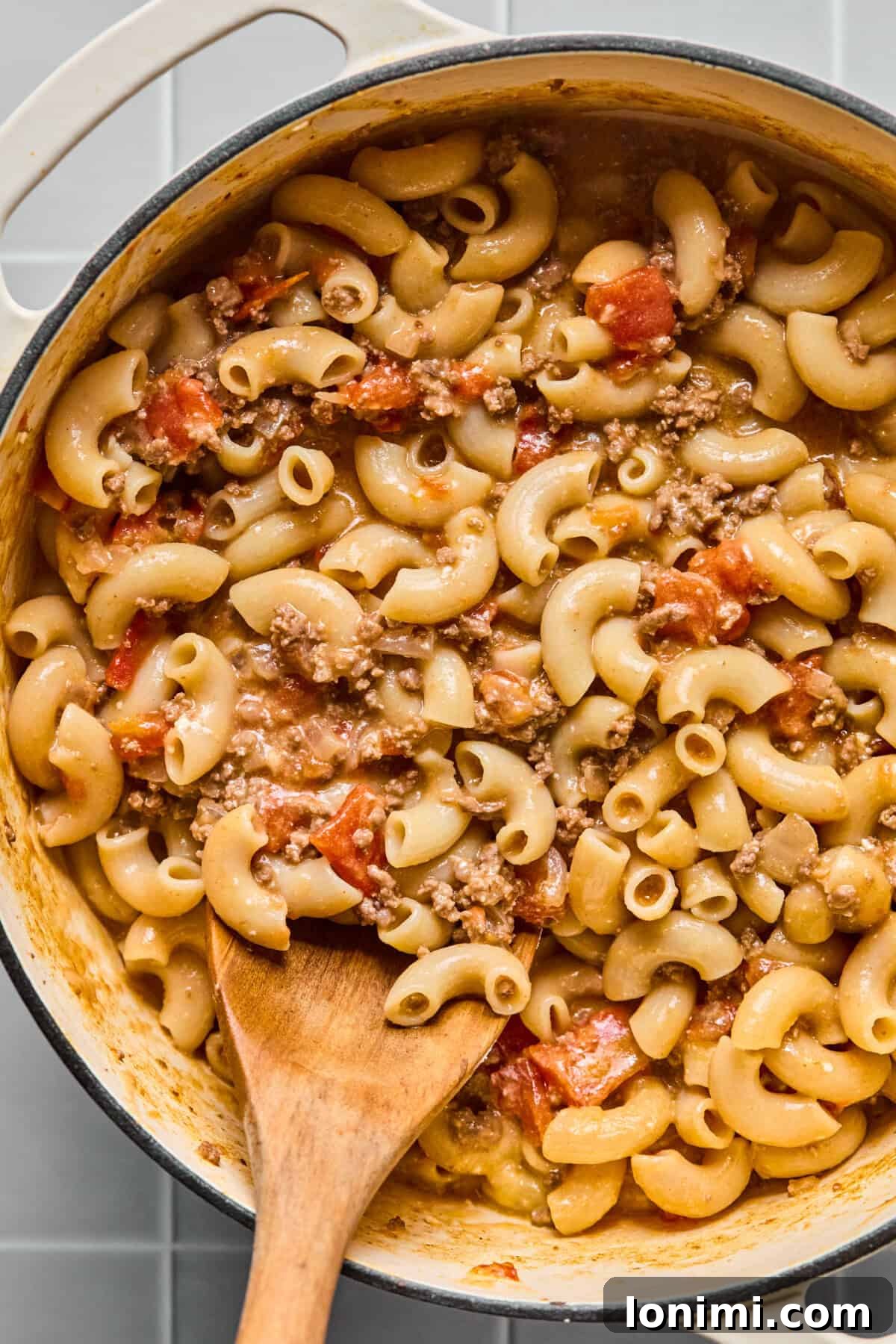
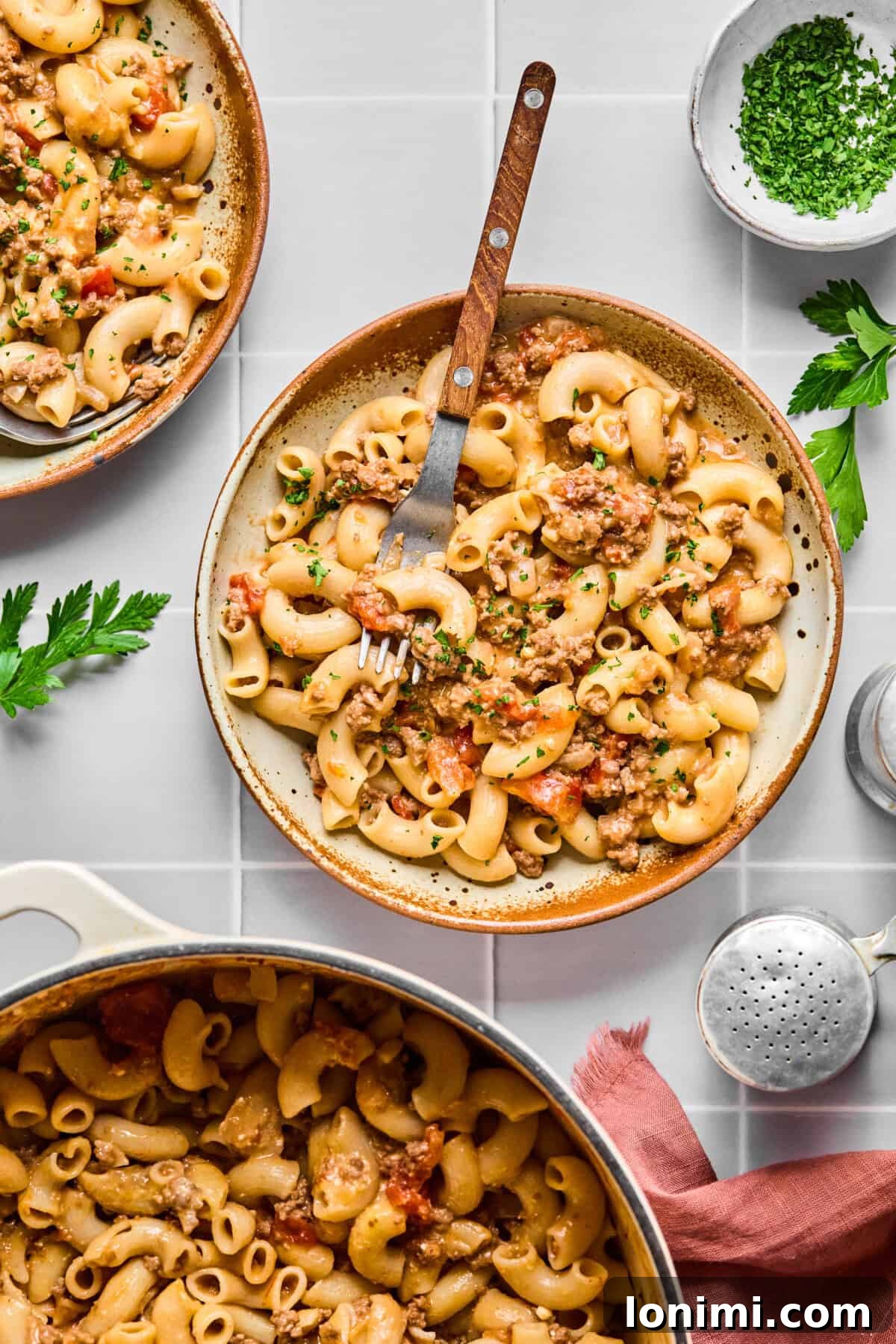
Step 6: Serve and Enjoy! Stir everything together one final time to ensure the sauce is evenly distributed and creamy. Ladle generous portions into bowls. If desired, garnish with a sprinkle of fresh chopped parsley for a pop of color and freshness, and for the dairy option, a dusting of grated Parmesan cheese. Serve immediately and savor this homemade, healthier take on a beloved classic!
Storage, Reheating, & Meal Prep Tips for Gluten-Free Hamburger Helper
This gluten-free hamburger helper is not only delicious fresh but also makes for excellent leftovers, perfect for quick meals throughout the week. Here are some tips to maximize its shelf life and convenience:
- Fridge Storage: Allow the cooked hamburger helper to cool completely before transferring it to an airtight container. Store it in the refrigerator for up to 4 days. The flavors often meld and deepen overnight, making it even more delicious the next day!
- Reheating: To reheat, gently warm portions on the stovetop over low to medium heat, stirring occasionally. If the sauce has thickened too much overnight, add a splash of extra broth (chicken or beef) or even a little water to loosen it up and restore its creamy consistency. Alternatively, you can reheat individual servings in the microwave, using short intervals and stirring between each to ensure even heating. Again, a small amount of liquid can be added if needed.
- Freezer Storage: This dish freezes beautifully, making it an excellent candidate for future meals. Divide the cooled hamburger helper into single-serving, freezer-safe containers or freezer bags. It can be stored in the freezer for up to 2 months. To enjoy, thaw frozen portions overnight in the refrigerator before reheating. Reheat as described above, adding a touch more liquid if necessary to achieve the desired creaminess.
- Meal Prep Perfection: This recipe is a dream for meal prepping. Prepare a large batch on the weekend, divide it into individual containers, and you’ll have wholesome, ready-to-eat lunches or dinners for several days. It’s a convenient and comforting grab-and-go option that saves you time during busy workweeks.
Frequently Asked Questions About Gluten-Free Hamburger Helper
For the best results, I highly recommend using Jovial cassava pasta or Banza brown rice pasta. These brands tend to hold their texture exceptionally well during one-pot cooking, ensuring your pasta stays firm and doesn’t get mushy. Traditional chickpea pasta varieties are generally not recommended for this recipe, as they can release excessive starch and create foam during cooking.
Absolutely! This recipe includes a fantastic cashew-based “cheese” sauce option. By blending raw cashews with garlic, lemon juice, nutritional yeast, and water, you achieve a wonderfully creamy and cheesy flavor and texture without any dairy products. It’s a delicious and convincing alternative for those with dairy sensitivities or preferences.
The beauty of this one-pot recipe lies in its natural thickening process. As the gluten-free pasta cooks directly in the broth, it releases starch into the liquid, which naturally thickens the sauce to a perfect consistency. Additionally, whichever “cheese” sauce option you choose – whether the cashew blend or the cottage cheese and cheddar – both contribute significant creaminess and body, helping to create that rich, satisfying sauce without the need for external thickeners.
In my opinion, it tastes even better! The careful blend of spices is specifically designed to mimic the familiar, savory, and comforting flavors of the boxed version, while using fresh, wholesome ingredients elevates the taste significantly. You’ll still get that same nostalgic cheesy and savory aroma that takes you right back to your childhood kitchen, but with a cleaner, more vibrant flavor profile that you’ll feel great about eating.
Definitely! To boost the nutritional value and add more flavor, consider stirring in some frozen peas, diced carrots, or corn along with the pasta. Sautéing some diced bell peppers with the onion and garlic in Step 1 is also a great way to add color and sweetness. Spinach or kale can be wilted into the pot during the last few minutes of cooking.
Yes, while ground beef is traditional, you can certainly substitute it with ground turkey or chicken for a leaner option. Just be sure to season it well, as poultry can be milder in flavor. You might also need to add a bit more oil if using very lean ground meat to prevent sticking.
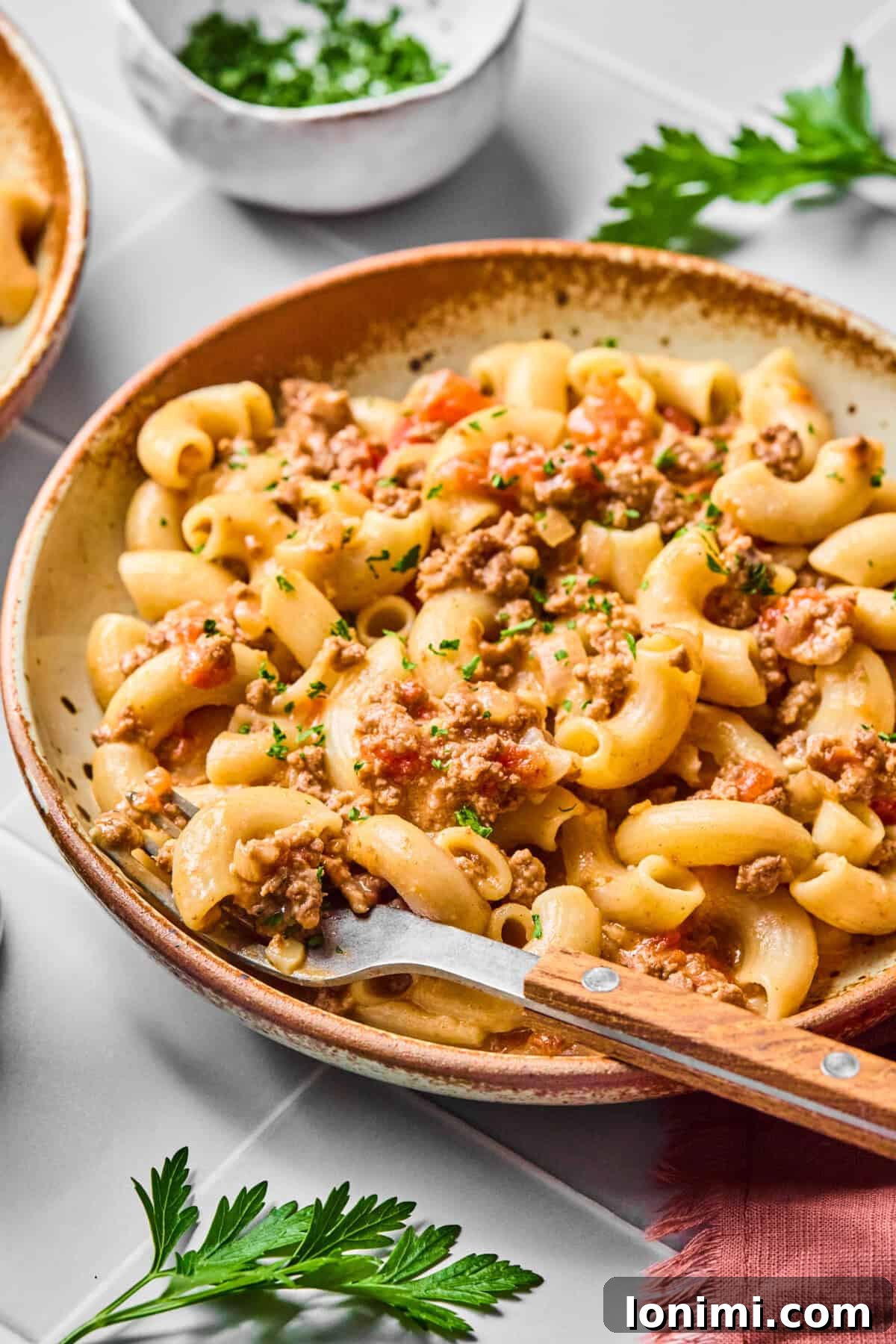
This gluten-free hamburger helper is more than just a meal; it’s a cozy, comforting experience that comes together incredibly fast – typically in just about 20 minutes of active cooking. It’s the perfect solution for a busy weeknight when you need a hearty dinner that the entire family will wholeheartedly embrace. Whether you opt for the rich and velvety dairy-free cashew sauce or the satisfying, high-protein cheddar version, this homemade hamburger helper is a versatile, family-friendly meal you’ll be eager to put on repeat. Enjoy the wholesome goodness and nostalgic flavors!
You might also enjoy my Whole30 Paleo Meatloaf for another wonderfully cozy dinner idea – it stands out as one of my absolute favorite gluten-free weeknight dinners, offering hearty satisfaction with a healthy twist!
More Delicious Gluten-Free Comfort Food Recipes to Explore
Easy Gluten Free Lasagna with Dairy Free Option
Healthy Tuna Noodle Casserole (Gluten-Free & Dairy-Free)
Hearty Sausage Broccolini Pasta
Beef and Broccoli Ramen Stir Fry (Gluten Free)
Love this gluten-free hamburger helper recipe? Please leave a 5-star 🌟🌟🌟🌟🌟 rating below and a review in the comment section. Or, follow me on Facebook, Pinterest or Instagram today!
Print Recipe
Gluten-Free Hamburger Helper (Dairy-Free Option)
Equipment
-
Large Pot or Dutch Oven
Ingredients
- 1 tbsp olive oil or avocado oil
- ½ onion, diced
- 2 cloves minced garlic
- 1 lb grass-fed ground beef
- 1 15 oz can diced tomatoes, with juices
- 1 tbsp tomato paste
- 3.5 cups chicken broth , or beef broth
- ½ tsp paprika
- ½ tsp garlic powder
- ½ tsp onion powder
- 1 tsp sea salt
- 10-12 oz gluten free pasta, 10 oz Banza Brown Rice Pasta box or 12 oz Jovial GF pasta box both work
“Cheese” Sauce (Dairy-Free Option)
- ¾ cup raw, unsalted cashews, soaked in hot water for 15 minutes and drained if not using a high-powered blender
- 1 clove minced garlic
- 1 tbsp lemon juice
- 1 tbsp nutritional yeast
- ¼ tsp sea salt
- ½ cup water
High Protein / Nut-Free Cheese Sauce Alternative
- 1 cup cottage cheese, blended until smooth
- 1 cup shredded cheddar cheese
Instructions
-
Heat the oil in a large pot or Dutch oven over medium heat. Add in the diced onion, minced garlic, and ground beef. Sauté for 5-7 minutes until the beef is mostly browned and the onions are soft. Drain any excess fat from the pot.
-
Stir in the diced tomatoes (with juices), tomato paste, chicken or beef broth, paprika, garlic powder, onion powder, and sea salt. Bring the mixture to a boil, stirring to combine all the flavors.
-
Add the gluten-free pasta to the pot, ensuring it is submerged in the liquid. Reduce the heat to medium-low, cover, and cook for 10 minutes, or until the pasta is al dente (check package directions for specific GF pasta cook times). Stir frequently to prevent sticking. The pasta should be tender and most of the liquid absorbed; don’t worry if it looks slightly soupy, it will thicken as it rests.
For Dairy-Free “Cheese Sauce” Option
-
While the pasta cooks, prepare the dairy-free “cheese” sauce. In a high-powered blender, combine the raw cashews (soaked and drained if needed), 1 clove minced garlic, lemon juice, nutritional yeast, water, and ¼ tsp sea salt. Blend until very smooth and creamy. Once the pasta is cooked and the liquid is mostly absorbed, stir this cashew “cheese” sauce directly into the pot. Top with fresh chopped parsley if desired, then serve and enjoy!
For High Protein / Nut-Free Cheese Sauce Alternative
-
While the pasta cooks, blend the cottage cheese until completely smooth. Once the pasta is cooked, turn the heat to low. Stir the blended cottage cheese into the beef and pasta mixture along with the shredded cheddar cheese. Stir continuously until both cheeses are fully melted and create a smooth, creamy sauce. You can add a little extra shredded cheese on top, cover the pot, and let it melt for a few minutes before serving. Enjoy!
Notes
- Pasta Choice: For extra protein, consider using Banza’s Chickpea & Brown Rice Pasta! However, because the pasta cooks right in the broth, I do not recommend using their traditional chickpea pasta, as it tends to foam up a bit during the one-pot cooking process.
- Storage: Store any leftovers in an airtight container in the fridge for up to 4 days.
- Reheating: Reheat gently on the stovetop over low heat or in the microwave. If the sauce has thickened too much, add a splash of broth or water to loosen it.
- Freezing: This dish freezes well! Freeze in single portions for up to 2 months. Thaw overnight in the fridge before reheating.
- Meal Prep: This recipe is excellent for meal prep. Cook a larger batch and portion it into containers for easy grab-and-go lunches or quick dinners throughout the week.
Nutrition Information (Estimated Per Serving)
All nutrition facts are an estimate and automatically calculated. While I fact-check them using My Fitness Pal, please note that they may not always be 100% accurate and depend on ingredients used. For the most accurate grams per serving size, weigh your total yield and divide by the number of servings.