HomeItalian Seafood RecipesPan-Seared Vermilion Snapper
Pan-Seared Vermilion Snapper
Looking for a juicy, firm filet with a bright and savory sauce? Pan-seared vermilion snapper is a simple and delicious recipe you will love!
- Prep15 min
- Cook15 min
- Total30 min
- Serves2 servings
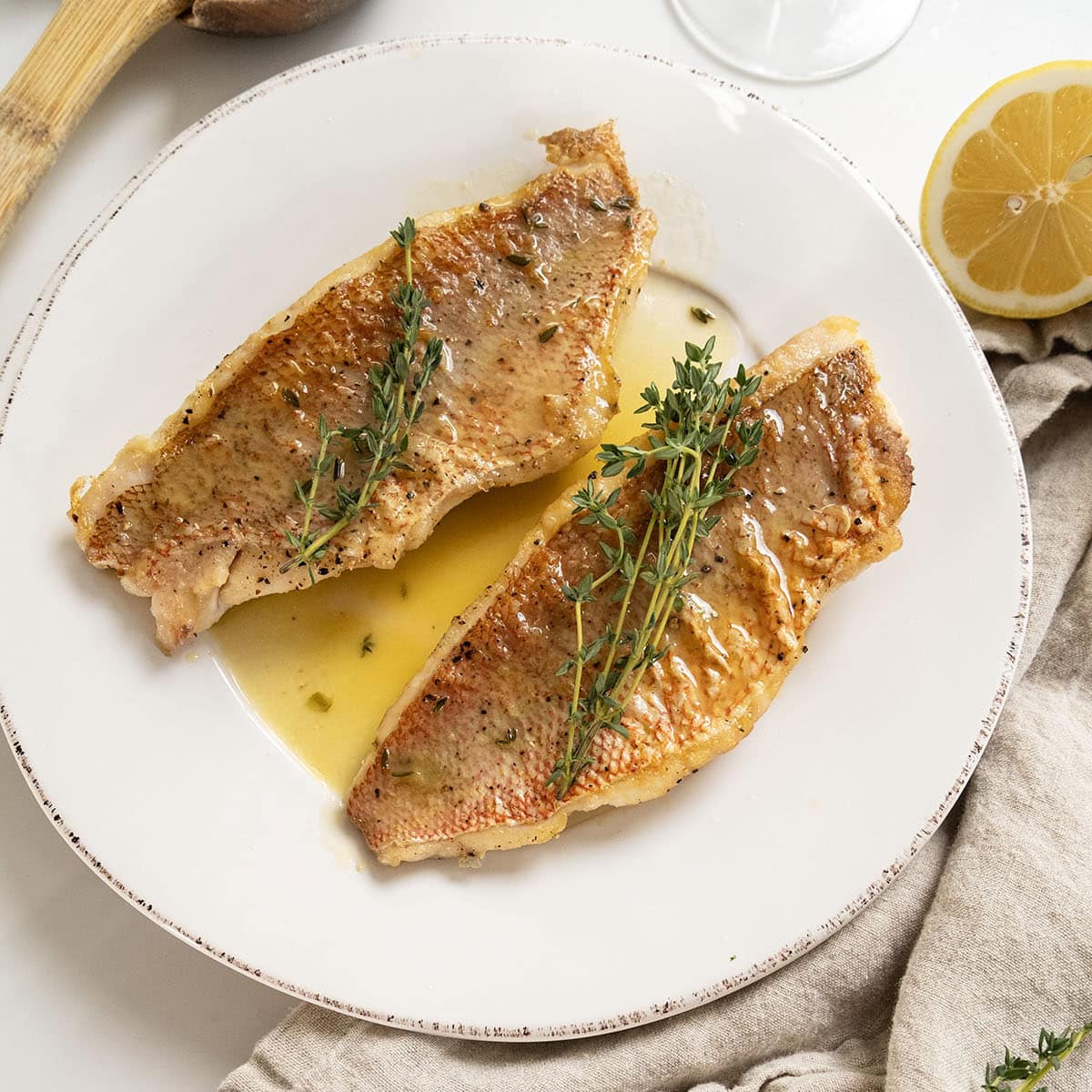
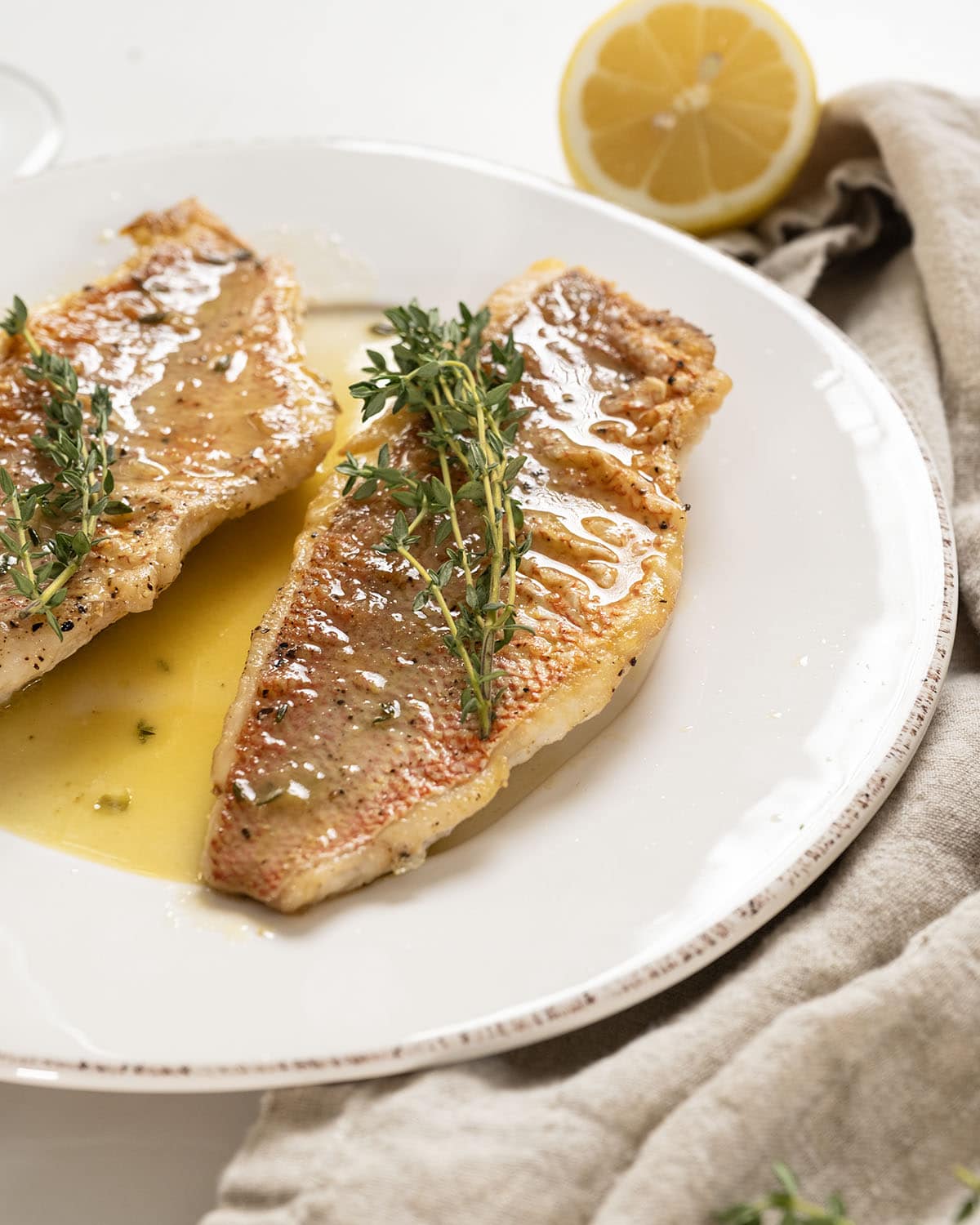
If cooking fish ever intimidated you, you need to try this simple but delicious Pan-Seared Vermilion Snapper. It's quickly seared for a crispy skin, then served with a buttery lemon, garlic, and thyme sauce.
Love trying new seafood recipes? Try our Pistachio Crusted Baked Sea Bass, Mussels Fra Diavolo, or Garlic Sage Seared Scallops!
[feast_advanced_jump_to]Why this Recipe
Have you ever tried snapper? Whether you have or haven't, Pan-seared vermilion snapper is a great way to introduce yourself to the world of fresh fish. It is a mild and juicy fish with firm meat, and great for people not looking for anything "too fishy."
We live in North Carolina and visit a farmer's market somewhere each week to pick up fish. Most Saturday nights are seafood nights at our house, whether it's something like Lemon Garlic Broiled Flounder or a classic Italian dish like Linguine with Clams. I feel like it's usually Friday night in most families, but we are only able to get out of the house together on Saturdays to get some fresh fish.
Ingredient Notes and Substitutions
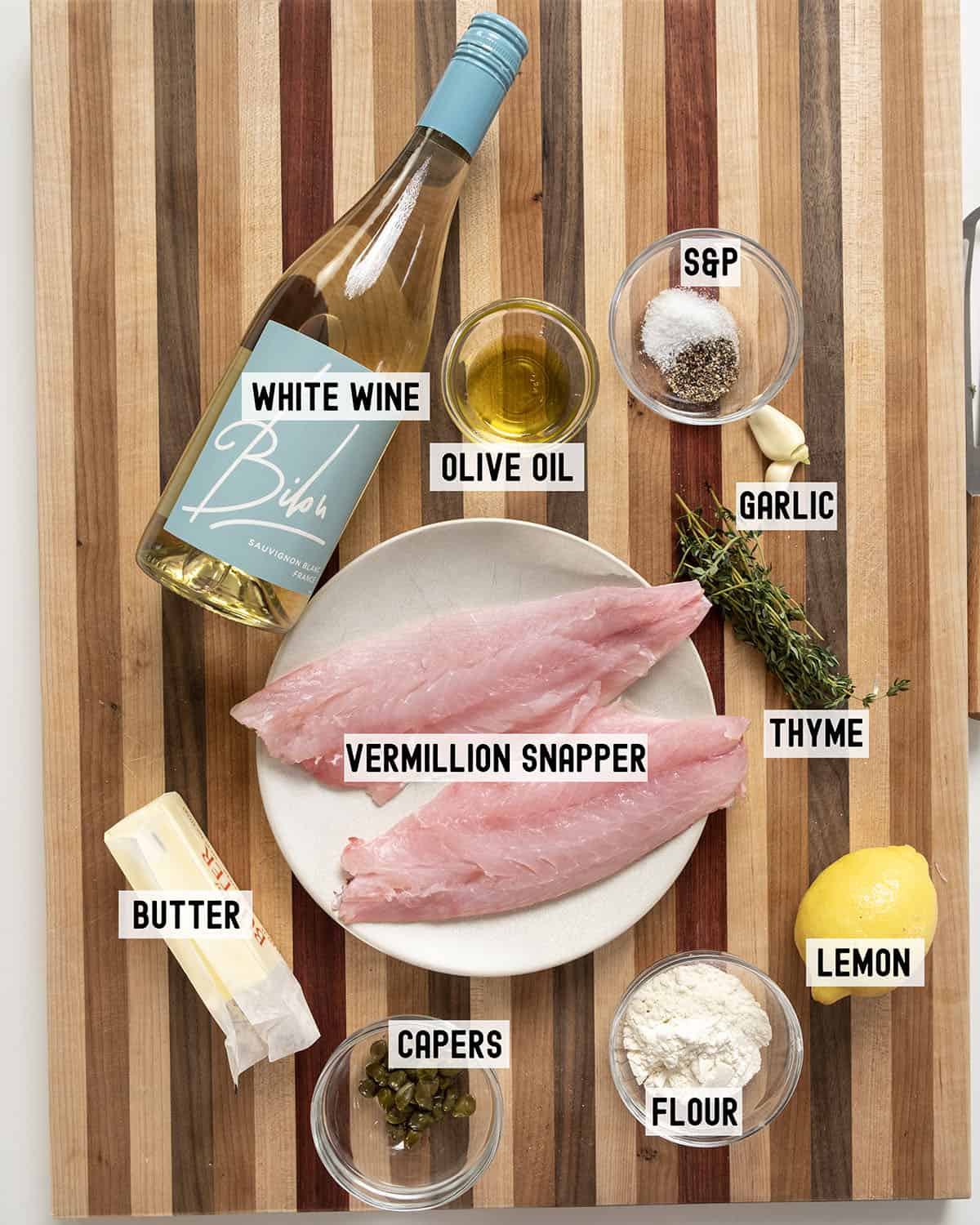
- Vermilion Snapper- Vermilion snapper is a mild and slightly sweet white fish, similar to a red snapper. Look for a skin on filet so you can get that nice crispy skin sear! You can substitute with red snapper, black sea bass, branzino, or grouper.
- Butter- I always cook with unsalted butter so that I know exactly how much salt is going in the dish. Butter is important for the sauce because it will give it the silky texture perfect for seared fish.
- White wine- Use a sauvignon blanc or pinot grigio. My general rule of thumb is "if I won't drink it, I won't cook with it."
- Extra virgin olive oil- Simple but high-quality ingredients make this dish perfect. Extra virgin olive oil has a high smoke point and can handle searing the snapper, plus it will give it a beautiful flavor.
- Flour- This is an important ingredient because it helps slightly dry the snapper and makes it easier for the skin to release from the pan. That's the key to getting a crispy skin!
*Please see the recipe card below for more information on the ingredients.
What is the difference between Vermilion Snapper and Red Snapper?
Everyone compares vermilion snapper to red snapper in taste. They are both similar in taste and even look the same. Red snapper tends to be larger and carries more meat. Red snapper have a slightly different-shaped tail fin and are bigger overall.
Vermilion snapper, often mispelled as vermillion snapper, are nicknamed beeliners because of their speed and agility, while red snappers are slightly slower and stronger fish. They both hunt differently, one chasing down their prey and the other ambushing.
Red snapper and Vermilion snapper can easily be interchanged in this recipe or in our Baked Red Snapper recipe.
How to Pan-Sear Vermilion Snapper
Pan-searing filets of fish is my favorite way to cook fish. I love the crispy skin that develops when you pan-sear. It's perfect for a mild, melt-in-your-mouth fish like a vermilion snapper. This recipe is compatible with any snapper or similar fish.
Seasoning and Dredging the Snapper
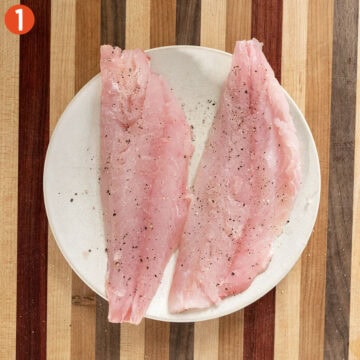
Step 1: Pat your fish dry with paper towels to remove any extra moisture. Season both sides with salt and pepper.
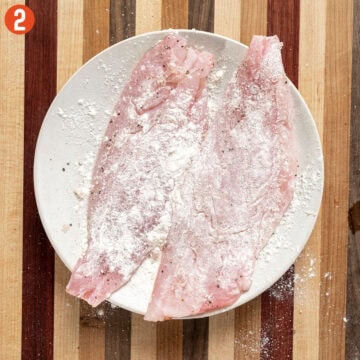
Step 2: Then dredge both sides of the fish in flour. The flour dredge is used to keep moisture in during the pan-searing process. It also gives it a nice and crisp outer layer.
Pan-searing the vermilion snapper
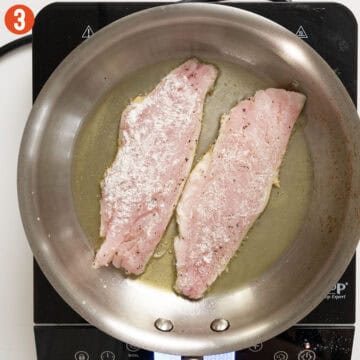
Step 3: Bring a heavy-bottomed pan to medium-high heat. Add 2 tablespoon of extra virgin olive oil. Once the oil is shimmering, sear the skin-side down first for about 4 minutes.
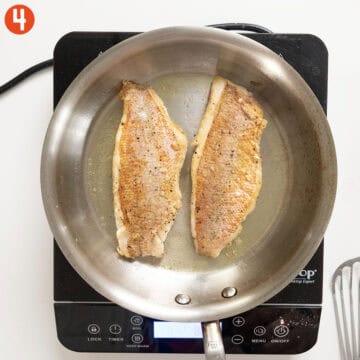
Step 4: Use a fish spatula to turn the fish carefully. The fish will be very easy to move off the pan when it is ready to be flipped. If you can't get the spatula underneath the fish because it is stuck, wait 1 more minute before flipping. The skin should eventually release once it is crispy. Sear for 4 more minutes or until the fish reaches 145 degrees F.
Let the fish rest for 5 minutes after removing it from the heat. Cutting into it right away releases a lot of the moisture in steam.
Making the Lemon Thyme Sauce
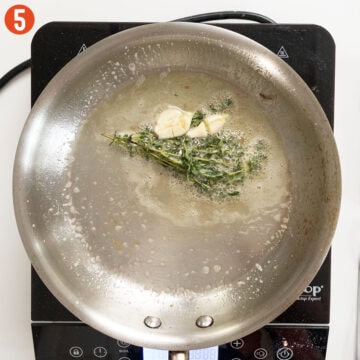
Step 5: Decrease the heat of the pan to low heat. Toss in the butter and stir until the foam subsides. Then add garlic and thyme and stir continuously for 15 seconds. The garlic should become fragrant.
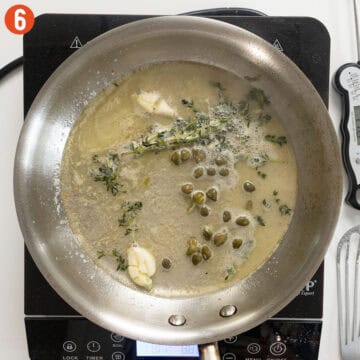
Step 6: Squeeze in the fresh lemon juice and pour in the white wine. Add the capers and simmer until reduced by half or until you can drag a spoon through and leave a trail. Stir in another tablespoon of butter.
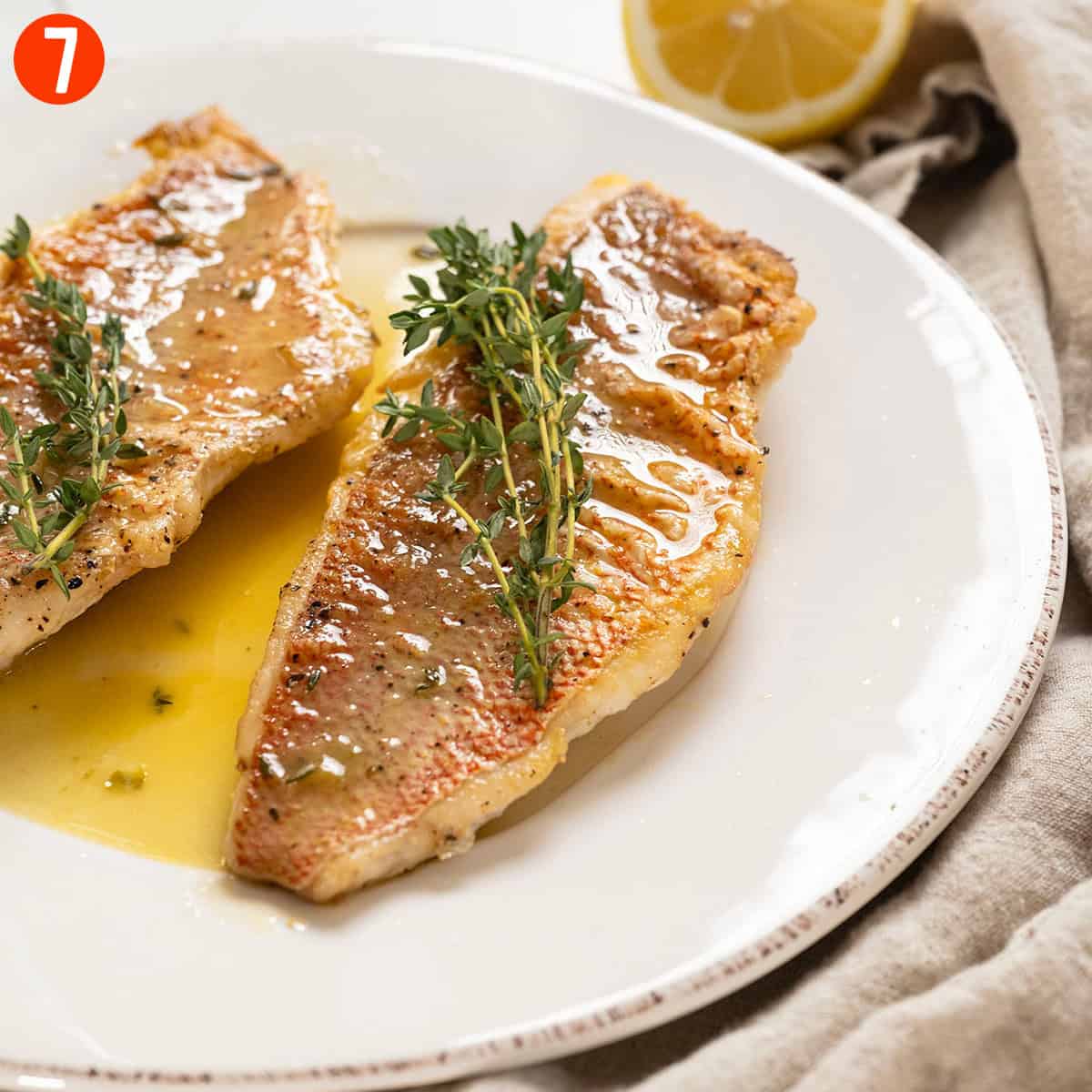
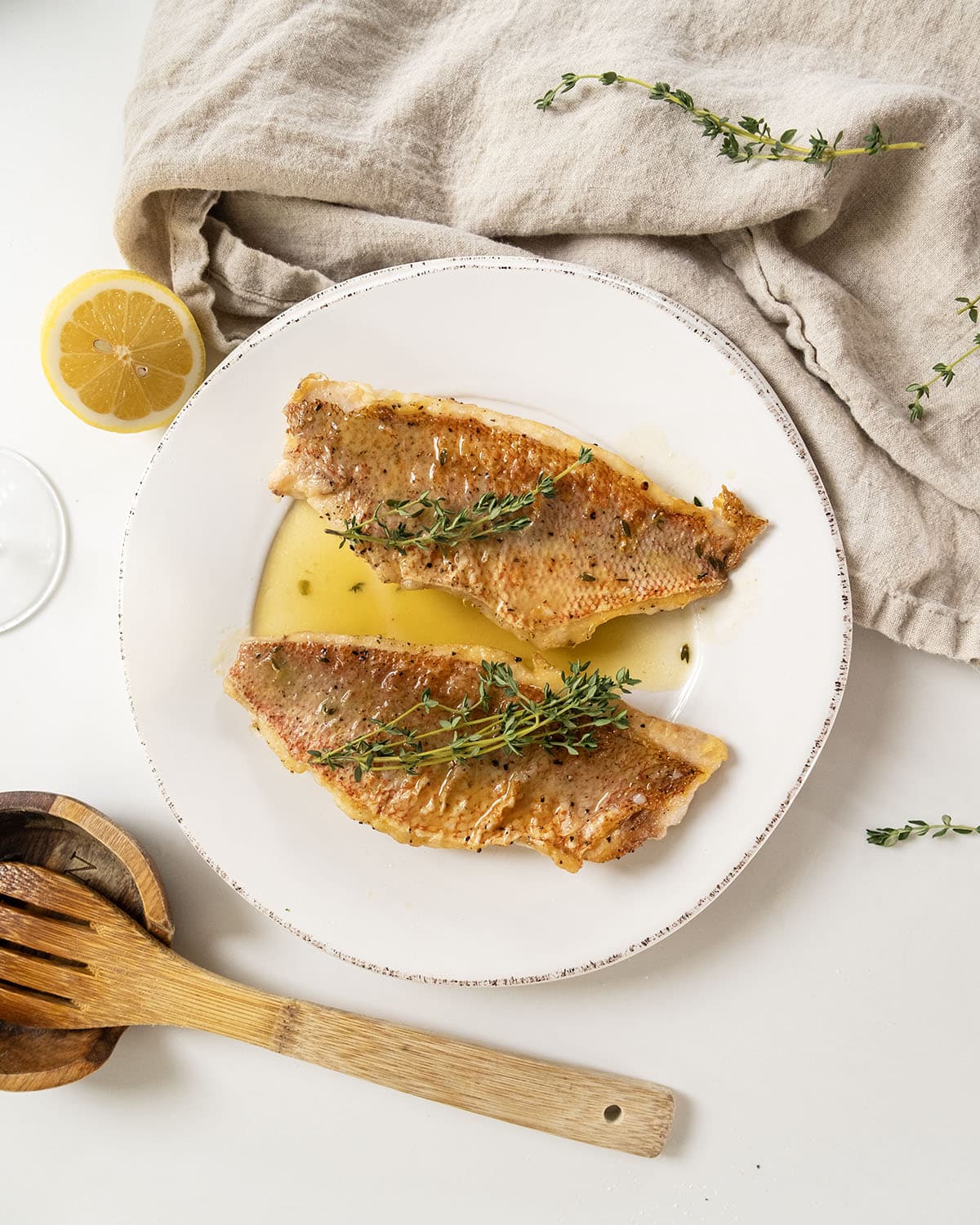
Step 7: Drizzle the pan-seared vermilion snapper with the lemon-caper sauce. The sauce is the perfect finisher for the snapper. The citrus and thyme combination accents the moist and savory snapper. It soaks right into the snapper.
Serve with simple vegetables like Italian Green Bean Salador Roasted Carrots and Fennel! Pan-seared snapper with this sauce is also great to serve over rice or Classic Creamy Polenta.
Pro-Tips
- Pat the fish to dry to make sure that when you place it in the pan, there is no extra moisture that will cause it to be steamed while cooking.
- Snapper has bones. I always prefer to debone prior to cooking so that my guests and I don't have to worry about bones while eating. (Someone will always find a bone or two either way)
- Seared fish is a QUICK recipe. You have to be on the fish watching and checking the temperature. The most important thing to do if you're new to cooking fish is to check the temperature with an instant-read thermometer as you go, so you can see exactly when it hits 145 degrees. Just one or 2 extra minutes can add as much as 20 degrees, drying out your fish.
- When searing a fish, I always start with the skin side down first. This will result in the crispest layer of skin.
Serving Suggestions for Pan-seared Snapper?
- Starches: A delicate fish like snapper with a delicious sauce deserves a great starchy side dish like Zucchini Risotto, Creamy Mushroom Truffle Risotto, Pastina Carbonara, orCrispy Garlic Parmesan Potatoes.
- Vegetables: Serve with our favorite simple vegetable recipes like Garlic Parmesan Green Beans, Maple Bacon Brussel Sprouts, or Italian Lacinato Kale Recipe (Tuscan).
- Salad: Make this a delicious lunch dish with a salad like Kale and Cannellini Bean Salad, Summer Farro Salad with Cannellini Beans, or a simple house salad with Lemon Garlic VinaigretteorTraditional Caesar Dressing!
FAQs on Pan-Seared Vermilion Snapper
Does Snapper have bones?Yes, vermilion snapper have plenty of bones. I never know what to expect when I'm eating fish. I'm usually an eat first, ask questions later kind of guy. Definitely eat carefully to avoid swallowing one or debone in advance.
Why are vermilion snappers called beeliners?Because they're really fast. They can make a "B line" very quickly. Kind of ridiculous, must be a fisherman thing.
Can I make a sauce for Vermilion Snapper without wine?Yes, just substitute chicken stock or homemade fish stock for the wine. Store-bought fish stock is not something I'd recommend.
What is the best way to reheat Pan-Seared Snapper?Preheat the oven to 350 degrees F. Place the snapper in aluminum foil and create a seal. Place in the oven for 5-7 minutes to reheat. This will help keep the moisture in.
Delicious Side Dishes for Seafood
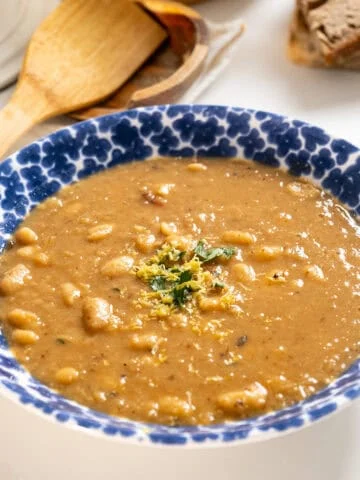 Tuscan Fennel and White Bean Soup
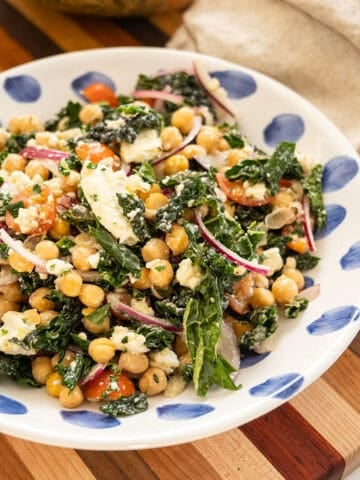 Garbanzo Bean Kale Salad
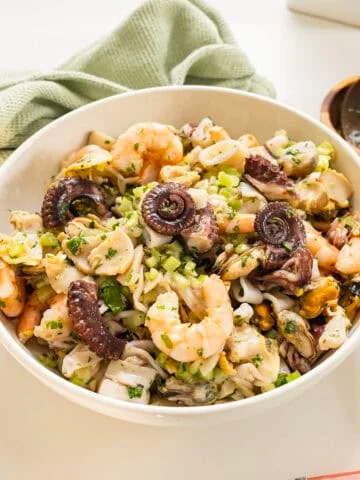 Italian Seafood Salad (Insalata di Mare)
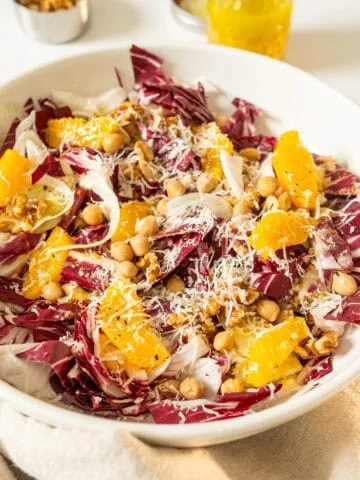 Italian Radicchio Salad
Ingredients
Equipment 1 large saucepan
Steps
- 1
Prepare the snapper by removing the bones, or have them removed when you purchase the filets.
- 2
Season both sides with salt and pepper. Then sprinkle both sides with flour.
- 3
In a large pan, add 2 tablespoon of extra virgin olive oil and bring to medium-high heat. Once the oil is shimmering, lay the filet into the pan, skin side down. Sear for 3-4 minutes or until skin is golden brown. Using a fish spatula, flip the filets, and sear for another 4 minutes or until they reach an internal temperature of 145°.
- 4
Lower the heat to low. Add 2 tablespoon butter, crushed garlic, and thyme, and stir until the foaming subsides. Add in the lemon juice, wine, and capers, and reduce the liquid by half, until you can drag a spoon through and leave a trail. Add the remaining tablespoon of butter and stir until combined.
- 5
Pour sauce over each filet and serve.
Notes
Notes
Nutrition
- Calories493 kcal
- Carbs11 g
- Protein36 g
- Fat33 g
- Saturated fat13 g
- Sodium2684 mg
- Fiber1 g
- Sugar1 g
- Cholesterol108 mg
Nutrition is an estimate for one serving.
More recipes to try next
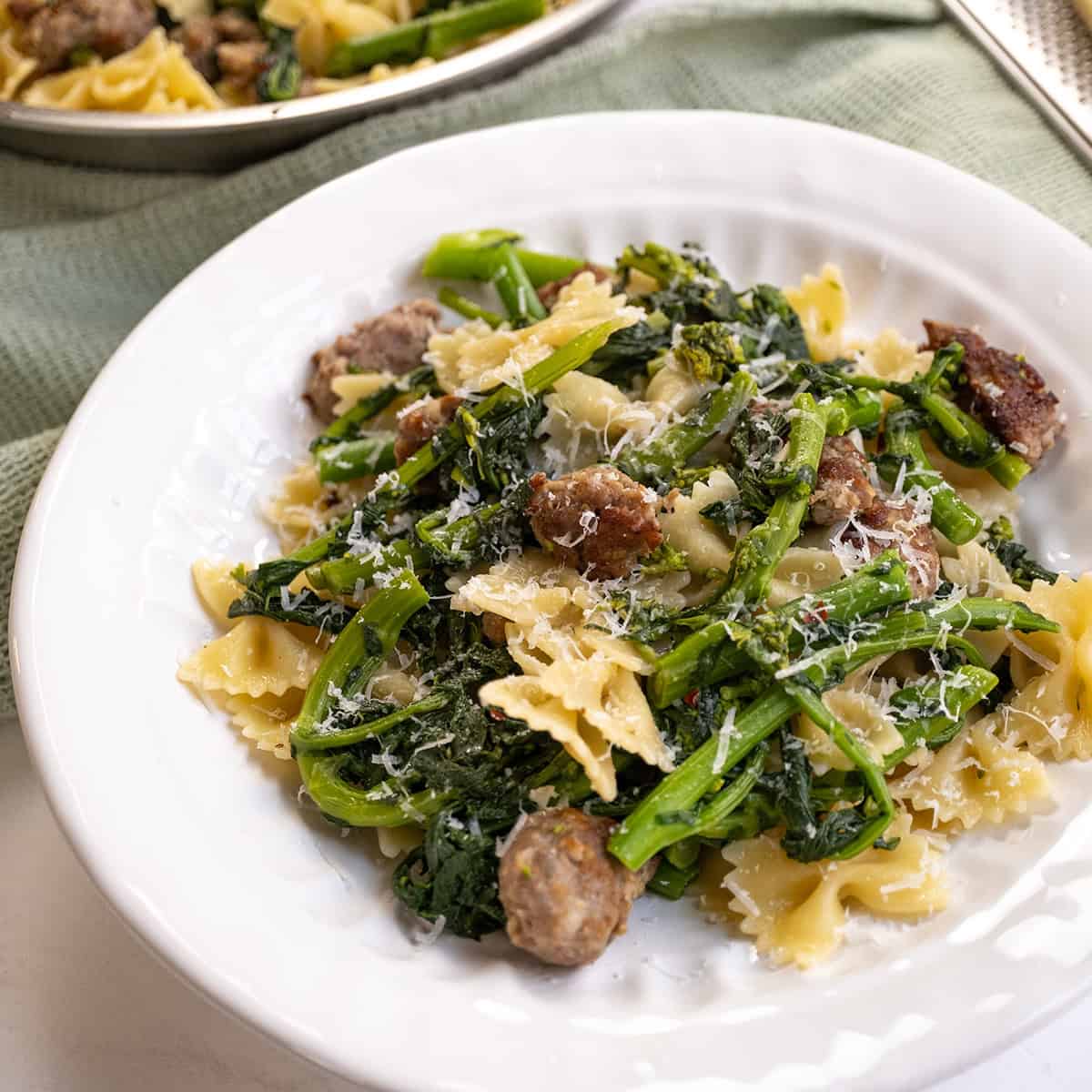 Italian Vegetable RecipesPasta with Sausage and Broccoli Rabe
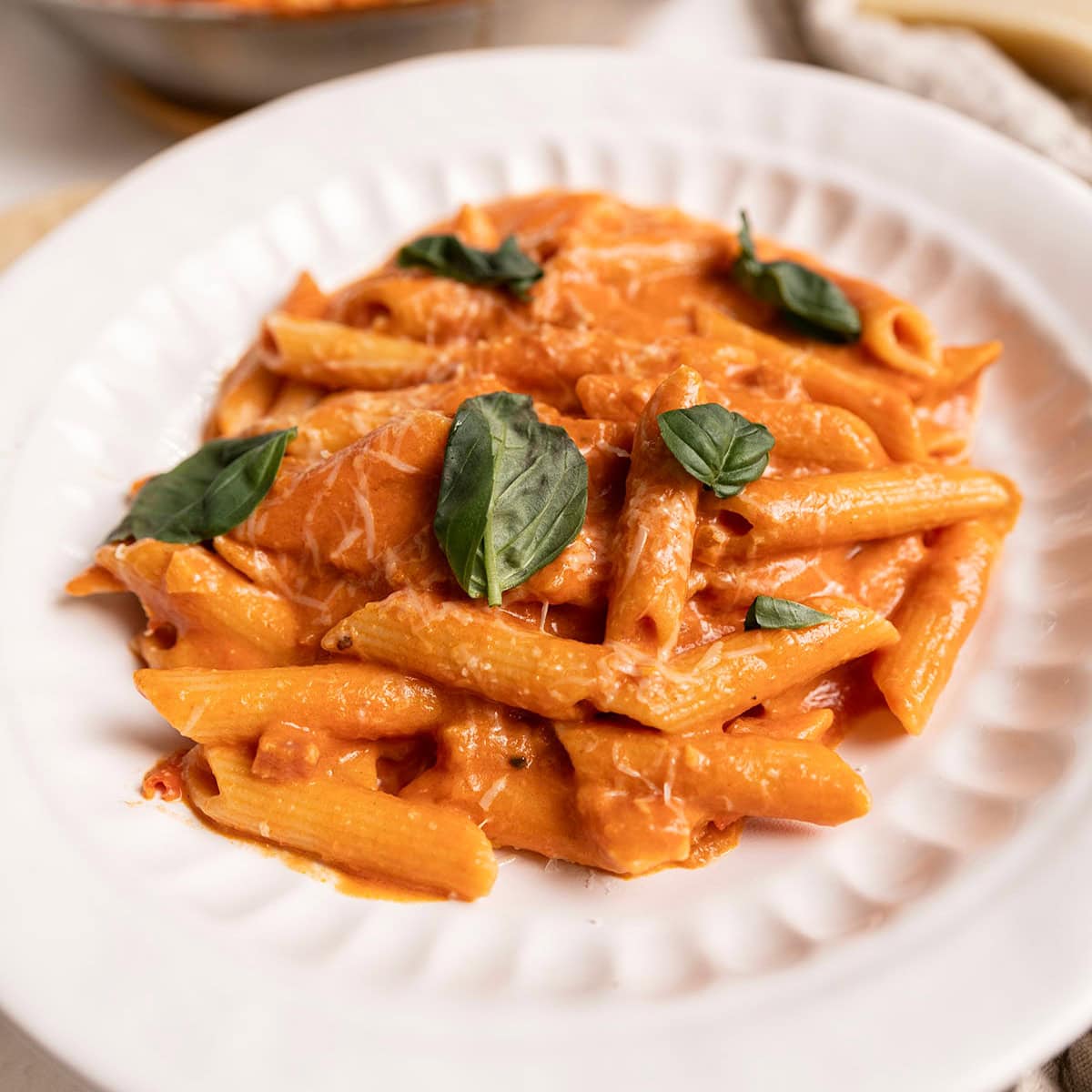 Old School Italian RecipesSpicy Vodka Sauce
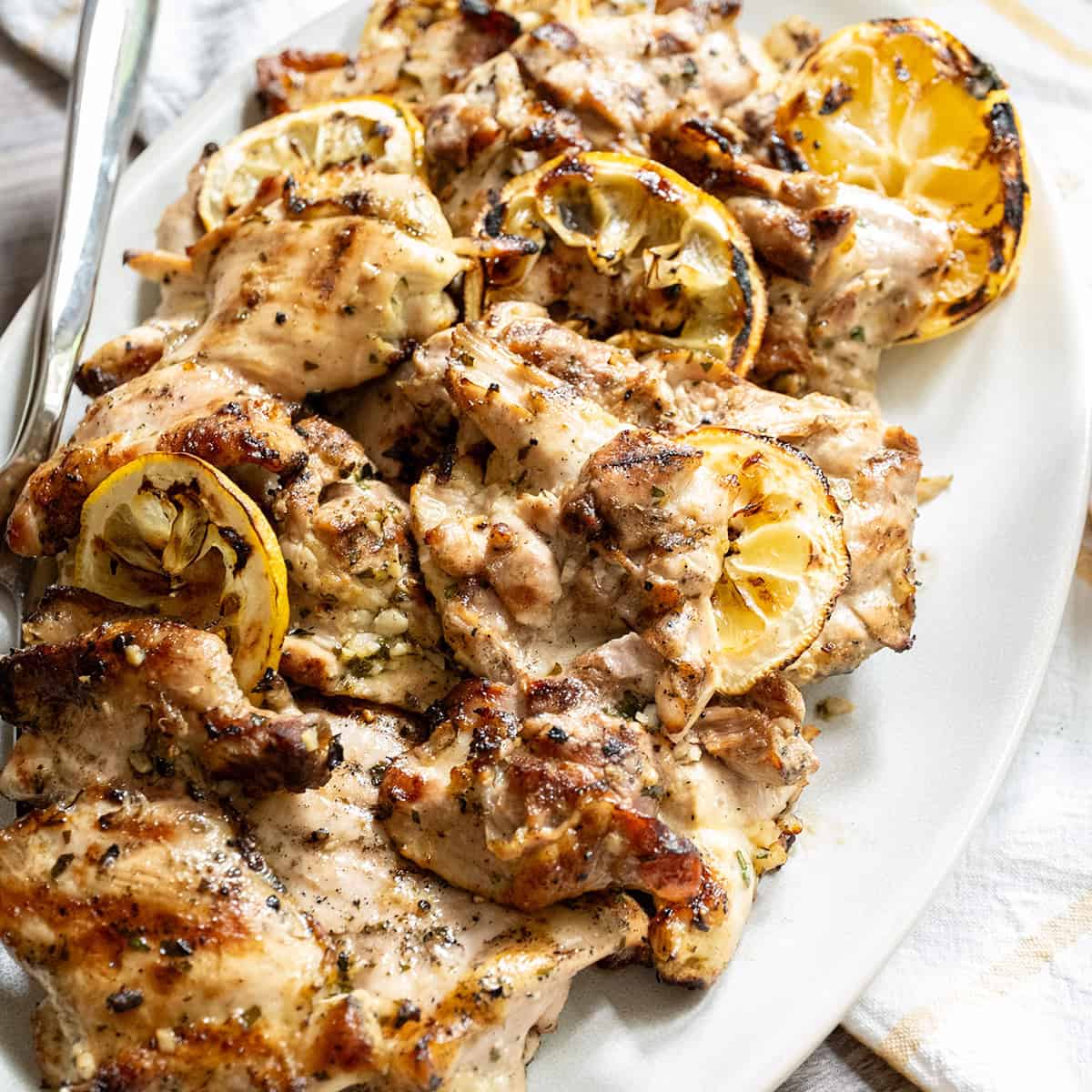 Italian Chicken RecipesGrilled Lemon Pepper Chicken Thighs
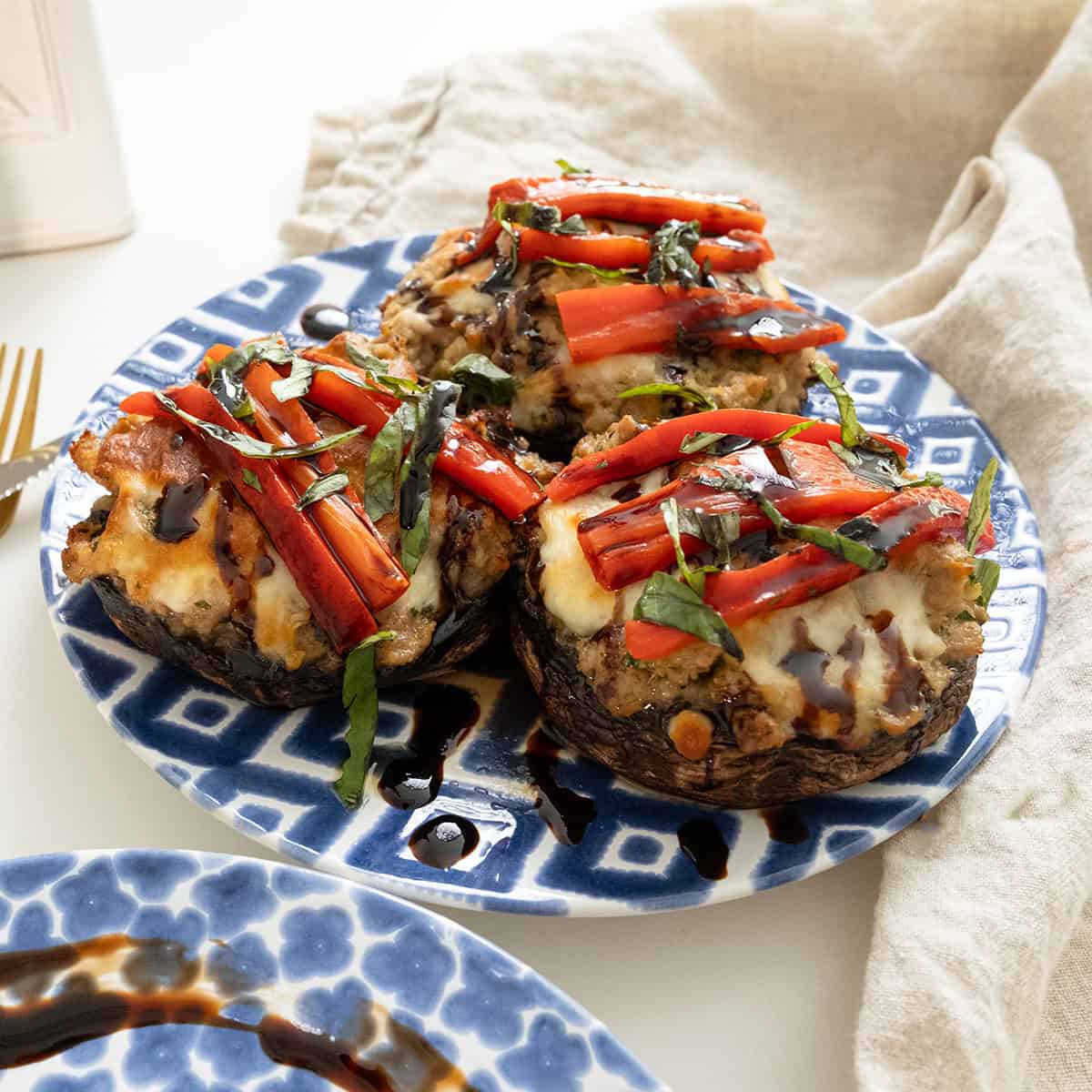 Italian Pork RecipesBaked Italian Stuffed Portobello Mushrooms
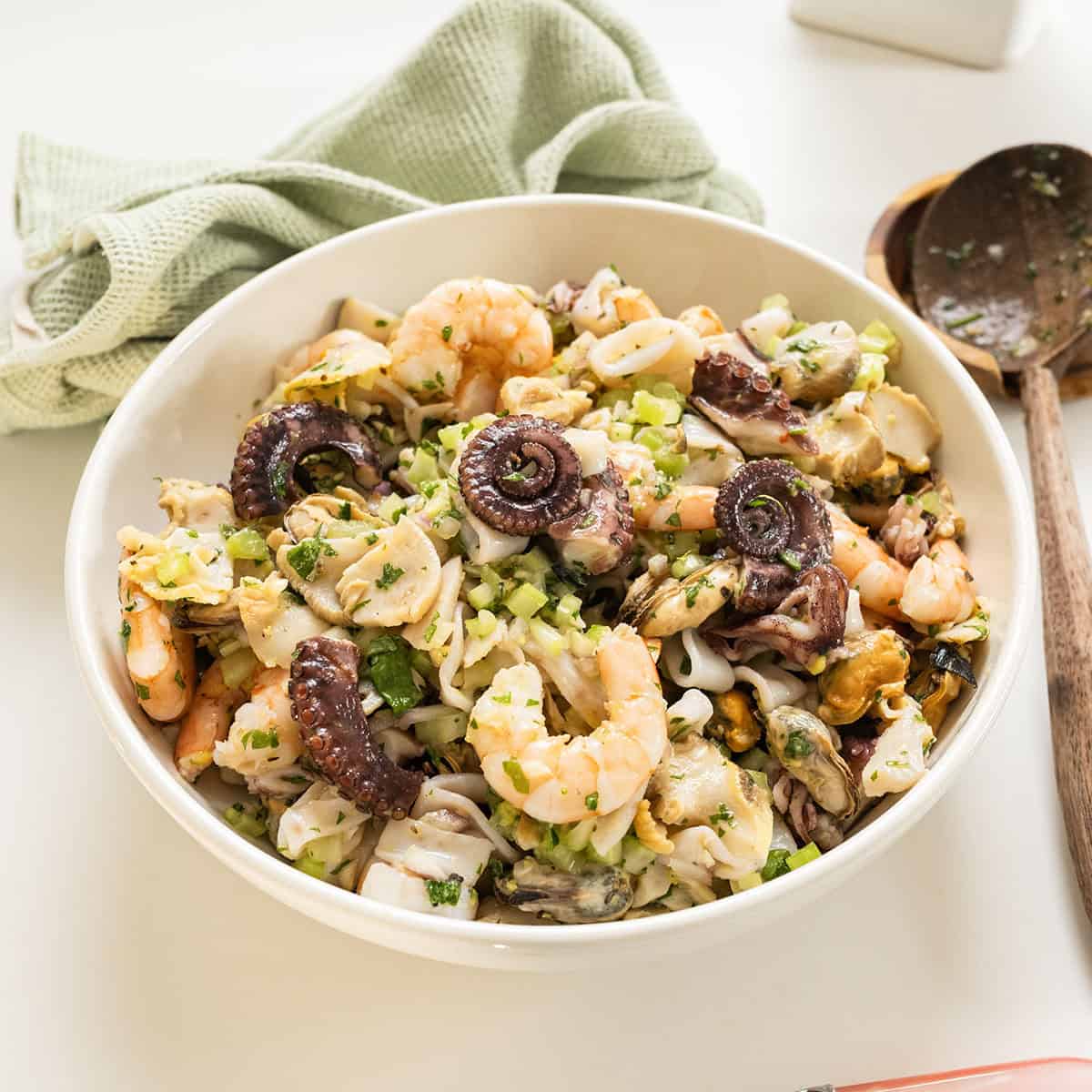 Old School Italian RecipesItalian Seafood Salad (Insalata di Mare)
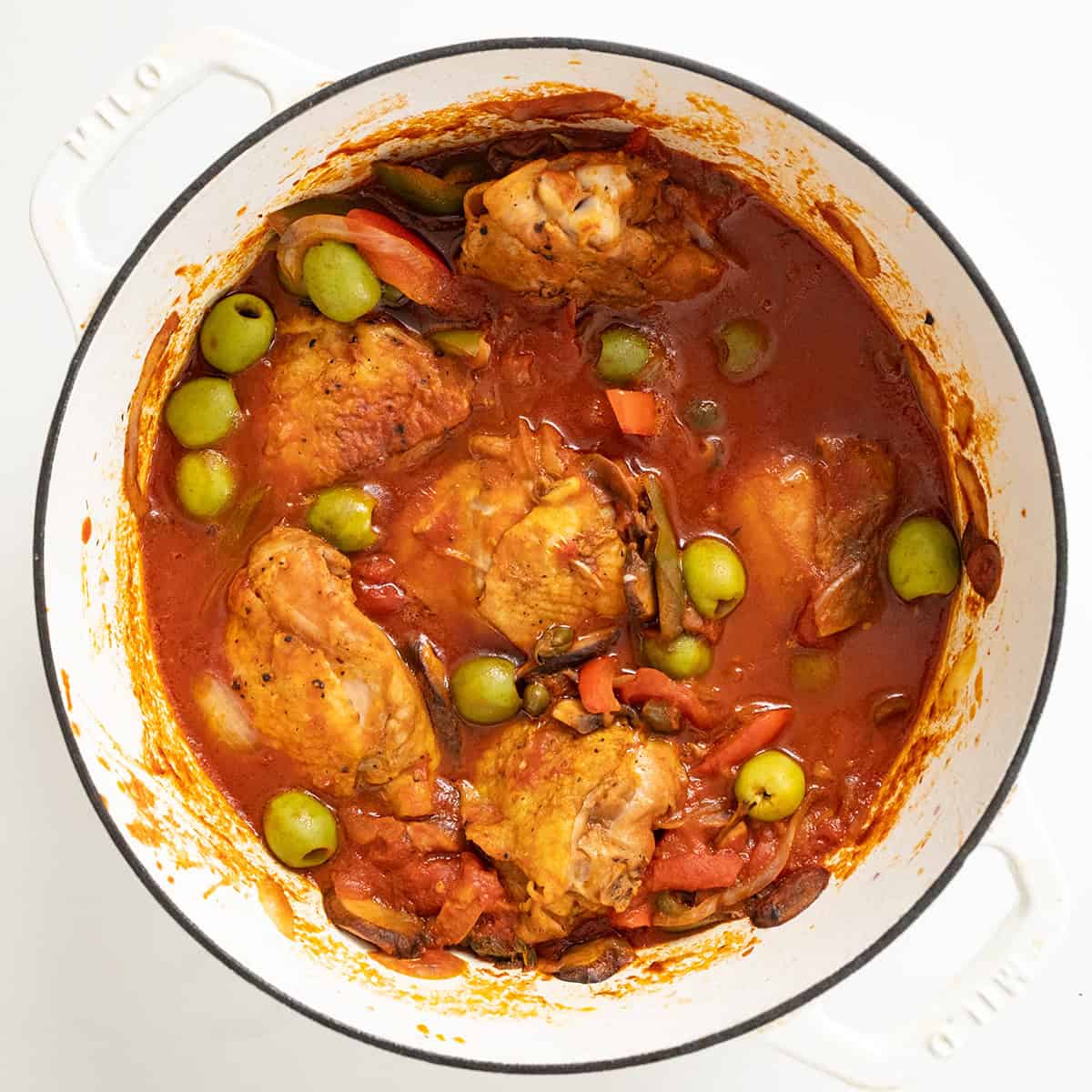 Old School Italian RecipesEasy Chicken Cacciatore
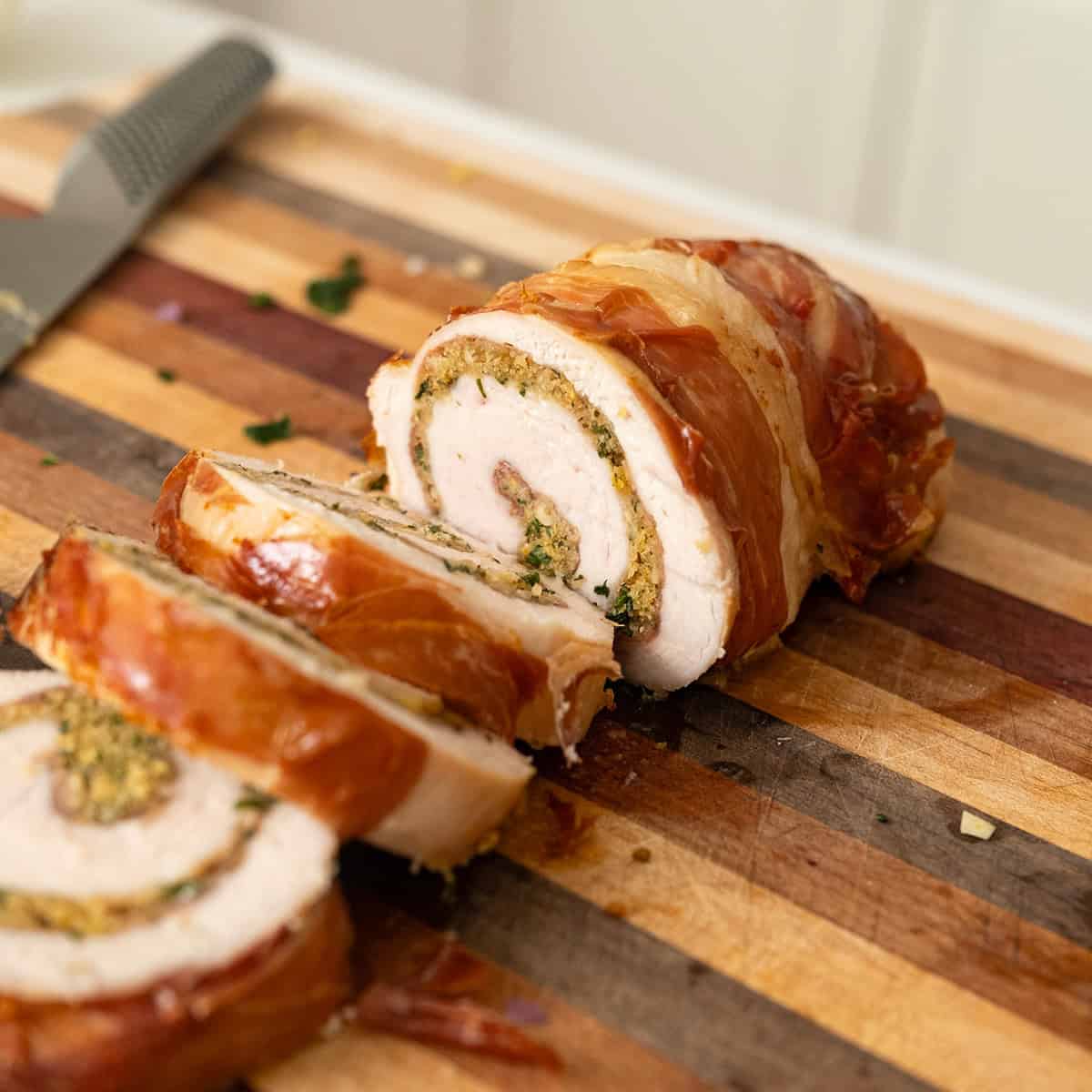 Thanksgiving RecipesRolled Stuffed Turkey Breast
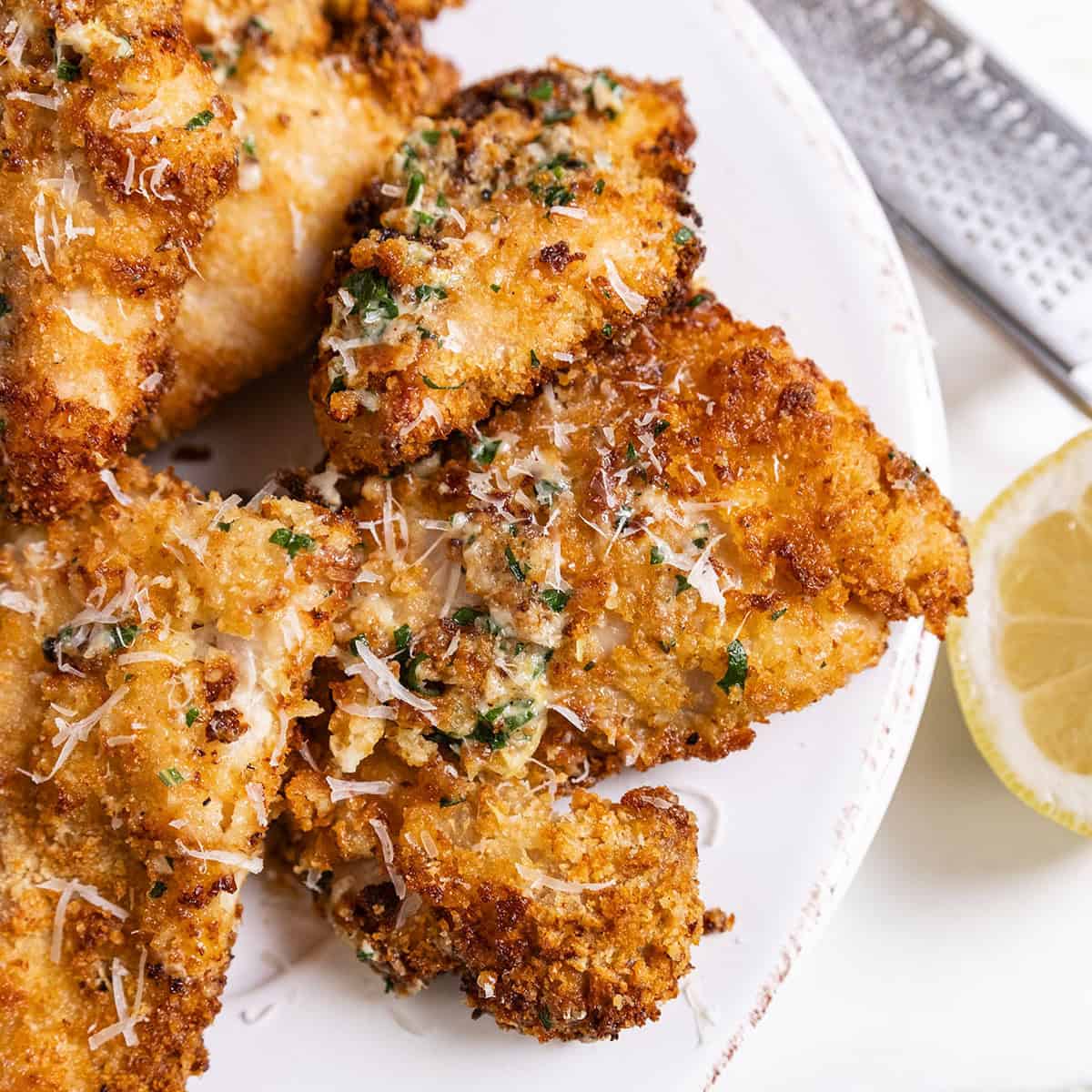 Italian Chicken RecipesAir Fryer Parmesan Crusted Chicken